
Neutrogena sun fresh derm care for oily skin

 Niacinamide
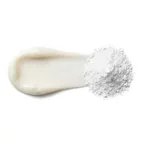 Titanium Dioxide
 Sodium Ascorbyl Phosphate
High
- SuperiorOily Skin Fit
- HighEffectiveness
- HighSafety
A great choice for oily skin; a few sunscreens fit it even better.
This fit is calculated for the concerns frequently associated with oily skin: shine, enlarged pores, blackheads, and blemishes. For scores and recommendations based on your full skin profile, including your 12D face scan results and any goals or preferences you have, please use the Lovi app.
Updated How the Fit score works
Lovi Assistant explains
- Excellent suitability for oily skin is provided by niacinamide and silica, which offer seboregulation and mattifying effects to reduce oily shine.
- The formula offers excellent protection against UV rays due to the presence of homosalate, octocrylene, and ethylhexyl salicylate, ensuring comprehensive sun defense.
- There are no risks of irritation for your oily skin due to the absence of prohibited or harsh ingredients.
How to apply
- Use this moisturizing sunscreen daily in your AM routine. Reapply every two hours when exposed to direct sun.
- Apply this moisturizing sunscreen as the final step of your morning routine after your moisturizer.
- Smooth an even layer of the moisturizing sunscreen over your face and neck, avoiding harsh rubbing.
- Apply the moisturizing sunscreen onto clean, dry skin for the best protection and even coverage.
- Avoid the immediate eye area and discontinue use if any irritation occurs.
People Say
★4.8Overall rating based on 19.3k+ reviewsBased on a very large amount of data, users with oily and acne-prone skin highly appreciate this product for its lightweight, fast-absorbing formula that effectively controls shine and leaves a lasting matte finish. While the addition of niacinamide and vitamin C provides skincare benefits like pore reduction and dark spot prevention, some users report frustrations with the small product size and occasional pilling when layered under makeup.
Highlights
Lightweight fluid texture Mostly Mentioned
- “very fluid and light texture”
- “absorbs immediately”
- “ultralight and dry texture”
- “leaves a very nice texture”
Effective oil control Often Mentioned
- “controls oiliness”
- “matte finish”
- “controls excess shine”
- “maintaining a matte finish”
Suits oily skin Often Mentioned
- “ideal for oily skin”
- “didn't bother oily skin”
- “recommended for mixed to oily skin”
- “perfect for acne-prone skin”
Added skincare benefits Sometimes Noted
- “clears sun spots”
- “enriched with Niacinamide”
- “hides pores”
- “evens out skin tone”
Small quantity Sometimes Noted
- “lasts very little”
- “brings half the product”
- “ran out quite fast”
- “lasts less than 1 week”
Pills under makeup Rarely Noted
- “caused pilling”
- “formed a horrible paste”
- “crumbles with makeup”
Slight white cast Rarely Noted
- “leaves a white layer”
- “could notice it in photos”
- “leaves visible residues”
Sources: lovi.care, mercadolibre.com.mx, mercadolibre.com.co, drogasil.com.br, belezanaweb.com.br, coisasdediva.com.br, and more
Questions and answers
What makes Neutrogena Sun Fresh Derm Care a great fit for oily skin?
Neutrogena Sun Fresh Derm Care is a great fit for oily skin because niacinamide and silica help control excess oil and reduce shiny spots. The formula also provides strong sun protection without using harsh ingredients, meaning it is unlikely to irritate your skin.
Which ingredients make this cream a good fit for oily skin?
Niacinamide and silica make this cream a great fit for oily skin because they help control oil and keep your face from looking too shiny. It is unlikely to cause irritation since it leaves out harsh ingredients.
What does Niacinamide do for oily skin?
Niacinamide helps balance oily skin by significantly reducing excess oil production and shine. It is well tolerated and may improve skin texture without clogging pores.
Journal of Cosmetic and Laser Therapy, 2006Antioxidants, 2021
What does Titanium Dioxide do for oily skin?
Titanium dioxide helps protect oily skin from UV rays without feeling heavy or greasy. It may leave a visible white cast unless formulated as nanoparticles or tinted variants, and this type of product needs oil-absorbing minerals or lightweight bases to stay comfortable on oily skin.
Nanotechnology, Science and Applications, 2011Journal of the European Academy of Dermatology and Venereology, 2019
Where does it go in a skincare routine for oily skin?
This moisturizing SPF goes in the morning routine as the final step before makeup, right after your moisturizer. It protects against UV rays and uses niacinamide and silica to help reduce oily shine.
International Journal of Cosmetic Science, 2020Antioxidants, 2025
Can I use this cream with retinol, and in what order?
You can use this moisturizing SPF in the morning after your retinol routine or on its own to protect your skin. Niacinamide and silica help control shine on oily skin, while sunscreen filters defend against UV rays without causing irritation.
How often should I use it?
You can use this moisturizing spf every morning as the final step of your daytime routine. Niacinamide and silica help control oily shine throughout the day while providing strong UV protection.
Can it clog pores, cause breakouts or purging for oily skin?
This product is unlikely to clog pores or cause breakouts for oily skin because it contains niacinamide and silica, which help control oil and reduce shine without harsh ingredients. It also does not negatively affect skin bacteria that can trigger acne.
Is this cream fragrance-free and alcohol-free?
It contains fragrance (parfum and benzyl salicylate) and drying alcohol (alcohol).
What the research says
Incorporating rosmarinic acid into sunscreens enhanced the in vivo SPF of octocrylene by over 157% and reduced lipid peroxidation in the human stratum corneum.
Antioxidants, 2025Chemical sunscreens containing avobenzone, octocrylene, homosalate, and octisalate showed no to minimal risks of dermal irritation, sensitization, photo-allergy, and photo-irritation in human subjects.
Journal of Drugs in Dermatology, 2025The application of a sunscreen formulation containing ethylhexyl methoxycinnamate, ethylhexyl salicylate, methyl anthranilate, and octocrylene does not significantly affect critical acne-related species such as Cutibacterium acnes and Staphylococcus epidermidis, refuting the induction of facial dysbiosis in men.
Archives of Dermatological Research, 2024The combination of anionic and nonionic surfactants with silica nanoparticles generally mitigates surfactant toxicity and can reduce skin irritation, although nanoparticles reduce biodegradation efficacy.
Toxics, 2025Topical nicotinamide prevented solar-simulated UV-induced immunosuppression in healthy volunteers, and men experienced immunosuppression at solar-simulated UV doses three times lower than those required for women.
The Journal of Investigative Dermatology, 2008Topical 5% niacinamide applied twice daily for 12 weeks reduced fine lines and wrinkles, hyperpigmented spots, red blotchiness, and skin sallowness, and improved skin elasticity compared to vehicle control in 50 female white subjects with facial photoaging.
Dermatologic Surgery, 2005Topical 2% niacinamide significantly decreased sebum excretion rate in Japanese individuals and casual sebum levels in Caucasian individuals compared to placebo or baseline.
Journal of Cosmetic and Laser Therapy, 2006Microfine titanium dioxide does not penetrate human skin when formulated in an oil-in-water emulsion with the pigment dispersed in the aqueous phase, compared to oily dispersions and liposomal encapsulation which allow deeper skin penetration.
International Journal of Cosmetic Science, 2000Replacing microsized titanium dioxide and zinc oxide with nanoparticles in sunscreens eliminates opaqueness and alters UV protection balance while inducing (photo)cyto- and genotoxicity and penetrating viable skin layers during long-term exposures.
Nanotechnology, Science and Applications, 2011Hyaluronic acid-grafted titanium dioxide nanoparticles increased SPF from 13.3 to 19.1 while demonstrating low photocatalytic activity, exceptional thermal stability with >95% SPF retention, enhanced moisturization with >80% hydration retention, and minimal cytotoxicity with 88.5% cell viability in HaCaT keratinocytes compared to unmodified nanoparticles.
International Journal of Biological Macromolecules, 2025Topical application of 5% vitamin C cream significantly improved global clinical scores, increased skin microrelief density, and induced elastic tissue repair in photoaged skin compared to excipient control in healthy female volunteers.
Experimental Dermatology, 2003Topical application of VC-IP cream twice daily for 8 weeks reduces periorbital wrinkles in female subjects compared to a placebo cream.
Journal of Cosmetic Dermatology, 2022Topical treatment with 5% vitamin C and 0.1% madecassoside significantly improved clinical scores for wrinkles, suppleness, firmness, roughness, and skin hydration, along with functional and structural remodeling of the elastic fiber network in 20 female volunteers with photoaged skin after 6 months compared to baseline.
Experimental Dermatology, 2008
Ingredients
Water, Homosalate, Silica, Octocrylene, Ethylhexyl Salicylate, Butyl Methoxydibenzoylmethane, Aluminum Octenylsuccinate Starch, Ethylhexyl Triazone, Methylene Bis-Benzotriazolyl Tetramethylbutylphenol, Triacontanyl Pvp, Dimethicone, Caprylyl Methicone, Sodium Potassium Aluminum Silicate, Glyceryl Stearate, Isononyl Isononanoate, Niacinamide, Peg-100 Stearate, Potassium Cetyl Phosphate, Stearyl Alcohol, Alcohol, Phenoxyethanol, Hydroxyacetophenone, Bis-Ethylhexyloxyphenol Methoxyphenyl Triazine, Titanium Dioxide, Dimethicone Crosspolymer, Parfum, Sodium Ascorbyl Phosphate, Acrylates C10-30 Alkyl Acrylate Crosspolymer, Disodium Edta, Tocopheryl Acetate, Chrysanthemum Parthenium Flower Leaf Stem Juice, Amyl Cinnamal, Benzyl Salicylate
Behind this fit score
Lovi calculates every fit score from the full ingredient list with brand-independent rules our dermatologists and cosmetic chemists build and review, and personalizes every pick with AI trained on the real results of millions of users. Lovi trains its fit score models on a proprietary dataset built from more than 10,000 expert-labeled products and more than 100,000 simulated examples, following an internally consistent methodology presented at Cosmoprof, AMWC, and Skin of Color Update.
-

Co-founder, Medical Director
Cosmetic chemist, cosmetologist, aesthetic products developer
-

Co-founder, CEO and CTO
PhD in computer science, 3x US patent holder, ex-Google, ex-Yandex
-

Dr. Sofía Perea Pérez, MD, MSc
Medical Board
Aesthetic medicine practitioner, MSc in Longevity and Anti-Aging Medicine
-

Medical Board
Specialist dermatologist, MBBS, MD, IFAAD
-

Medical Board
Cosmetic chemist, SCS, IFSCC member
-

Medical Board, Medical Advisor
Dermatology MD
-

Elina Nazarenko, MD
Medical Board
Dermatology and diagnostic consultant
-

Victoria Derkova, MS
Medical Board
Cosmetic chemist, cosmetic development technologist


How does it fit your skin?
Scan your face, then any product: Lovi shows how well it fits you and what fits even better.