
Murad Clarifying Mask for acne-prone skin

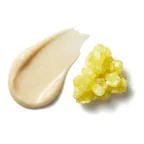 Sulfur
 Salicylic Acid
 Zinc Oxide
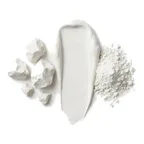 Kaolin
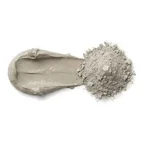 Bentonite
High
- HighCombination Skin Fit
- HighEffectiveness
- HighSafety
A great choice for acne-prone skin; a few cleansing masks fit it even better.
This fit is calculated for the concerns frequently associated with acne-prone skin: breakouts, blackheads, and post-acne marks. For scores and recommendations based on your full skin profile, including your 12D face scan results and any goals or preferences you have, please use the Lovi app.
Updated How the Fit score works
Lovi Assistant explains
- Highly suitable for your combination, acne-prone skin as sulfur and salicylic acid effectively cleanse pores and reduce inflammation, targeting your blemishes and breakouts.
- Allantoin and lavender oil provide soothing benefits, complementing the active ingredients and enhancing overall skin comfort.
- The formulation is safe for your skin, with no harsh ingredients and a low risk of irritation.
How to apply
- Use this cleansing mask during your PM weekly routine. Start 1x/week and increase if your skin tolerates it well.
- Apply this cleansing mask after using your pre-cleanser and cleanser , and before your hydrating toner.
- Spread an even layer of the cleansing mask over your face , avoiding any rubbing to protect your skin.
- Apply the cleansing mask to clean and dry skin to help clear up your blemishes effectively.
- Avoid the eye area and do a patch test before your first use.
People Say
★4.7Overall rating based on 700+ reviewsThis mask is highly effective for oily and acne-prone skin, rapidly reducing pimple size and calming inflammation. Users consistently report clearer skin and smoother texture after a few uses. It can be drying if used too frequently or on sensitive areas.
Highlights
Rapidly clears acne Mostly Mentioned
- “Kills volcano pimples overnight”
- “Shortens life of blemish”
- “Fast tracks pimple reduction”
Reduces redness Often Mentioned
- “Calms irritated skin”
- “Inflammation was minimized”
- “Improves redness significantly”
Can be drying Often Mentioned
- “Skin felt tight”
- “Flaky skin if overused”
- “Dries out pimples too much”
Easy to remove Sometimes Noted
- “Rinses off easily”
- “Melts off like butter”
- “No pulling or tugging”
Smooths texture Sometimes Noted
- “Skin felt smoother”
- “Soft as a baby's bum”
- “Exfoliates rough skin”
Pricey Sometimes Noted
- “Expensive price point”
- “Pricey but worth it”
- “Overpriced for size”
Strong smell Sometimes Noted
- “Sulfur smell sticks around”
- “Potent chemical smell”
- “Smell is unpleasant”
Pleasant scent Rarely Noted
- “Eucalyptus neutralizes scent”
- “Smells like eucalyptus”
- “Not overpowering”
Difficult to rinse Rarely Noted
- “Hard to wash off”
- “Stays on face cloth”
- “Requires scrubbing”
Sensitivity/Stinging Rarely Noted
- “Initial stinging sensation”
- “Too strong for sensitive skin”
- “Caused red marks”
Sources: lovi.care, murad.com, sephora.com, ulta.com, lovelyskin.com, dermstore.com, and more
Questions and answers
What makes Murad Clarifying Mask a great fit for acne-prone skin?
Murad Clarifying Mask is a great fit because sulfur and salicylic acid deeply clean pores and calm inflammation to target breakouts. Allantoin and lavender oil help soothe your skin and keep it comfortable, while the safe formula has a low risk of irritation.
Which ingredients make this mask a good fit for acne-prone skin?
Sulfur and salicylic acid make this mask a great fit because they effectively clean out pores and calm swelling to target blemishes and breakouts. Ingredients like allantoin and lavender oil also help soothe the skin and keep it comfortable with a low chance of irritation.
BioMed Research International, 2020Journal of Cosmetic Dermatology, 2024
What does Sulfur do for acne-prone skin?
Sulfur helps calm acne-prone skin by reducing blemishes and breakouts while showing a safe and gentle profile with rare mild side effects. It works well as a therapeutic option to target various skin disorders.
Journal of Drugs in Dermatology, 2004Journal of the American Academy of Dermatology, 1988
What does Salicylic Acid do for acne-prone skin?
Salicylic acid helps clear acne-prone skin by reducing pimples and calming redness. It works by diving deep into pores to clear out trapped oil and dead skin, making breakouts less likely to return.
Journal of Cosmetic Dermatology, 2024Journal of Drugs in Dermatology, 2023
Where does it go in a skincare routine for acne-prone skin?
This cleansing mask fits into your weekly routine after cleansing and before your toner, treatment, and moisturizer. It is a great fit for your acne-prone skin because sulfur and salicylic acid cleanse pores and reduce inflammation to target breakouts, while allantoin and lavender oil soothe the skin.
BioMed Research International, 2020Journal of Cosmetic Dermatology, 2024
Can I use this mask with retinol, and in what order?
You can use this mask in your weekly routine, but it is best to avoid using it on the exact same nights as your retinol to prevent irritation. Instead, apply the mask on its designated weekly night and use your retinol on alternating evenings. This gentle approach helps keep your acne-prone skin clear while maintaining comfort.
How often should I use it?
Use this cleansing mask once a week as part of your weekly routine. If your skin tolerates it well and you see good results, you can carefully use it more often.
Can this mask clog pores, cause breakouts or purging for acne-prone skin?
This mask is a great fit for acne-prone skin because sulfur and salicylic acid effectively clean out pores and calm swelling to help reduce breakouts. Allantoin and lavender oil also help keep skin comfortable, and the formula has a low risk of irritation and is safe for your skin.
BioMed Research International, 2020Journal of Cosmetic Dermatology, 2024
What the research says
A moisturizer containing licochalcone A, 1,2-decanediol, L-carnitine, and salicylic acid significantly reduced noninflammatory, inflammatory, and total acne lesion counts compared to a vehicle control in Thai patients during a 12-week maintenance phase.
BioMed Research International, 2020Treatment with 45% mandelic acid peel showed nearly equal overall efficacy as 30% salicylic acid peel in patients with mild-to-moderate facial acne vulgaris, but with fewer adverse effects.
Journal of Cosmetic Dermatology, 2020Twice daily application of a multitargeted dermocosmetic cream provided comparable efficacy to benzoyl peroxide 5% gel in reducing inflammatory, non-inflammatory, and total lesions in 150 Caucasian subjects with mild-to-moderate acne over 56 days, while demonstrating superior skin tolerability.
Journal of Cosmetic Dermatology, 2024A bentonite-based facial mask with Alcea sulphurea extract combined with oral azithromycin significantly reduced total lesion count and acne severity index while enhancing patient satisfaction in patients with moderate acne compared to placebo plus azithromycin over 8 weeks.
Journal of Cosmetic Dermatology, 2025Topical application of 5% permethrin, crotamiton, and 10% sulfur ointment achieved equal efficacy in 54 patients with scabies at 4-week follow up, but permethrin demonstrated faster improvement at the first and second-week follow ups.
Journal of Arthropod-borne Diseases, 2017Topical application of precipitated sulphur 2-8% petrolatum achieved a 95% clinical and ectoparasitological cure rate in 40 ambulatory scabies patients without relevant adverse effects.
Revista de Investigacion Clinica; Organo Del Hospital de Enfermedades de la Nutricion, 2004Topical 10% benzoyl peroxide and 2%-5% sulfur cream achieved "good" to "excellent" results with no undesirable side effects in 113 consecutive patients with acne.
Canadian Medical Association Journal, 1966Treatment with 2% supramolecular salicylic acid hydrogel resulted in a regression and markedly improvement rate of 51.01% compared to 43.10% for Adapaline gel in patients with mild to moderate facial acne vulgaris, showing no significant difference in efficacy.
Journal of Cosmetic Dermatology, 2024Topical 5% benzoyl peroxide plus salicylic acid achieved the greatest lesion reduction at early 2 to 4 week time points compared to benzoyl peroxide, clindamycin, and combination benzoyl peroxide/clindamycin, while 5% benzoyl peroxide plus salicylic acid and combination benzoyl peroxide/clindamycin showed similar efficacy at 10 to 12 weeks in acne patients.
Journal of the American Academy of Dermatology, 2010Post-peel application of either topical tretinoin (0.25%) or retinol (0.25%) after a 30% salicylic acid peel effectively improves signs of photodamage compared to baseline in female subjects, with tretinoin performing slightly better than retinol in texture, roughness, and overall appearance at week 4.
Journal of Drugs in Dermatology, 2016Topical 0.5% hyaluronic-ZnO nanogel applied twice daily reduced inflammatory-lesion counts by 58% at week four in human subjects compared to baseline without causing erythema.
Biomedicines, 2025Daily use of a deep cleansing gel containing salicylic acid 2%, zinc gluconate 0.2% and lipohydroxy acid 0.05% significantly reduced total lesion count by 56.3% after 84 days in 35 subjects with mild to moderate truncal acne.
Clinical, Cosmetic and Investigational Dermatology, 2023Topical zinc oxide nanogels formulated using Dendrobium anosmum showed greater effectiveness against Gram-positive acne-causing bacteria compared to chemogenic nanoparticles.
Molecules, 2023Vectorization of high molecular weight hyaluronic acid with clay enabled its penetration into deeper skin layers and led to a significant clinical reduction in fine lines in the crow's feet area compared to placebo after 28 days.
Skin Research and Technology, 2024Twice-weekly use of a clay mask over 4 weeks in 75 adults with oily or combination skin improved acne-related outcomes, sebum content, skin evenness, hydration, and reduced dryness and irritation.
Skin Research and Technology, 2023Palygorskite clay as a nanocarrier for tea tree oil achieved efficient loading, reduced acute contact toxicity, targeted antimicrobial effects against dermal pathogens, and pronounced clinical efficacy in treating facial acne compared to unformulated oil.
International Journal of Pharmaceutics, 2022Clay jojoba oil facial masks reduced total skin lesions by a mean of 54% after 6 weeks in 133 participants with acne-prone, lesioned skin and mild acne compared to baseline.
Forschende Komplementarmedizin, 2012A novel water-in-oil emulsion with a lecithin-modified bentonite prevented epidermal degradation and inflammatory protein secretion induced by urban dust and cedar pollen more effectively than a conventional water-in-oil emulsion in a reconstructed human epidermis model.
International Journal of Cosmetic Science, 2020Topical clay application increased the number of collagen fibres in rat skin at 7 days compared with control skin (51.74% vs. 43.39%), but showed no further increase at 14 days.
Clinical and Experimental Dermatology, 2012
Ingredients
Sulfur, Water, Kaolin, Bentonite, Propylene Glycol, Glycerin, Glyceryl Stearate Se, Zinc Oxide, Talc, Titanium Dioxide, Cetyl Alcohol, Dicaprylyl Maleate, Salicylic Acid, Lecithin, Tocopherol, Magnesium Ascorbyl Phosphate, Palmitoyl Hydroxypropyltrimonium Amylopectin Glycerin Crosspolymer, Vitis Vinifera Seed Extract Grape Seed Extract, Dipotassium Glycyrrhizate, Allantoin, Tetrasodium Edta, Methylparaben, Butylparaben, Ethylparaben, Propylparaben, Isobutylparaben, Diazolidinyl Urea, Methylchloroisothiazolinone, Methylisothiazolinone, Camphor, Geraniol, Limonene, Linalool, Lavandula Angustifolia Oil Lavender Oil
Behind this fit score
Lovi calculates every fit score from the full ingredient list with brand-independent rules our dermatologists and cosmetic chemists build and review, and personalizes every pick with AI trained on the real results of millions of users. Lovi trains its fit score models on a proprietary dataset built from more than 10,000 expert-labeled products and more than 100,000 simulated examples, following an internally consistent methodology presented at Cosmoprof, AMWC, and Skin of Color Update.
-

Co-founder, Medical Director
Cosmetic chemist, cosmetologist, aesthetic products developer
-

Co-founder, CEO and CTO
PhD in computer science, 3x US patent holder, ex-Google, ex-Yandex
-

Dr. Sofía Perea Pérez, MD, MSc
Medical Board
Aesthetic medicine practitioner, MSc in Longevity and Anti-Aging Medicine
-

Medical Board
Specialist dermatologist, MBBS, MD, IFAAD
-

Medical Board
Cosmetic chemist, SCS, IFSCC member
-

Medical Board, Medical Advisor
Dermatology MD
-

Elina Nazarenko, MD
Medical Board
Dermatology and diagnostic consultant
-

Victoria Derkova, MS
Medical Board
Cosmetic chemist, cosmetic development technologist


How does it fit your skin?
Scan your face, then any product: Lovi shows how well it fits you and what fits even better.