
Medik8 C-Tetra Serum for acne-prone skin

 Tetrahexyldecyl Ascorbate Lipid Vitamin C
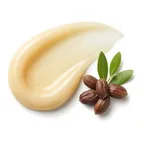 Jojoba Seed Oil
 Tocopheryl Acetate Vitamin E
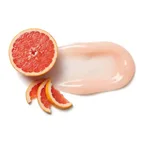 Grapefruit Peel Oil
 Ppg-12 Smdi Copolymer
Low
- HighCombination Skin Fit
- AverageEffectiveness
- HighSafety
A weak match for acne-prone skin; the serums alongside fit it better.
This fit is calculated for the concerns frequently associated with acne-prone skin: breakouts, blackheads, and post-acne marks. For scores and recommendations based on your full skin profile, including your 12D face scan results and any goals or preferences you have, please use the Lovi app.
Updated How the Fit score works
Lovi Assistant explains
- Highly suitable for combination skin due to Tetrahexyldecyl Ascorbate offering antioxidant activity and Jojoba Seed Oil providing emollient action, though it lacks targeted ingredients for your acne, blemishes, and breakouts.
- It offers moderate antioxidant protection for brightening and evening skin tone, providing general skincare benefits like hydration and cleansing.
- The formulation is safe for your combination skin, with no risks of irritation due to the absence of prohibited or harsh ingredients.
Buy online

Prices checked 20 Nov 2026
The Lovi Fit is the same in every country; only the stores and prices differ, and the ones here are for India.
How to apply
- Use your serum as part of your PM routine and start 3x/week before working up to daily use.
- Apply this treatment after cleansing and toner, and before your moisturizer.
- Gently press 2-3 drops of the serum into your skin and let it absorb for a minute.
- Apply the product on clean, dry skin to help manage your breakouts safely.
- Avoid the eye area and do a patch test before your first use.
People Say
★4.7Overall rating based on 200+ reviewsThis serum is widely praised as an excellent entry-level Vitamin C product, particularly for those with sensitive or dry skin due to its gentle, non-irritating formula. Users consistently report a noticeable "healthy glow" and improved hydration, though those with oily or acne-prone skin sometimes find the oil-based texture too heavy or congestion-inducing.
Highlights
Gentle & Non-irritating Mostly Mentioned
- “only Vitamin C my sensitive skin can tolerate”
- “completely non-irritating”
Brightening & Glow Often Mentioned
- “unlocked a serious glow”
- “visibly brighter complexion”
- “faded post-acne marks”
Hydrating Texture Sometimes Noted
- “sinks in beautifully”
- “feels incredibly hydrating”
- “leaves skin velvety soft”
Pleasant Scent Sometimes Noted
- “smell is gorgeous”
- “fresh citrus scent”
- “refreshing and pleasant”
High Price Point Sometimes Noted
- “hefty price tag”
- “way too overpriced”
- “not worth the money”
Oily/Greasy Feel Sometimes Noted
- “too oily for my combination skin”
- “left a sticky residue”
- “felt heavy on my face”
Caused Breakouts Rarely Noted
- “made me break out constantly”
- “clogged my pores”
- “caused small bumps”
Lack of Potency Rarely Noted
- “didn't notice any benefits”
- “too gentle for advanced damage”
- “wanted stronger results”
Sources: lovi.care, cultbeauty.com, dermstore.com, influenster.com, reddit.com, whowhatwear.com, and more
Questions and answers
Why is Medik8 C-Tetra a weak match for acne-prone skin?
Medik8 C-Tetra Serum is a weak match for acne-prone skin because it lacks targeted ingredients for breakouts, blemishes, and acne. A product of this type needs effective ingredients like niacinamide, propolis, and zinc PCA that provide excellent skincare benefits for acne and breakouts, while ensuring no risk of irritation and aligning perfectly with the needs of combination skin.
European Journal of Pharmaceutics and Biopharmaceutics, 2017
Which ingredients make this serum a poor fit for acne-prone skin?
This serum is a weak match for acne-prone skin because it lacks targeted ingredients for breakouts, such as niacinamide, zinc pca, or propolis, which help manage blemishes and control oiliness. Instead, an acne-focused treatment needs soothing and balancing elements to keep this skin clear and healthy.
What does Tetrahexyldecyl Ascorbate do for acne-prone skin?
Tetrahexyldecyl Ascorbate is generally suitable for acne-prone skin because it provides antioxidant protection and helps calm irritation without clogging pores. When used in this skin type, this form of vitamin C helps keep the skin smooth and balanced while defending against environmental stress.
Where does this serum go in a skincare routine for acne-prone skin?
This serum goes in the evening routine after cleansing and before moisturizing, though acne-prone skin needs a product with targeted ingredients for blemishes and breakouts instead.
Can I use this serum with retinol, and in what order?
You can use this treatment in your evening routine after cleansing and before moisturizing, but keep in mind it is a weak match for acne-prone skin. Because it lacks targeted ingredients for breakouts, this skin type needs options with blemish-fighting actives to help clear pimples.
How often should I use this serum?
You can use this serum in your evening routine, as treatments fit simply and safely there. This product is a weak match for your acne-prone skin because it lacks targeted ingredients for breakouts, so this skin needs products with blemish-clearing ingredients and oil-balancing agents.
Can this serum clog pores, cause breakouts or purging for acne-prone skin?
This serum may cause breakouts for acne-prone skin because it lacks targeted ingredients for blemishes and features a rich oil base that leaves an oily feel. Acne-prone skin needs lightweight, clarifying ingredients like salicylic acid or niacinamide to help keep pores clear and calm breakouts.
What the research says
Topical formulations containing ascorbyl tetraisopalmitate, coenzyme Q10, green tea polyphenols, and resveratrol reduced the release of inflammatory cytokines and attenuated inflammatory signs compared to untreated skin and vehicle in 25 Japanese volunteers exposed to sodium dodecyl sulfate.
European Journal of Pharmaceutics and Biopharmaceutics, 2017A 3-in-1 anti-aging topical night serum-in-oil applied once daily decreased wrinkles by 11%, increased skin firmness by 8%, reduced redness by 70%, and improved overall skin quality and complexion in 103 female subjects over 28 to 84 days compared to baseline.
Journal of Cosmetic Dermatology, 2019Co-encapsulation of alpha-tocopherol and alpha-tocopheryl acetate in nanostructured lipid carrier gel formulations significantly enhanced moisture retention up to 68% and improved skin elasticity in human volunteers compared to a solution gel.
Scientific Reports, 2025Dermatological products containing d-alpha tocopheryl acetate showed non-comedogenic potential with less than a 50% increase in microcomedones in 12 healthy male subjects compared to octyl palmitate.
Contemporary Clinical Trials Communications, 2021Topical application of 5% vitamin C cream significantly improved global clinical scores, increased skin microrelief density, and induced elastic tissue repair in photoaged skin compared to excipient control in healthy female volunteers.
Experimental Dermatology, 2003Topical application of VC-IP cream twice daily for 8 weeks reduces periorbital wrinkles in female subjects compared to a placebo cream.
Journal of Cosmetic Dermatology, 2022Topical treatment with 5% vitamin C and 0.1% madecassoside significantly improved clinical scores for wrinkles, suppleness, firmness, roughness, and skin hydration, along with functional and structural remodeling of the elastic fiber network in 20 female volunteers with photoaged skin after 6 months compared to baseline.
Experimental Dermatology, 2008Topical formulations containing 3.75% glycerol and 1.25% hydrolyzed jojoba esters produced significantly lower evaporative TEWL values compared to glycerol alone at 8 and 24 hours posttreatment in human subjects.
Journal of Cosmetic Dermatology, 2008Topical application of 1.0% Lactobacillus ferment from jojoba cake significantly increased skin collagen fluorescence compared to baseline and placebo cream over 56 days in 46 individuals.
International Journal of Cosmetic Science, 2026Clay jojoba oil facial masks reduced total skin lesions by a mean of 54% after 6 weeks in 133 participants with acne-prone, lesioned skin and mild acne compared to baseline.
Forschende Komplementarmedizin, 2012Topical application of an antioxidant serum containing 15% ascorbic acid, 0.5% ferulic acid, and 1% tocopherol prevented particulate matter-induced degradation of extracellular matrix components, inflammation, and oxidative stress in the skin of 15 female volunteers compared to untreated controls.
Journal of Cosmetic Dermatology, 2025Topical application of an antioxidant mix containing 15% ascorbic acid, 0.5% ferulic acid, and 1% tocopherol prevented PM and UV-induced skin barrier perturbation, lipid peroxidation, inflammatory markers, MMP9 activation, and Type I collagen loss in 15 healthy females compared to untreated exposed skin.
Journal of Cosmetic Dermatology, 2024A topical antioxidant serum significantly reduced air pollution-induced skin pigmentation and proinflammatory gene expression ex vivo, and improved skin aging signs in 40 healthy adult females after 90 days of daily use.
Journal of Cosmetic Dermatology, 2022Grapefruit essential oil promoted HaCaT cell proliferation, reduced ROS production, inhibited IL-1 and COX-2 expression, and recovered LOR and FLG contents in a cell damage model of skin inflammation stimulated by S. aureus metabolites compared to lime essential oil.
Chemistry & Biodiversity, 2022
Why other serums fit acne-prone skin better
Topical UP256 cream containing 0.5% bakuchiol administered twice daily significantly reduced inflammatory lesions and improved acne-related post-inflammatory hyperpigmentation in 13 subjects with mild or moderate facial acne.
Journal of Drugs in Dermatology, 2021Co-delivery of paeonol and madecassoside via nanoemulsions improved transdermal delivery, promoted barrier repair proteins, inhibited inflammatory cytokine secretion in cellular and 3D models, and reduced transepidermal water loss and acne in human facial skin compared to free components.
Molecules, 2023A cream combining propolis, tea tree oil, and Aloe vera reduced erythema scars, acne severity index, and total lesion count better than erythromycin cream in sixty patients with mild to moderate acne vulgaris compared to placebo.
Clinical Pharmacology, 2018
Ingredients
Jojoba Seed Oil, Cyclopentasiloxane, Cyclohexasiloxane, Tetrahexyldecyl Ascorbate, Grapefruit Peel Oil, Tocopheryl Acetate, Ppg-12 Smdi Copolymer, Limonene, Citral, Linalool, Geraniol
Behind this fit score
Lovi calculates every fit score from the full ingredient list with brand-independent rules our dermatologists and cosmetic chemists build and review, and personalizes every pick with AI trained on the real results of millions of users. Lovi trains its fit score models on a proprietary dataset built from more than 10,000 expert-labeled products and more than 100,000 simulated examples, following an internally consistent methodology presented at Cosmoprof, AMWC, and Skin of Color Update.
-

Co-founder, Medical Director
Cosmetic chemist, cosmetologist, aesthetic products developer
-

Co-founder, CEO and CTO
PhD in computer science, 3x US patent holder, ex-Google, ex-Yandex
-

Dr. Sofía Perea Pérez, MD, MSc
Medical Board
Aesthetic medicine practitioner, MSc in Longevity and Anti-Aging Medicine
-

Medical Board
Specialist dermatologist, MBBS, MD, IFAAD
-

Medical Board
Cosmetic chemist, SCS, IFSCC member
-

Medical Board, Medical Advisor
Dermatology MD
-

Elina Nazarenko, MD
Medical Board
Dermatology and diagnostic consultant
-

Victoria Derkova, MS
Medical Board
Cosmetic chemist, cosmetic development technologist


How does it fit your skin?
Scan your face, then any product: Lovi shows how well it fits you and what fits even better.