
Meaningful Beauty Youth Activating Melon Serum for oily acne-prone skin

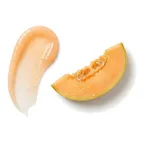 Rare Melon Extract
 Sodium Hyaluronate
 Glycerin
 Carnosine
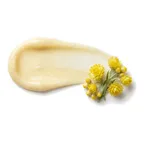 Helichrysum Italicum Extract
Average
- HighOily Skin Fit
- AverageEffectiveness
- HighSafety
Works for oily acne-prone skin; other serums fit it better.
This fit is calculated for the concerns frequently associated with oily acne-prone skin: shine, breakouts, blemishes, and enlarged pores. For scores and recommendations based on your full skin profile, including your 12D face scan results and any goals or preferences you have, please use the Lovi app.
Updated How the Fit score works
Lovi Assistant explains
- Offers moderate suitability for oily skin as Glycerin provides humectant action, while Cucumis Melo Cantalupensis Callus Extract and Helichrysum Italicum Extract help smooth texture and reduce redness, though specialized ingredients for oil control are lacking.
- The serum provides general skincare benefits like hydration and soothing, which are supportive for your acne, blemishes, and breakouts, but it does not directly target these concerns.
- The safety profile is excellent, with no risks of irritation for your oily skin due to the absence of prohibited or harsh ingredients.
How to apply
- Could be used as part of your PM routine. Start 3 times a week and build up to daily use if your skin tolerates it well.
- Apply your serum after cleansing and toning, but before putting on your moisturizer.
- Gently press 2 to 3 drops of the serum into your skin and let it absorb for a minute.
- Apply the serum on clean, dry skin to help manage your blemishes safely.
- Do a patch test before your first use and avoid the delicate eye area.
People Say
★4.6Overall rating based on 2.4k+ reviewsBased on a very large amount of data, this serum is widely praised for its hydrating and firming properties, with many users reporting a more radiant and youthful complexion. While generally effective, some users with very dry skin may need additional moisture, and concerns are noted regarding the product's price and fragrance.
Highlights
Quickly absorbs Mostly Mentioned
- “Absorbs quickly without feeling sticky”
- “My skin absorbs it amazingly well”
- “Lightweight, absorbs quickly”
Boosts hydration Often Mentioned
- “Leaves my skin radiant, smooth, and hydrated”
- “Noticeable boost in radiance”
- “Keeps my glow on my face”
Expensive price point Often Mentioned
- “More expensive than I like to spend”
- “Price tag might not be for everyone”
- “Hefty price tag”
Improves firmness Sometimes Noted
- “Leaves my skin so moist & lifted”
- “Skin started feeling firmer”
- “Visibly plump, firm and deeply hydrate”
Pleasant texture Sometimes Noted
- “Smooth light texture”
- “Glides on with a smooth light texture”
- “Thicker and more like a gel”
Contains fragrance Sometimes Noted
- “Contains fragrance”
- “If you're sensitive to fragrance, this might be something to consider”
Insufficient moisture Rarely Noted
- “If you have very dry skin... you might still need to layer a heavier cream”
Packaging issues Rarely Noted
- “New bottle is terrible”
- “Leaky packaging”
- “Bottle size is smaller, with no prior warning”
Sources: lovi.care, meaningfulbeauty.com, influenster.com, walmart.com, youtube.com, illuminatelabs.org, and more
Questions and answers
How well does Youth Activating Melon Serum work for oily acne-prone skin?
Meaningful Beauty Youth Activating Melon Serum works moderately well for oily acne-prone skin, providing hydration and soothing redness without causing irritation, though it lacks specialized ingredients for oil control. Treatments that fit this skin better need effective ingredients like niacinamide or Vitamin C to target excess oil and breakouts while keeping the skin balanced.
Which ingredients make this serum a good fit for oily acne-prone skin?
Glycerin, Cucumis Melo Cantalupensis Callus Extract, and Helichrysum Italicum Extract make this serum work for your oily, acne-prone skin by bringing moisture and calming redness. Because it lacks ingredients for oil control, a product for this skin type needs targeted blemish-fighting and oil-balancing ingredients like niacinamide or Vitamin C.
Clinical, Cosmetic and Investigational Dermatology, 2017Dermatology and Therapy, 2020
What does Melon Extract do for oily acne-prone skin?
Melon Extract is not specifically studied for oily or acne-prone skin, so it may not provide the sebum-normalizing benefits you need. For this skin type, a product needs pore-refining ingredients that help manage oil and calm breakouts, like Cirsium eriophorum cell culture extract.
What does Hyaluronic Acid do for oily acne-prone skin?
Hyaluronic acid helps oily acne-prone skin by lowering excess oil production and improving skin hydration without causing irritation. It may also enhance the effectiveness of acne treatments while keeping the skin barrier strong.
Where does this serum go in a skincare routine for oily acne-prone skin?
This serum goes in the evening routine, applied after cleansing and before moisturizing. Oily acne-prone skin needs a treatment that includes oil-controlling ingredients alongside hydrators to properly manage excess shine and breakouts.
Can I use this serum with retinol, and in what order?
How often should I use this serum?
You can use this treatment in the evening as part of your routine. This serum works for oily acne-prone skin by offering hydration and smoothing texture, though a product of this type for this skin needs specialized ingredients for oil control.
Can this serum clog pores, cause breakouts or purging for oily acne-prone skin?
This serum is unlikely to cause irritation or breakouts on your oily, acne-prone skin because it contains very safe ingredients and lacks harsh components. However, because it misses specialized ingredients for oil control, an ideal product for this skin needs oil-balancing and blemish-clearing ingredients to truly prevent breakouts.
Journal of Ethnopharmacology, 2023Dermatology and Therapy, 2020
Is this serum fragrance-free and alcohol-free?
Yes, it has no fragrance and no drying alcohol.
What the research says
Polypropylene non-woven fabric impregnated with H. italicum extract using ethanol as a cosolvent demonstrated significantly greater potential for skin protection compared to other investigated samples on artificially irritated human skin without causing irritation or redness.
Journal of Ethnopharmacology, 2023A single application of a moisturizing fluid containing hyaluronic acid 1%, glycerin 5%, and Centella asiatica stem cells extract significantly increased skin hydration by 29% and reduced transepidermal water loss at 24 hours compared to baseline and an untreated control site in twenty healthy women.
Clinical, Cosmetic and Investigational Dermatology, 2017A night cream containing melatonin, carnosine, and Helichrysum italicum extract reduced oxidative stress ex vivo and improved hydration, reduced transepidermal water loss, decreased wrinkles and spots, and lowered skin reactivity in 117 individuals over up to 12 weeks of nightly use.
Dermatology and Therapy, 2020Treatment with a Rhodiola rosea extract and L-carnosine-associated compound produced in vivo protective effects on skin barrier function and positive subjective responses in 124 volunteers with sensitive skin compared to placebo.
Journal of Cosmetic Dermatology, 2008Topical application of TAT-SOD significantly suppresses UVB-induced erythema formation, blood flow rise, and apoptotic sunburn cell formation in human volunteers compared to a vehicle control.
European Journal of Pharmaceutics and Biopharmaceutics, 2016Topical superoxide dismutase formulations maintained physical stability and enzymatic activity for 6 months at 4 and 30 degrees C, and effectively inhibited UVB-induced skin erythema for 48 hours, whereas formulations combined with alpha-tocopherol were unstable.
European Journal of Pharmaceutics and Biopharmaceutics, 2007Fusion of Trichoderma reesei superoxide dismutase with abalone peptides decreased reactive oxygen species generation by 14% to 19% in 3T3 fibroblasts exposed to tert-butyl hydroperoxide compared to unmodified superoxide dismutase.
Biotechnology and Applied Biochemistry, 2022Topical application of 0.1% hyaluronic acid formulations of different molecular weights led to significant improvements in skin hydration and elasticity, with low-molecular-weight formulations also significantly reducing wrinkle depth in seventy-six female subjects compared to a vehicle control.
Journal of Drugs in Dermatology, 2011Topical hyaluronic acid serum used twice daily by 40 females with facial photoaging produced an immediate 134% increase in skin hydration, a sustained 55% increase at week 6, and significant improvements in smoothness, plumping, fine lines, wrinkles, and global appearance without causing irritation.
Dermatology and Therapy, 2021A topical antioxidant serum significantly reduced air pollution-induced skin pigmentation and proinflammatory gene expression ex vivo, and improved skin aging signs in 40 healthy adult females after 90 days of daily use.
Journal of Cosmetic Dermatology, 2022The emollient V0034CR significantly reduced TEWL compared to vehicle and vehicle plus glycerol, and significantly increased corneometry scores compared to vehicle and vehicle plus petrolatum in healthy volunteers with dry skin, demonstrating combined barrier function improvement from petrolatum and hydration improvement from glycerol.
Journal of Cosmetic Dermatology, 2020Ten days of treatment with a cream containing 20% glycerin significantly increased skin hydration measured by corneometer values in 17 healthy volunteers compared to a placebo cream, but showed no influence on transepidermal water loss or skin sensitivity to an irritating surfactant.
International Journal of Cosmetic Science, 2001Niacinamide/glycerin body moisturizers provided better rapid and prolonged improvement of cosmetic xerosis through functional improvement of stratum corneum barrier function compared to no treatment and conventional moisturizers in female subjects.
Journal of Drugs in Dermatology, 2012Supramolecular carnosine improves skin reactivity, upregulates Nrf2 expression, activates antioxidant defenses, and reduces AGE levels while demonstrating whitening efficacy in cells and clinical tests compared to conventional carnosine.
Advanced Healthcare Materials, 2024Topical application of carnosine and a novel facial cream containing carnosine protects against methylglyoxal-induced glycation by significantly reducing levels of advanced glycation end-products carboxymethyl-lysine and pentosidine in both the epidermis and reticular dermis of human skin explants.
Skin Pharmacology and Physiology, 2018Topical application of L-Carnosine (0.2% and 2%) reduces reactive oxygen species, advanced glycosylation end products, and biomarker gene modulation induced by solar-simulated radiation in ex vivo human skin biopsies.
Photochemistry and Photobiology, 2024Application of creams and emulgels containing immortelle extract and hemp oil increased skin hydration and reduced TEWL in 25 healthy volunteers compared to placebo samples and a non-treated control, with emulgels demonstrating enhanced herbal active delivery and better sensory properties than creams.
Pharmaceutics, 2021Neryl acetate mediates a large part of Corsican Helichrysum italicum essential oil activity by upregulating genes involved in epidermal differentiation, skin barrier formation, and ceramide synthesis, leading to increased involucrin, total lipids, and ceramides in human skin explant models compared to the essential oil.
PloS One, 2023Helichrysum italicum oil combined with electrospun nanofibers increased cell proliferation and viability while activating a molecular rejuvenation program in human skin stem cells and BJ fibroblasts exposed to UV stress compared to untreated controls.
International Journal of Molecular Sciences, 2024
Why other serums fit oily acne-prone skin better
A cream combining propolis, tea tree oil, and Aloe vera reduced erythema scars, acne severity index, and total lesion count better than erythromycin cream in sixty patients with mild to moderate acne vulgaris compared to placebo.
Clinical Pharmacology, 2018Co-delivery of paeonol and madecassoside via nanoemulsions improved transdermal delivery, promoted barrier repair proteins, inhibited inflammatory cytokine secretion in cellular and 3D models, and reduced transepidermal water loss and acne in human facial skin compared to free components.
Molecules, 2023
Ingredients
Water, Glycerin, Isononyl Isononanoate, Propanediol, Betaine, Pentylene Glycol, Dextrin Palmitate, Cucumis Melo Cantalupensis Callus Extract, Helichrysum Italicum Extract, Pancratium Maritimum Extract, Orchid Stem Extract Root Leaf, Carnosine, Diglucosyl Gallic Acid, Disodium Edta, Amodimethicone, 1,2-Hexanediol, Sodium Hyaluronate, Triethoxycaprylylsilane, Palmitic Acid, Sorbitan Oleate, Ethylene Propylene Styrene Copolymer, Carbomer, Sodium Hydroxide, Phenoxyethanol, Caprylyl Glycol, Titanium Dioxide, Iron Oxides
Behind this fit score
Lovi calculates every fit score from the full ingredient list with brand-independent rules our dermatologists and cosmetic chemists build and review, and personalizes every pick with AI trained on the real results of millions of users. Lovi trains its fit score models on a proprietary dataset built from more than 10,000 expert-labeled products and more than 100,000 simulated examples, following an internally consistent methodology presented at Cosmoprof, AMWC, and Skin of Color Update.
-

Co-founder, Medical Director
Cosmetic chemist, cosmetologist, aesthetic products developer
-

Co-founder, CEO and CTO
PhD in computer science, 3x US patent holder, ex-Google, ex-Yandex
-

Dr. Sofía Perea Pérez, MD, MSc
Medical Board
Aesthetic medicine practitioner, MSc in Longevity and Anti-Aging Medicine
-

Medical Board
Specialist dermatologist, MBBS, MD, IFAAD
-

Medical Board
Cosmetic chemist, SCS, IFSCC member
-

Medical Board, Medical Advisor
Dermatology MD
-

Elina Nazarenko, MD
Medical Board
Dermatology and diagnostic consultant
-

Victoria Derkova, MS
Medical Board
Cosmetic chemist, cosmetic development technologist


How does it fit your skin?
Scan your face, then any product: Lovi shows how well it fits you and what fits even better.