
make p:rem UV Defense Me. Calming Sun Cream SPF 50 for sensitive skin

 Zinc Oxide
 Sodium Hyaluronate
 Madecassoside
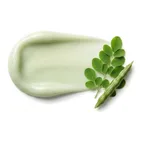 Moringa Oleifera Seed Extract
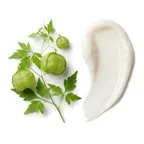 Cardiospermum Halicacabum Extract
Superior
- SuperiorNormal Skin Fit
- SuperiorEffectiveness
- ExcellentSafety
One of the best sunscreens for sensitive skin.
This fit is calculated for the concerns frequently associated with sensitive skin: redness, stinging, and reactions to new products. For scores and recommendations based on your full skin profile, including your 12D face scan results and any goals or preferences you have, please use the Lovi app.
Updated How the Fit score works
Lovi Assistant explains
- Excellent suitability for your normal skin and goals of reducing redness and irritation is provided by the high concentration of zinc oxide for UV protection, alongside Madecassoside and Cardiospermum Halicacabum Vine Extract Flower Leaf for targeted soothing and anti-inflammatory effects.
- Sodium Hyaluronate and Moringa Oleifera Seed Extract further enhance hydration and skin barrier support, complementing the calming properties for overall skin comfort.
- The formulation is exceptionally safe for your sensitive skin, free from harsh ingredients and enriched with soothing components.
How to apply
- Apply this sunscreen during your AM routine every morning. Reapply every two hours if you are staying outdoors under direct sunlight.
- Order in routine: apply the sunscreen as the final step after your moisturizer and before applying makeup.
- Application method: gently press a nickel-sized amount over your face and neck without harsh rubbing.
- Skin condition guidance: apply the sunscreen directly onto dry skin for even coverage and reliable sun protection.
- Safety note: avoid direct contact with your eyes and do a patch test before first use to check for sensitivity.
People Say
★3.9Overall rating based on 200+ reviewsThis physical sunscreen is highly praised by users with sensitive skin for its gentle, non-irritating formula featuring soothing ingredients like bamboo water and madecassoside. Its 100% zinc oxide composition frequently results in a noticeable white cast, particularly on darker skin tones, and some users with dry skin report it can feel tight or cling to dry patches throughout the day.
Highlights
Gentle & Non-Irritating Mostly Mentioned
- “great for sensitive skin”
- “never stings my eyes”
- “very soothing”
- “no irritation at all”
Visible white cast Mostly Mentioned
- “noticeable white cast”
- “looks ghostly”
- “not for dark skin”
- “tone-up effect is too strong”
Non-Sticky Finish Often Mentioned
- “not sticky”
- “smooth matte finish”
- “feels lightweight”
- “no greasy residue”
Creamy Texture Sometimes Noted
- “spreads easily”
- “creamy consistency”
- “blends well”
- “smooth application”
Eye Friendly Sometimes Noted
- “doesn't sting eyes”
- “safe for eye area”
- “no tears”
Drying sensation Sometimes Noted
- “clings to dry patches”
- “feels tight later”
- “drying for dry skin”
- “emphasizes texture”
Difficult removal Rarely Noted
- “hard to wash off”
- “needs oil cleanser”
- “water resistant”
- “requires double cleansing”
Greasy/Shiny Rarely Noted
- “shiny afternoon”
- “greasy on t-zone”
- “too dewy”
Sources: lovi.care, gopicky.com, stylevana.com, yesstyle.com, reddit.com, incidecoder.com, and more
Questions and answers
What makes make p:rem Calming Sun Cream one of the best fits for sensitive skin?
This sunscreen is one of the best fits for sensitive skin because it uses a high concentration of zinc oxide for gentle UV protection alongside madecassoside to help calm redness and irritation. Sodium hyaluronate and moringa oleifera seed extract further support hydration and comfort, while the formula avoids harsh ingredients to ensure an exceptionally safe experience.
Which ingredients make this cream a good fit for sensitive skin?
Zinc oxide provides gentle UV protection, while Madecassoside and Cardiospermum Halicacabum extract help calm redness and irritation on sensitive skin. Additionally, sodium hyaluronate and moringa oleifera seed extract support hydration and keep the skin barrier comfortable.
What does Zinc Oxide do for sensitive skin?
Zinc oxide helps calm sensitive, easily irritated skin and reduce redness by protecting against UV rays and soothing inflammation. It is generally safe and well-tolerated, though certain nanoparticle forms may occasionally cause irritation or barrier issues during long-term exposure.
What does Hyaluronic Acid do for sensitive skin?
Hyaluronic acid helps calm and hydrate sensitive skin while making it feel soft and smooth. It improves dryness and surface texture, and is unlikely to cause irritation.
Journal of Cosmetic Dermatology, 2018Journal of Drugs in Dermatology, 2025
Where does this cream go in a skincare routine for sensitive skin?
This cream goes in the morning routine as the final moisturizing sun protection step, coming after your cleanser and soothing toner. It helps shield your face from UV rays while keeping your skin calm and comfortable.
Can I use this cream with retinol, and in what order?
Yes, you can use this soothing sunscreen with your retinol, and you should apply it as the last step in your morning routine after your retinol treatment has absorbed. Zinc oxide and madecassoside help keep skin calm, making this a safe pairing that is unlikely to cause irritation.
How often should I use this cream?
You can use this sunscreen every morning as the final step in your daytime routine. Its gentle mineral formula and soothing ingredients are safe for daily sun protection on easily irritated skin.
Can this cream clog pores, cause breakouts or purging for sensitive skin?
This cream is unlikely to clog pores or cause breakouts for sensitive skin because it avoids harsh ingredients and features gentle, soothing components. It also helps calm irritation and redness, though reviewers sometimes note a visible white cast.
Is this cream fragrance-free and alcohol-free?
Yes, it has no fragrance and no drying alcohol.
What the research says
Co-delivery of paeonol and madecassoside via nanoemulsions improved transdermal delivery, promoted barrier repair proteins, inhibited inflammatory cytokine secretion in cellular and 3D models, and reduced transepidermal water loss and acne in human facial skin compared to free components.
Molecules, 2023Biomimetic hyaluronic acid-stabilized zinc oxide nanoparticles selectively inhibited C. acnes, outperformed erythromycin in preclinical acne models, and safely reduced acne lesions and redness in a clinical trial.
Journal of Controlled Release, 2025Cosmetic formulations containing 5% Centella asiatica extract showed the best efficacy in improving skin moisture and decreasing transepidermal water loss, while also exhibiting antiinflammatory properties in 25 volunteers compared to baseline measurements.
Indian Journal of Pharmaceutical Sciences, 2016Emulgels containing Perilla frutescens seed oil, Moringa oleifera seed oil, and mixed seed oil microemulsions exhibit good stability, lack of cytotoxicity in PBMC, and no skin irritation or allergic reactions in human subjects.
Polymers, 2022A single application of a moisturizing fluid containing hyaluronic acid 1%, glycerin 5%, and Centella asiatica stem cells extract significantly increased skin hydration by 29% and reduced transepidermal water loss at 24 hours compared to baseline and an untreated control site in twenty healthy women.
Clinical, Cosmetic and Investigational Dermatology, 2017Topical 0.5% hyaluronic-ZnO nanogel applied twice daily reduced inflammatory-lesion counts by 58% at week four in human subjects compared to baseline without causing erythema.
Biomedicines, 2025Daily use of a deep cleansing gel containing salicylic acid 2%, zinc gluconate 0.2% and lipohydroxy acid 0.05% significantly reduced total lesion count by 56.3% after 84 days in 35 subjects with mild to moderate truncal acne.
Clinical, Cosmetic and Investigational Dermatology, 2023Topical zinc oxide nanogels formulated using Dendrobium anosmum showed greater effectiveness against Gram-positive acne-causing bacteria compared to chemogenic nanoparticles.
Molecules, 2023Topical application of 0.1% hyaluronic acid formulations of different molecular weights led to significant improvements in skin hydration and elasticity, with low-molecular-weight formulations also significantly reducing wrinkle depth in seventy-six female subjects compared to a vehicle control.
Journal of Drugs in Dermatology, 2011Topical hyaluronic acid serum used twice daily by 40 females with facial photoaging produced an immediate 134% increase in skin hydration, a sustained 55% increase at week 6, and significant improvements in smoothness, plumping, fine lines, wrinkles, and global appearance without causing irritation.
Dermatology and Therapy, 2021A topical antioxidant serum significantly reduced air pollution-induced skin pigmentation and proinflammatory gene expression ex vivo, and improved skin aging signs in 40 healthy adult females after 90 days of daily use.
Journal of Cosmetic Dermatology, 2022Topical treatment with 5% vitamin C and 0.1% madecassoside significantly improved clinical scores for wrinkles, suppleness, firmness, roughness, and skin hydration, along with functional and structural remodeling of the elastic fiber network in 20 female volunteers with photoaged skin after 6 months compared to baseline.
Experimental Dermatology, 2008Treatment with an asiaticoside-containing cream applied twice daily for 12 weeks significantly improved periorbital wrinkles in 65% of 27 female volunteers compared to a vehicle control cream.
International Journal of Cosmetic Science, 2008A combination serum containing galactomyces ferment filtrate, dexpanthenol, and Centella asiatica effectively treated post-acne hyperpigmentation in subjects with colored skin by significantly increasing lightness scores in Fitzpatrick skin type V and reducing the melanin index in Fitzpatrick skin type IV compared to placebo.
Skinmed, 2021Moringa oleifera leaf extracts provided significant UV protection with an SPF of 2 at 2% to 4% concentrations and showed no significant irritant potential in cosmetic formulations.
Molecules, 2018Encapsulating Moringa oleifera Lam. isothiocyanate in flexible nanoliposomes modified with amphiphilic hyaluronic acid conjugated with ceramide improved entrapment efficiency, particle size, skin permeation, and cellular uptake while protecting HaCaT cells against UVB-induced photoaging damage.
Drug Delivery, 2022Moringa oleifera leaf extracts at concentrations up to 5% increase cell proliferation and metabolism, reduce oxidative stress, and improve the safety of a 1% SCS cosmetic formulation by reducing skin irritation.
Dermatology Research and Practice, 2020Pretreatment with Cardiospermum halicacabum extract ameliorated UVB-triggered cellular senescence, inhibited intracellular ROS generation, restored mitochondrial respiratory function, and suppressed the hyperactivation of the PI3K/Akt/mTOR signaling cascade in human skin fibroblasts.
International Journal of Molecular Sciences, 2026
Ingredients
Water, Zinc Oxide, Cyclohexasiloxane, Butyloctyl Salicylate, Propanediol, Propylheptyl Caprylate, Isododecane, Polyglyceryl-3 Polydimethylsiloxyethyl Dimethicone, Caprylyl Methicone, Disiloxane, Moringa Oleifera Seed Extract, Cardiospermum Halicacabum Vine Extract Flower Leaf, Rosmarinus Officinalis Leaf Extract Rosemary Leaf Extract, Sodium Hyaluronate, Bambusa Vulgaris Water, Ribes Nigrum Seed Oil, Helianthus Annuus Seed Oil Sunflower Seed Oil, Madecassoside, Fructan, Biosaccharide Gum-4, Pyrus Communis Fruit Extract, Prunus Persica Fruit Extract, Cucumis Melo Fruit Extract, Hedera Helix Stem Extract Leaf, Rosa Damascena Flower Water, Jasmine Flower Water, Disteardimonium Hectorite, Magnesium Sulfate, Triethoxycaprylylsilane, 1,2-Hexanediol, Polyglyceryl-2 Dipolyhydroxystearate, Polymethylsilsesquioxane, Lauryl Polyglyceryl-3 Polydimethylsiloxyethyl Dimethicone, Glyceryl Caprylate, Caprylyl Glycol, Ethylhexylglycerin, Tocopherol, Octyldodecanol, Maltodextrin, Butylene Glycol
Behind this fit score
Lovi calculates every fit score from the full ingredient list with brand-independent rules our dermatologists and cosmetic chemists build and review, and personalizes every pick with AI trained on the real results of millions of users. Lovi trains its fit score models on a proprietary dataset built from more than 10,000 expert-labeled products and more than 100,000 simulated examples, following an internally consistent methodology presented at Cosmoprof, AMWC, and Skin of Color Update.
-

Co-founder, Medical Director
Cosmetic chemist, cosmetologist, aesthetic products developer
-

Co-founder, CEO and CTO
PhD in computer science, 3x US patent holder, ex-Google, ex-Yandex
-

Dr. Sofía Perea Pérez, MD, MSc
Medical Board
Aesthetic medicine practitioner, MSc in Longevity and Anti-Aging Medicine
-

Medical Board
Specialist dermatologist, MBBS, MD, IFAAD
-

Medical Board
Cosmetic chemist, SCS, IFSCC member
-

Medical Board, Medical Advisor
Dermatology MD
-

Elina Nazarenko, MD
Medical Board
Dermatology and diagnostic consultant
-

Victoria Derkova, MS
Medical Board
Cosmetic chemist, cosmetic development technologist


How does it fit your skin?
Scan your face, then any product: Lovi shows how well it fits you and what fits even better.