
MAC Cleanse Off Oil for acne-prone skin

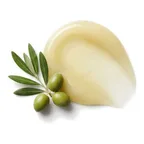 Olea Europaea Oil Fruit Olive Oil Fruit
 Squalane
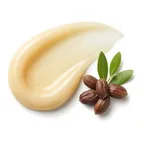 Jojoba Seed Oil
 Tocopherol
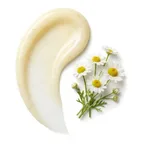 Chamomilla Recutita Oil Flower Matricaria Oil Flower
Average
- AverageCombination Skin Fit
- AverageEffectiveness
- ExcellentSafety
Works for acne-prone skin; other pre-cleansers fit it better.
This fit is calculated for the concerns frequently associated with acne-prone skin: breakouts, blackheads, and post-acne marks. For scores and recommendations based on your full skin profile, including your 12D face scan results and any goals or preferences you have, please use the Lovi app.
Updated How the Fit score works
Lovi Assistant explains
- Offers moderate suitability for your combination skin, as Cetyl Ethylhexanoate and Olea Europaea Oil Fruit effectively dissolve makeup, while Squalane and Olea Europaea Oil Fruit provide emollient action that may not sufficiently regulate oil in your oilier areas.
- While it provides general cleansing and hydration, it lacks targeted ingredients like salicylic acid to effectively address your acne, blemishes, and breakouts.
- The product is safe for your combination skin due to the absence of harsh ingredients and the inclusion of soothing agents like Chamomilla Recutita Oil Flower and Lavandula Angustifolia Oil.
How to apply
- Use this makeup remover PM as the first step of your evening routine to clear away dirt and oil. Start 3x/week and work up to daily use if your combination skin tolerates it well.
- Apply this makeup remover before cleansing and using the rest of your skin products. This ensures all makeup and impurities are fully washed away.
- Gently press a small amount of the makeup remover onto your face using a soft cotton pad. Avoid rubbing the skin too harshly to prevent irritation.
- Apply the makeup remover on dry skin to easily dissolve makeup and clear out blemishes. There is no need to dampen your face beforehand.
- Do a patch test before first use to ensure your skin reacts well. Avoid the delicate eye area while applying.
People Say
★4.3Overall rating based on 700+ reviewsThis cleansing oil is highly effective at removing stubborn waterproof makeup, leaving skin feeling moisturized and balanced, which is particularly appreciated by those with sensitive and oily skin. A notable concern is that the product has reportedly been discontinued, and some users have experienced temporary blurry vision after use.
Highlights
Effective makeup removal Mostly Mentioned
- “Removes every single trace of eye makeup”
- “melts away makeup without harsh scrubbing”
- “cuts through waterproof mascara”
Non-drying and gentle Often Mentioned
- “Leaves skin soft and fresh”
- “doesn't strip my face of moisture”
- “gentle enough for sensitive skin”
Rinses clean Often Mentioned
- “Rinses clean with no greasy feel”
- “leaves no residue”
- “emulsifies well with water”
Temporary blurry vision Often Mentioned
- “Makes my eyes all foggy”
- “clouded up my eyes”
- “vision blurry for a couple of minutes”
Long-lasting value Sometimes Noted
- “Bottle lasts forever”
- “a little goes a long way”
- “lasts me for 10-11 months”
High price point Sometimes Noted
- “On the expensive side”
- “price is a bit wicked”
- “steep price for a cleanser”
Product discontinued Sometimes Noted
- “Discontinued a while back”
- “currently unavailable”
- “Hyper Real replacement is awful”
Occasional breakouts Rarely Noted
- “Made me breakout”
- “caused whiteheads”
- “ingredients are disappointing for my skin”
Sources: lovi.care, cozycot.com, macys.com, temptalia.com, nordstrom.com, hwahae.co.kr, and more
Questions and answers
How well does MAC Cleanse Off Oil work for acne-prone skin?
MAC Cleanse Off Oil works moderately well for acne-prone skin because it effectively removes makeup and cleanses, but it lacks targeted ingredients like salicylic acid to properly clear blemishes and regulate oil in oilier areas. An acne-prone skin type needs a product formulated with nourishing oils and extracts that provide soothing properties, along with active ingredients like salicylic acid or hyaluronic acid to address breakouts without feeling too heavy.
Which ingredients make this cleanser a good fit for acne-prone skin?
Cetyl Ethylhexanoate and olive oil fruit in MAC Cleanse Off Oil effectively dissolve makeup, while squalane and olive oil fruit soften the skin. However, because it lacks targeted ingredients like salicylic acid to address breakouts, an acne-prone skin type needs a cleanser with specialized blemish-fighting components and soothing plant oils that clean without clogging pores.
What does Olive Oil do for acne-prone skin?
Olive oil is a poor fit for acne-prone skin because it can clog pores and disrupt the skin barrier. A product for this skin needs lightweight ingredients that help keep pores clear and balance oil without causing irritation.
What does Squalane do for acne-prone skin?
Squalane helps keep acne-prone skin soft and calm without feeling heavy or greasy, as it is very similar to the skin's natural oils and is unlikely to clog pores. However, pure squalene that is exposed to air can sometimes oxidize and trigger irritation, so acne-prone skin needs fresh, stable formulas combined with soothing antioxidants to stay clear and balanced.
The Journal of Investigative Dermatology, 2006Journal of Nanobiotechnology, 2025
Where does it go in a skincare routine for acne-prone skin?
It goes in your evening routine as the first step to take off makeup before you cleanse. Acne-prone skin needs a makeup remover paired with salicylic acid to clear breakouts and ingredients that balance oil.
Can I use this cleanser with retinol, and in what order?
You can use this makeup remover in your evening routine before your cleanser, while keeping your retinol for your treatment step later on. This product safely removes makeup without harsh ingredients, but because it lacks targeted blemish-fighting ingredients like salicylic acid, acne-prone skin needs a product with exfoliating acids or oil-balancing agents to properly clear breakouts.
How often should I use it?
You can use this makeup remover in the evening to take off makeup and impurities before cleansing. Acne-prone skin of this type needs a makeup remover that includes salicylic acid or other blemish-clearing ingredients to properly target breakouts.
Can it clog pores, cause breakouts or purging for acne-prone skin?
Yes, MAC Cleanse Off Oil may occasionally cause breakouts on acne-prone skin because it lacks targeted ingredients like salicylic acid to effectively clear blemishes, and features oils that may not regulate oil enough. A product for this skin needs salicylic acid and oil-balancing ingredients to help keep pores clear.
What the research says
The application of a pH-neutral gel containing organic extra virgin olive oil demonstrated similar efficacy and safety for peristomal skin hygiene compared to usual stoma hygiene gel in patients with a colostomy or ileostomy, with a statistically significant improvement observed in abnormal peristomal skin domains within the experimental group after 8 weeks.
Journal of Tissue Viability, 2023The incorporation of olive oil-loaded hydrogel particles into a cream formulation provides strong moisturizing properties and photoprotective potential when applied to healthy subjects.
Pharmaceutical Development and Technology, 2018Wild Olive Oil, Extra Virgin Olive Oil, and Virgin Olive Oil compared against liquid paraffin and rosehip oil showed that wild olive oil yielded the lowest perception of oiliness and the highest increase in skin elasticity among eight healthy volunteers.
Pharmaceutics, 2022Application of fullerene-C60 dissolved in squalane cream twice daily for 8 weeks significantly enhanced skin moisture and reduced wrinkle formation compared to placebo in 23 Japanese women without severe side effects.
Journal of Nanoscience and Nanotechnology, 2010Squalane at 0.005-0.015% counteracts UVA-induced oxidative stress, inflammation, and collagen metabolism inhibition while stimulating fibroblast migration in human dermal fibroblasts.
Molecules, 2025Plant-derived squalane protected human dermal fibroblasts against UVA-induced damage by counteracting ROS formation, suppressing apoptosis-related proteins p53, caspase-3, caspase-9, and PARP, and restoring the pro-survival p-Akt/mTOR pathway.
Antioxidants, 2025Topical formulations containing 3.75% glycerol and 1.25% hydrolyzed jojoba esters produced significantly lower evaporative TEWL values compared to glycerol alone at 8 and 24 hours posttreatment in human subjects.
Journal of Cosmetic Dermatology, 2008Topical application of 1.0% Lactobacillus ferment from jojoba cake significantly increased skin collagen fluorescence compared to baseline and placebo cream over 56 days in 46 individuals.
International Journal of Cosmetic Science, 2026Clay jojoba oil facial masks reduced total skin lesions by a mean of 54% after 6 weeks in 133 participants with acne-prone, lesioned skin and mild acne compared to baseline.
Forschende Komplementarmedizin, 2012Topical application of an antioxidant serum containing 15% ascorbic acid, 0.5% ferulic acid, and 1% tocopherol prevented particulate matter-induced degradation of extracellular matrix components, inflammation, and oxidative stress in the skin of 15 female volunteers compared to untreated controls.
Journal of Cosmetic Dermatology, 2025Dermatological products containing d-alpha tocopheryl acetate showed non-comedogenic potential with less than a 50% increase in microcomedones in 12 healthy male subjects compared to octyl palmitate.
Contemporary Clinical Trials Communications, 2021Topical application of an antioxidant mix containing 15% ascorbic acid, 0.5% ferulic acid, and 1% tocopherol prevented PM and UV-induced skin barrier perturbation, lipid peroxidation, inflammatory markers, MMP9 activation, and Type I collagen loss in 15 healthy females compared to untreated exposed skin.
Journal of Cosmetic Dermatology, 2024
Why other pre-cleansers fit acne-prone skin better
Co-delivery of paeonol and madecassoside via nanoemulsions improved transdermal delivery, promoted barrier repair proteins, inhibited inflammatory cytokine secretion in cellular and 3D models, and reduced transepidermal water loss and acne in human facial skin compared to free components.
Molecules, 2023
Ingredients
Cetyl Ethylhexanoate, Olea Europaea Oil Fruit Olive Oil Fruit, Peg-20 Glyceryl Triisostearate, Squalane, Jojoba Seed Oil, Wheat Germ Oil, Rice Germ Oil, Tocopherol, Chamomilla Recutita Oil Flower Matricaria Oil Flower, Citrus Aurantium Amara Oil, Lavandula Angustifolia Oil Lavender Oil, Oenothera Biennis Oil, Water, Rosa Canina Oil Fruit Rose Oil Fruit, Limonene
Behind this fit score
Lovi calculates every fit score from the full ingredient list with brand-independent rules our dermatologists and cosmetic chemists build and review, and personalizes every pick with AI trained on the real results of millions of users. Lovi trains its fit score models on a proprietary dataset built from more than 10,000 expert-labeled products and more than 100,000 simulated examples, following an internally consistent methodology presented at Cosmoprof, AMWC, and Skin of Color Update.
-

Co-founder, Medical Director
Cosmetic chemist, cosmetologist, aesthetic products developer
-

Co-founder, CEO and CTO
PhD in computer science, 3x US patent holder, ex-Google, ex-Yandex
-

Dr. Sofía Perea Pérez, MD, MSc
Medical Board
Aesthetic medicine practitioner, MSc in Longevity and Anti-Aging Medicine
-

Medical Board
Specialist dermatologist, MBBS, MD, IFAAD
-

Medical Board
Cosmetic chemist, SCS, IFSCC member
-

Medical Board, Medical Advisor
Dermatology MD
-

Elina Nazarenko, MD
Medical Board
Dermatology and diagnostic consultant
-

Victoria Derkova, MS
Medical Board
Cosmetic chemist, cosmetic development technologist


How does it fit your skin?
Scan your face, then any product: Lovi shows how well it fits you and what fits even better.