
ma:nyo Bifida Biome Complex Ampoule for acne-prone skin

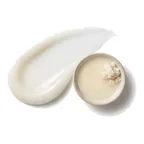 Bifida Lysate Ferment
 Niacinamide
 Sodium Hyaluronate
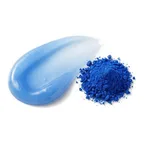 Copper Tripeptide-1
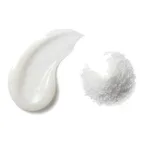 Acetyl Hexapeptide-8
High
- HighCombination Skin Fit
- HighEffectiveness
- ExcellentSafety
A great choice for acne-prone skin; a few serums fit it even better.
This fit is calculated for the concerns frequently associated with acne-prone skin: breakouts, blackheads, and post-acne marks. For scores and recommendations based on your full skin profile, including your 12D face scan results and any goals or preferences you have, please use the Lovi app.
Updated How the Fit score works
Lovi Assistant explains
- Offers moderate benefits for your combination skin, as Bifida Lysate Ferment and Niacinamide support barrier repair and seboregulation, which are beneficial for acne-prone skin.
- The multiple forms of hyaluronic acid and Bifida Ferment Filtrate provide excellent hydration and soothing effects, supporting overall skin health.
- The product is safe for your acne-prone skin, with no risks of irritation due to the absence of harsh ingredients and the presence of soothing components.
Buy online

Prices checked 20 Nov 2026
The Lovi Fit is the same in every country; only the stores and prices differ, and the ones here are for India.
How to apply
- Use your serum as part of your PM routine and start 3x/week before working up to daily use.
- Apply this treatment after cleansing and toner, and before your moisturizer.
- Gently press 2-3 drops of the serum into your skin and let it absorb for a minute.
- Apply the product on clean, dry skin to help manage your breakouts safely.
- Avoid the eye area and do a patch test before your first use.
People Say
★4.8Overall rating based on 1.3k+ reviewsBased on a very large amount of data, this ampoule is highly praised for repairing skin barriers and providing deep hydration for a glass skin effect without feeling heavy. It is a favorite for sensitive and dry skin types. A small number of users with fungal acne or sensitivity to ferments reported breakouts.
Highlights
Deep hydration Mostly Mentioned
- “gives me glass skin”
- “plumps up fine lines”
- “leaves a healthy dewy glow”
Strengthens skin barrier Mostly Mentioned
- “calmed my redness immediately”
- “restored my barrier after over-exfoliating”
- “skin feels less sensitive”
Lightweight texture Often Mentioned
- “absorbs instantly”
- “not sticky at all”
- “layers well under makeup”
Estée Lauder dupe Sometimes Noted
- “better than ANR”
- “fraction of the price of Estée Lauder”
- “same effect but cheaper”
Lack of results Sometimes Noted
- “did absolutely nothing”
- “just glorified water”
- “saw no difference after a bottle”
Caused breakouts Rarely Noted
- “gave me cystic acne”
- “triggered my fungal acne”
- “tiny whiteheads appeared”
Texture issues Rarely Noted
- “feels slightly tacky”
- “too watery for an ampoule”
- “leaves a film”
Sources: lovi.care, oliveyoung.com, iherb.com, skinsort.com, reddit.com, sokoglam.com, and more
Questions and answers
What makes ma:nyo Bifida Biome Complex Ampoule a great fit for acne-prone skin?
This product is a great fit because ingredients like Bifida Lysate Ferment and Niacinamide help repair your skin barrier and balance oil production. Multiple forms of hyaluronic acid provide deep hydration while soothing components help calm acne-prone skin without causing irritation.
Journal of Cosmetic Dermatology, 2023International Journal of Biological Macromolecules, 2018
Which ingredients make this serum a good fit for acne-prone skin?
Bifida Lysate Ferment and Niacinamide make this serum a great fit for your acne-prone skin because they help repair your skin barrier and keep oil balanced. Multiple forms of hyaluronic acid and soothing ferments also provide deep hydration while keeping irritation very unlikely.
What does Bifida Ferment Lysate do for acne-prone skin?
Bifida Ferment Lysate helps acne-prone skin by calming redness and keeping the skin barrier strong. This ingredient may also support the skin's defenses against irritation, making it less likely to flare up.
Journal of Cosmetic Dermatology, 2023Experimental Dermatology, 2010
What does Niacinamide do for acne-prone skin?
Niacinamide helps acne-prone skin by reducing both inflamed and uninflamed breakouts and calming redness. It is also very helpful for keeping oily skin balanced by cutting down on excess oil production, and it is well tolerated by most people.
Where does this serum go in a skincare routine for acne-prone skin?
This treatment goes in the evening routine after cleansing and toning, and before moisturizing. Putting it in the evening helps keep things simple and safe around sun exposure, though some treatments like this can also be used in the morning or twice a day.
Can I use this serum with retinol, and in what order?
Yes, you can use this serum with retinol by applying the serum first to calm your skin and support your skin barrier, followed by your retinol. This product helps provide soothing hydration and is unlikely to cause irritation on acne-prone skin.
Journal of Cosmetic Dermatology, 2023Dermatologic Therapy, 2022
How often should I use this serum?
This treatment is a great fit for your acne-prone skin and is used in the evening routine. The formula helps calm and hydrate your skin while supporting barrier repair with virtually no risk of irritation.
Clinical, Cosmetic and Investigational Dermatology, 2023Journal of Cosmetic Dermatology, 2023
Can this serum clog pores, cause breakouts or purging for acne-prone skin?
This serum is a great fit because its ingredients help repair the skin barrier and balance oil, and it is considered very safe for acne-prone skin without harsh ingredients that cause irritation. A few reviewers report breakouts, but the formula generally helps keep skin calm and hydrated.
Is this serum fragrance-free and alcohol-free?
Yes, it has no fragrance and no drying alcohol.
What the research says
Topical application of Bifida Ferment Lysate strengthens the skin barrier function by upregulating barrier and antimicrobial peptide genes, exhibiting strong antioxidant properties, and decreasing inflammatory cytokine secretion in vitro.
Journal of Cosmetic Dermatology, 2023Topical hyaluronic acid filler serum combined with Botulinum toxin type A lengthened the duration of the toxin's effect in reducing wrinkles compared to Botulinum toxin type A alone.
Dermatologic Therapy, 2022Hyaluronic acid-based formulations exhibit remarkable anti-wrinkle, anti-aging, and skin rejuvenating effects via soft tissue augmentation, improved skin hydration, and face volume restoration.
International Journal of Biological Macromolecules, 2018The combination of Thermus thermophilus and Bacillus subtilis mixed-culture ferment extract and copper tripeptide-1 GHK-Cu reduced inflammatory cytokines, protected skin explants from UV-induced damage, and improved wrinkles and skin barrier conditions compared to individual components or controls.
Skin Research and Technology, 2026Copper applied transdermally as a tripeptide on human skin ex vivo permeated the tissue and was retained in amounts potentially effective for treating inflammatory diseases.
Inflammation Research, 2010Topical nicotinamide prevented solar-simulated UV-induced immunosuppression in healthy volunteers, and men experienced immunosuppression at solar-simulated UV doses three times lower than those required for women.
The Journal of Investigative Dermatology, 2008Topical 5% niacinamide applied twice daily for 12 weeks reduced fine lines and wrinkles, hyperpigmented spots, red blotchiness, and skin sallowness, and improved skin elasticity compared to vehicle control in 50 female white subjects with facial photoaging.
Dermatologic Surgery, 2005Topical 2% niacinamide significantly decreased sebum excretion rate in Japanese individuals and casual sebum levels in Caucasian individuals compared to placebo or baseline.
Journal of Cosmetic and Laser Therapy, 2006Topical application of 0.1% hyaluronic acid formulations of different molecular weights led to significant improvements in skin hydration and elasticity, with low-molecular-weight formulations also significantly reducing wrinkle depth in seventy-six female subjects compared to a vehicle control.
Journal of Drugs in Dermatology, 2011Topical hyaluronic acid serum used twice daily by 40 females with facial photoaging produced an immediate 134% increase in skin hydration, a sustained 55% increase at week 6, and significant improvements in smoothness, plumping, fine lines, wrinkles, and global appearance without causing irritation.
Dermatology and Therapy, 2021A topical antioxidant serum significantly reduced air pollution-induced skin pigmentation and proinflammatory gene expression ex vivo, and improved skin aging signs in 40 healthy adult females after 90 days of daily use.
Journal of Cosmetic Dermatology, 2022Treatment with cross-linked hyaluronic acid-based microneedle patches combined with acetyl hexapeptide-8 or epidermal growth factor significantly improved wrinkles and skin hydration compared to the patch alone in Korean females over 29 days.
Annals of Dermatology, 2019Argireline treatment twice daily for 4 weeks produced a significant anti-wrinkle effect with 48.9% total efficacy and decreased skin roughness in Chinese subjects compared with 0% efficacy and no decrease in roughness in the placebo group.
American Journal of Clinical Dermatology, 2013Acetyl hexapeptide-3 and tripeptide-10 citrulline demonstrated antiwrinkle efficacy and decreased transepidermal water loss in twenty-four healthy volunteers compared to control groups, though synergistic effects between the two peptides remained unclear.
Journal of Cosmetic Dermatology, 2017
Ingredients
Bifida Lysate Ferment, Butylene Glycol, Bifida Ferment Filtrate, Lactobacillus Lysate Ferment, Lactococcus Lysate Ferment, Saccharomyces Ferment Filtrate, Glycerin, Niacinamide, 1,2-Hexanediol, Lactobacillus Pumpkin Fruit Ferment Filtrate, Aureobasidium Pullulans Ferment, Sodium Hyaluronate, Sodium Hyaluronate Crosspolymer, Sodium Acetylated Hyaluronate, Hydrolyzed Sodium Hyaluronate, Potassium Hyaluronate, Hydrolyzed Hyaluronic Acid, Hydroxypropyltrimonium Hyaluronate, Leontopodium Alpinum Callus Culture Extract, Cutibacterium Granulosum Extract Ferment Filtrate, Asiaticoside, Asiatic Acid, Madecassic Acid, Pentylene Glycol, Squalane, Hydrogenated Lecithin, Copper Tripeptide-1, Tromethamine, Acetyl Hexapeptide-8, Propanediol, Ethylhexylglycerin, Dextrin, Water, Caffeine, Benzyl Glycol, Sodium Phytate, Hydrolyzed Algin, Xanthan Gum, Epigallocatechin Gallate, Carbomer, Physalis Alkekengi Calyx Extract, Hydrolyzed Glycosaminoglycans, Polyglyceryl-10 Laurate, Theobroma Cacao Seed Extract, Adenosine
Behind this fit score
Lovi calculates every fit score from the full ingredient list with brand-independent rules our dermatologists and cosmetic chemists build and review, and personalizes every pick with AI trained on the real results of millions of users. Lovi trains its fit score models on a proprietary dataset built from more than 10,000 expert-labeled products and more than 100,000 simulated examples, following an internally consistent methodology presented at Cosmoprof, AMWC, and Skin of Color Update.
-

Co-founder, Medical Director
Cosmetic chemist, cosmetologist, aesthetic products developer
-

Co-founder, CEO and CTO
PhD in computer science, 3x US patent holder, ex-Google, ex-Yandex
-

Dr. Sofía Perea Pérez, MD, MSc
Medical Board
Aesthetic medicine practitioner, MSc in Longevity and Anti-Aging Medicine
-

Medical Board
Specialist dermatologist, MBBS, MD, IFAAD
-

Medical Board
Cosmetic chemist, SCS, IFSCC member
-

Medical Board, Medical Advisor
Dermatology MD
-

Elina Nazarenko, MD
Medical Board
Dermatology and diagnostic consultant
-

Victoria Derkova, MS
Medical Board
Cosmetic chemist, cosmetic development technologist


How does it fit your skin?
Scan your face, then any product: Lovi shows how well it fits you and what fits even better.