
Lush Mask of Magnaminty for skin with dark spots

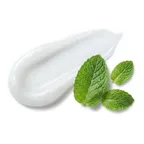 Peppermint Oil
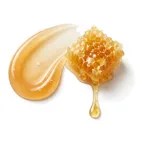 Honey
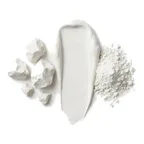 Kaolin
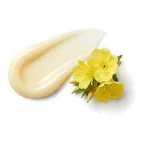 Oenothera Biennis Oil
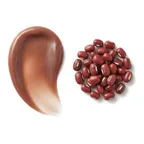 Ground Aduki Beans
Caution
- AverageNormal Skin Fit
- AverageEffectiveness
- ConcerningSafety
A poor match for skin with dark spots; the cleansing masks alongside fit it better.
This fit is calculated for the concerns frequently associated with dark spots: hyperpigmentation, sun spots, and uneven skin tone. For scores and recommendations based on your full skin profile, including your 12D face scan results and any goals or preferences you have, please use the Lovi app.
Updated How the Fit score works
Lovi Assistant explains
- Offers moderate cleansing for your normal skin due to kaolin and bentone gel hectorite gel absorbing excess oil and impurities, but lacks specialized ingredients to effectively address your pigmentation concerns.
- Glycerin provides humectant action for general skincare benefits like hydration, though insufficient emollient ingredients mean it does not offer optimal nourishment.
How to apply
- Use this cleansing mask once a week to start, and increase frequency only if your skin feels fine.
- Apply the cleansing mask in your weekly routine after the cleanser and enzyme powder, but before the hydrating toner.
- Spread an even layer over your face while carefully avoiding the delicate eye area.
- Apply the cleansing mask to clean and dry skin for the best and most comfortable results.
- Always do a patch test before your first use and avoid combining it with strong acids.
People Say
★4.6Overall rating based on 2.0k+ reviewsBased on a very large amount of data, this mask is widely celebrated by users with oily and acne-prone skin for its ability to deep clean pores and reduce redness without being overly harsh. Most users report a refreshing, tingly sensation and clearer complexion, though a minority with very sensitive or dry skin found it irritating or too drying.
Highlights
Refreshing tingly sensation Mostly Mentioned
- “feels like a party on my face”
- “delightfully cooling and tingly”
- “wakes up my tired skin”
Clears acne & pores Often Mentioned
- “stopped pimples from blossoming”
- “cleared my blackheads better than others”
- “dried up my spots overnight”
Smells like mint Often Mentioned
- “smells like mint chocolate chip ice cream”
- “scent is utterly delightful”
- “delicious minty chocolatey goodness”
Gentle exfoliation Sometimes Noted
- “aduki beans give a nice scrub”
- “leaves skin baby soft”
- “smooths texture without scratching”
Reduces redness Sometimes Noted
- “calmed my red cheeks”
- “inflammation went down significantly”
- “skin looks less angry”
Can be drying Sometimes Noted
- “left my face feeling tight”
- “sucked the life out of my dry skin”
- “need a heavy moisturizer afterwards”
Chunky/messy texture Sometimes Noted
- “beans get stuck in my hair”
- “messy to wash off in the sink”
- “leaves green flecks everywhere”
Caused breakouts Rarely Noted
- “broke me out like crazy”
- “gave me painful cystic acne”
- “irritated my sensitive skin”
Short shelf life Rarely Noted
- “expired before I could finish it”
- “went bad in three months”
- “hard to use up the big tub in time”
Sources: lovi.care, lush.com, influenster.com, shespeaks.com, makeupalley.com, reddit.com, and more
Questions and answers
Why does Lovi advise caution with Lush Mask of Magnaminty for skin with dark spots?
Lovi advises caution because this mask lacks specialized ingredients to effectively target dark spots and does not offer optimal nourishment. A cleansing mask for skin with dark spots needs ingredients like niacinamide and centella asiatica to soothe irritation and promote clarity.
Which ingredients make this mask a poor fit for skin with dark spots?
This mask is a poor fit for skin with dark spots because it lacks specialized ingredients to effectively address pigmentation concerns. A product of this type needs soothing and clarifying ingredients like niacinamide and centella asiatica to help promote clarity.
What does Peppermint Oil do for skin with dark spots?
Peppermint oil is unlikely to directly improve dark spots on your skin, as studies primarily support its use for soothing chronic itching rather than brightening pigmentation. To effectively fade dark spots, this skin type needs targeted brightening ingredients like olive extract or hydroquinone paired with daily sun protection.
What does Honey do for skin with dark spots?
Where does this mask go in a skincare routine for skin with dark spots?
This mask is a poor match for skin with dark spots because it lacks specialized ingredients to fade dark spots and nourish this skin effectively. Skin with dark spots needs brightening ingredients like vitamin C or niacinamide and nourishing, smoothing moisturizers.
Can I use this mask with retinol, and in what order?
You should use caution when using this cleansing mask with retinol because it lacks specialized ingredients for dark spots and may cause dryness or irritation. To properly address dark spots, this skin type needs a nourishing mask with targeted brightening ingredients used on alternating days from your retinol treatment.
How often should I use this mask?
This mask requires caution on skin with dark spots because it lacks specialized ingredients to fade pigmentation while cleansing normal areas. To safely care for this skin type, a product of this type needs targeted brightening ingredients alongside nourishing oils to support an even skin tone.
Can this mask clog pores, cause breakouts or purging for skin with dark spots?
This mask may cause breakouts for skin with dark spots since it can leave skin dry and lacks enough nourishing ingredients. A cleansing mask for this skin needs gentle clays to clear pores along with brightening ingredients to help fade dark spots without causing dryness.
What the research says
A single application of a moisturizing fluid containing hyaluronic acid 1%, glycerin 5%, and Centella asiatica stem cells extract significantly increased skin hydration by 29% and reduced transepidermal water loss at 24 hours compared to baseline and an untreated control site in twenty healthy women.
Clinical, Cosmetic and Investigational Dermatology, 2017Cooling skin temperature or applying topical menthol reduced histamine-induced itch intensity and flare diameters in healthy male volunteers.
Neuroscience Letters, 1995Topical application of isolated menthol reduced perceived exertion, pain, and thermal sensation while increasing distraction compared to placebo or menthol-capsaicin co-application in ten participants cycling in the heat, with no effect on time to exhaustion or thermo-physiological responses.
European Journal of Sport Science, 2023Transdermal administration of lappaconitine-loaded peppermint oil-mediated phytosterol-glycerosomes improved the treatment efficacy of xylene-induced inflammation in mice without skin irritation by enhancing transdermal permeation through alteration of stratum corneum lipids.
Drug Delivery and Translational Research, 2023Topical application of a honey, olive oil, and beeswax mixture three times daily for up to 4 weeks resulted in clinical responses in 86% of patients with pityriasis versicolor, 78% with tinea cruris, and 75% with tinea corporis.
Complementary Therapies in Medicine, 2004Romanian honey varieties rich in phenolics exhibited anti- and pro-inflammatory effects, dose-dependent pro-proliferative effects, stimulated collagen synthesis, and enhanced cell migration in macrophage-like, fibroblast, and keratinocyte cell lines.
Life, 2024Topical application of Melipona marginata honey extract (1.0 mg/ear) reduced 12-O-tetradecanoylphorbol-13-acetate-induced ear edema by 54%, myeloperoxidase activity by 75%, and reactive oxygen species production by 55% in mice compared to the induced model.
Journal of Medicinal Food, 2014Vectorization of high molecular weight hyaluronic acid with clay enabled its penetration into deeper skin layers and led to a significant clinical reduction in fine lines in the crow's feet area compared to placebo after 28 days.
Skin Research and Technology, 2024Twice-weekly use of a clay mask over 4 weeks in 75 adults with oily or combination skin improved acne-related outcomes, sebum content, skin evenness, hydration, and reduced dryness and irritation.
Skin Research and Technology, 2023Palygorskite clay as a nanocarrier for tea tree oil achieved efficient loading, reduced acute contact toxicity, targeted antimicrobial effects against dermal pathogens, and pronounced clinical efficacy in treating facial acne compared to unformulated oil.
International Journal of Pharmaceutics, 2022Electrospun poly (vinyl butyral-co-vinyl alcohol-co-vinyl acetate) patches loaded with evening primrose oil applied to the forearm of volunteers for 6 hours increased skin moisture, with pore size, shape, and fiber diameter influencing oil transport.
Biomaterials Advances, 2022Combining poly(3-hydroxybutyrate-co-3-hydroxyvalerate) electrospun fibers with evening primrose oil into patches enhanced mechanical properties and increased skin hydration.
Journal of Materials Chemistry. B, 2022A topical preparation containing urea, sunflower oil, evening primrose oil, wheat germ oil, and sodium pyruvate led to clinical improvement after a month in diverse hyperkeratotic skin conditions except pityriasis lichenoides.
Medicina Cutanea Ibero-latino-americana, 1986Application of Phaseolus angularis seed extract (PASE) cream led to significant decreases in eye wrinkle roughness parameters (R1, R4, and R5 by 18.1%, 18.6%, and 25.0%) and nearly doubled skin moisture improvement compared to placebo in 21 healthy adult women over 12 weeks.
International Journal of Cosmetic Science, 2024Phaseolus angularis seed extract treatment at 100 µg/mL counteracted UVB-induced damage in HaCaT keratinocytes by reducing ROS formation, MMP-1, and MMP-3 expression while increasing procollagen type I production compared to untreated UVB-exposed cells.
Molecules, 2023
Ingredients
Bentone Gel Hectorite Gel, Chlorophyllin, Oenothera Biennis Oil, Glycerin, Ground Aduki Beans Phaseolus Angularis, Honey, Kaolin, Limonene, Peppermint Oil, Talc, Vanilla Vanilla Planifolia, Methylparaben, Tagetes Oil Tagetes Minuta Oil
Behind this fit score
Lovi calculates every fit score from the full ingredient list with brand-independent rules our dermatologists and cosmetic chemists build and review, and personalizes every pick with AI trained on the real results of millions of users. Lovi trains its fit score models on a proprietary dataset built from more than 10,000 expert-labeled products and more than 100,000 simulated examples, following an internally consistent methodology presented at Cosmoprof, AMWC, and Skin of Color Update.
-

Co-founder, Medical Director
Cosmetic chemist, cosmetologist, aesthetic products developer
-

Co-founder, CEO and CTO
PhD in computer science, 3x US patent holder, ex-Google, ex-Yandex
-

Dr. Sofía Perea Pérez, MD, MSc
Medical Board
Aesthetic medicine practitioner, MSc in Longevity and Anti-Aging Medicine
-

Medical Board
Specialist dermatologist, MBBS, MD, IFAAD
-

Medical Board
Cosmetic chemist, SCS, IFSCC member
-

Medical Board, Medical Advisor
Dermatology MD
-

Elina Nazarenko, MD
Medical Board
Dermatology and diagnostic consultant
-

Victoria Derkova, MS
Medical Board
Cosmetic chemist, cosmetic development technologist


How does it fit your skin?
Scan your face, then any product: Lovi shows how well it fits you and what fits even better.