
Lush Grease Lightning for acne-prone skin

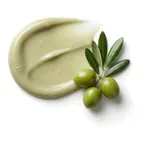 Oil Tree
 Aloe Barbadensis Gel
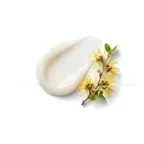 Witch Hazel Extract
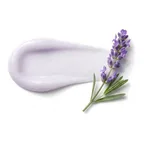 Lavender Oil
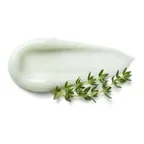 Thyme Infusion
Average
- HighCombination Skin Fit
- AverageEffectiveness
- HighSafety
Works for acne-prone skin; other serums fit it better.
This fit is calculated for the concerns frequently associated with acne-prone skin: breakouts, blackheads, and post-acne marks. For scores and recommendations based on your full skin profile, including your 12D face scan results and any goals or preferences you have, please use the Lovi app.
Updated How the Fit score works
Lovi Assistant explains
- Offers moderate treatment for your acne-prone skin as Melaleuca Alternifolia Water and Witch Hazel Extract help reduce blemishes, while Aloe Barbadensis Gel and Sea Water provide general hydration and soothing benefits.
- This formula is highly suitable for your combination skin due to the antimicrobial and anti-inflammatory actions of Melaleuca Alternifolia Water and Witch Hazel Extract.
- The safety profile is excellent, with no risks of irritation for your acne-prone skin due to the absence of harsh ingredients and the presence of soothing components like lavender oil and witch hazel extract.
How to apply
- Use your serum as part of your PM routine and start 3x/week before working up to daily use.
- Apply this treatment after cleansing and toner, and before your moisturizer.
- Gently press 2-3 drops of the serum into your skin and let it absorb for a minute.
- Apply the product on clean, dry skin to help manage your breakouts safely.
- Avoid the eye area and do a patch test before your first use.
People Say
★4.4Overall rating based on 800+ reviewsLush Grease Lightning is highly effective for users with oily or blemish-prone skin, frequently praised for its ability to reduce spot size, calm redness, and prevent emerging breakouts. While many users see rapid results, some individuals with sensitive skin report that the formula can be drying or ineffective.
Highlights
Calms skin redness Often Mentioned
- “Immediately noticed less red areas”
- “calm my spots”
- “soothe redness”
Reduces spot size Often Mentioned
- “Reduced the size of my blemish”
- “diminishes the pimple”
- “zapped my spots away”
Natural ingredients Sometimes Noted
- “Natural alternative to chemical”
- “amazing natural ingredients”
- “no nasty chemicals”
Prevents new breakouts Sometimes Noted
- “Zap zits before they show”
- “preventing eruption”
- “prevent breakouts”
Drying effect Sometimes Noted
- “Dried my skin out”
- “dries out the area”
- “made my spots worse”
Leaves flaky residue Sometimes Noted
- “Dries like a film”
- “leaves a dry, flaky residue”
- “peel off”
Pump dispenser issues Rarely Noted
- “No half a pump”
- “wasting it”
- “either a whole pump or none”
Sticky texture Rarely Noted
- “Tends to form a sticky layer”
- “not sticky and not tacky”
Sources: lovi.care, lush.com, chickadvisor.com, whatshedoesnow.com, thumbelinalillie.com, blogspot.com, and more
Questions and answers
How well does Lush Grease Lightning work for acne-prone skin?
Lush Grease Lightning offers moderate treatment for acne-prone skin as tea tree water and witch hazel extract help reduce blemishes, while aloe vera gel and sea water provide general hydration and soothing benefits. It has an excellent safety profile with very low risk of irritation, though acne-prone skin typically fits better with products containing ingredients like niacinamide, propolis, or zinc PCA to more effectively target breakouts and control oiliness.
Which ingredients make this treatment a good fit for acne-prone skin?
Melaleuca alternifolia water and witch hazel extract help reduce blemishes, while aloe barbadensis gel and sea water provide general hydration and soothing benefits. For acne-prone skin, a treatment of this type needs effective ingredients like niacinamide and propolis that provide excellent skincare benefits for acne and breakouts, while ensuring no risk of irritation.
What does Aloe Vera Gel do for acne-prone skin?
Aloe vera gel helps calm acne-prone skin by reducing pimples, redness, and rough spots. Clinical studies show it improves overall skin appearance and lessens breakouts when used regularly.
Where does it go in a skincare routine for acne-prone skin?
This treatment goes in the evening routine after cleansing and toning, and before moisturizing. To best care for acne-prone skin, this type of product needs ingredients like tea tree water and witch hazel extract to help reduce blemishes, alongside soothing components like aloe vera to keep the skin calm.
Can I use this treatment with salicylic acid, and in what order?
You can use this treatment alongside salicylic acid, applying the salicylic acid first and following with this treatment once it absorbs. This product is an average fit for your skin, so an acne treatment for this skin needs ingredients like tea tree oil and witch hazel extract to help clear blemishes while keeping skin calm.
How often should I use it?
Use this treatment in the evening as part of your routine. Acne-prone skin of this type needs ingredients like tea tree oil, witch hazel, and aloe vera to help reduce blemishes and keep skin calm.
Can it clog pores, cause breakouts or purging for acne-prone skin?
This treatment is unlikely to clog pores or cause breakouts on acne-prone skin, and it has an excellent safety profile with soothing ingredients that mean it rarely causes irritation. However, an acne-prone skin type sometimes needs a product that provides stronger blemish-fighting ingredients and deep oil control without leaving a flaky residue.
Is this treatment fragrance-free and alcohol-free?
It has no drying alcohol and contains fragrance (linalool).
What the research says
A cream combining propolis, tea tree oil, and Aloe vera reduced erythema scars, acne severity index, and total lesion count better than erythromycin cream in sixty patients with mild to moderate acne vulgaris compared to placebo.
Clinical Pharmacology, 2018Hamamelis bark proanthocyanidins strongly increased the proliferation of cultured human keratinocytes and reduced transepidermal water loss and erythema formation in SLS-irritated skin, whereas the polysaccharide fraction had no effect.
Phytochemistry, 2001The incorporation of olive oil-loaded hydrogel particles into a cream formulation provides strong moisturizing properties and photoprotective potential when applied to healthy subjects.
Pharmaceutical Development and Technology, 2018Wild Olive Oil, Extra Virgin Olive Oil, and Virgin Olive Oil compared against liquid paraffin and rosehip oil showed that wild olive oil yielded the lowest perception of oiliness and the highest increase in skin elasticity among eight healthy volunteers.
Pharmaceutics, 2022Formulations containing 0.10%, 0.25%, and 0.50% freeze-dried Aloe vera extract increased stratum corneum water content compared with the vehicle in 20 female subjects, while transepidermal water loss was not modified.
Skin Research and Technology, 2006Kombucha-mediated fermentation of aloe vera gel for 10 and 20 days enhanced its phenolic and flavonoid content, antioxidant capacity, cytoprotective effects, enzyme inhibition against collagenase, elastase, and hyaluronidase, and moisturizing properties compared to unfermented gel.
Molecules, 2025Aloe vera gel phenolic and polysaccharide extracts demonstrated distinct wound-healing properties in vitro, with the phenolic extract exhibiting anti-inflammatory, antioxidant, and fibroblast-stimulating effects, and the polysaccharide extract showing enhanced collagen synthesis and antibacterial activity against Staphylococcus aureus.
Journal of Functional Biomaterials, 2024A Hamamelis virginiana leaf extract increased LOXL1 expression twofold, decreased elafin synthesis, restored functional elastic fibers, reduced nonfunctional elastin aggregates, decreased wrinkles, and improved skin firmness.
Journal of Cosmetic Science, 2018Hamamelis virginiana bark extract inhibited Cutibacterium acnes-induced IL-6 release and TNF-α-induced IL-8 release in human keratinocytes without showing antibacterial or antibiofilm activities.
Antioxidants, 2022Aqueous extracts and formulations of white tea, rose, and witch hazel demonstrated protective effects against hydrogen peroxide-induced damage and reduced IL-8 release in primary human dermal fibroblast cells compared to controls.
Journal of Inflammation, 2011Polysaccharide-based O/W emulsions incorporated with lavender essential oil applied to cellulosic support are non-irritating, provide softness and moisturizing effects, and are safe for topical patch applications.
International Journal of Biological Macromolecules, 2021Treatment with 0.01% Taikong Blue Lavender Essential Oil significantly reduced oxidative stress markers and inflammatory cytokines in TNF-alpha-stimulated HaCaT cells compared to baseline stimulated levels.
Journal of Cosmetic Dermatology, 2026Alginate-based microcapsules crosslinked with zinc or calcium ions successfully encapsulated lavender essential oil with high efficiency, demonstrating improved oil retention, antibacterial activity, and anti-inflammatory effects for potential topical acne therapy.
European Journal of Pharmaceutics and Biopharmaceutics, 2026Topical treatment with 2% ThymLec reduced facial wrinkles and expression lines and promoted face oval remodeling in female volunteers, while upregulating PPAR-γ expression, increasing adiponectin production, and stimulating adipogenesis in vitro compared to placebo.
Journal of Cosmetic Dermatology, 2021Melasolv application twice daily for 12 weeks significantly reduced the melanin index and improved the size and color intensity of pigmented spots in Southeast Asian women compared to placebo.
Journal of Cosmetic Dermatology, 2021Gel-phosphatidylcholine-thymol-loaded nanostructured lipid carriers increased skin hydration, decreased water loss, and reduced skin sebum in healthy volunteers compared to baseline.
International Journal of Pharmaceutics, 2024
Ingredients
Thymus Vulgaris Water, Rosmarinus Officinalis Water, Melaleuca Alternifolia Water, Water, Aloe Barbadensis Gel, Sea Water, Grape Juice Vitis Vinifera Juice, Chondrus Crispus Extract, Lavender Oil Lavandula Angustifolia Oil, Witch Hazel Extract, Linalool, Methylparaben
Behind this fit score
Lovi calculates every fit score from the full ingredient list with brand-independent rules our dermatologists and cosmetic chemists build and review, and personalizes every pick with AI trained on the real results of millions of users. Lovi trains its fit score models on a proprietary dataset built from more than 10,000 expert-labeled products and more than 100,000 simulated examples, following an internally consistent methodology presented at Cosmoprof, AMWC, and Skin of Color Update.
-

Co-founder, Medical Director
Cosmetic chemist, cosmetologist, aesthetic products developer
-

Co-founder, CEO and CTO
PhD in computer science, 3x US patent holder, ex-Google, ex-Yandex
-

Dr. Sofía Perea Pérez, MD, MSc
Medical Board
Aesthetic medicine practitioner, MSc in Longevity and Anti-Aging Medicine
-

Medical Board
Specialist dermatologist, MBBS, MD, IFAAD
-

Medical Board
Cosmetic chemist, SCS, IFSCC member
-

Medical Board, Medical Advisor
Dermatology MD
-

Elina Nazarenko, MD
Medical Board
Dermatology and diagnostic consultant
-

Victoria Derkova, MS
Medical Board
Cosmetic chemist, cosmetic development technologist


How does it fit your skin?
Scan your face, then any product: Lovi shows how well it fits you and what fits even better.