
KORA Organics Turmeric Glow Moisturizer for oily acne-prone skin

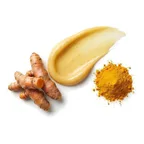 Curcuma Longa
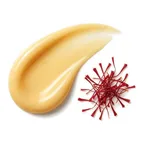 Crocus Sativus
 Aloe Barbadensis
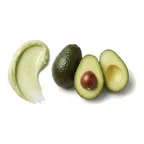 Avocado Oil
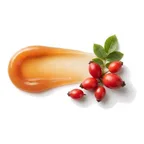 Rosehip Seed Oil
Average
- AverageOily Skin Fit
- AverageEffectiveness
- HighSafety
Works for oily acne-prone skin; other moisturizers fit it better.
This fit is calculated for the concerns frequently associated with oily acne-prone skin: shine, breakouts, blemishes, and enlarged pores. For scores and recommendations based on your full skin profile, including your 12D face scan results and any goals or preferences you have, please use the Lovi app.
Updated How the Fit score works
Lovi Assistant explains
- Offers moderate suitability for your oily skin, as Glycerin and Hyaluronic Acid provide hydration, but the formula lacks sufficient oil-controlling ingredients to address your primary concerns of acne, blemishes, and breakouts.
- The product provides general skincare benefits and barrier support with ingredients like Shea Butter and Bisabolol, which are beneficial for overall skin health but do not directly target your specific issues.
- The safety profile is excellent, with no risks of irritation for your oily skin due to the absence of harsh ingredients and the presence of soothing agents like Aloe Barbadensis Leaf Juice.
How to apply
- Use this AM and PM routine every day to help clear your skin. Always remember to finish with SPF in the morning.
- Apply the moisturizer after your cleanser and toner, right before your SPF during the day.
- Gently press a small amount into your skin and avoid rubbing to keep pores clear.
- Apply on clean, slightly damp skin to help the product absorb better and control oil.
- Avoid the sensitive eye area and do a simple patch test before your first use.
People Say
★4.7Overall rating based on 900+ reviewsThis moisturizer is highly praised for its ability to brighten and deeply hydrate the skin, leading to a radiant complexion. While generally well-tolerated, some users with very dry skin find it insufficient, and a few mention a slight tackiness in its texture.
Highlights
Deeply hydrating Mostly Mentioned
- “Ultra-hydrating”
- “skin feels hydrated”
- “great hydration”
Brightens skin tone Often Mentioned
- “Noticed a lovely glow”
- “skin looks more alive”
- “visibly brighter”
Smooths skin texture Often Mentioned
- “Visibly smooths”
- “skin feels smoother”
- “texture has improved”
Refillable packaging Sometimes Noted
- “Good system to reduce waste”
- “refillable pod”
- “nice touch”
Insufficient for dry Sometimes Noted
- “Not enough moisture”
- “didn't feel it was enough”
- “needed more”
Clunky packaging Rarely Noted
- “Clunky and large”
- “inconvenient to screw on”
- “lid too blingy”
Slightly tacky Rarely Noted
- “Slightly tacky”
- “can't explain”
- “not a fan of the experience”
Sources: lovi.care, koraorganics.com, thechristopherian.com, emilylightly.com, sephora.com.au, whimsysoul.com, and more
Questions and answers
How well does KORA Turmeric Glow Moisturizer work for oily acne-prone skin?
This moisturizer works moderately well for oily acne-prone skin because its glycerin and hyaluronic acid provide hydration, but it lacks enough oil-controlling ingredients to manage breakouts. A product of this type needs effective ingredients that target acne and blemishes, provide lightweight hydration without adding excess oil, and support the skin barrier without clogging pores.
Which ingredients make this cream a good fit for oily acne-prone skin?
Glycerin and hyaluronic acid help provide lightweight hydration for your oily skin, while aloe barbadensis and bisabolol help calm it without irritation. Oily acne-prone skin needs products with powerful ingredients that control oil, clear blemishes, and target breakouts.
What does Turmeric do for oily acne-prone skin?
Turmeric helps calm redness and swelling in oily, acne-prone skin while reducing breakouts. Studies show that products containing curcumin may significantly improve skin clarity compared to standard care alone. An average or poor fit for this skin type needs ingredients with strong calming and blemish-clearing benefits like curcumin.
What does Saffron Extract do for oily acne-prone skin?
Saffron Extract helps keep oily skin balanced and feeling smooth. It is unlikely to cause irritation and works well when you want to boost moisture without heavy oils.
Where does this cream go in a skincare routine for oily acne-prone skin?
This cream goes in the morning and evening as a moisturizer step after your cleanser, hydrating toner, and any treatment. It provides hydration and barrier support with ingredients like glycerin, hyaluronic acid, and shea butter, but oily acne-prone skin needs a product with strong oil-controlling and blemish-targeting ingredients to really clear breakouts.
Can I use it with retinol, and in what order?
You can use this moisturizer with retinol to keep your skin soft while managing dryness. Apply it after your retinol treatment to help calm the skin and reduce irritation. Oily acne-prone skin needs a product of this type that also includes oil-controlling and breakout-targeting ingredients.
How often should I use this cream?
This moisturizing treatment works well for daily use, helping keep your skin soft and hydrated while supporting your skin barrier. To truly address acne, blemishes, and breakouts on oily acne-prone skin, this type of product needs added oil-controlling ingredients and blemish-clearing actives.
Journal of Cosmetic Dermatology, 2020Health Science Reports, 2021
Can it clog pores, cause breakouts or purging for oily acne-prone skin?
This moisturizer is unlikely to cause irritation for your oily skin because it leaves out harsh ingredients and includes soothing aloe, but it lacks the oil-controlling components needed to clear up acne and breakouts. An ideal product for oily acne-prone skin needs targeted ingredients that balance oil production and keep pores clear.
Can I use this cream around the eyes or on my body?
You can use this moisturizing treatment around the eyes and on your body, as its very safe formula with soothing aloe vera has no harsh ingredients that might cause irritation. It helps keep skin soft and comfortable, though an eye cream or body lotion specifically meant for those areas may work better.
What the research says
A single application of a moisturizing fluid containing hyaluronic acid 1%, glycerin 5%, and Centella asiatica stem cells extract significantly increased skin hydration by 29% and reduced transepidermal water loss at 24 hours compared to baseline and an untreated control site in twenty healthy women.
Clinical, Cosmetic and Investigational Dermatology, 2017A cream combining propolis, tea tree oil, and Aloe vera reduced erythema scars, acne severity index, and total lesion count better than erythromycin cream in sixty patients with mild to moderate acne vulgaris compared to placebo.
Clinical Pharmacology, 2018Small extracellular vesicles derived from Aloe vera peels exhibited antioxidant activity, reduced intracellular ROS levels, enhanced human skin cell migration, and upregulated antioxidant-related gene expression in H2O2-treated human keratinocytes.
Tissue Engineering and Regenerative Medicine, 2021Topical application of curcumin or turmeric treats various skin conditions by leveraging antioxidant, anti-inflammatory, and antimicrobial properties.
Skin Pharmacology and Physiology, 2023A curcumin-loaded spanlastic anti-aging gel utilizing formula F5 incorporated into 2% HPMC E50 demonstrated sustained release action, compatibility, and the ability to penetrate skin layers to a depth of about 112.5 um without signs of irritation.
Saudi Pharmaceutical Journal, 2024Oral and topical botanical products containing ingredients like ashwagandha, saffron, l-theanine, and tocopherol reduced facial redness and pigmentation and improved sleep and certain mood parameters in healthy females with sensitive skin compared to baseline.
Journal of Clinical Medicine, 2022Topical cream containing saffron extract and avocado oil improved wrinkle grading, reduced nasolabial fold area and volume, and increased skin elasticity in twenty healthy volunteers over 12 weeks without allergic reactions.
Journal of Cosmetic Dermatology, 2020Saffron lotion demonstrated antisolar effects with an SPF value equivalent to an 8% homosalate lotion reference at a 4% concentration and significantly higher at an 8% concentration, but showed no significant moisturizing effect compared to the control lotion.
Iranian Journal of Pharmaceutical Research, 2010Formulations containing 0.10%, 0.25%, and 0.50% freeze-dried Aloe vera extract increased stratum corneum water content compared with the vehicle in 20 female subjects, while transepidermal water loss was not modified.
Skin Research and Technology, 2006Kombucha-mediated fermentation of aloe vera gel for 10 and 20 days enhanced its phenolic and flavonoid content, antioxidant capacity, cytoprotective effects, enzyme inhibition against collagenase, elastase, and hyaluronidase, and moisturizing properties compared to unfermented gel.
Molecules, 2025Aloe vera gel phenolic and polysaccharide extracts demonstrated distinct wound-healing properties in vitro, with the phenolic extract exhibiting anti-inflammatory, antioxidant, and fibroblast-stimulating effects, and the polysaccharide extract showing enhanced collagen synthesis and antibacterial activity against Staphylococcus aureus.
Journal of Functional Biomaterials, 2024Incorporation of apigenin into nanoemulsions formulated with d-alpha-tocopheryl polyethylene glycol 1000 succinate, hydrogenated soy lecithin, black soldier fly larvae oil, and avocado oil achieved nearly 99 percent encapsulation efficiency, improved chemical stability, elevated antioxidant ability, and optimal skin deposition.
Polymers, 2021A retinol nanoemulsion gel enriched with black seed and rosehip oils demonstrated superior antimicrobial efficacy, reduced inflammatory markers, and high cell viability compared to Retino AC gel.
Drug Research, 2025
Why other moisturizers fit oily acne-prone skin better
Co-delivery of paeonol and madecassoside via nanoemulsions improved transdermal delivery, promoted barrier repair proteins, inhibited inflammatory cytokine secretion in cellular and 3D models, and reduced transepidermal water loss and acne in human facial skin compared to free components.
Molecules, 2023A panthenol-enriched mask improved skin hydration, regulated sebum, and reduced redness and TEWL across dry sensitive, oily sensitive, and oily acne skin subgroups with excellent tolerance and no adverse reactions.
Journal of Cosmetic Dermatology, 2024A facial serum containing snail secretion filtrate, Calendula officinalis, and Glycyrrhiza glabra root extract significantly reduced inflammatory acne lesions compared to placebo in 66 participants with mild-to-moderate maskne over 12 weeks.
Journal of Cosmetic Dermatology, 2022
Ingredients
Aloe Barbadensis Leaf Juice, Glycerin, Coconut Alkanes, Cetearyl Alcohol, Persea Gratissima Oil Avocado Oil, Rosa Canina Seed Oil Rosehip Seed Oil, Balanites Roxburghii Seed Oil, Water, Lactobacillus Ferment, Cetearyl Olivate, Helianthus Annuus Seed Oil Sunflower Seed Oil, Sorbitan Olivate, Butyrospermum Parkii Butter Shea Butter, Hippophae Rhamnoides Oil Fruit, Passiflora Edulis Seed Oil Maracuja Seed Oil, Caprylic Capric Triglyceride, Rice Extract, Lactobacillus, Ascorbyl Glucoside, Coco-Caprylate Caprate, Lactobacillus Arundinaria Gigantea Leaf Ferment Filtrate, Astrocaryum Murumuru Seed Butter, Gossypium Herbaceum Seed Oil, Saccharomyces Lysate Extract, Bidens Pilosa Extract, Calendula Officinalis Flower Extract, Coconut Fruit Extract, Potassium Sorbate, Lavandula Angustifolia Oil Lavender Oil, Linum Usitatissimum Seed Oil, Lactic Acid, Lemon Peel Oil, Hydrolyzed Sodium Hyaluronate, Peppermint Oil Leaf Peppermint Indian Oil Leaf, Sclerotium Gum, Potassium Hydroxide, Curcuma Longa Root Extract, Glycyrrhiza Glabra Root Extract Licorice Root Extract, Morinda Citrifolia Fruit Extract, Yeast Powder, Sodium Phytate, Cylindrotheca Fusiformis Extract, Leuconostoc Radish Root Ferment Filtrate, Cananga Odorata Oil Flower, Juniperus Virginiana Oil Cedarwood Oil, Leuconostoc Radish Ferment Filtrate, Tocopherol, Bisabolol, Soybean Peroxidase, Superoxide Dismutase, Alcohol, Citral, Geraniol, Limonene, Linalool
Behind this fit score
Lovi calculates every fit score from the full ingredient list with brand-independent rules our dermatologists and cosmetic chemists build and review, and personalizes every pick with AI trained on the real results of millions of users. Lovi trains its fit score models on a proprietary dataset built from more than 10,000 expert-labeled products and more than 100,000 simulated examples, following an internally consistent methodology presented at Cosmoprof, AMWC, and Skin of Color Update.
-

Co-founder, Medical Director
Cosmetic chemist, cosmetologist, aesthetic products developer
-

Co-founder, CEO and CTO
PhD in computer science, 3x US patent holder, ex-Google, ex-Yandex
-

Dr. Sofía Perea Pérez, MD, MSc
Medical Board
Aesthetic medicine practitioner, MSc in Longevity and Anti-Aging Medicine
-

Medical Board
Specialist dermatologist, MBBS, MD, IFAAD
-

Medical Board
Cosmetic chemist, SCS, IFSCC member
-

Medical Board, Medical Advisor
Dermatology MD
-

Elina Nazarenko, MD
Medical Board
Dermatology and diagnostic consultant
-

Victoria Derkova, MS
Medical Board
Cosmetic chemist, cosmetic development technologist


How does it fit your skin?
Scan your face, then any product: Lovi shows how well it fits you and what fits even better.