
Kiehl's Ultra Facial Moisturizer SPF 30 for oily acne-prone skin

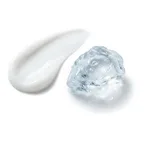 Glacial Glycoprotein
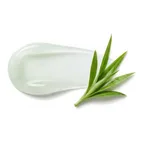 Fountain Plant Extracts
 Squalane
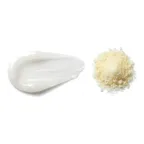 Avobenzone
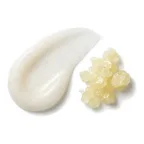 Homosalate
High
- HighOily Skin Fit
- HighEffectiveness
- HighSafety
A great choice for oily acne-prone skin; a few sunscreens fit it even better.
This fit is calculated for the concerns frequently associated with oily acne-prone skin: shine, breakouts, blemishes, and enlarged pores. For scores and recommendations based on your full skin profile, including your 12D face scan results and any goals or preferences you have, please use the Lovi app.
Updated How the Fit score works
Lovi Assistant explains
- Highly suitable for your oily skin, the salicylic acid and capryloyl salicylic acid offer moderate exfoliation to address acne, blemishes, and breakouts while also helping to regulate oiliness.
- Glycerin and avobenzone provide excellent moisturizing and UV protection, ensuring your skin stays hydrated and shielded from sun damage.
- The formula is safe for your skin, with no risks of irritation due to the absence of prohibited or harsh ingredients.
Buy online

Prices checked 20 Nov 2026
The Lovi Fit is the same in every country; only the stores and prices differ, and the ones here are for India.
How to apply
- Use your moisturizing sunscreen every morning. Reapply throughout the day if you are outside.
- Apply this moisturizing sunscreen as the final step of your morning routine after your moisturizer.
- Gently smooth a nickel-sized amount over your face and neck, avoiding harsh rubbing to keep oily areas calm.
- Apply this moisturizing sunscreen on clean, dry skin to ensure even coverage and protection.
- Avoid getting the product into your eyes and do a patch test before your first use.
People Say
★4.4Overall rating based on 1.3k+ reviewsBased on a very large amount of data, this moisturizer is highly praised for its effective and long-lasting hydration, leaving skin soft and preventing dryness. It is also noted for its ability to absorb without leaving a white cast, making it suitable for various skin tones. Some users with oily or combination skin find the finish too greasy or shiny, and a moderate number report eye irritation. A low number of users experience pilling under makeup or find the scent unpleasant.
Highlights
Provides hydration Mostly Mentioned
- “Long-lasting hydration”
- “Keeps skin hydrated”
- “Soft and moist”
- “Prevents dryness”
No white cast Often Mentioned
- “Invisible on dark skin”
- “No white residue”
- “Absorbs without residue”
- “Clear finish”
Greasy or shiny finish Often Mentioned
- “Too greasy”
- “Oily residue”
- “Leaves face shiny”
- “Heavy finish”
Absorbs quickly Sometimes Noted
- “Readily absorbs”
- “Sinks in fast”
- “Rapid absorbency”
- “Layers well”
Smooth texture Sometimes Noted
- “Silky texture”
- “Leaves skin soft”
- “Glides on smooth”
- “Nice consistency”
Causes eye irritation Sometimes Noted
- “Stings my eyes”
- “Burns eyes”
- “Watery eyes”
- “Eye irritation”
Pills under makeup Rarely Noted
- “Pills under makeup”
- “Balls up”
- “Flakes off”
- “Bad under foundation”
Unpleasant scent Rarely Noted
- “Sunscreen smell”
- “Chemical scent”
- “Strong odor”
- “Smells like plastic”
Sources: lovi.care, walmart.com, kiehls.com, ulta.com, whatsinmyjar.com, sarahfynn.com, and more
Questions and answers
What makes Kiehl's Ultra Facial Moisturizer SPF 30 a great fit for oily acne-prone skin?
Kiehl's Ultra Facial Moisturizer SPF 30 is a great fit for your skin because salicylic acid and capryloyl salicylic acid help clear breakouts and control oiliness. Glycerin and avobenzone keep your skin hydrated while protecting it from the sun, and the formula is unlikely to cause irritation.
BioMed Research International, 2020Journal of Cosmetic Dermatology, 2024
Which ingredients make this cream a good fit for oily acne-prone skin?
This cream is a great fit because salicylic acid and capryloyl salicylic acid help clear breakouts and manage oiliness, while glycerin and squalane provide hydration without feeling heavy. It is very safe and unlikely to cause irritation.
Journal of Cosmetic Dermatology, 2024Journal of Drugs in Dermatology, 2023
What does Glacial Glycoprotein do for oily acne-prone skin?
Glacial Glycoprotein helps keep oily, acne-prone skin hydrated without feeling heavy or greasy. It supports the skin barrier so your face stays smooth and comfortable.
What does Fountain Plant Extract do for oily acne-prone skin?
Fountain Plant Extract helps calm oily, acne-prone skin by balancing oil production and keeping pores clear. This extract regulates key pathways to reduce excess shine and support a smoother, less inflamed complexion.
Where does this cream go in a skincare routine for oily acne-prone skin?
This cream goes in the morning routine as your moisturizer and SPF step, placed after a hydrating toner. It is safe for oily acne-prone skin and helps manage breakouts while keeping your skin hydrated and protected from the sun.
International Journal of Cosmetic Science, 2020BioMed Research International, 2020
Can I use it with retinol, and in what order?
How often should I use it?
This moisturizer with SPF can be used every morning as part of your daily routine to keep your skin hydrated and protected from the sun. The formula helps manage oil and clear breakouts while keeping your skin calm and comfortable.
BioMed Research International, 2020Journal of Cosmetic Dermatology, 2024
Can it clog pores, cause breakouts or purging for oily acne-prone skin?
This moisturizer is a great fit for your oily acne-prone skin because ingredients like salicylic acid help clear breakouts and regulate oiliness. It is unlikely to cause irritation or clog pores, though some reviewers do mention a shiny finish.
BioMed Research International, 2020Journal of Cosmetic Dermatology, 2024
What the research says
A moisturizer containing licochalcone A, 1,2-decanediol, L-carnitine, and salicylic acid significantly reduced noninflammatory, inflammatory, and total acne lesion counts compared to a vehicle control in Thai patients during a 12-week maintenance phase.
BioMed Research International, 2020Twice daily application of a multitargeted dermocosmetic cream provided comparable efficacy to benzoyl peroxide 5% gel in reducing inflammatory, non-inflammatory, and total lesions in 150 Caucasian subjects with mild-to-moderate acne over 56 days, while demonstrating superior skin tolerability.
Journal of Cosmetic Dermatology, 2024The use of a salicylic acid-based dermocosmetic significantly reduces the needed quantity of benzoyl peroxide without impacting efficacy in mild to moderate acne, and as maintenance post-benzoyl peroxide allows a significant reduction of acne relapse compared to vehicle.
Journal of Drugs in Dermatology, 2023Parsol 1789 and Eusolex 8020 provided slightly better photoprotection than oxybenzone in both normal and sensitized human skin when assessed using pigmentation end points, whereas all three sunscreens performed similarly against UVA-induced erythema.
Journal of the American Academy of Dermatology, 1987Chemical sunscreens containing avobenzone, octocrylene, homosalate, and octisalate showed no to minimal risks of dermal irritation, sensitization, photo-allergy, and photo-irritation in human subjects.
Journal of Drugs in Dermatology, 2025Application of fullerene-C60 dissolved in squalane cream twice daily for 8 weeks significantly enhanced skin moisture and reduced wrinkle formation compared to placebo in 23 Japanese women without severe side effects.
Journal of Nanoscience and Nanotechnology, 2010Squalane at 0.005-0.015% counteracts UVA-induced oxidative stress, inflammation, and collagen metabolism inhibition while stimulating fibroblast migration in human dermal fibroblasts.
Molecules, 2025Plant-derived squalane protected human dermal fibroblasts against UVA-induced damage by counteracting ROS formation, suppressing apoptosis-related proteins p53, caspase-3, caspase-9, and PARP, and restoring the pro-survival p-Akt/mTOR pathway.
Antioxidants, 2025Methoxy-monobenzoylmethane protects human skin against UV-induced damage by converting to avobenzone under UVB light irradiation and demonstrating antioxidant and radical scavenging properties in vitro and in cell assays.
Molecules, 2021Encapsulation of ethylhexyl methoxycinnamate and butyl methoxydibenzoylmethane in lipid microparticles significantly reduced their in vivo human skin penetration compared to nonencapsulated filters.
Skin Pharmacology and Physiology, 2011Microencapsulation of the BMDBM/HP-beta-CD complex in lipid microparticles significantly decreased the percutaneous penetration of the UV filter into the stratum corneum of human volunteers compared to the non-encapsulated sunscreen agent.
Journal of Pharmaceutical and Biomedical Analysis, 2011Dermal application of a sunscreen containing 10% homosalate in four volunteers resulted in delayed elimination with terminal half-times around 24 h and a bioavailability of cis-homosalate a factor of 2 lower than trans-homosalate, while metabolite ratios supported using oral-route urinary excretion fractions for dermal exposure assessments.
Archives of Toxicology, 2024Homosalate exhibited the highest permeation among tested filters with a relative permeability rate of 4.2% and a depth of 60 um, and specific thickeners and emulsifiers successfully reduced its permeation without inhibiting the skin permeation of niacinamide.
Photodermatology, Photoimmunology & Photomedicine, 2026An online-SPE-LC-MS/MS method successfully quantified specific urinary homosalate metabolites for up to 96 hours after dermal sunscreen application in a volunteer and detected metabolites exclusively in three German pilot participants who had used sunscreen within five days.
Analytica Chimica Acta, 2021
Ingredients
Water, Glycerin, Squalane, Dimethicone, Peg-100 Stearate, Glyceryl Stearate, Silica, Octyldodecanol, Stearic Acid, Phenoxyethanol, Palmitic Acid, Tocopherol, Dicaprylyl Carbonate, Steareth-100, Acrylates C10-30 Alkyl Acrylate Crosspolymer, Ophiopogon Japonicus Root Extract, Carbomer, Chlorphenesin, Capryloyl Salicylic Acid, Caprylyl Glycol, Xanthan Gum, Dimethicone Vinyl Dimethicone Crosspolymer, Disodium Edta, Sodium Hydroxide, Citrus Aurantium Dulcis Peel Oil, Limonene, Ectoin, Hydrolyzed Hyaluronic Acid, Myristic Acid, Peppermint Oil, Pseudoalteromonas Extract Ferment, Ethylhexylglycerin, Linalool, Salicylic Acid, Avobenzone, Homosalate, Octisalate, Octocrylene
Behind this fit score
Lovi calculates every fit score from the full ingredient list with brand-independent rules our dermatologists and cosmetic chemists build and review, and personalizes every pick with AI trained on the real results of millions of users. Lovi trains its fit score models on a proprietary dataset built from more than 10,000 expert-labeled products and more than 100,000 simulated examples, following an internally consistent methodology presented at Cosmoprof, AMWC, and Skin of Color Update.
-

Co-founder, Medical Director
Cosmetic chemist, cosmetologist, aesthetic products developer
-

Co-founder, CEO and CTO
PhD in computer science, 3x US patent holder, ex-Google, ex-Yandex
-

Dr. Sofía Perea Pérez, MD, MSc
Medical Board
Aesthetic medicine practitioner, MSc in Longevity and Anti-Aging Medicine
-

Medical Board
Specialist dermatologist, MBBS, MD, IFAAD
-

Medical Board
Cosmetic chemist, SCS, IFSCC member
-

Medical Board, Medical Advisor
Dermatology MD
-

Elina Nazarenko, MD
Medical Board
Dermatology and diagnostic consultant
-

Victoria Derkova, MS
Medical Board
Cosmetic chemist, cosmetic development technologist


How does it fit your skin?
Scan your face, then any product: Lovi shows how well it fits you and what fits even better.