
Jergens Ultra Healing Extra Dry Skin Moisturizer for acne-prone skin

 Glycerin
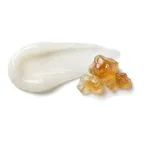 Petrolatum
 Shea Butter
 Vitamin E
 Aloe Barbadensis
Low
- AverageCombination Skin Fit
- HighEffectiveness
- ConcerningSafety
A weak match for acne-prone skin; the products alongside fit it better.
This fit is calculated for the concerns frequently associated with acne-prone skin: breakouts, blackheads, and post-acne marks. For scores and recommendations based on your full skin profile, including your 12D face scan results and any goals or preferences you have, please use the Lovi app.
Updated How the Fit score works
Lovi Assistant explains
- Offers moderate suitability for combination skin, as glycerin and petrolatum provide excellent hydration and barrier support, but these ingredients are not specialized for acne, blemishes, and breakouts and may pose a risk of worsening these conditions.
- While the formula is safe for your combination skin and free of harsh ingredients, it lacks sufficient ingredients for optimal oil control on the oily areas.
People Say
★4.6Overall rating based on 11.7k+ reviewsBased on a very large amount of data, this lotion is widely praised as a reliable staple for relieving extra dry, rough skin, particularly on problem areas like heels, elbows, and knees.
Highlights
Deeply moisturizing Mostly Mentioned
- “heals cracked heels and fingers”
- “keeps skin soft and moisturized for hours”
- “relief for dry, rough skin immediately”
- “skin looks visibly healthier and less ashy”
Excellent value Sometimes Noted
- “huge bottle lasts a long time”
- “great price for the quality”
- “a little goes a long way”
- “affordable compared to prescription creams”
Good absorption Sometimes Noted
- “absorbs quickly into the skin”
- “thick consistency but spreads easily”
- “doesn't feel watery or thin”
- “non-greasy feel after application”
Pleasant scent Sometimes Noted
- “smells clean and fresh”
- “mild fragrance that isn't overpowering”
- “nice scent that doesn't clash with perfume”
- “classic, comforting smell”
Ingredient concerns Rarely Noted
- “contains parabens (methylparaben/propylparaben)”
- “ingredients list includes alcohol”
- “wish it had cleaner ingredients”
- “prefer natural oils over petrolatum”
Scent sensitivity Rarely Noted
- “scent is too strong for sensitive noses”
- “wish it was completely fragrance-free”
- “smell lingers too long”
- “irritated my scent-sensitive allergies”
Sticky residue Rarely Noted
- “feels a bit sticky when drying”
- “leaves a film on the skin”
- “too greasy for my liking”
- “can feel heavy in humid weather”
Stinging sensation Rarely Noted
- “stings a little on very chapped skin”
- “burned slightly on open cracks”
- “caused mild irritation on broken skin”
Sources: lovi.care, walmart.com, target.com, makeupalley.com, youtube.com, walgreens.com, and more
Questions and answers
Why is Jergens Ultra Healing Moisturizer a weak match for acne-prone skin?
Jergens Ultra Healing Moisturizer is a weak match for acne-prone skin because its rich hydrating ingredients like glycerin and petrolatum are not specialized for breakouts and may worsen them. A body lotion for this skin needs effective ingredients for blemishes, soothing extracts, and reliable oil control without the risk of irritation.
Which ingredients make this body lotion a poor fit for acne-prone skin?
Glycerin and petrolatum make this body lotion a weak fit for acne-prone skin because, while they provide deep hydration, they are not specialized for breakouts and may worsen them. A body lotion of this type needs specialized ingredients for acne and blemishes, soothing extracts, and effective peptides to support this skin.
What does Glycerin do for acne-prone skin?
Glycerin helps keep acne-prone skin hydrated and calm without clogging pores or feeling heavy. It supports the skin barrier so it stays soft and smooth while handling everyday treatments.
The British Journal of Dermatology, 2008International Journal of Toxicology, 2019
What does Petrolatum do for acne-prone skin?
Petrolatum is unlikely to clog pores for most people, making it safe to use on acne-prone skin while helping to keep the skin barrier strong and protected. This ingredient exhibits low comedogenicity and an excellent safety profile for supporting skin health.
Where does this body lotion go in a skincare routine for acne-prone skin?
This body lotion is a weak match for acne-prone skin because it lacks specialized ingredients for oil control and may worsen breakouts. Skincare for this skin type needs lightweight hydrating ingredients and oil-controlling elements to keep pores clear while maintaining moisture.
Can I use this body lotion with retinol, and in what order?
You can use this body lotion with retinol, applying it after your retinol treatment to help soothe dryness. However, because this lotion is a weak match for acne-prone skin and lacks oil-controlling ingredients, it may not provide the specialized care needed to prevent breakouts.
How often should I use this body lotion?
This body lotion is a weak match for acne-prone skin because it lacks oil-controlling ingredients and may worsen breakouts. A product of this type for this skin needs oil-balancing and clarifying ingredients to keep pores clear while hydrating.
Can this body lotion clog pores, cause breakouts or purging for acne-prone skin?
This body lotion may pose a risk of worsening breakouts on acne-prone skin because heavy ingredients like petrolatum can trap oil and clog pores. A product for this skin needs oil-free hydrators and ingredients that help clear blemishes without heavy barriers.
Is this body lotion fragrance-free and alcohol-free?
Yes, it has no fragrance and no drying alcohol. Cetearyl alcohol is a fatty alcohol, which soften the skin.
What the research says
A single application of a moisturizing fluid containing hyaluronic acid 1%, glycerin 5%, and Centella asiatica stem cells extract significantly increased skin hydration by 29% and reduced transepidermal water loss at 24 hours compared to baseline and an untreated control site in twenty healthy women.
Clinical, Cosmetic and Investigational Dermatology, 2017The emollient V0034CR significantly reduced TEWL compared to vehicle and vehicle plus glycerol, and significantly increased corneometry scores compared to vehicle and vehicle plus petrolatum in healthy volunteers with dry skin, demonstrating combined barrier function improvement from petrolatum and hydration improvement from glycerol.
Journal of Cosmetic Dermatology, 2020Ten days of treatment with a cream containing 20% glycerin significantly increased skin hydration measured by corneometer values in 17 healthy volunteers compared to a placebo cream, but showed no influence on transepidermal water loss or skin sensitivity to an irritating surfactant.
International Journal of Cosmetic Science, 2001Niacinamide/glycerin body moisturizers provided better rapid and prolonged improvement of cosmetic xerosis through functional improvement of stratum corneum barrier function compared to no treatment and conventional moisturizers in female subjects.
Journal of Drugs in Dermatology, 2012Topically applied extra virgin olive oil and petrolatum both significantly improved skin barrier function and microtopographic features in 54 healthy adult volunteers, with petrolatum exerting stronger occlusive effects and extra virgin olive oil uniquely promoting epidermal renewal.
Journal of Clinical Medicine, 2025Vaseline Petroleum Jelly accelerated barrier recovery and penetrated throughout the stratum corneum interstices in human volunteers after acetone-induced barrier disruption.
Journal of the American Academy of Dermatology, 1992A skin barrier restoring cream with shea butter, silkflo, and vitamin E increased type I procollagen synthesis, enhanced antioxidant enzyme activity, decreased reactive oxygen species generation, and promoted hyaluronic acid production in H2O2-stimulated human keratinocyte cells compared to untreated cells.
International Journal of Cosmetic Science, 2025Topical application of an antioxidant serum containing 15% ascorbic acid, 0.5% ferulic acid, and 1% tocopherol prevented particulate matter-induced degradation of extracellular matrix components, inflammation, and oxidative stress in the skin of 15 female volunteers compared to untreated controls.
Journal of Cosmetic Dermatology, 2025Dermatological products containing d-alpha tocopheryl acetate showed non-comedogenic potential with less than a 50% increase in microcomedones in 12 healthy male subjects compared to octyl palmitate.
Contemporary Clinical Trials Communications, 2021Topical application of an antioxidant mix containing 15% ascorbic acid, 0.5% ferulic acid, and 1% tocopherol prevented PM and UV-induced skin barrier perturbation, lipid peroxidation, inflammatory markers, MMP9 activation, and Type I collagen loss in 15 healthy females compared to untreated exposed skin.
Journal of Cosmetic Dermatology, 2024A cream combining propolis, tea tree oil, and Aloe vera reduced erythema scars, acne severity index, and total lesion count better than erythromycin cream in sixty patients with mild to moderate acne vulgaris compared to placebo.
Clinical Pharmacology, 2018Formulations containing 0.10%, 0.25%, and 0.50% freeze-dried Aloe vera extract increased stratum corneum water content compared with the vehicle in 20 female subjects, while transepidermal water loss was not modified.
Skin Research and Technology, 2006Kombucha-mediated fermentation of aloe vera gel for 10 and 20 days enhanced its phenolic and flavonoid content, antioxidant capacity, cytoprotective effects, enzyme inhibition against collagenase, elastase, and hyaluronidase, and moisturizing properties compared to unfermented gel.
Molecules, 2025
Why other products fit acne-prone skin better
A panthenol-enriched mask improved skin hydration, regulated sebum, and reduced redness and TEWL across dry sensitive, oily sensitive, and oily acne skin subgroups with excellent tolerance and no adverse reactions.
Journal of Cosmetic Dermatology, 2024Co-delivery of paeonol and madecassoside via nanoemulsions improved transdermal delivery, promoted barrier repair proteins, inhibited inflammatory cytokine secretion in cellular and 3D models, and reduced transepidermal water loss and acne in human facial skin compared to free components.
Molecules, 2023
Ingredients
Water, Glycerin, Cetearyl Alcohol, Petrolatum, Mineral Oil, Dimethicone, Glyceryl Dilaurate, Cetyl Esters, Stearic Acid, Magnesium Aluminum Silicate, Carbomer, Sodium Hydroxide, Methylparaben, Propylparaben, Dmdm Hydantoin
Behind this fit score
Lovi calculates every fit score from the full ingredient list with brand-independent rules our dermatologists and cosmetic chemists build and review, and personalizes every pick with AI trained on the real results of millions of users. Lovi trains its fit score models on a proprietary dataset built from more than 10,000 expert-labeled products and more than 100,000 simulated examples, following an internally consistent methodology presented at Cosmoprof, AMWC, and Skin of Color Update.
-

Co-founder, Medical Director
Cosmetic chemist, cosmetologist, aesthetic products developer
-

Co-founder, CEO and CTO
PhD in computer science, 3x US patent holder, ex-Google, ex-Yandex
-

Dr. Sofía Perea Pérez, MD, MSc
Medical Board
Aesthetic medicine practitioner, MSc in Longevity and Anti-Aging Medicine
-

Medical Board
Specialist dermatologist, MBBS, MD, IFAAD
-

Medical Board
Cosmetic chemist, SCS, IFSCC member
-

Medical Board, Medical Advisor
Dermatology MD
-

Elina Nazarenko, MD
Medical Board
Dermatology and diagnostic consultant
-

Victoria Derkova, MS
Medical Board
Cosmetic chemist, cosmetic development technologist


How does it fit your skin?
Scan your face, then any product: Lovi shows how well it fits you and what fits even better.