
JAYJUN Green Tea Eye Gel Patch for acne-prone skin

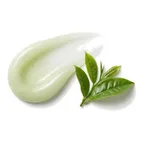 Camellia Sinensis Extract
 Niacinamide
 Sodium Hyaluronate
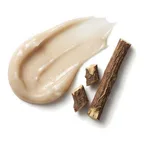 Licorice Root Extract
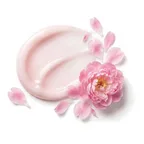 Paeonia Albiflora Root Extract
High
- HighCombination Skin Fit
- AverageEffectiveness
- HighSafety
One of the best eye patches for acne-prone skin.
- Clinical, Cosmetic and Investigational Dermatology, 2017
- Journal of the American Academy of Dermatology, 2001
This fit is calculated for the concerns frequently associated with acne-prone skin: breakouts, blackheads, and post-acne marks. For scores and recommendations based on your full skin profile, including your 12D face scan results and any goals or preferences you have, please use the Lovi app.
Updated How the Fit score works
Lovi Assistant explains
- Highly suitable for your combination skin, this product offers excellent hydration for the delicate eye area due to humectants like glycerin and sodium hyaluronate, complemented by niacinamide's anti-inflammatory action.
- While supportive for general skincare needs with ingredients like allantoin, it does not specifically target your acne, blemishes, and breakouts.
- The safety profile is excellent, with no risks of irritation due to the absence of harsh ingredients and the inclusion of soothing components.
People Say
★4.6Overall rating based on 200+ reviewsUsers find these eye patches to be an effective and soothing treatment for tired under-eye skin, with many reporting immediate cooling, deep hydration, and a reduction in puffiness and fine lines. A moderate number of users noted that the patches can occasionally slip due to excess essence.
Highlights
Deeply hydrates skin Mostly Mentioned
- “Well moisturized and smooth”
- “Perfectly moisturizes”
- “Skin feels fresh and hydrated”
Instant cooling Mostly Mentioned
- “Left a cooling effect”
- “So nice and cooling”
- “Instant cooling effect”
Reduces eye puffiness Often Mentioned
- “Great for de-puffing”
- “Eye bags were less visible”
- “Helps in reducing puffiness”
Gentle on skin Sometimes Noted
- “Gentle on my sensitive skin”
- “No tingling or irritation”
- “Soothing green tea”
High-quality packaging Sometimes Noted
- “Container is quite beautiful”
- “Hygienically stored”
- “Master of pretty presentation”
Patches may slip Sometimes Noted
- “Green one shifted quite a bit”
- “Patches can slip”
- “Slipped due to excess liquid”
Slow to dry Rarely Noted
- “Dried a lot slower”
- “Heavy essence consistency”
- “Still quite moist after 20 minutes”
Sticky residue Rarely Noted
- “A little bit sticky”
- “Essence is very glossy”
- “Becomes sticky if not used quickly”
Temporary results Rarely Noted
- “Haven't noticed a significant difference”
- “Effect is temporary”
- “Need to use regularly”
Sources: lovi.care, iherb.com, yesstyle.com, youtube.com, gopicky.com, myshopify.com, and more
Questions and answers
What makes Jayjun Green Tea Eye Gel Patch a great fit for acne-prone skin?
Jayjun Green Tea Eye Gel Patch is a great fit because it provides excellent hydration for the delicate eye area while keeping the skin calm with soothing and calming components. It is very unlikely to cause irritation due to the absence of harsh ingredients.
Which ingredients make this eye patch a good fit for acne-prone skin?
Camellia Sinensis Extract and niacinamide make this eye patch a good fit because they help calm the skin and reduce irritation. The formula also includes sodium hyaluronate and glycerin to provide deep hydration to the delicate eye area while keeping the safety profile excellent.
Journal of the American Academy of Dermatology, 2001The British Journal of Dermatology, 2002
What does Green Tea Extract do for acne-prone skin?
Green tea extract helps acne-prone skin by reducing both inflamed and clogged bumps, while also calming redness and balancing excess oil. Using it regularly may significantly lower the number of breakouts because its plant compounds target swelling and sebum production.
Phytotherapy Research, 2021Archives of Dermatological Research, 2020
What does Niacinamide do for acne-prone skin?
Niacinamide helps acne-prone skin by reducing both inflamed and uninflamed breakouts and calming redness. It is also very helpful for keeping oily skin balanced by cutting down on excess oil production, and it is well tolerated by most people.
Where does this eye patch go in a skincare routine for acne-prone skin?
This eye patch goes around the eye area after cleansing and toning, and before your moisturizer, both morning and night. It provides great hydration for the delicate eye area while being very safe for acne-prone skin.
Clinical, Cosmetic and Investigational Dermatology, 2017Journal of the American Academy of Dermatology, 2001
Can I use this eye patch with retinol, and in what order?
Yes, you can use these eye patches with retinol by applying them on clean skin around the eyes before your retinol treatment. The gentle formula has a very safe profile and is unlikely to cause irritation when combined with active ingredients.
How often should I use this eye patch?
You can use this eye patch regularly as part of your daily routine to hydrate the delicate eye area. It has a very safe formula with soothing ingredients that are unlikely to cause irritation.
Can this eye patch clog pores, cause breakouts or purging for acne-prone skin?
This eye patch is unlikely to clog pores or cause breakouts for acne-prone skin, as it has an excellent safety profile without harsh ingredients and includes soothing components. While it offers great hydration and a calming feel for the delicate eye area, it does not specifically target active blemishes or pimples.
Is this eye patch fragrance-free and alcohol-free?
It contains fragrance (parfum) and drying alcohol (isopropyl alcohol).
What the research says
A single application of a moisturizing fluid containing hyaluronic acid 1%, glycerin 5%, and Centella asiatica stem cells extract significantly increased skin hydration by 29% and reduced transepidermal water loss at 24 hours compared to baseline and an untreated control site in twenty healthy women.
Clinical, Cosmetic and Investigational Dermatology, 2017Application of green tea extracts on normal human skin resulted in dose-dependent inhibition of UV-evoked erythema, reduced sunburn cells, protected Langerhans cells, and decreased UV-induced DNA damage compared to untreated UV-exposed skin.
Journal of the American Academy of Dermatology, 2001Niacinamide significantly decreased hyperpigmentation and increased skin lightness compared with vehicle alone after 4 weeks of use in women by inhibiting melanosome transfer.
The British Journal of Dermatology, 2002Topical application of (-)-epigallocatechin-3-gallate (EGCG) to human skin before UV irradiation decreases UV-induced production of hydrogen peroxide by 68-90% and nitric oxide by 30-100%, inhibits leukocyte infiltration and lipid peroxidation by 41-84%, and restores glutathione levels and glutathione peroxidase activity compared to UV exposure alone.
Carcinogenesis, 2001Topically formulated tea polyphenols show some benefit in reducing sebum secretion and treating acne vulgaris compared to baseline or control.
Antioxidants, 2016Topical application of tannase-converted green tea extract (TGE) significantly improved skin wrinkle indices and self-assessed wrinkle reduction compared to normal green tea extract (NGE) in human subjects over 8 weeks.
Journal of Cosmetic Dermatology, 2013An anti-acne hydrogel containing Aloe barbadensis, Garcinia mangostana, and Camellia sinensis extracts showed superior antiacne and antiblotch activities compared to 1% clindamycin gel in sixty subjects with mild-moderate acne.
Clinical, Cosmetic and Investigational Dermatology, 2019Topical nicotinamide prevented solar-simulated UV-induced immunosuppression in healthy volunteers, and men experienced immunosuppression at solar-simulated UV doses three times lower than those required for women.
The Journal of Investigative Dermatology, 2008Topical 5% niacinamide applied twice daily for 12 weeks reduced fine lines and wrinkles, hyperpigmented spots, red blotchiness, and skin sallowness, and improved skin elasticity compared to vehicle control in 50 female white subjects with facial photoaging.
Dermatologic Surgery, 2005Topical 2% niacinamide significantly decreased sebum excretion rate in Japanese individuals and casual sebum levels in Caucasian individuals compared to placebo or baseline.
Journal of Cosmetic and Laser Therapy, 2006Topical application of 0.1% hyaluronic acid formulations of different molecular weights led to significant improvements in skin hydration and elasticity, with low-molecular-weight formulations also significantly reducing wrinkle depth in seventy-six female subjects compared to a vehicle control.
Journal of Drugs in Dermatology, 2011Topical hyaluronic acid serum used twice daily by 40 females with facial photoaging produced an immediate 134% increase in skin hydration, a sustained 55% increase at week 6, and significant improvements in smoothness, plumping, fine lines, wrinkles, and global appearance without causing irritation.
Dermatology and Therapy, 2021A topical antioxidant serum significantly reduced air pollution-induced skin pigmentation and proinflammatory gene expression ex vivo, and improved skin aging signs in 40 healthy adult females after 90 days of daily use.
Journal of Cosmetic Dermatology, 2022Combining 755 nm alexandrite laser with topical licorice gel significantly reduces terminal hair counts compared to alexandrite laser with placebo in women with idiopathic hirsutism.
Evidence-based Complementary and Alternative Medicine, 2015Licochalcone A activated Nrf2 signaling, elevated cytoprotective enzymes, increased the reduced-to-oxidized glutathione ratio, and decreased reactive oxygen species in human fibroblasts and neutrophils, while a LicA-rich licorice extract lowered UVA-induced oxidative processes in vivo.
Experimental Dermatology, 2015Mesoporous silica nanoparticles entrapping licorice polysaccharide and coated with polydopamine showed 76% entrapment efficiency, 89% in vitro release at pH 5, increased sebocytes' cellular uptake, and mediated inflammatory response by inhibiting pro-inflammatory cytokines and regulating anti-inflammatory cytokines.
Carbohydrate Polymers, 2024
Ingredients
Water, Glycerin, Butylene Glycol, Niacinamide, Chondrus Crispus, Potassium Chloride, Tripropylene Glycol, Dipropylene Glycol, Betaine, Sodium Hyaluronate, Paeonia Albiflora Root Extract, Glycyrrhiza Glabra Root Extract Licorice Root Extract, Polygonum Multiflorum Root Extract, Phellinus Linteus Extract, Morus Alba Bark Extract, Sophora Angustifolia Root Extract, Cimicifuga Racemosa Root Extract, Sesamum Indicum Seed Extract, Scutellaria Baicalensis Root Extract, Angelica Gigas Root Extract, Pentylene Glycol, Coconut Fruit Extract, Pinus Sylvestris Leaf Extract, Camellia Sinensis Leaf Powder, Saururus Chinensis Extract, Ceratonia Siliqua Gum, Sucrose, Isopropyl Alcohol, Calcium Chloride, Guar Gum, Cellulose Gum, Allantoin, Adenosine, Disodium Edta, Calcium Lactate, Ethyl Hexanediol, 1,2-Hexanediol, Propanediol, Caprylyl Glycol, Ethylhexylglycerin, Parfum, Chlorphenesin, Ci 77288
Behind this fit score
Lovi calculates every fit score from the full ingredient list with brand-independent rules our dermatologists and cosmetic chemists build and review, and personalizes every pick with AI trained on the real results of millions of users. Lovi trains its fit score models on a proprietary dataset built from more than 10,000 expert-labeled products and more than 100,000 simulated examples, following an internally consistent methodology presented at Cosmoprof, AMWC, and Skin of Color Update.
-

Co-founder, Medical Director
Cosmetic chemist, cosmetologist, aesthetic products developer
-

Co-founder, CEO and CTO
PhD in computer science, 3x US patent holder, ex-Google, ex-Yandex
-

Dr. Sofía Perea Pérez, MD, MSc
Medical Board
Aesthetic medicine practitioner, MSc in Longevity and Anti-Aging Medicine
-

Medical Board
Specialist dermatologist, MBBS, MD, IFAAD
-

Medical Board
Cosmetic chemist, SCS, IFSCC member
-

Medical Board, Medical Advisor
Dermatology MD
-

Elina Nazarenko, MD
Medical Board
Dermatology and diagnostic consultant
-

Victoria Derkova, MS
Medical Board
Cosmetic chemist, cosmetic development technologist


How does it fit your skin?
Scan your face, then any product: Lovi shows how well it fits you and what fits even better.