
Isntree C-Niacin Toning Ampoule for sensitive skin

 Niacinamide
 3-O-Ethyl Ascorbic Acid Ascorbic Acid
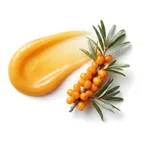 Hippophae Rhamnoides Fruit Extract
 Sodium Hyaluronate
 Aloe Barbadensis Leaf Extract
High
- SuperiorNormal Skin Fit
- HighEffectiveness
- HighSafety
A great choice for sensitive skin; a few serums fit it even better.
This fit is calculated for the concerns frequently associated with sensitive skin: redness, stinging, and reactions to new products. For scores and recommendations based on your full skin profile, including your 12D face scan results and any goals or preferences you have, please use the Lovi app.
Updated How the Fit score works
Lovi Assistant explains
- Excellent suitability for your normal skin and goals of reducing redness and irritation is provided by the high concentrations of 3-O-Ethyl Ascorbic Acid and Niacinamide, which also brighten and even your skin tone.
- Dipotassium Glycyrrhizate and Aloe Barbadensis Leaf Extract further soothe inflammation and support skin barrier function, making it a great choice for your sensitive skin.
- The formulation is safe for your sensitive skin, containing no harsh or prohibited ingredients that could cause irritation.
Buy online


Prices checked 20 Nov 2026
The Lovi Fit is the same in every country; only the stores and prices differ, and the ones here are for India.
How to apply
- Use your serum in the PM routine, starting 3 times a week before building up to daily use if your skin is happy.
- Apply the serum after cleansing and toning, but before putting on your moisturizer for the best results.
- Gently press 2-3 drops of the serum into your skin and wait a minute ⏱ for it to soak in.
- Since your skin is sensitive and easily irritated, apply the serum on completely dry skin to help keep it calm.
- Always do a patch test before your first use and avoid getting the serum too close to your eyes .
People Say
★4.2Overall rating based on 400+ reviewsThis ampoule is frequently praised for its lightweight, fast-absorbing texture and its ability to gently brighten the skin, providing a natural glow. It is well-tolerated by sensitive and acne-prone skin types. Some users report that results are subtle and require consistent long-term use, with a few experiencing minor breakouts or noting the watery consistency can be difficult to handle.
Highlights
Lightweight texture Mostly Mentioned
- “watery”
- “fast-absorbing”
- “non-greasy”
- “easy to layer”
Brightens and glows Often Mentioned
- “natural glow”
- “radiant complexion”
- “more even skin tone”
Gentle on sensitive skin Often Mentioned
- “non-irritating”
- “sting-free”
- “safe for acne-prone skin”
Hydrating Sometimes Noted
- “leaves skin soft”
- “plump-feeling”
- “hydrating without heaviness”
Slow or minimal results Sometimes Noted
- “saw no difference”
- “too weak”
- “takes months”
Minor breakouts Rarely Noted
- “small bumps”
- “whiteheads”
- “fungal acne”
Runny consistency Rarely Noted
- “very watery”
- “hard to apply”
- “messy”
Slight tackiness Rarely Noted
- “sticky film”
- “tacky finish”
Sources: lovi.care, iherb.com, yesstyle.com, stylevana.com, reddit.com, pickyskincare.com, and more
Questions and answers
What makes Isntree C-Niacin Toning Ampoule a great fit for sensitive skin?
This product is a great fit for sensitive skin because it uses calming ingredients like dipotassium glycyrrhizate and aloe vera to soothe inflammation and support your skin barrier. It is also safe and free of harsh ingredients, and the niacinamide and vitamin C help brighten your skin while keeping it calm.
The British Journal of Dermatology, 2002Journal of Cosmetic Dermatology, 2026
Which ingredients make this ampoule a good fit for sensitive skin?
Dipotassium glycyrrhizate and aloe barbadensis leaf extract make this ampoule a great fit because they soothe inflammation and support your skin barrier. High concentrations of niacinamide and 3-O-ethyl ascorbic acid also help calm redness while brightening your skin.
The British Journal of Dermatology, 2002Journal of Cosmetic Dermatology, 2026
What does Niacinamide do for sensitive skin?
Niacinamide helps calm sensitive skin by strengthening the skin barrier and reducing redness and irritation. It is very well tolerated and may improve overall comfort and resilience with regular use.
What does 3-O-Ethyl Ascorbic Acid do for sensitive skin?
3-O-Ethyl Ascorbic Acid helps brighten dark spots and even out skin tone while remaining gentle enough to keep sensitive skin calm and smooth. This vitamin C derivative is unlikely to cause irritation when used in a daily routine.
Where does this ampoule go in a skincare routine for sensitive skin?
This treatment goes in the evening routine after cleansing and toning, which keeps things simple and safe around sun exposure. It is a great fit for sensitive skin because it uses soothing ingredients like aloe and licorice root extract to calm redness without harsh irritants.
Can I use this ampoule with retinol, and in what order?
You can use this ampoule with retinol by applying the ampoule first in your evening routine, as its soothing ingredients help calm your skin. Retinol can then be layered on top after the ampoule absorbs, but if your skin is easily irritated, it is safer to use them on alternate nights.
How often should I use this ampoule?
Use this treatment in your evening routine. It is a great fit for sensitive skin because it calms inflammation and supports the skin barrier without causing irritation.
Facial Plastic Surgery, 2014The British Journal of Dermatology, 2002
Can this ampoule clog pores, cause breakouts or purging for sensitive skin?
This ampoule is unlikely to clog pores or cause breakouts on sensitive skin, as it has a safe formula with no harsh ingredients. Minor breakouts are only rarely reported, and soothing ingredients help calm irritation.
Is this ampoule fragrance-free and alcohol-free?
Yes, it has no fragrance and no drying alcohol.
What the research says
L-ascorbic acid and betaine-based therapeutic deep eutectic system significantly enhanced transdermal delivery through porcine skin compared to ascorbic acid alone or physical mixture, and reduced aging markers while inducing an even skin tone in humans.
Pharmaceutics, 2024Niacinamide significantly decreased hyperpigmentation and increased skin lightness compared with vehicle alone after 4 weeks of use in women by inhibiting melanosome transfer.
The British Journal of Dermatology, 20023-O-ethyl ascorbic acid exerts anti-melanogenic effects via Nrf2-mediated alpha-MSH inhibition in UVA-irradiated keratinocytes and autophagy induction in melanocytes, while also inhibiting tyrosinase expression and endogenous pigmentation in a zebrafish model.
Free Radical Biology & Medicine, 2021A topical formulation containing panthenol, niacinamide, and dipotassium glycyrrhizate increased skin hydration by 74.1% and reduced transepidermal water loss by 13.5% at 28 days compared to baseline and untreated control in 35 individuals with xerosis.
Journal of Cosmetic Dermatology, 2026A mixture of Aloe gel and Aloe vera flower synergistically induced the proliferation, migration, and extracellular matrix formation of normal human dermal fibroblast cells and induced HaCaT cell migration while suppressing inflammatory cytokines by enhancing the expression of MFAP4 and associated signaling pathways.
Journal of Ethnopharmacology, 2022Topical nicotinamide prevented solar-simulated UV-induced immunosuppression in healthy volunteers, and men experienced immunosuppression at solar-simulated UV doses three times lower than those required for women.
The Journal of Investigative Dermatology, 2008Topical 5% niacinamide applied twice daily for 12 weeks reduced fine lines and wrinkles, hyperpigmented spots, red blotchiness, and skin sallowness, and improved skin elasticity compared to vehicle control in 50 female white subjects with facial photoaging.
Dermatologic Surgery, 2005Topical 2% niacinamide significantly decreased sebum excretion rate in Japanese individuals and casual sebum levels in Caucasian individuals compared to placebo or baseline.
Journal of Cosmetic and Laser Therapy, 2006Topical application of 5% vitamin C cream significantly improved global clinical scores, increased skin microrelief density, and induced elastic tissue repair in photoaged skin compared to excipient control in healthy female volunteers.
Experimental Dermatology, 2003Topical application of VC-IP cream twice daily for 8 weeks reduces periorbital wrinkles in female subjects compared to a placebo cream.
Journal of Cosmetic Dermatology, 2022Topical treatment with 5% vitamin C and 0.1% madecassoside significantly improved clinical scores for wrinkles, suppleness, firmness, roughness, and skin hydration, along with functional and structural remodeling of the elastic fiber network in 20 female volunteers with photoaged skin after 6 months compared to baseline.
Experimental Dermatology, 2008Topical application of a sea buckthorn fruit extract formulation significantly reduced skin sebum secretion in 10 healthy human volunteers compared to the control base over an 8-week period.
Journal of Pharmacy & Bioallied Sciences, 2010Topical emulsions containing Hippophae rhamnoides and Cassia fistula plant extracts significantly reduced skin sebum contents compared to placebo in patients with grade I and grade II acne vulgaris.
Postepy Dermatologii I Alergologii, 2014Topical application of a 5% Hippophae rhamnoides oil-in-water emulsion significantly improved skin hydration (p=0.0003) and transepidermal water loss (p=0.0087) compared to a placebo base formulation in 13 healthy male subjects over 84 days.
Pakistan Journal of Pharmaceutical Sciences, 2014Topical application of 0.1% hyaluronic acid formulations of different molecular weights led to significant improvements in skin hydration and elasticity, with low-molecular-weight formulations also significantly reducing wrinkle depth in seventy-six female subjects compared to a vehicle control.
Journal of Drugs in Dermatology, 2011Topical hyaluronic acid serum used twice daily by 40 females with facial photoaging produced an immediate 134% increase in skin hydration, a sustained 55% increase at week 6, and significant improvements in smoothness, plumping, fine lines, wrinkles, and global appearance without causing irritation.
Dermatology and Therapy, 2021A topical antioxidant serum significantly reduced air pollution-induced skin pigmentation and proinflammatory gene expression ex vivo, and improved skin aging signs in 40 healthy adult females after 90 days of daily use.
Journal of Cosmetic Dermatology, 2022A cream combining propolis, tea tree oil, and Aloe vera reduced erythema scars, acne severity index, and total lesion count better than erythromycin cream in sixty patients with mild to moderate acne vulgaris compared to placebo.
Clinical Pharmacology, 2018Formulations containing 0.10%, 0.25%, and 0.50% freeze-dried Aloe vera extract increased stratum corneum water content compared with the vehicle in 20 female subjects, while transepidermal water loss was not modified.
Skin Research and Technology, 2006Kombucha-mediated fermentation of aloe vera gel for 10 and 20 days enhanced its phenolic and flavonoid content, antioxidant capacity, cytoprotective effects, enzyme inhibition against collagenase, elastase, and hyaluronidase, and moisturizing properties compared to unfermented gel.
Molecules, 2025
Ingredients
Hippophae Rhamnoides Fruit Extract, Butylene Glycol, Pentylene Glycol, Glycerin, Betaine, Water, Niacinamide, Propanediol, Aloe Barbadensis Leaf Extract, Melia Azadirachta Flower Extract, Melia Azadirachta Leaf Extract, Pumpkin Fruit Extract, Physalis Alkekengi Fruit Extract, Sodium Hyaluronate, Dipotassium Glycyrrhizate, Ocimum Sanctum Leaf Extract, Beta-Glucan, Curcuma Longa Root Extract, Corallina Officinalis Extract, Brassica Oleracea Italica Extract, Coccinia Indica Fruit Extract, Moringa Oleifera Seed Oil, Boswellia Serrata Extract Resin, Bioflavonoids, Panthenol, Allantoin, Sodium Polyacrylate, Tocopherol, Polysorbate 80, 1,2-Hexanediol, Ethyl Hexanediol, Ammonium Acryloyldimethyltaurate Vp Copolymer, 3-O-Ethyl Ascorbic Acid, Zanthoxylum Piperitum Fruit Extract, Pulsatilla Koreana Extract, Usnea Barbata Extract
Behind this fit score
Lovi calculates every fit score from the full ingredient list with brand-independent rules our dermatologists and cosmetic chemists build and review, and personalizes every pick with AI trained on the real results of millions of users. Lovi trains its fit score models on a proprietary dataset built from more than 10,000 expert-labeled products and more than 100,000 simulated examples, following an internally consistent methodology presented at Cosmoprof, AMWC, and Skin of Color Update.
-

Co-founder, Medical Director
Cosmetic chemist, cosmetologist, aesthetic products developer
-

Co-founder, CEO and CTO
PhD in computer science, 3x US patent holder, ex-Google, ex-Yandex
-

Dr. Sofía Perea Pérez, MD, MSc
Medical Board
Aesthetic medicine practitioner, MSc in Longevity and Anti-Aging Medicine
-

Medical Board
Specialist dermatologist, MBBS, MD, IFAAD
-

Medical Board
Cosmetic chemist, SCS, IFSCC member
-

Medical Board, Medical Advisor
Dermatology MD
-

Elina Nazarenko, MD
Medical Board
Dermatology and diagnostic consultant
-

Victoria Derkova, MS
Medical Board
Cosmetic chemist, cosmetic development technologist


How does it fit your skin?
Scan your face, then any product: Lovi shows how well it fits you and what fits even better.