
innisfree Retinol Cica Moisture Recovery Serum for oily acne-prone skin

 Retinol
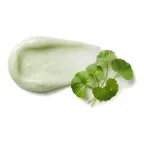 Centella Asiatica
 Niacinamide
 Sodium Hyaluronate
 Ceramide Np
High
- HighOily Skin Fit
- HighEffectiveness
- ExcellentSafety
A great choice for oily acne-prone skin; a few moisturizers fit it even better.
This fit is calculated for the concerns frequently associated with oily acne-prone skin: shine, breakouts, blemishes, and enlarged pores. For scores and recommendations based on your full skin profile, including your 12D face scan results and any goals or preferences you have, please use the Lovi app.
Updated How the Fit score works
Lovi Assistant explains
- Offers excellent moisturizing and treatment for your oily skin, as retinol and niacinamide work synergistically to smooth texture and improve skin tone, while also providing moderate exfoliation for acne and breakouts.
- The presence of salicylic acid further aids in reducing oil production and renewing the skin, making it highly suitable for managing oiliness and shiny skin.
- The formula is safe for your skin, with no risks of irritation due to the absence of harsh ingredients and the inclusion of soothing components like niacinamide and beta-glucan.
How to apply
- Use this AM and PM routine every day to help clear your skin. Always remember to finish with SPF in the morning.
- Apply the moisturizer after your cleanser and toner, right before your SPF during the day.
- Gently press a small amount into your skin and avoid rubbing to keep pores clear.
- Apply on clean, slightly damp skin to help the product absorb better and control oil.
- Avoid the sensitive eye area and do a simple patch test before your first use.
People Say
★4.5Overall rating based on 1.5k+ reviewsBased on a very large amount of data, this serum is a gentle, beginner-friendly option that effectively refines skin texture, reduces acne, and hydrates without causing irritation, making it suitable for sensitive and acne-prone skin. Some experienced retinol users find it too mild for significant anti-aging effects.
Highlights
Gentle, non-irritating Mostly Mentioned
- “mildest retinol they've tried”
- “zero irritation, peeling, or adjustment period”
- “does not cause irritation”
- “ideal for sensitive, acne-prone skin”
Hydrating, soothing Often Mentioned
- “leaving skin refreshed and hydrated”
- “helps to soothe the skin”
- “floods the skin with moisture”
- “lightweight but moisturizing texture”
Improves texture Often Mentioned
- “significant improvements in skin's texture”
- “smooth away dead skin cells”
- “smoothing out rough patches”
- “improves the look of texture”
Clears acne Sometimes Noted
- “address acne-prone skin concerns”
- “works on blemishes, acne, sebum”
- “reduces blackheads and blemishes”
- “help with the appearance of blemishes”
Too mild Sometimes Noted
- “experienced retinol users find it too mild”
- “not going to deliver transformative results”
- “maintenance dose, not a correction”
- “limits aggressive anti-aging claims”
Confusing rebranding Rarely Noted
- “confused why retinol cica repair ampoule is not sold”
- “packaging says retinol cica moisture recovery serum”
- “wondering if there is a difference”
Slow results Rarely Noted
- “will not deliver a strong retinoid result”
- “effect, if any, is likely to be small”
- “intentionally conservative”
Sources: lovi.care, innisfree.com, dermapproved.com, reddit.com, cultbeauty.com, gopicky.com, and more
Questions and answers
What makes innisfree Retinol Cica Moisture Recovery Serum a great fit for oily acne-prone skin?
This serum is a great fit because retinol and niacinamide smooth texture and improve skin tone while offering moderate exfoliation for breakouts. Salicylic acid further helps reduce oil production and shiny skin, and soothing ingredients like niacinamide and beta-glucan keep the formula safe and gentle.
BioMed Research International, 2020Journal of Cosmetic Dermatology, 2024
Which ingredients make this serum a good fit for oily acne-prone skin?
Retinol and niacinamide make this serum a great fit because they smooth texture and improve skin tone on oily skin. Salicylic acid further helps reduce oil production and breakouts, while soothing components keep the formula safe and gentle.
BioMed Research International, 2020Journal of Cosmetic Dermatology, 2024
What does Retinol do for oily acne-prone skin?
Retinol helps clear breakouts and manage acne by targeting the root causes beneath the skin. It is unlikely to directly reduce oil production, so a product for oily skin also needs ingredients that absorb or balance excess shine.
American Journal of Clinical Dermatology, 2019Journal of Drugs in Dermatology, 2018
What does Centella Asiatica do for oily acne-prone skin?
Centella asiatica helps calm redness and swelling while supporting barrier repair, making it a good fit for oily acne-prone skin. It may also help reduce acne breakouts and moisture loss in human facial skin.
Molecules, 2023Indian Journal of Pharmaceutical Sciences, 2016
Where does this serum go in a skincare routine for oily acne-prone skin?
This serum goes in your evening routine, applied after cleansing and before moisturizing. Putting treatments in the evening keeps things simple and avoids extra sun sensitivity.
Can I use this serum with vitamin C, and in what order?
Use vitamin C and this retinol treatment apart: in different sessions of the same day or on different days. Using them at different times of the day helps your skin handle both active ingredients comfortably while working to smooth texture and clear breakouts.
How often should I use this serum?
You can use this treatment in the evening as part of your routine. It helps smooth texture and improve breakouts while remaining safe for your skin.
Can this serum clog pores, cause breakouts or purging for oily acne-prone skin?
This serum is unlikely to clog pores or cause breakouts on oily skin, as it contains salicylic acid and retinol to help clear pores and smooth texture while soothing components calm the skin.
BioMed Research International, 2020Journal of Cosmetic Dermatology, 2024
Can I use this serum around the eyes or on my body?
This serum is designed for the face, so using it around the eyes or on the body requires caution because thinner areas may experience higher irritation from active ingredients like retinol. It is safer to stick to facial use or choose products specifically formulated for the body or eye area.
Is this serum fragrance-free and alcohol-free?
Yes, it has no fragrance and no drying alcohol.
What the research says
A moisturizer containing licochalcone A, 1,2-decanediol, L-carnitine, and salicylic acid significantly reduced noninflammatory, inflammatory, and total acne lesion counts compared to a vehicle control in Thai patients during a 12-week maintenance phase.
BioMed Research International, 2020Twice daily application of a multitargeted dermocosmetic cream provided comparable efficacy to benzoyl peroxide 5% gel in reducing inflammatory, non-inflammatory, and total lesions in 150 Caucasian subjects with mild-to-moderate acne over 56 days, while demonstrating superior skin tolerability.
Journal of Cosmetic Dermatology, 2024The use of a salicylic acid-based dermocosmetic significantly reduces the needed quantity of benzoyl peroxide without impacting efficacy in mild to moderate acne, and as maintenance post-benzoyl peroxide allows a significant reduction of acne relapse compared to vehicle.
Journal of Drugs in Dermatology, 2023Colloidal oatmeal acts as a cleanser, moisturizer, buffer, and soothing anti-inflammatory agent due to its starches, beta-glucan, phenols, and saponins, relieving itch and irritation in xerotic dermatoses.
Journal of Drugs in Dermatology, 2007Topical bakuchiol 0.5% applied twice daily compared with retinol 0.5% applied daily significantly decreased wrinkle surface area and hyperpigmentation with no statistical difference between the compounds in 44 patients over 12 weeks, while retinol users reported more facial skin scaling and stinging.
The British Journal of Dermatology, 2019Topical 0.3% and 1% retinol comparably improved biomarkers of cutaneous photoageing in photoaged volunteers, while 0.3% retinol demonstrated better tolerance with fewer and milder adverse events compared to 1% retinol in a daily escalation regimen.
International Journal of Cosmetic Science, 2022Daily application of 0.3% and 0.5% retinol serums in 37 volunteers over 12 weeks reduced skin hyperpigmentation, unevenness, and wrinkles on both sides of the face, with the 0.5% concentration causing more frequent and intense skin irritation.
Skin Pharmacology and Physiology, 2020A single application of a moisturizing fluid containing hyaluronic acid 1%, glycerin 5%, and Centella asiatica stem cells extract significantly increased skin hydration by 29% and reduced transepidermal water loss at 24 hours compared to baseline and an untreated control site in twenty healthy women.
Clinical, Cosmetic and Investigational Dermatology, 2017Topical treatment with 5% vitamin C and 0.1% madecassoside significantly improved clinical scores for wrinkles, suppleness, firmness, roughness, and skin hydration, along with functional and structural remodeling of the elastic fiber network in 20 female volunteers with photoaged skin after 6 months compared to baseline.
Experimental Dermatology, 2008Treatment with an asiaticoside-containing cream applied twice daily for 12 weeks significantly improved periorbital wrinkles in 65% of 27 female volunteers compared to a vehicle control cream.
International Journal of Cosmetic Science, 2008Topical nicotinamide prevented solar-simulated UV-induced immunosuppression in healthy volunteers, and men experienced immunosuppression at solar-simulated UV doses three times lower than those required for women.
The Journal of Investigative Dermatology, 2008Topical 5% niacinamide applied twice daily for 12 weeks reduced fine lines and wrinkles, hyperpigmented spots, red blotchiness, and skin sallowness, and improved skin elasticity compared to vehicle control in 50 female white subjects with facial photoaging.
Dermatologic Surgery, 2005Topical 2% niacinamide significantly decreased sebum excretion rate in Japanese individuals and casual sebum levels in Caucasian individuals compared to placebo or baseline.
Journal of Cosmetic and Laser Therapy, 2006Topical application of 0.1% hyaluronic acid formulations of different molecular weights led to significant improvements in skin hydration and elasticity, with low-molecular-weight formulations also significantly reducing wrinkle depth in seventy-six female subjects compared to a vehicle control.
Journal of Drugs in Dermatology, 2011Topical hyaluronic acid serum used twice daily by 40 females with facial photoaging produced an immediate 134% increase in skin hydration, a sustained 55% increase at week 6, and significant improvements in smoothness, plumping, fine lines, wrinkles, and global appearance without causing irritation.
Dermatology and Therapy, 2021A topical antioxidant serum significantly reduced air pollution-induced skin pigmentation and proinflammatory gene expression ex vivo, and improved skin aging signs in 40 healthy adult females after 90 days of daily use.
Journal of Cosmetic Dermatology, 2022Ceramide and niacinamide-containing moisturizer combined with anti-acne treatment significantly improved non-inflammatory, inflammatory, and total acne lesions compared to hydrophilic cream in 40 patients with mild to moderate acne vulgaris after 8 weeks.
Journal of Cosmetic Dermatology, 2024Topical application of a pseudo-ceramide-containing spray improved stratum corneum water content, transepidermal water loss, cell area, and scaling score, and normalized the ceramide profile in patients with dry and sensitive skin compared to a control spray.
Journal of Cosmetic Dermatology, 2025
Ingredients
Water, Glycerin, Butylene Glycol, Niacinamide, Dibutyl Adipate, Caprylic Capric Triglyceride, 1,2-Hexanediol, Hydrogenated Lecithin, Ammonium Acryloyldimethyltaurate Vp Copolymer, Helianthus Annuus Seed Oil Sunflower Seed Oil, Cholesterol, Allantoin, Glycine Soja Oil Soybean Oil, Tocopherol, Tocopheryl Acetate, Sodium Methyl Stearoyl Taurate, Propanediol, Daucus Carota Sativa Root Extract Carrot Root Extract, Ethylhexylglycerin, Adenosine, Asiaticoside, Madecassic Acid, Camellia Sinensis Seed Extract, Asiatic Acid, Retinol, Stearyl Glycyrrhetinate, Sodium Hyaluronate, Mannitol, Ceramide Np, Beta-Glucan, Beta-Carotene, Phytosphingosine, Bht, Salicylic Acid, Acetyl Tetrapeptide-11
Behind this fit score
Lovi calculates every fit score from the full ingredient list with brand-independent rules our dermatologists and cosmetic chemists build and review, and personalizes every pick with AI trained on the real results of millions of users. Lovi trains its fit score models on a proprietary dataset built from more than 10,000 expert-labeled products and more than 100,000 simulated examples, following an internally consistent methodology presented at Cosmoprof, AMWC, and Skin of Color Update.
-

Co-founder, Medical Director
Cosmetic chemist, cosmetologist, aesthetic products developer
-

Co-founder, CEO and CTO
PhD in computer science, 3x US patent holder, ex-Google, ex-Yandex
-

Dr. Sofía Perea Pérez, MD, MSc
Medical Board
Aesthetic medicine practitioner, MSc in Longevity and Anti-Aging Medicine
-

Medical Board
Specialist dermatologist, MBBS, MD, IFAAD
-

Medical Board
Cosmetic chemist, SCS, IFSCC member
-

Medical Board, Medical Advisor
Dermatology MD
-

Elina Nazarenko, MD
Medical Board
Dermatology and diagnostic consultant
-

Victoria Derkova, MS
Medical Board
Cosmetic chemist, cosmetic development technologist


How does it fit your skin?
Scan your face, then any product: Lovi shows how well it fits you and what fits even better.