
innisfree Green Tea Moisture Amino Cleansing Oil for combination skin

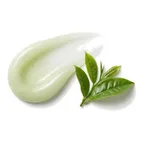 Camellia Sinensis Extract
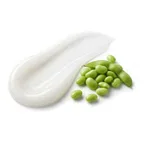 Amino Acids
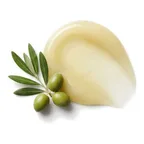 Olive Oil
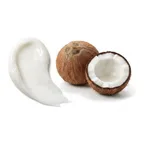 Coconut Oil
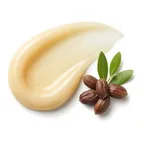 Jojoba Seed Oil
High
- HighCombination Skin Fit
- HighEffectiveness
- HighSafety
A great choice for combination skin; a few pre-cleansers fit it even better.
This fit is calculated for the concerns frequently associated with combination skin: an oily T-zone, enlarged pores, and dry cheeks. For scores and recommendations based on your full skin profile, including your 12D face scan results and any goals or preferences you have, please use the Lovi app.
Updated How the Fit score works
Lovi Assistant explains
- This cleansing oil is highly suitable for your combination skin, as Triethylhexanoin and Caprylic Capric Triglyceride effectively dissolve makeup and impurities, while Camellia Sinensis Leaf Extract and Helianthus Annuus Seed Oil provide antioxidant activity and barrier support.
- While it offers excellent cleansing and hydration beneficial for combination skin and oily shine, it lacks specialized ingredients to directly target excess oil.
- The formula is safe for your skin, with no risks of irritation due to the absence of prohibited or harsh ingredients.
How to apply
- Use this makeup remover PM as the first step of your evening routine to clear away excess oil.
- Apply this makeup remover before your regular cleanser to effectively break down heavy makeup and dirt.
- Gently wipe the makeup remover across your face using a soft cotton pad, avoiding harsh rubbing.
- Use the makeup remover on completely dry skin to help dissolve surface oils and impurities best.
- Avoid direct contact with the eyes while using this makeup remover.
People Say
★3.8Overall rating based on 300+ reviewsUsers with dry or dehydrated skin frequently praise this cleansing oil for its lightweight, non-stripping formula that leaves skin feeling soft and hydrated. A moderate number of users with acne-prone or sensitive skin reported breakouts and eye irritation. Some users also noted that it struggled to fully remove heavy waterproof makeup without a second cleanse.
Highlights
Hydrating & non-stripping Mostly Mentioned
- “leaves skin feeling soft and replenished”
- “no tightness or tingling sensation”
- “moisturizes without stripping skin”
Lightweight texture Often Mentioned
- “feels light and fresh”
- “not greasy or suffocating”
- “emulsifies well with water”
Daily/light makeup removal Sometimes Noted
- “dissolves sunscreen and base makeup easily”
- “melts away daily grime”
- “cleanses well for a first step”
Refreshing scent Sometimes Noted
- “subtle green tea scent is refreshing”
- “smells clean and spa-like”
- “pleasant fragrance, not overpowering”
Caused breakouts Sometimes Noted
- “broke me out like crazy”
- “caused closed comedones on forehead”
- “skin slowly started breaking out”
Waterproof makeup removal Sometimes Noted
- “didn't remove waterproof mascara”
- “left residue of eyeliner”
- “struggled with point makeup”
Eye irritation Rarely Noted
- “burned my eyes”
- “vision got blurry/cloudy”
- “stung when removing eye makeup”
Strong fragrance Rarely Noted
- “scent is too perfumey”
- “fragrance irritated my sensitive skin”
- “smell was overwhelming”
Sources: lovi.care, sephora.co.uk, kohls.com, hwahae.co.kr, reddit.com, yesstyle.com, and more
Questions and answers
What makes innisfree Green Tea Moisture Amino Cleansing Oil a great fit for combination skin?
This cleansing oil is a great fit because ingredients like Triethylhexanoin and Caprylic Capric Triglyceride easily dissolve makeup and daily impurities without throwing your skin out of balance. At the same time, Camellia Sinensen Leaf Extract and sunflower seed oil help protect your skin barrier and calm it with antioxidants.
Which ingredients make this cleanser a good fit for combination skin?
Triethylhexanoin and Caprylic Capric Triglyceride make this cleanser a great fit by dissolving makeup and impurities, while Camellia Sinensis Leaf Extract and Helianthus Annuus Seed Oil help protect your skin and support its barrier.
Carcinogenesis, 2001Journal of the American Academy of Dermatology, 2001
What does Green Tea Extract do for combination skin?
Green tea extract helps calm combination skin and protects it from sun damage and everyday stress. It may also help control oil and keep breakouts at bay when used regularly in your routine.
Carcinogenesis, 2001Journal of the American Academy of Dermatology, 2001
What do Amino Acids do for combination skin?
Amino acids help keep combination skin balanced by supporting moisture retention and calming irritation. They work well with your skin's natural processes to maintain a smooth and healthy barrier without feeling heavy.
Where does this cleanser go in a skincare routine for combination skin?
This makeup remover goes in the evening routine before your regular cleanser. It helps melt away makeup and impurities while supporting your skin barrier, with a very safe profile that is unlikely to cause irritation.
Can I use this cleanser with retinol, and in what order?
Yes, you can use this makeup remover in your evening routine before your cleanser and treatment like retinol. It helps clear away makeup while keeping your skin calm, and is unlikely to cause irritation.
How often should I use this cleanser?
You can use this makeup remover in your evening routine to wash away makeup and impurities. The formula is safe for your skin and is unlikely to cause irritation.
Can this cleanser clog pores, cause breakouts or purging for combination skin?
This cleansing oil is unlikely to clog pores or cause breakouts for most people, but some reviewers have reported mild breakouts since it contains heavier oils like coconut oil and olive oil. It does not cause purging because it does not contain ingredients that speed up skin cell renewal.
What the research says
Topical application of (-)-epigallocatechin-3-gallate (EGCG) to human skin before UV irradiation decreases UV-induced production of hydrogen peroxide by 68-90% and nitric oxide by 30-100%, inhibits leukocyte infiltration and lipid peroxidation by 41-84%, and restores glutathione levels and glutathione peroxidase activity compared to UV exposure alone.
Carcinogenesis, 2001Application of green tea extracts on normal human skin resulted in dose-dependent inhibition of UV-evoked erythema, reduced sunburn cells, protected Langerhans cells, and decreased UV-induced DNA damage compared to untreated UV-exposed skin.
Journal of the American Academy of Dermatology, 2001Topical low-dose green tea extract reduces UVB-induced p53 expression and apoptosis in human skin keratinocytes compared to placebo.
Experimental Dermatology, 2009Topical application of a 6% green tea extract formulation increased skin moisture, enhanced skin elasticity, and improved skin microrelief by reducing roughness in 24 volunteers compared to vehicle and control over 30 days.
Dermatologic Therapy, 2013Topical application of an emollient emulsion containing 15.0% caprylic/capric triglyceride doubled the amount of urocanic acid isomers and increased skin hydration with reduced transepidermal water loss in healthy subjects, though it did not prevent ultraviolet-induced urocanic acid isomerization.
Life, 2023Topically formulated tea polyphenols show some benefit in reducing sebum secretion and treating acne vulgaris compared to baseline or control.
Antioxidants, 2016Topical application of tannase-converted green tea extract (TGE) significantly improved skin wrinkle indices and self-assessed wrinkle reduction compared to normal green tea extract (NGE) in human subjects over 8 weeks.
Journal of Cosmetic Dermatology, 2013An anti-acne hydrogel containing Aloe barbadensis, Garcinia mangostana, and Camellia sinensis extracts showed superior antiacne and antiblotch activities compared to 1% clindamycin gel in sixty subjects with mild-moderate acne.
Clinical, Cosmetic and Investigational Dermatology, 2019Topical preparations containing zinc(II) complexes with glycine and histidine effectively treat acne skin by providing high antibacterial activity against C. acnes and low cytotoxicity for skin cells, with no observed irritation or allergy in healthy volunteers.
International Journal of Molecular Sciences, 2021Mycosporine-like amino acids serve as promising multifunctional natural ingredients for sun care products, offering UV protection, anti-photoaging, and skin renewal benefits.
Marine Drugs, 2017An analysis of 14 patents filed between 2014 and 2024 revealed the increasing use of mycosporine-like amino acids in sunscreens, anti-aging creams, and antioxidant formulations, featuring enhanced water resistance, increased SPF, and defense against electromagnetic radiation.
Photochemical & Photobiological Sciences, 2025The application of a pH-neutral gel containing organic extra virgin olive oil demonstrated similar efficacy and safety for peristomal skin hygiene compared to usual stoma hygiene gel in patients with a colostomy or ileostomy, with a statistically significant improvement observed in abnormal peristomal skin domains within the experimental group after 8 weeks.
Journal of Tissue Viability, 2023The incorporation of olive oil-loaded hydrogel particles into a cream formulation provides strong moisturizing properties and photoprotective potential when applied to healthy subjects.
Pharmaceutical Development and Technology, 2018Wild Olive Oil, Extra Virgin Olive Oil, and Virgin Olive Oil compared against liquid paraffin and rosehip oil showed that wild olive oil yielded the lowest perception of oiliness and the highest increase in skin elasticity among eight healthy volunteers.
Pharmaceutics, 2022Topical formulations containing 3.75% glycerol and 1.25% hydrolyzed jojoba esters produced significantly lower evaporative TEWL values compared to glycerol alone at 8 and 24 hours posttreatment in human subjects.
Journal of Cosmetic Dermatology, 2008Topical application of 1.0% Lactobacillus ferment from jojoba cake significantly increased skin collagen fluorescence compared to baseline and placebo cream over 56 days in 46 individuals.
International Journal of Cosmetic Science, 2026Clay jojoba oil facial masks reduced total skin lesions by a mean of 54% after 6 weeks in 133 participants with acne-prone, lesioned skin and mild acne compared to baseline.
Forschende Komplementarmedizin, 2012
Ingredients
Triethylhexanoin, Isopropyl Palmitate, Caprylic Capric Triglyceride, Sorbeth-30 Tetraoleate, Cetyl Ethylhexanoate, Olea Europaea Oil Fruit Olive Oil Fruit, Coconut Oil, Parfum, Coco-Caprylate Caprate, Linalool, Limonene, Helianthus Annuus Seed Oil Sunflower Seed Oil, Prunus Armeniaca Kernel Oil Apricot Kernel Oil, Jojoba Seed Oil, Rice Bran Oil, Camellia Sinensis Seed Oil, Prunus Amygdalus Dulcis Oil, Water, Phytosteryl Octyldodecyl Lauroyl Glutamate, Butylene Glycol, Propanediol, 1,2-Hexanediol, Acorus Calamus Root Extract, Ethylhexylglycerin, Disodium Edta, Camellia Sinensis Leaf Extract, Tocopherol
Behind this fit score
Lovi calculates every fit score from the full ingredient list with brand-independent rules our dermatologists and cosmetic chemists build and review, and personalizes every pick with AI trained on the real results of millions of users. Lovi trains its fit score models on a proprietary dataset built from more than 10,000 expert-labeled products and more than 100,000 simulated examples, following an internally consistent methodology presented at Cosmoprof, AMWC, and Skin of Color Update.
-

Co-founder, Medical Director
Cosmetic chemist, cosmetologist, aesthetic products developer
-

Co-founder, CEO and CTO
PhD in computer science, 3x US patent holder, ex-Google, ex-Yandex
-

Dr. Sofía Perea Pérez, MD, MSc
Medical Board
Aesthetic medicine practitioner, MSc in Longevity and Anti-Aging Medicine
-

Medical Board
Specialist dermatologist, MBBS, MD, IFAAD
-

Medical Board
Cosmetic chemist, SCS, IFSCC member
-

Medical Board, Medical Advisor
Dermatology MD
-

Elina Nazarenko, MD
Medical Board
Dermatology and diagnostic consultant
-

Victoria Derkova, MS
Medical Board
Cosmetic chemist, cosmetic development technologist


How does it fit your skin?
Scan your face, then any product: Lovi shows how well it fits you and what fits even better.