
Image Skincare Vital C Hydrating Facial Cleanser for oily acne-prone skin

 Ascorbic Acid
 Glycerin
 Retinyl Palmitate
 Tocopheryl Acetate Vitamin E
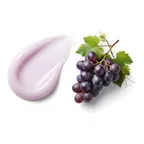 Vitis Vinifera Seed Extract Grape Seed Extract
Average
- AverageOily Skin Fit
- AverageEffectiveness
- HighSafety
Works for oily acne-prone skin; other cleansers fit it better.
- Clinical, Cosmetic and Investigational Dermatology, 2017
- Colloids and Surfaces. B, Biointerfaces, 2019
This fit is calculated for the concerns frequently associated with oily acne-prone skin: shine, breakouts, blemishes, and enlarged pores. For scores and recommendations based on your full skin profile, including your 12D face scan results and any goals or preferences you have, please use the Lovi app.
Updated How the Fit score works
Lovi Assistant explains
- Offers moderate cleansing for your oily skin, as decyl glucoside and coco-caprylate caprate effectively remove impurities without stripping, while glycerin provides essential hydration. The formula lacks specialized ingredients like salicylic acid to directly target your acne, blemishes, and breakouts.
- While the cleanser is suitable for oily skin and offers general hydration, it does not provide strong oil control.
- The safety profile is excellent, with no risks of irritation for your oily skin due to the absence of harsh ingredients and the presence of soothing components like glycerin and tocopherol.
How to apply
- Use this cleanser as part of your AM and PM routine. Start using it daily to help clear your breakouts.
- Apply this cleanser as the first step in the morning and right after your pre-cleanser in the evening. Follow it with your toner and moisturizer.
- Gently massage a small amount of the cleanser onto your face using circular motions. Rinse thoroughly with lukewarm water and pat dry.
- Apply the cleanser on slightly damp skin to help clean deeply and remove excess oil. This works best for oily skin types.
- Avoid the sensitive eye area during application. Do a patch test before your first use.
People Say
★4.7Overall rating based on 200+ reviewsWhile the potent citrus scent and lotion-like texture are favorites for most, some users with oily skin or those who prefer a sudsy lather may find it leaves a residue or fails to feel "clean" enough.
Highlights
Deeply hydrating Mostly Mentioned
- “Non-drying formula”
- “leaves skin soft”
- “moisturizing texture”
- “good for winter dryness”
Gentle on sensitive skin Often Mentioned
- “no irritation”
- “calms redness”
- “great for post-peel”
Invigorating citrus scent Often Mentioned
- “Smells like oranges”
- “fresh citrus aroma”
- “spa-like fragrance”
- “delicious orange smell”
Creamy texture Sometimes Noted
- “Feels like lotion”
- “silky consistency”
- “spreads easily”
- “luxurious feel”
Effective makeup removal Sometimes Noted
- “Melts away makeup”
- “removes impurities”
- “cleanses well”
- “good for double cleanse”
Does not lather Sometimes Noted
- “No suds”
- “feels like cold cream”
- “doesn't foam up”
- “weird texture for cleanser”
High price point Sometimes Noted
- “Expensive for cleanser”
- “pricey”
- “cost is high”
- “not budget-friendly”
Packaging pump issues Sometimes Noted
- “Pump stops working”
- “hard to get product out”
- “heavy bottle design”
- “broken dispenser”
Caused breakouts Rarely Noted
- “Caused cystic acne”
- “skin broke out”
- “not for oily skin”
- “clogged pores”
Leaves residue Rarely Noted
- “Feels filmy”
- “leaves oily coating”
- “skin feels heavy”
- “sticky after rinsing”
Sources: lovi.care, walmart.com, lovelyskin.com, dermstore.com, imageskincare.com, womensblogtalk.com, and more
Questions and answers
How well does the Vital C Hydrating Facial Cleanser work for oily acne-prone skin?
This cleanser works moderately well for oily skin by washing away impurities without stripping, but it lacks targeted ingredients like salicylic acid for acne. A cleanser for this skin type needs soothing and effective ingredients like niacinamide and ceramides to control oil and clear breakouts without causing irritation.
Which ingredients make this cleanser a good fit for oily acne-prone skin?
Decyl glucoside and coco-caprylate caprate wash away dirt without drying your skin, while glycerin adds needed moisture. Because this cleanser lacks targeted ingredients for breakouts and oil control, an oily, acne-prone skin type needs a product with salicylic acid, niacinamide, ceramides, or probiotics to clear blemishes and balance oil.
What does Vitamin C do for oily acne-prone skin?
Vitamin C helps brighten skin and fade dark spots left by breakouts while smoothing out texture. It is a good fit for oily skin, though an average or weak fit product for this skin type also needs ingredients that control excess oil and soothe redness.
Journal of Cosmetic Dermatology, 2020Journal of Cosmetic Dermatology, 2023
What does Glycerin do for oily acne-prone skin?
Glycerin helps keep oily acne-prone skin hydrated without feeling heavy. It draws moisture into the skin while supporting the skin barrier so it stays soft and balanced.
The British Journal of Dermatology, 2008Clinical, Cosmetic and Investigational Dermatology, 2017
Where does this cleanser go in a skincare routine for oily acne-prone skin?
This cleanser goes in your morning and evening routine as the main cleansing step, and it is unlikely to irritate your skin. Oily acne-prone skin also needs products with targeted blemish-fighting ingredients like salicylic acid to properly manage breakouts.
Can I use this cleanser with retinol, and in what order?
Yes, you can use this cleanser with retinol by applying the cleanser first on your skin, rinsing it off, and then following up with your retinol treatment. This cleanser gently washes away dirt without stripping your face, making it unlikely to cause extra irritation when paired with retinol. Oily acne-prone skin needs a cleanser with ingredients like salicylic acid to directly target breakouts.
How often should I use this cleanser?
You can use this cleanser twice a day in the morning and evening as part of your regular routine. It is very gentle and unlikely to cause any irritation on your oily skin.
Can this cleanser clog pores, cause breakouts or purging for oily acne-prone skin?
This cleanser is unlikely to clog pores or cause breakouts for your oily skin because it has a very safe formula without harsh ingredients, though it also lacks blemish-fighting ingredients like salicylic acid. To better target breakouts and control oil, oily acne-prone skin needs a cleanser with specialized ingredients like salicylic acid and strong oil-absorbing components.
Can I use this cleanser around the eyes or on my body?
You can use this cleanser on your body and around the eyes, though the skin around the eyes is much thinner than on other areas. The formula has an excellent safety profile and is unlikely to cause irritation.
What the research says
A single application of a moisturizing fluid containing hyaluronic acid 1%, glycerin 5%, and Centella asiatica stem cells extract significantly increased skin hydration by 29% and reduced transepidermal water loss at 24 hours compared to baseline and an untreated control site in twenty healthy women.
Clinical, Cosmetic and Investigational Dermatology, 2017Hydrogels containing vitamin E-loaded nanostructured lipid carriers exhibited better occlusive properties and long-lasting effects, while vitamin E-loaded nanoemulsions performed a faster skin hydration effect and were selected as more attractive for skin application.
Colloids and Surfaces. B, Biointerfaces, 2019Co-encapsulation of alpha-tocopherol and alpha-tocopheryl acetate in nanostructured lipid carrier gel formulations significantly enhanced moisture retention up to 68% and improved skin elasticity in human volunteers compared to a solution gel.
Scientific Reports, 2025Topical application of 5% vitamin C cream significantly improved global clinical scores, increased skin microrelief density, and induced elastic tissue repair in photoaged skin compared to excipient control in healthy female volunteers.
Experimental Dermatology, 2003Topical application of VC-IP cream twice daily for 8 weeks reduces periorbital wrinkles in female subjects compared to a placebo cream.
Journal of Cosmetic Dermatology, 2022Topical treatment with 5% vitamin C and 0.1% madecassoside significantly improved clinical scores for wrinkles, suppleness, firmness, roughness, and skin hydration, along with functional and structural remodeling of the elastic fiber network in 20 female volunteers with photoaged skin after 6 months compared to baseline.
Experimental Dermatology, 2008The emollient V0034CR significantly reduced TEWL compared to vehicle and vehicle plus glycerol, and significantly increased corneometry scores compared to vehicle and vehicle plus petrolatum in healthy volunteers with dry skin, demonstrating combined barrier function improvement from petrolatum and hydration improvement from glycerol.
Journal of Cosmetic Dermatology, 2020Ten days of treatment with a cream containing 20% glycerin significantly increased skin hydration measured by corneometer values in 17 healthy volunteers compared to a placebo cream, but showed no influence on transepidermal water loss or skin sensitivity to an irritating surfactant.
International Journal of Cosmetic Science, 2001Niacinamide/glycerin body moisturizers provided better rapid and prolonged improvement of cosmetic xerosis through functional improvement of stratum corneum barrier function compared to no treatment and conventional moisturizers in female subjects.
Journal of Drugs in Dermatology, 2012Topical bakuchiol 0.5% applied twice daily compared with retinol 0.5% applied daily significantly decreased wrinkle surface area and hyperpigmentation with no statistical difference between the compounds in 44 patients over 12 weeks, while retinol users reported more facial skin scaling and stinging.
The British Journal of Dermatology, 2019Topical 0.3% and 1% retinol comparably improved biomarkers of cutaneous photoageing in photoaged volunteers, while 0.3% retinol demonstrated better tolerance with fewer and milder adverse events compared to 1% retinol in a daily escalation regimen.
International Journal of Cosmetic Science, 2022Daily application of 0.3% and 0.5% retinol serums in 37 volunteers over 12 weeks reduced skin hyperpigmentation, unevenness, and wrinkles on both sides of the face, with the 0.5% concentration causing more frequent and intense skin irritation.
Skin Pharmacology and Physiology, 2020Topical application of an antioxidant serum containing 15% ascorbic acid, 0.5% ferulic acid, and 1% tocopherol prevented particulate matter-induced degradation of extracellular matrix components, inflammation, and oxidative stress in the skin of 15 female volunteers compared to untreated controls.
Journal of Cosmetic Dermatology, 2025Dermatological products containing d-alpha tocopheryl acetate showed non-comedogenic potential with less than a 50% increase in microcomedones in 12 healthy male subjects compared to octyl palmitate.
Contemporary Clinical Trials Communications, 2021Topical application of an antioxidant mix containing 15% ascorbic acid, 0.5% ferulic acid, and 1% tocopherol prevented PM and UV-induced skin barrier perturbation, lipid peroxidation, inflammatory markers, MMP9 activation, and Type I collagen loss in 15 healthy females compared to untreated exposed skin.
Journal of Cosmetic Dermatology, 2024Oligomeric proanthocyanidin topical cream and lotion significantly reduced UV-induced erythema by 45.9% and 53.1% respectively and increased skin hydration by nearly 20% in human subjects, with dietary supplementation providing additional suppression of erythema and higher skin hydration.
Skin Pharmacology and Physiology, 2007Topical application of a water-in-oil emulsion containing 2% Muscat hamburg grape seed extract significantly improved melanin, elasticity, and sebum content compared to a placebo in human volunteers over 8 weeks, with no reported skin hypersensitivity.
International Journal of Cosmetic Science, 2015Topical application of oligomeric proanthocyanidins cream immediately after UV exposure significantly decreased UV-induced ultra-weak photon emission by approximately 30% and reduced skin sensitization in 25 healthy female subjects compared to untreated skin.
Journal of Photochemistry and Photobiology. B, Biology, 2010
Why other cleansers fit oily acne-prone skin better
Topical application of Lactobacillus plantarum-GMNL6 enhanced collagen synthesis and SPTSSA gene expression while reducing melanin synthesis, Staphylococcus aureus biofilm, and Cutibacterium acnes proliferation, leading to clinical improvements in skin moisture, color, spots, wrinkles, UV spots, and porphyrins in human volunteers.
International Journal of Medical Sciences, 2021A novel emulsion containing niacinamide, lens esculenta seed extract, and white willow bark extract effectively improved acne, blackheads, and conspicuous facial pores in 30 subjects with oily skin.
Journal of Cosmetic Dermatology, 2024A panthenol-enriched mask improved skin hydration, regulated sebum, and reduced redness and TEWL across dry sensitive, oily sensitive, and oily acne skin subgroups with excellent tolerance and no adverse reactions.
Journal of Cosmetic Dermatology, 2024
Ingredients
Water, Isododecane, Cetearyl Olivate, Cetyl Alcohol, Neopentyl Glycol Dicaprylate Dicaprate, Caprylic Capric Triglyceride, Citrus Aurantium Dulcis Peel Oil, Sorbitan Olivate, Limonene, Stearic Acid, Glyceryl Stearate, Peg-100 Stearate, Coco-Caprylate Caprate, Decyl Glucoside, Glycereth-26, C10-16 Alkyl Glucoside, Glycerin, Xanthan Gum, Magnesium Aluminum Silicate, Ethylhexylglycerin, Clove Oil Leaf, Retinyl Palmitate, Sodium Ascorbyl Phosphate, Butylene Glycol, Tocopheryl Acetate, Yeast Polysaccharides, Sodium Hydroxide, Ascorbyl Palmitate, Tocopherol, Vitis Vinifera Seed Extract Grape Seed Extract, Alchemilla Vulgaris Extract, Saponaria Officinalis Root Extract Leaf, Pentylene Glycol, Tromethamine, Superoxide Dismutase, Phenoxyethanol, Eugenol
Behind this fit score
Lovi calculates every fit score from the full ingredient list with brand-independent rules our dermatologists and cosmetic chemists build and review, and personalizes every pick with AI trained on the real results of millions of users. Lovi trains its fit score models on a proprietary dataset built from more than 10,000 expert-labeled products and more than 100,000 simulated examples, following an internally consistent methodology presented at Cosmoprof, AMWC, and Skin of Color Update.
-

Co-founder, Medical Director
Cosmetic chemist, cosmetologist, aesthetic products developer
-

Co-founder, CEO and CTO
PhD in computer science, 3x US patent holder, ex-Google, ex-Yandex
-

Dr. Sofía Perea Pérez, MD, MSc
Medical Board
Aesthetic medicine practitioner, MSc in Longevity and Anti-Aging Medicine
-

Medical Board
Specialist dermatologist, MBBS, MD, IFAAD
-

Medical Board
Cosmetic chemist, SCS, IFSCC member
-

Medical Board, Medical Advisor
Dermatology MD
-

Elina Nazarenko, MD
Medical Board
Dermatology and diagnostic consultant
-

Victoria Derkova, MS
Medical Board
Cosmetic chemist, cosmetic development technologist


How does it fit your skin?
Scan your face, then any product: Lovi shows how well it fits you and what fits even better.