
Good Molecules Gentle Retinol Cream for oily acne-prone skin

 Retinol
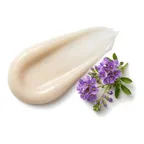 Bakuchiol
 Glycerin
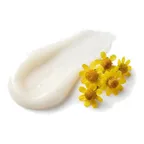 Acmella Oleracea Extract
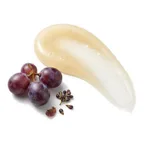 Vitis Vinifera Seed Oil Grape Seed Oil
Average
- AverageOily Skin Fit
- AverageEffectiveness
- HighSafety
Works for oily acne-prone skin; other serums fit it better.
This fit is calculated for the concerns frequently associated with oily acne-prone skin: shine, breakouts, blemishes, and enlarged pores. For scores and recommendations based on your full skin profile, including your 12D face scan results and any goals or preferences you have, please use the Lovi app.
Updated How the Fit score works
Lovi Assistant explains
- Offers moderate wrinkle reduction and mild support for your oily skin due to the presence of retinol and bakuchiol, which promote smoothing texture and mild exfoliation.
- Willow bark extract and green tea leaf extract provide additional benefits for oil control and antioxidant protection, though stronger oil-controlling components would enhance results.
- The product is safe for your oily skin, with no risks of irritation due to the absence of harsh ingredients and the inclusion of soothing agents like allantoin and bakuchiol.
How to apply
- Could be used as part of your PM routine. Start 3 times a week and build up to daily use if your skin tolerates it well.
- Apply your serum after cleansing and toning, but before putting on your moisturizer.
- Gently press 2 to 3 drops of the serum into your skin and let it absorb for a minute.
- Apply the serum on clean, dry skin to help manage your blemishes safely.
- Do a patch test before your first use and avoid the delicate eye area.
People Say
★4.6Overall rating based on 6.0k+ reviewsBased on a very large amount of data, this product is highly recommended as a gentle introduction to retinol, effectively improving skin texture and reducing fine lines without causing irritation. Users frequently report clearer skin and a more even tone. Some users find the formula too mild for significant anti-aging effects.
Highlights
Great price Mostly Mentioned
- “won't break the bank”
- “affordable skincare staple”
- “great value”
Very gentle Mostly Mentioned
- “no skin purging”
- “great for sensitive skin”
- “no irritation or redness”
- “gentle enough for eyes”
Skin improvements Often Mentioned
- “softened fine lines”
- “faded acne scars”
- “smoother texture”
- “glowy complexion”
Clean ingredients Sometimes Noted
- “fragrance-free”
- “vegan formula”
- “contains bakuchiol”
- “soothing ingredients”
Pleasant texture Sometimes Noted
- “lightweight cream”
- “absorbs quickly”
- “non-greasy finish”
- “moisturizing feel”
Too mild Sometimes Noted
- “didn't do anything”
- “results take months”
- “too weak for deep wrinkles”
- “no visible difference”
Caused breakouts Rarely Noted
- “caused cystic acne”
- “small bumps appeared”
- “made skin itchy”
Packaging issues Rarely Noted
- “hard to squeeze out”
- “tube splits open”
- “metal tube cracks”
- “cap broke”
Texture problems Rarely Noted
- “feels sticky”
- “suffocates skin”
- “leaves residue”
- “pills under makeup”
Unpleasant scent Rarely Noted
- “weird faint smell”
- “funky odor”
- “smells like plastic”
- “scent changed recently”
Sources: lovi.care, amazon.com, ulta.com, walmart.com, beautylish.com, target.com, and more
Questions and answers
How well does Good Molecules Gentle Retinol Cream work for oily acne-prone skin?
Good Molecules Gentle Retinol Cream works moderately well for your oily acne-prone skin, offering mild texture smoothing and oil control through retinol and bakuchiol. While it is safe and unlikely to cause irritation, this skin type generally benefits more from treatments that include stronger oil-controlling ingredients, niacinamide, or targeted blemish-fighting components.
Which ingredients make this cream a good fit for oily acne-prone skin?
Retinol and bakuchiol help smooth texture and reduce wrinkles, while willow bark extract and green tea leaf extract offer oil control and antioxidant protection. To fit oily acne-prone skin best, this type of product needs stronger oil-controlling components along with ingredients like niacinamide, propolis, benzoyl peroxide, or Vitamin C.
Journal of Cosmetic Dermatology, 2016The British Journal of Dermatology, 2019
What does Retinol do for oily acne-prone skin?
Retinol helps clear breakouts and manage acne by targeting the root causes beneath the skin. It is unlikely to directly reduce oil production, so a product for oily skin also needs ingredients that absorb or balance excess shine.
American Journal of Clinical Dermatology, 2019Journal of Drugs in Dermatology, 2018
What does Bakuchiol do for oily acne-prone skin?
Bakuchiol helps clear oily acne-prone skin by reducing pimples and dark spots left behind. It is gentle on the face and is unlikely to cause the heavy peeling or stinging that often comes with traditional acne treatments.
Journal of Drugs in Dermatology, 2021Clinical, Cosmetic and Investigational Dermatology, 2015
Where does this cream go in a skincare routine for oily acne-prone skin?
This treatment goes in the evening routine after cleansing and toning, and before moisturizing. Oily acne-prone skin needs a product of this type to include stronger oil-controlling components.
Can I use this cream with vitamin C, and in what order?
Use vitamin C and this cream apart: in different sessions of the same day or on different days. This approach helps you get the smoothing and oil-controlling benefits of both ingredients while keeping your skin calm.
How often should I use this cream?
This cream works for your oily acne-prone skin as an average fit, helping smooth texture and control oil. To get better results for this skin type, it needs stronger oil-controlling ingredients alongside its retinol and bakuchiol.
Can this cream clog pores, cause breakouts or purging for oily acne-prone skin?
This cream is unlikely to cause breakouts on oily skin, as it has a safe formula with soothing ingredients like allantoin and bakuchiol. However, because it contains retinol, it may occasionally cause mild purging as your skin adjusts to the smoothing and exfoliating effects.
The British Journal of Dermatology, 2019Journal of Cosmetic Dermatology, 2016
Is this cream fragrance-free and alcohol-free?
Yes, it has no fragrance and no drying alcohol.
What the research says
Topical application of retinol and retinoic acid both increased epidermal thickness and upregulated collagen genes and proteins in human skin, with retinol producing similar histological and molecular changes to retinoic acid alongside a significant reduction in facial wrinkles after 12 weeks.
Journal of Cosmetic Dermatology, 2016Topical bakuchiol 0.5% applied twice daily compared with retinol 0.5% applied daily significantly decreased wrinkle surface area and hyperpigmentation with no statistical difference between the compounds in 44 patients over 12 weeks, while retinol users reported more facial skin scaling and stinging.
The British Journal of Dermatology, 2019A novel emulsion containing niacinamide, lens esculenta seed extract, and white willow bark extract effectively improved acne, blackheads, and conspicuous facial pores in 30 subjects with oily skin.
Journal of Cosmetic Dermatology, 2024A dermocosmetic containing bakuchiol, Ginkgo biloba extract, and mannitol improves inflammatory lesions, Investigator Global Assessment, and seborrhea intensity when added to adapalene 0.1% gel in patients with acne vulgaris.
Clinical, Cosmetic and Investigational Dermatology, 2015Topical 0.3% and 1% retinol comparably improved biomarkers of cutaneous photoageing in photoaged volunteers, while 0.3% retinol demonstrated better tolerance with fewer and milder adverse events compared to 1% retinol in a daily escalation regimen.
International Journal of Cosmetic Science, 2022Daily application of 0.3% and 0.5% retinol serums in 37 volunteers over 12 weeks reduced skin hyperpigmentation, unevenness, and wrinkles on both sides of the face, with the 0.5% concentration causing more frequent and intense skin irritation.
Skin Pharmacology and Physiology, 2020Topical application of 0.1% retinol induced CRABP2 and HBEGF gene expression, increased keratinocyte proliferation and epidermal thickness ex vivo, and improved major skin aging signs without significant adverse reactions in 48 volunteers compared to placebo.
Skin Pharmacology and Physiology, 2009Topical application of a serum containing supramolecular Bakuchiol and Terminalia chebula extract significantly improved barrier function, reduced redness and sensitivity, and improved wrinkles and elasticity in 34 Chinese subjects with sensitive skin after 28 days.
Health Science Reports, 2025Bakuchiol functions as an anti-aging compound through retinol-like regulation of gene expression, producing significant improvements in lines, wrinkles, pigmentation, elasticity, firmness, and photo-damage after 12 weeks of twice-a-day facial application without usual retinol therapy-associated undesirable effects.
International Journal of Cosmetic Science, 2014A nature-based bakuchiol-containing cleanser and moisturizer improved visual and tactile smoothness, clarity, radiance, overall appearance, global anti-aging, and skin moisture content by 16% in 60 female subjects with sensitive mild to moderate photodamaged skin over 4 weeks.
Journal of Drugs in Dermatology, 2020A single application of a moisturizing fluid containing hyaluronic acid 1%, glycerin 5%, and Centella asiatica stem cells extract significantly increased skin hydration by 29% and reduced transepidermal water loss at 24 hours compared to baseline and an untreated control site in twenty healthy women.
Clinical, Cosmetic and Investigational Dermatology, 2017The emollient V0034CR significantly reduced TEWL compared to vehicle and vehicle plus glycerol, and significantly increased corneometry scores compared to vehicle and vehicle plus petrolatum in healthy volunteers with dry skin, demonstrating combined barrier function improvement from petrolatum and hydration improvement from glycerol.
Journal of Cosmetic Dermatology, 2020Ten days of treatment with a cream containing 20% glycerin significantly increased skin hydration measured by corneometer values in 17 healthy volunteers compared to a placebo cream, but showed no influence on transepidermal water loss or skin sensitivity to an irritating surfactant.
International Journal of Cosmetic Science, 2001An Acmella oleracea extract-loaded glycolipid emulsion serum applied topically demonstrated safety with no ocular irritation or systemic dermal absorption, alongside significant improvements in facial skin hydration, smoothness, and reductions in roughness, scaliness, and wrinkles.
International Journal of Cosmetic Science, 2025A novel formulation containing supramolecular retinol plus acmella oleracea extract significantly reduced dark circles by 13.8% in melanin index, decreased fine wrinkles, and increased skin firmness by 13.0% in 33 Chinese urban women after 6 weeks of use.
Journal of Cosmetic Dermatology, 2022Grapeseed oil-loaded dermocosmetic nanoemulgel applied on the cheeks of healthy volunteers significantly reduced skin melanin, erythema, sebum production, and pores while increasing moisture and elasticity compared to a placebo.
Journal of Cosmetic Dermatology, 2022An ionic liquid-based grapeseed oil emulsion increased transdermal penetration by 4.63-fold and improved skin hydration, firmness, elasticity, and facial wrinkles after 28 days of continuous use compared to ordinary emulsion.
Pharmaceuticals, 2024
Why other serums fit oily acne-prone skin better
Topical benzoyl peroxide 5% gel treatment improved acne severity, sebum, stratum corneum hydration, and transepidermal water loss, while significantly reducing microbial diversity and the prevalence of Cutibacterium in 33 patients with acne vulgaris.
Dermatologic Therapy, 2022A cream combining propolis, tea tree oil, and Aloe vera reduced erythema scars, acne severity index, and total lesion count better than erythromycin cream in sixty patients with mild to moderate acne vulgaris compared to placebo.
Clinical Pharmacology, 2018Co-delivery of paeonol and madecassoside via nanoemulsions improved transdermal delivery, promoted barrier repair proteins, inhibited inflammatory cytokine secretion in cellular and 3D models, and reduced transepidermal water loss and acne in human facial skin compared to free components.
Molecules, 2023
Ingredients
Water, C13-16 Isoparaffin, Glycerin, Diheptyl Succinate, Heptyl Undecylenate, 1,2-Hexanediol, Ammonium Acryloyldimethyltaurate Vp Copolymer, Polyglyceryl-10 Oleate, Propanediol, Vitis Vinifera Seed Oil Grape Seed Oil, Caprylic Capric Triglyceride, Bakuchiol, Tocopherol, Acmella Oleracea Extract, Butylene Glycol, Retinol, Allantoin, Helianthus Annuus Seed Oil Sunflower Seed Oil, Capryloyl Glycerin Sebacic Acid Copolymer, Ethylhexylglycerin, Willow Bark Extract, Camellia Sinensis Leaf Extract, Lilium Candidum Bulb Extract
Behind this fit score
Lovi calculates every fit score from the full ingredient list with brand-independent rules our dermatologists and cosmetic chemists build and review, and personalizes every pick with AI trained on the real results of millions of users. Lovi trains its fit score models on a proprietary dataset built from more than 10,000 expert-labeled products and more than 100,000 simulated examples, following an internally consistent methodology presented at Cosmoprof, AMWC, and Skin of Color Update.
-

Co-founder, Medical Director
Cosmetic chemist, cosmetologist, aesthetic products developer
-

Co-founder, CEO and CTO
PhD in computer science, 3x US patent holder, ex-Google, ex-Yandex
-

Dr. Sofía Perea Pérez, MD, MSc
Medical Board
Aesthetic medicine practitioner, MSc in Longevity and Anti-Aging Medicine
-

Medical Board
Specialist dermatologist, MBBS, MD, IFAAD
-

Medical Board
Cosmetic chemist, SCS, IFSCC member
-

Medical Board, Medical Advisor
Dermatology MD
-

Elina Nazarenko, MD
Medical Board
Dermatology and diagnostic consultant
-

Victoria Derkova, MS
Medical Board
Cosmetic chemist, cosmetic development technologist


How does it fit your skin?
Scan your face, then any product: Lovi shows how well it fits you and what fits even better.