
Fresh Black Tea Firming Corset Serum for oily acne-prone skin

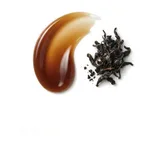 Black Tea Extract
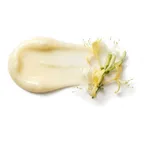 Honeysuckle Leaf Extract
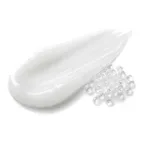 Palmitoyl Tetrapeptide-7
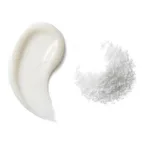 Acetyl Dipeptide-1 Cetyl Ester
 Squalane
Average
- HighOily Skin Fit
- AverageEffectiveness
- HighSafety
Works for oily acne-prone skin; other serums fit it better.
This fit is calculated for the concerns frequently associated with oily acne-prone skin: shine, breakouts, blemishes, and enlarged pores. For scores and recommendations based on your full skin profile, including your 12D face scan results and any goals or preferences you have, please use the Lovi app.
Updated How the Fit score works
Lovi Assistant explains
- Offers moderate benefits for your oily skin, as Saccharomyces Xylinum Black Tea Ferment and Litchi Chinensis Seed Extract help regulate sebum production and provide antioxidant activity. Acetyl dipeptide-1 cetyl ester and palmitoyl tetrapeptide-7 offer firming and tightening effects, though specialized ingredients for acne and breakouts are lacking.
- Glycerin and butylene glycol provide general hydration, supporting overall skin health without directly addressing your primary concerns of acne and blemishes.
- The product is safe for your oily skin, with no risks of irritation due to the absence of harsh ingredients and the inclusion of soothing components.
How to apply
- Could be used as part of your PM routine. Start 3 times a week and build up to daily use if your skin tolerates it well.
- Apply your serum after cleansing and toning, but before putting on your moisturizer.
- Gently press 2 to 3 drops of the serum into your skin and let it absorb for a minute.
- Apply the serum on clean, dry skin to help manage your blemishes safely.
- Do a patch test before your first use and avoid the delicate eye area.
Questions and answers
How well does fresh Black Tea Firming Corset Serum work for oily acne-prone skin?
This treatment offers moderate benefits for your oily skin, as it helps manage oil and firms the skin, though it lacks specialized ingredients for breakouts. To fit this skin better, a product of this type needs effective ingredients like niacinamide, propolis, or vitamin C for acne and blemishes, alongside oil-controlling components.
Which ingredients make this serum a good fit for oily acne-prone skin?
Saccharomyces xylinum black tea ferment and litchi chinensis seed extract make this serum a fit for oily skin by helping regulate oil production, while acetyl dipeptide-1 cetyl ester and palmitoyl tetrapeptide-7 help firm the skin. However, because it lacks specialized ingredients for acne and breakouts, a treatment for this skin needs effective ingredients like niacinamide, propolis, or vitamin C to target blemishes while controlling excess oil.
What does Black Tea Extract do for oily acne-prone skin?
Black tea extract helps calm oily, acne-prone skin by reducing pimples and excess oil. Topical use of tea extracts may significantly decrease both red spots and clogged pores, while supporting a clearer and smoother complexion.
Clinical, Cosmetic and Investigational Dermatology, 2019Phytotherapy Research, 2021
What does Honeysuckle Leaf Extract do for oily acne-prone skin?
Honeysuckle leaf extract helps calm oily, acne-prone skin and may reduce redness and swelling around blemishes. It works well in lightweight gels that keep pores clear without feeling heavy.
Where does this serum go in a skincare routine for oily acne-prone skin?
This serum goes in your evening routine, after cleansing and before moisturizing, for simplicity and extra safety around sun exposure. An oily acne-prone skin type needs a treatment with targeted breakout-fighting ingredients like salicylic acid or benzoyl peroxide to fully address blemishes.
Can I use this serum with retinol, and in what order?
You can use this serum with retinol, applying the treatment after your retinol or hydrating toner to support your skin without irritation. Because this product offers only moderate benefits for oily, acne-prone skin, an oily skin type needs targeted ingredients that actively clear breakouts and control oil.
How often should I use this serum?
This serum works well in your evening routine, where you can apply it safely without risking irritation on your oily skin. To truly address your oily acne-prone skin, a product of this type needs targeted acne-fighting ingredients alongside sebum-regulating and soothing components.
Can this serum clog pores, cause breakouts or purging for oily acne-prone skin?
This serum is unlikely to clog pores or cause breakouts on oily skin, as it has a safe formula without harsh ingredients that could irritate. However, because it lacks specialized ingredients for acne and blemishes, oily acne-prone skin needs targeted blemish-fighting ingredients and oil-balancing agents.
Is this serum fragrance-free and alcohol-free?
It has no drying alcohol and contains fragrance (parfum, linalool, citronellol, and geraniol).
What the research says
A multi-modal methodology combining MALDI-MSI, in vivo RCM, echography, and histology revealed age-related decreases in extracellular matrix and epidermal-dermal junction proteins and undulation depth, while a blend of palmitoyl oligopeptide and palmitoyl tetrapeptide-7 improved subepidermal low-echogenic band thickness, density, and extracellular matrix structure compared to placebo.
Journal of Cosmetic Dermatology, 2015A single application of a moisturizing fluid containing hyaluronic acid 1%, glycerin 5%, and Centella asiatica stem cells extract significantly increased skin hydration by 29% and reduced transepidermal water loss at 24 hours compared to baseline and an untreated control site in twenty healthy women.
Clinical, Cosmetic and Investigational Dermatology, 2017An anti-acne hydrogel containing Aloe barbadensis, Garcinia mangostana, and Camellia sinensis extracts showed superior antiacne and antiblotch activities compared to 1% clindamycin gel in sixty subjects with mild-moderate acne.
Clinical, Cosmetic and Investigational Dermatology, 2019Chlorogenic acid-functionalized silver nanoparticles of Citrus sinensis in a gel matrix achieved a particle size of 71.78 nm and an entrapment efficiency of 79.42%, providing an effective drug carrier system for the topical treatment of acne.
Journal of Cosmetic Dermatology, 2023Topical and in vitro application of a Camellia sinensis leaf extract demonstrated immunomodulatory, detoxification, anti-inflammatory, and antioxidant properties while improving mood states, skin hydration, barrier function, rejuvenation, and facial skin health.
International Journal of Cosmetic Science, 2025Topical application of standardized black tea extract prior to or after UVB exposure reduced erythema, skinfold thickness, inflammation, and the accumulation of c-fos and p53 proteins in murine and human skin.
Photochemistry and Photobiology, 1999Topical application of black tea gel prevented UV-induced erythema in all six subjects compared to unprotected control sites where erythema appeared after 4 hours.
International Journal of Cosmetic Science, 2007Lonicera japonica and Citri Reticulatae Pericarpium Polyphenolic Extract (LCPE) reduces inflammation-mediating cytokines COX-2 and iNOS and inhibits NF-kB and MAPK pathways in lipopolysaccharide-induced skin keratinocytes.
Antioxidants, 2023Sweroside isolated from Lonicera japonica inhibited melanogenesis and decreased tyrosinase, TRP-1, and TRP-2 protein production in melan-a cells while activating Akt and ERK signaling pathways, and inhibited body pigmentation and tyrosinase activity in a zebrafish in vivo model.
Chemico-biological Interactions, 2015Flower buds of Lonicera japonica Thunb. and chlorogenic acid inhibit histamine production and the expression of 53-kDa HDC in a three-dimensional human keratinocyte culture.
Molecules, 2014Cosmetic products containing 4-t-butylcyclohexanol demonstrated a faster and more pronounced soothing effect on capsaicin-induced burning compared to those containing acetyl dipeptide-1 cetyl ester in volunteers with sensitive skin.
Journal of the European Academy of Dermatology and Venereology, 2016Application of fullerene-C60 dissolved in squalane cream twice daily for 8 weeks significantly enhanced skin moisture and reduced wrinkle formation compared to placebo in 23 Japanese women without severe side effects.
Journal of Nanoscience and Nanotechnology, 2010Squalane at 0.005-0.015% counteracts UVA-induced oxidative stress, inflammation, and collagen metabolism inhibition while stimulating fibroblast migration in human dermal fibroblasts.
Molecules, 2025Plant-derived squalane protected human dermal fibroblasts against UVA-induced damage by counteracting ROS formation, suppressing apoptosis-related proteins p53, caspase-3, caspase-9, and PARP, and restoring the pro-survival p-Akt/mTOR pathway.
Antioxidants, 2025
Why other serums fit oily acne-prone skin better
Topical UP256 cream containing 0.5% bakuchiol administered twice daily significantly reduced inflammatory lesions and improved acne-related post-inflammatory hyperpigmentation in 13 subjects with mild or moderate facial acne.
Journal of Drugs in Dermatology, 2021Co-delivery of paeonol and madecassoside via nanoemulsions improved transdermal delivery, promoted barrier repair proteins, inhibited inflammatory cytokine secretion in cellular and 3D models, and reduced transepidermal water loss and acne in human facial skin compared to free components.
Molecules, 2023A cream combining propolis, tea tree oil, and Aloe vera reduced erythema scars, acne severity index, and total lesion count better than erythromycin cream in sixty patients with mild to moderate acne vulgaris compared to placebo.
Clinical Pharmacology, 2018
Ingredients
Water, Glycerin, Butylene Glycol, Pentylene Glycol, Methyl Gluceth-20, Peg-150, Peg-6 Caprylic Capric Glycerides, Acacia Senegal Gum, Peg-40 Hydrogenated Castor Oil, Saccharomyces Xylinum Black Tea Ferment, Blackberry Leaf Extract, Lonicera Japonica Leaf Extract Honeysuckle Leaf Extract, Litchi Chinensis Seed Extract, Camellia Sinensis Leaf Extract, Tocopheryl Acetate, Acetyl Dipeptide-1 Cetyl Ester, Palmitoyl Tetrapeptide-7, Peg-90, Squalane, Lecithin, Carbomer, Sorbitan Laurate, Sorbitol, Parfum, Sodium Acrylates Copolymer, Rhizobian Gum, Hydrolyzed Jojoba Esters, Maltodextrin, Algin, Sodium Hydroxide, Xanthan Gum, Polyquaternium-51, Adenosine, Hydroxyethylcellulose, Polyvinyl Alcohol, Lactic Acid, Cellulose Gum, Potassium Sorbate, Sodium Benzoate, Phenoxyethanol, Linalool, Citronellol, Geraniol
Behind this fit score
Lovi calculates every fit score from the full ingredient list with brand-independent rules our dermatologists and cosmetic chemists build and review, and personalizes every pick with AI trained on the real results of millions of users. Lovi trains its fit score models on a proprietary dataset built from more than 10,000 expert-labeled products and more than 100,000 simulated examples, following an internally consistent methodology presented at Cosmoprof, AMWC, and Skin of Color Update.
-

Co-founder, Medical Director
Cosmetic chemist, cosmetologist, aesthetic products developer
-

Co-founder, CEO and CTO
PhD in computer science, 3x US patent holder, ex-Google, ex-Yandex
-

Dr. Sofía Perea Pérez, MD, MSc
Medical Board
Aesthetic medicine practitioner, MSc in Longevity and Anti-Aging Medicine
-

Medical Board
Specialist dermatologist, MBBS, MD, IFAAD
-

Medical Board
Cosmetic chemist, SCS, IFSCC member
-

Medical Board, Medical Advisor
Dermatology MD
-

Elina Nazarenko, MD
Medical Board
Dermatology and diagnostic consultant
-

Victoria Derkova, MS
Medical Board
Cosmetic chemist, cosmetic development technologist


How does it fit your skin?
Scan your face, then any product: Lovi shows how well it fits you and what fits even better.