
Farmacy Honey Drop Lightweight Moisturizer for oily acne-prone skin

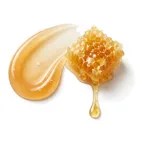 Honey
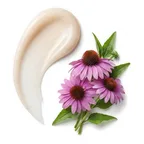 Echinacea Greenenvy
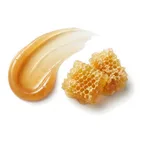 Propolis Extract
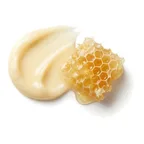 Royal Jelly Extract
 Triple Hyaluronic Acid Complex
Average
- HighOily Skin Fit
- AverageEffectiveness
- HighSafety
Works for oily acne-prone skin; other moisturizers fit it better.
This fit is calculated for the concerns frequently associated with oily acne-prone skin: shine, breakouts, blemishes, and enlarged pores. For scores and recommendations based on your full skin profile, including your 12D face scan results and any goals or preferences you have, please use the Lovi app.
Updated How the Fit score works
Lovi Assistant explains
- Offers moderate hydration for your oily skin due to glycerin and hydrolyzed hyaluronic acid, which provide humectant action without being overly occlusive, but lacks targeted ingredients to effectively address acne, blemishes, and breakouts.
- The inclusion of honey extract and royal jelly extract offers excellent moisturizing benefits and enhances barrier resilience, contributing to overall skin health.
- The safety profile is excellent, with no risks of irritation for your oily skin due to the absence of harsh ingredients and the presence of soothing components.
How to apply
- Use this AM and PM routine every day to help clear your skin. Always remember to finish with SPF in the morning.
- Apply the moisturizer after your cleanser and toner, right before your SPF during the day.
- Gently press a small amount into your skin and avoid rubbing to keep pores clear.
- Apply on clean, slightly damp skin to help the product absorb better and control oil.
- Avoid the sensitive eye area and do a simple patch test before your first use.
People Say
★4.8Overall rating based on 100+ reviewsBased on limited data, this moisturizer is highly praised for its lightweight, gel-cream texture that absorbs quickly to provide lasting hydration without leaving a greasy or sticky residue. It is frequently recommended for oily, combination, and acne-prone skin, though some users note it may require a heavier product in extremely dry winter conditions.
Highlights
Lightweight texture Mostly Mentioned
- “Feels like nothing on”
- “Very unique texture”
- “Absorbs quickly”
Hydrating formula Often Mentioned
- “Keeps skin hydrated”
- “Plumps and nourishes”
- “Lasting hydration”
Non-greasy finish Often Mentioned
- “Not sticky or heavy”
- “No greasy effect”
- “Leaves skin fresh”
Acne-friendly Sometimes Noted
- “Not broken me out”
- “Controls oils”
- “Works with oily skin”
Innovative packaging Sometimes Noted
- “Magnetic wooden cap”
- “Cute metal spatula”
- “Sanitary and convenient”
Contains alcohol Rarely Noted
- “Contains small amount of alcohol”
- “Not for those who dislike alcohol”
Jar packaging Rarely Noted
- “Not a fan of jar”
- “Prefer air-less jar”
- “Exposed to air”
Potential sensitivity Rarely Noted
- “Contains fragrance”
- “May not be ideal for sensitive skin”
Winter moisture Rarely Noted
- “More dry in winter”
- “Skin needs more”
- “Not enough for dry air”
Sources: lovi.care, sephora.ph, livethatglow.com, musingsofamuse.com, btyaly.com, muffinchanel.com, and more
Questions and answers
How well does Farmacy Honey Drop work for oily acne-prone skin?
Farmacy Honey Drop works moderately well for oily acne-prone skin, providing balanced moisture with glycerin and hyaluronic acid without feeling heavy. However, it lacks targeted ingredients to address breakouts and blemishes. A moisturizer for this skin type needs powerful hydrating and repairing ingredients that clear blemishes and improve texture without clogging pores.
Which ingredients make this cream a good fit for oily acne-prone skin?
Glycerin and hydrolyzed hyaluronic acid help provide moderate hydration without feeling heavy, while honey and royal jelly extracts support skin health. Oily acne-prone skin needs products with targeted ingredients that address breakouts and blemishes while maintaining a lightweight feel.
What does Honey do for oily acne-prone skin?
Honey helps calm oily, acne-prone skin and may fight the bacteria that lead to breakouts. It is unlikely to cause irritation and works well to keep skin soft while reducing redness.
Current Microbiology, 2026Journal of Integrative Medicine, 2013
What does Echinacea do for oily acne-prone skin?
Echinacea helps oily acne-prone skin by fighting bacteria and calming swelling. It may help keep your skin clear and comfortable without causing irritation.
Phytotherapy Research, 2011International Journal of Cosmetic Science, 2010
Where does it go in a skincare routine for oily acne-prone skin?
This moisturizer goes after your cleanser and toner in the morning, and after your cleanser, toner, and treatment in the evening. It provides moderate hydration with ingredients like glycerin and hyaluronic acid while helping keep your skin calm and soft.
The Journal of Dermatological Treatment, 2022Clinical, Cosmetic and Investigational Dermatology, 2017
Can I use this cream with retinol, and in what order?
You can use this moisturizer with retinol by applying the cream after your retinol treatment to help soothe your skin and keep it soft. Oily acne-prone skin needs a moisturizer for this skin type that also includes targeted blemish-fighting ingredients to properly manage breakouts while using retinol.
How often should I use it?
Use this moisturizer twice a day, in both your morning and evening routines. Daily use helps keep your oily skin soft and hydrated without feeling heavy, and it has an excellent safety profile that is unlikely to cause irritation.
Journal of Cosmetic Dermatology, 2020Health Science Reports, 2021
Can this cream clog pores, cause breakouts or purging for oily acne-prone skin?
This moisturizer is unlikely to cause irritation or clog pores on oily skin because it lacks harsh ingredients and feels light, but it lacks targeted ingredients to actively address breakouts. An oily acne-prone skin type needs a product with acne-fighting ingredients like salicylic acid or benzoyl peroxide alongside lightweight, non-clogging hydrators.
International Journal of Cosmetic Science, 2010Clinical, Cosmetic and Investigational Dermatology, 2017
Can I use it around the eyes or on my body?
You can use this moisturizer around your eyes and on your body, as it offers a very safe option with soothing components and no harsh ingredients. While it provides good moisture for these areas, a product of this type needs targeted blemish-fighting ingredients to properly care for acne-prone skin.
Is this cream fragrance-free and alcohol-free?
It has no fragrance and contains drying alcohol (alcohol denat).
What the research says
A single application of a moisturizing fluid containing hyaluronic acid 1%, glycerin 5%, and Centella asiatica stem cells extract significantly increased skin hydration by 29% and reduced transepidermal water loss at 24 hours compared to baseline and an untreated control site in twenty healthy women.
Clinical, Cosmetic and Investigational Dermatology, 2017Applying an essence containing royal jelly extract significantly increased the stratum corneum water content of the cheeks compared to placebo in healthy Japanese adults over 4 weeks.
Journal of Cosmetic Dermatology, 2022Application of Echinacea purpurea cream and gel increased skin hydration up to 10.6 AU and 11.4 AU and decreased wrinkles by 9.47% and 14.92% without causing skin irritation in 10 healthy volunteers over 1 month.
International Journal of Cosmetic Science, 2010Topical application of a honey, olive oil, and beeswax mixture three times daily for up to 4 weeks resulted in clinical responses in 86% of patients with pityriasis versicolor, 78% with tinea cruris, and 75% with tinea corporis.
Complementary Therapies in Medicine, 2004Romanian honey varieties rich in phenolics exhibited anti- and pro-inflammatory effects, dose-dependent pro-proliferative effects, stimulated collagen synthesis, and enhanced cell migration in macrophage-like, fibroblast, and keratinocyte cell lines.
Life, 2024Topical application of Melipona marginata honey extract (1.0 mg/ear) reduced 12-O-tetradecanoylphorbol-13-acetate-induced ear edema by 54%, myeloperoxidase activity by 75%, and reactive oxygen species production by 55% in mice compared to the induced model.
Journal of Medicinal Food, 2014A cream combining propolis, tea tree oil, and Aloe vera reduced erythema scars, acne severity index, and total lesion count better than erythromycin cream in sixty patients with mild to moderate acne vulgaris compared to placebo.
Clinical Pharmacology, 2018Topically administered Romanian propolis extract attenuated malondialdehyde formation, restored glutathione peroxidase activity, decreased interleukin-6 levels, and reduced sunburn cell formation, apoptosis, epidermal hyperplasia, dermal inflammation, and cyclobutane pyrimidine dimers in mice exposed to UVB irradiation.
Food and Chemical Toxicology, 2013Topical application of Sydney propolis protected against UV-radiation-induced inflammation, lipid peroxidation, and immune suppression in hairless mouse skin in a dose-dependent manner.
International Archives of Allergy and Immunology, 2010A prototype body cream containing bee venom, propolis, honey, beeswax, and royal jelly demonstrated stability for 90 days, high antioxidant capacity of 85.45%, lack of cytotoxicity with over 70% cell viability, and no irritation or allergic reaction in dermatological analysis, while improving skin parameters in a panel test.
Journal of Cosmetic Dermatology, 2022Royal jelly and its component 10-HDA increase procollagen type I and TGF-beta1 production in UVB-irradiated human skin fibroblasts, potentially protecting against photoaging.
Journal of Medicinal Food, 2011Royal jelly protects against epidermal stress caused by UVB and menadione through the upregulation of NQO1 expression by its active compound 10-hydroxy-2-decenoic acid.
International Journal of Molecular Sciences, 2021Topical application of 0.1% hyaluronic acid formulations of different molecular weights led to significant improvements in skin hydration and elasticity, with low-molecular-weight formulations also significantly reducing wrinkle depth in seventy-six female subjects compared to a vehicle control.
Journal of Drugs in Dermatology, 2011Topical hyaluronic acid serum used twice daily by 40 females with facial photoaging produced an immediate 134% increase in skin hydration, a sustained 55% increase at week 6, and significant improvements in smoothness, plumping, fine lines, wrinkles, and global appearance without causing irritation.
Dermatology and Therapy, 2021A topical antioxidant serum significantly reduced air pollution-induced skin pigmentation and proinflammatory gene expression ex vivo, and improved skin aging signs in 40 healthy adult females after 90 days of daily use.
Journal of Cosmetic Dermatology, 2022
Why other moisturizers fit oily acne-prone skin better
Co-delivery of paeonol and madecassoside via nanoemulsions improved transdermal delivery, promoted barrier repair proteins, inhibited inflammatory cytokine secretion in cellular and 3D models, and reduced transepidermal water loss and acne in human facial skin compared to free components.
Molecules, 2023A panthenol-enriched mask improved skin hydration, regulated sebum, and reduced redness and TEWL across dry sensitive, oily sensitive, and oily acne skin subgroups with excellent tolerance and no adverse reactions.
Journal of Cosmetic Dermatology, 2024A facial serum containing snail secretion filtrate, Calendula officinalis, and Glycyrrhiza glabra root extract significantly reduced inflammatory acne lesions compared to placebo in 66 participants with mild-to-moderate maskne over 12 weeks.
Journal of Cosmetic Dermatology, 2022
Ingredients
Water, Glycereth-26, Glycerin, C13-15 Alkane, Alcohol Denat, Camellia Japonica Seed Oil, Methyl Gluceth-20, Echinacea Purpurea Root Extract, Honey Extract, Propolis Extract, Royal Jelly Extract, Hydrolyzed Hyaluronic Acid, Hydrolyzed Sodium Hyaluronate, Sodium Hyaluronate, Theobroma Grandiflorum Seed Butter, Limnanthes Alba Seed Oil, Paeonia Suffruticosa Root Extract, Scutellaria Baicalensis Root Extract, Allantoin, Melia Azadirachta Flower Extract, Lactobacillus Soybean Extract Ferment, Melia Azadirachta Leaf Extract, Imperata Cylindrica Root Extract, Mistletoe Leaf Extract, Solanum Melongena Fruit Extract, Ocimum Basilicum Leaf Extract Flower, Coccinia Indica Fruit Extract, Adenosine, Betaine, Capryloyl Glycerin Sebacic Acid Copolymer, Curcuma Longa Root Extract, Aloe Barbadensis Flower Extract, Corallina Officinalis Extract, Ocimum Sanctum Leaf Extract, Eclipta Prostrata Extract, Flavor, Sorbitan Olivate, Sucrose Stearate, Acrylates C10-30 Alkyl Acrylate Crosspolymer, Disodium Edta, Glyceryl Polyacrylate, Agar, Calcium Alginate, Mica, Iron Oxides Ci 77492, Propanediol, 1,2-Hexanediol, Diheptyl Succinate, Butylene Glycol, Carbomer, Hydroxyacetophenone, Tromethamine, Cetearyl Olivate, Phenoxyethanol, Caprylyl Glycol
Behind this fit score
Lovi calculates every fit score from the full ingredient list with brand-independent rules our dermatologists and cosmetic chemists build and review, and personalizes every pick with AI trained on the real results of millions of users. Lovi trains its fit score models on a proprietary dataset built from more than 10,000 expert-labeled products and more than 100,000 simulated examples, following an internally consistent methodology presented at Cosmoprof, AMWC, and Skin of Color Update.
-

Co-founder, Medical Director
Cosmetic chemist, cosmetologist, aesthetic products developer
-

Co-founder, CEO and CTO
PhD in computer science, 3x US patent holder, ex-Google, ex-Yandex
-

Dr. Sofía Perea Pérez, MD, MSc
Medical Board
Aesthetic medicine practitioner, MSc in Longevity and Anti-Aging Medicine
-

Medical Board
Specialist dermatologist, MBBS, MD, IFAAD
-

Medical Board
Cosmetic chemist, SCS, IFSCC member
-

Medical Board, Medical Advisor
Dermatology MD
-

Elina Nazarenko, MD
Medical Board
Dermatology and diagnostic consultant
-

Victoria Derkova, MS
Medical Board
Cosmetic chemist, cosmetic development technologist


How does it fit your skin?
Scan your face, then any product: Lovi shows how well it fits you and what fits even better.