
EPICUTIS Lipid Recovery Mask for oily skin

 Hydrolyzed sodium hyaluronate, sodium hyaluronate
 Glycerin
 Zinc Gluconate
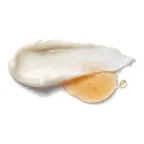 Disodium Tetramethylhexadecenyl Succinoyl Cysteine
Average
- AverageOily Skin Fit
- AverageEffectiveness
- HighSafety
Works for oily skin; other nourishing masks fit it better.
- Clinical, Cosmetic and Investigational Dermatology, 2017
- International Journal of Biological Macromolecules, 2018
This fit is calculated for the concerns frequently associated with oily skin: shine, enlarged pores, blackheads, and blemishes. For scores and recommendations based on your full skin profile, including your 12D face scan results and any goals or preferences you have, please use the Lovi app.
Updated How the Fit score works
Lovi Assistant explains
- Offers moderate suitability for your oily skin due to the humectant action of glycerin and sodium hyaluronate, which provide hydration and barrier support. These ingredients are beneficial for oily skin but do not directly address concerns about oily shine.
- The presence of zinc gluconate offers some astringent properties that can help manage oiliness.
- The product is safe for your oily skin, with no risks of irritation due to the absence of prohibited or harsh ingredients.
How to apply
- Use this creamy mask PM once a week to start, then increase frequency if your skin feels good.
- Apply this creamy mask after cleansing and toner, but before your moisturizer.
- Smooth an even layer of the creamy mask gently over your face, avoiding any harsh rubbing.
- Put the creamy mask on clean and completely dry skin for the best results against oily shine.
- Make sure to avoid the sensitive eye area and do a quick patch test before using it the first time.
People Say
★4.8Overall rating based on 200+ reviewsThis mask is widely praised for its ability to provide deep hydration and rapid relief to sensitive, dry, or post-procedure skin. Users frequently report that it effectively reduces redness, calms inflammation, and improves overall skin texture, making it a staple for recovery after treatments like microneedling or chemical peels.
Highlights
Calms redness/irritation Mostly Mentioned
- “Significantly reduced redness”
- “instantly calms inflammation”
- “soothes post-peel irritation”
Deeply hydrating Often Mentioned
- “Skin felt noticeably softer”
- “intense moisture boost”
- “relieved dry patches”
Speeds recovery Often Mentioned
- “Shortened my recovery time”
- “healed skin in days”
- “perfect for post-procedure”
Expensive product Often Mentioned
- “Wish it were cheaper”
- “expensive for one mask”
- “a luxury investment”
Cooling sensation Sometimes Noted
- “Feels amazing/cooling”
- “reduces heat on contact”
- “soothing jelly texture”
Extra serum Sometimes Noted
- “Plenty of leftover serum”
- “used extra for days”
- “great value in pouch”
Availability issues Rarely Noted
- “Hard to find in stores”
- “only available through clinics”
Best for recovery Rarely Noted
- “Not useful on healthy skin”
- “reserve for damaged skin”
- “too rich for daily use”
Sources: lovi.care, communikait.com, knoxglowaesthetics.com, reddit.com, skinelite.com, instagram.com, and more
Questions and answers
How well does the Lipid Recovery Mask work for oily skin?
This mask works reasonably well for oily skin because ingredients like glycerin and sodium hyaluronate provide hydration and support the skin barrier, while zinc gluconate helps manage oiliness. It is safe and unlikely to cause irritation, but it does not directly target oily shine. Oily skin works best with a nourishing mask that includes ingredients for oil control and mattifying properties.
Which ingredients make this mask a good fit for oily skin?
Glycerin, sodium hyaluronate, and zinc gluconate make this mask a decent fit by offering gentle hydration and helping manage oiliness without causing irritation. Oily skin of this type needs soothing ingredients and oil-control agents that mattify the skin while keeping pores clear.
What does Hydrolyzed Sodium Hyaluronate do for oily skin?
Hydrolyzed Sodium Hyaluronate helps keep oily skin hydrated without feeling heavy or greasy. It draws moisture into the skin to make it feel smooth and balanced, and it is very well tolerated with a very safe profile.
What does Hyaluronic Acid do for oily skin?
Hyaluronic acid helps oily skin by reducing extra oil and sebum production without causing irritation. Clinical studies show that it decreases lipid synthesis in the skin's oil glands, leaving the face balanced and calm.
Where does this mask go in a skincare routine for oily skin?
This mask fits into a weekly skincare routine for oily skin, but this skin type needs a product that also directly controls oily shine with ingredients like zinc gluconate.
Can I use this mask with retinol, and in what order?
You can use this mask with retinol, applying the mask after your retinol treatment to help soothe your skin and keep it comfortable. This product is safe to use together and is unlikely to cause irritation.
How often should I use this mask?
This mask is safe for your oily skin, though it offers moderate suitability because it provides hydration rather than addressing oily shine. To better care for oily skin, a product of this type needs ingredients that help manage excess oil and shine.
Can this mask clog pores, cause breakouts or purging for oily skin?
This mask is unlikely to clog pores or cause breakouts on oily skin because it has a safe formula free of harsh or irritating ingredients. However, to fully manage oily shine, this skin type needs balancing ingredients like salicylic acid or clay.
Is this mask fragrance-free and alcohol-free?
Yes, it has no fragrance and no drying alcohol.
What the research says
A single application of a moisturizing fluid containing hyaluronic acid 1%, glycerin 5%, and Centella asiatica stem cells extract significantly increased skin hydration by 29% and reduced transepidermal water loss at 24 hours compared to baseline and an untreated control site in twenty healthy women.
Clinical, Cosmetic and Investigational Dermatology, 2017Hyaluronic acid-based formulations exhibit remarkable anti-wrinkle, anti-aging, and skin rejuvenating effects via soft tissue augmentation, improved skin hydration, and face volume restoration.
International Journal of Biological Macromolecules, 2018Daily use of a deep cleansing gel containing salicylic acid 2%, zinc gluconate 0.2% and lipohydroxy acid 0.05% significantly reduced total lesion count by 56.3% after 84 days in 35 subjects with mild to moderate truncal acne.
Clinical, Cosmetic and Investigational Dermatology, 2023A dermocosmetic cream containing Punica granatum Pericarp extract, Salicylic acid, Niacinamide, Zinc gluconate, and Aqua Posae Filiformis significantly decreased inflammatory, non-inflammatory, and total lesion counts in subjects with mild to moderate acne compared to untreated hemi-faces after 15 days.
Journal of Cosmetic Dermatology, 2026Topical application of 0.1% hyaluronic acid formulations of different molecular weights led to significant improvements in skin hydration and elasticity, with low-molecular-weight formulations also significantly reducing wrinkle depth in seventy-six female subjects compared to a vehicle control.
Journal of Drugs in Dermatology, 2011Topical hyaluronic acid serum used twice daily by 40 females with facial photoaging produced an immediate 134% increase in skin hydration, a sustained 55% increase at week 6, and significant improvements in smoothness, plumping, fine lines, wrinkles, and global appearance without causing irritation.
Dermatology and Therapy, 2021A topical antioxidant serum significantly reduced air pollution-induced skin pigmentation and proinflammatory gene expression ex vivo, and improved skin aging signs in 40 healthy adult females after 90 days of daily use.
Journal of Cosmetic Dermatology, 2022The emollient V0034CR significantly reduced TEWL compared to vehicle and vehicle plus glycerol, and significantly increased corneometry scores compared to vehicle and vehicle plus petrolatum in healthy volunteers with dry skin, demonstrating combined barrier function improvement from petrolatum and hydration improvement from glycerol.
Journal of Cosmetic Dermatology, 2020Ten days of treatment with a cream containing 20% glycerin significantly increased skin hydration measured by corneometer values in 17 healthy volunteers compared to a placebo cream, but showed no influence on transepidermal water loss or skin sensitivity to an irritating surfactant.
International Journal of Cosmetic Science, 2001Niacinamide/glycerin body moisturizers provided better rapid and prolonged improvement of cosmetic xerosis through functional improvement of stratum corneum barrier function compared to no treatment and conventional moisturizers in female subjects.
Journal of Drugs in Dermatology, 2012Topical 0.5% hyaluronic-ZnO nanogel applied twice daily reduced inflammatory-lesion counts by 58% at week four in human subjects compared to baseline without causing erythema.
Biomedicines, 2025Topical zinc oxide nanogels formulated using Dendrobium anosmum showed greater effectiveness against Gram-positive acne-causing bacteria compared to chemogenic nanoparticles.
Molecules, 2023Tetramethylhexadecenyl succinyl cysteine reduced inflammation by blocking TPA- and UVB-induced cytokine production in keratinocytes, inhibiting IL-4 and IL-17 in TCR-activated PBMCs, and suppressing nickel-induced IL-6 and IL-8 in HDMECs, while also inhibiting cell growth of Streptococcus pyogenes.
International Journal of Cosmetic Science, 2015
Ingredients
Hydrolyzed Sodium Hyaluronate, Disodium Tetramethylhexadecenyl Succinoyl Cysteine, Glycerin, Pentasodium Dtpa, Pentylene Glycol, Propanediol, Sodium Hyaluronate, Water, Zinc Gluconate
Behind this fit score
Lovi calculates every fit score from the full ingredient list with brand-independent rules our dermatologists and cosmetic chemists build and review, and personalizes every pick with AI trained on the real results of millions of users. Lovi trains its fit score models on a proprietary dataset built from more than 10,000 expert-labeled products and more than 100,000 simulated examples, following an internally consistent methodology presented at Cosmoprof, AMWC, and Skin of Color Update.
-

Co-founder, Medical Director
Cosmetic chemist, cosmetologist, aesthetic products developer
-

Co-founder, CEO and CTO
PhD in computer science, 3x US patent holder, ex-Google, ex-Yandex
-

Dr. Sofía Perea Pérez, MD, MSc
Medical Board
Aesthetic medicine practitioner, MSc in Longevity and Anti-Aging Medicine
-

Medical Board
Specialist dermatologist, MBBS, MD, IFAAD
-

Medical Board
Cosmetic chemist, SCS, IFSCC member
-

Medical Board, Medical Advisor
Dermatology MD
-

Elina Nazarenko, MD
Medical Board
Dermatology and diagnostic consultant
-

Victoria Derkova, MS
Medical Board
Cosmetic chemist, cosmetic development technologist


How does it fit your skin?
Scan your face, then any product: Lovi shows how well it fits you and what fits even better.