
Eminence Organic Skin Care Strawberry Rhubarb Dermafoliant for oily skin

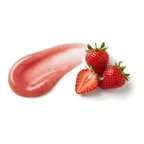 Strawberry
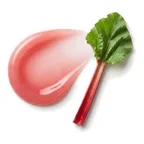 Rhubarb
 Lactic Acid
 Salicylic Acid
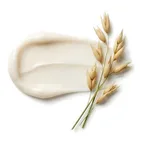 Oat
High
- HighOily Skin Fit
- HighEffectiveness
- ExcellentSafety
A great choice for oily skin; a few products fit it even better.
This fit is calculated for the concerns frequently associated with oily skin: shine, enlarged pores, blackheads, and blemishes. For scores and recommendations based on your full skin profile, including your 12D face scan results and any goals or preferences you have, please use the Lovi app.
Updated How the Fit score works
Lovi Assistant explains
- Offers moderate exfoliation for your oily skin, effectively addressing oily shine with salicylic acid and lactic acid that provide gentle chemical exfoliation and seboregulation.
- The inclusion of papain and willow bark extract further aids in smoothing texture and refining pores, complementing the primary exfoliating agents.
- This formula is safe for your skin, as it contains soothing licorice root extract and avoids harsh ingredients, minimizing irritation risk.
How to apply
- Could be used as part of your PM routine once a week. You can slowly increase frequency if your skin likes it.
- Apply your enzyme powder exfoliant after cleansing and toning, but always right before your hydrating mask or moisturizer.
- Mix the powder with a little water in your hands to create a paste. Gently massage onto your face without rubbing too hard.
- Apply it on your clean, slightly damp skin for the best exfoliating results. Rinse thoroughly with lukewarm water afterwards.
- Avoid the sensitive eye area and do a quick patch test before your very first use to stay safe.
People Say
★4.7Overall rating based on 400+ reviewsUsers consistently praise this powder exfoliant for its ability to gently polish the skin without causing irritation, making it a favorite for sensitive and acne-prone skin types. The lactic acid and rice powder formula effectively smooths texture and brightens the complexion, leaving skin feeling "baby soft" and looking radiant after use.
Highlights
Gentle exfoliation Mostly Mentioned
- “non-abrasive daily scrub”
- “perfect for sensitive skin”
- “clears dry patches”
Improves texture Mostly Mentioned
- “leaves skin baby soft”
- “smooths rough bumps”
- “glowy and polished”
Customizable application Often Mentioned
- “mixes well with cleanser”
- “control the grit”
- “easy to make paste”
Pleasant scent Often Mentioned
- “smells like strawberry candy”
- “delicious fruity scent”
- “feels refreshing”
Packaging issues Often Mentioned
- “hard to shake out”
- “dispenser gets clogged”
- “bottle opening issues”
High price Sometimes Noted
- “expensive for the size”
- “pricey but lasts”
- “investment product”
Messy format Rarely Noted
- “powder gets everywhere”
- “clumps in humidity”
- “wasteful if spills”
Scent dislikes Rarely Noted
- “smell is artificial”
- “scent too strong”
- “weird after-smell”
Sources: lovi.care, dermstore.com, lovelyskin.com, eminenceorganics.com, and more
Questions and answers
What makes Eminence Strawberry Rhubarb Dermafoliant a great fit for oily skin?
This exfoliant is a great fit for oily skin because it uses salicylic acid and lactic acid to clear away oily shine and gently smooth texture. Papain and willow bark extract help refine pores while soothing licorice root extract keeps the skin calm and minimizes irritation.
Journal of Cosmetic Dermatology, 2024BioMed Research International, 2020
Which ingredients make this exfoliant a good fit for oily skin?
This exfoliant is a great fit for oily skin because it contains salicylic acid and lactic acid to gently sweep away oily shine. It also features papain and willow bark extract to help smooth texture and refine pores, while licorice root extract soothes the skin to keep irritation low.
Journal of Cosmetic Dermatology, 2024BioMed Research International, 2020
What does Strawberry Extract do for oily skin?
Strawberry extract helps balance oily skin by providing gentle care that keeps your face feeling fresh and clean throughout the day. It is unlikely to clog pores and may help maintain a clear, smooth look.
What does Rhubarb do for oily skin?
Rhubarb helps balance oily skin by naturally managing excess shine and keeping pores clear. It may also calm redness and soothe the skin without feeling heavy.
Where does this exfoliant go in a skincare routine for oily skin?
This exfoliant goes into your weekly routine after cleansing, and you should start using it once a week. People who tolerate it well and see good results can carefully use it more often.
Can I use this exfoliant with retinol, and in what order?
It is best to use this exfoliant on a different night than your retinol, as using both at once may over-dry or irritate your skin. When you do exfoliate, use the powder after cleansing and before your toner and moisturizer.
How often should I use this exfoliant?
Start by using this exfoliant once a week in your weekly routine, and if your oily skin handles it well with good results, you may carefully use it more often. It helps clear away oily shine and smooth texture while soothing ingredients keep irritation unlikely.
Can this exfoliant clog pores, cause breakouts or purging for oily skin?
This exfoliant is unlikely to clog pores or cause breakouts for oily skin because it contains salicylic acid and lactic acid, which help clear buildup and control shine. It also includes soothing licorice root extract to keep irritation low, though any active exfoliant may cause mild purging when you first start using it.
Is this exfoliant fragrance-free and alcohol-free?
Yes, it has no fragrance and no drying alcohol.
What the research says
A moisturizer containing licochalcone A, 1,2-decanediol, L-carnitine, and salicylic acid significantly reduced noninflammatory, inflammatory, and total acne lesion counts compared to a vehicle control in Thai patients during a 12-week maintenance phase.
BioMed Research International, 2020Treatment with 45% mandelic acid peel showed nearly equal overall efficacy as 30% salicylic acid peel in patients with mild-to-moderate facial acne vulgaris, but with fewer adverse effects.
Journal of Cosmetic Dermatology, 2020A novel emulsion containing niacinamide, lens esculenta seed extract, and white willow bark extract effectively improved acne, blackheads, and conspicuous facial pores in 30 subjects with oily skin.
Journal of Cosmetic Dermatology, 2024A topical serum containing 0.5% salicin applied twice daily reduced visible signs of skin aging, including wrinkles and tactile roughness, in 30 female subjects over 12 weeks compared to baseline.
Journal of Cosmetic Dermatology, 2010Supercritical CO2 extract from strawberry seeds at concentrations up to 2% successfully provides moisturizing and skin-softening effects in mild cleansing compositions without significantly affecting their stability, cleansing, or foaming properties.
International Journal of Cosmetic Science, 2015Pre-treatment with Sveva strawberry extract at 0.5 mg ml(-1) protects human dermal fibroblasts against AAPH-induced oxidative stress by increasing cell viability, reducing apoptosis and dead cells, suppressing ROS generation and lipid peroxidation, and improving basal respiratory performance compared to stressed cells.
Food & Function, 2014Strawberry pre-treatment reduced intracellular reactive oxygen species levels, apoptotic rate, improved antioxidant defences, and mitochondria functionality in lipopolysaccharide-treated Human Dermal Fibroblast by inhibiting the NF-kB signalling pathway and stimulating the Nrf2 pathway in an AMPK-dependent manner.
Food and Chemical Toxicology, 2018Topical extracts from Cassia angustifolia, Rheum palmatum, Coptis chinensis, Phellodendron amurense, and Scutellaria baicalensis significantly inhibited edema induced by TPA, oxazolone, and arachidonic acid.
Fitoterapia, 2001Application of a cream containing lactic acid 12% and pramoxine HCl 1% significantly improved skin dryness, hydration, and itch compared with a nontreated control in 24 women with a history of dry itchy skin.
Cutis, 2004A lactic acid/ceramide lotion significantly improved skin moisturization and desquamation compared to no treatment in women with dry, rough skin on the anterior shins.
The Journal of Clinical and Aesthetic Dermatology, 2020Treatment with 12% lactic acid increased epidermal and dermal firmness and thickness and improved skin smoothness and wrinkles compared to baseline, whereas 5% lactic acid induced clinical and epidermal changes without dermal changes.
Journal of the American Academy of Dermatology, 1996Treatment with 2% supramolecular salicylic acid hydrogel resulted in a regression and markedly improvement rate of 51.01% compared to 43.10% for Adapaline gel in patients with mild to moderate facial acne vulgaris, showing no significant difference in efficacy.
Journal of Cosmetic Dermatology, 2024Topical 5% benzoyl peroxide plus salicylic acid achieved the greatest lesion reduction at early 2 to 4 week time points compared to benzoyl peroxide, clindamycin, and combination benzoyl peroxide/clindamycin, while 5% benzoyl peroxide plus salicylic acid and combination benzoyl peroxide/clindamycin showed similar efficacy at 10 to 12 weeks in acne patients.
Journal of the American Academy of Dermatology, 2010Post-peel application of either topical tretinoin (0.25%) or retinol (0.25%) after a 30% salicylic acid peel effectively improves signs of photodamage compared to baseline in female subjects, with tretinoin performing slightly better than retinol in texture, roughness, and overall appearance at week 4.
Journal of Drugs in Dermatology, 2016Colloidal oat extracts diminished pro-inflammatory cytokines in vitro and colloidal oat lotion improved skin dryness, scaling, roughness, and itch intensity in healthy female subjects compared to baseline.
Journal of Drugs in Dermatology, 2015Colloidal oat increased the growth rate, metabolism, and lactic acid production of Staphylococcus epidermidis compared to Staphylococcus aureus in vitro, matching clinical increases in lactic acid on dry skin after 6 weeks of lotion use.
Clinical, Cosmetic and Investigational Dermatology, 2021A dermocosmetic product containing oat plantlet sap and Garcinia mangostana extract reduced retentional and inflammatory acne lesions by 21% and 35% respectively after 2 months in 54 subjects with mild-to-moderate acne.
Journal of the European Academy of Dermatology and Venereology, 2024
Ingredients
Rice Starch, Chick Pea Flour, Thermal Mud, Sodium Cocoyl Isethionate, Oat Starch, Oat, Powdered Herbal Oatstraw Extract, Titanium Dioxide, Salicylic Acid, Papain, Juglans Nigra Extract, Medicago Sativa Leaf Extract, Equisetum Arvense Extract, Grapefruit Seed Extract, Camellia Sinensis Extract, Dehydrated Strawberry Extract, Strawberry Seed Fruit, Rhubarb Root Extract, Willow Bark Extract, Grape Oil Leaf, Silica, Lactic Acid, Licorice Root Extract, Moroccan Lava Clay, Solanum Tuberosum Starch, Arctium Lappa Root, Ginkgo Biloba Extract
Behind this fit score
Lovi calculates every fit score from the full ingredient list with brand-independent rules our dermatologists and cosmetic chemists build and review, and personalizes every pick with AI trained on the real results of millions of users. Lovi trains its fit score models on a proprietary dataset built from more than 10,000 expert-labeled products and more than 100,000 simulated examples, following an internally consistent methodology presented at Cosmoprof, AMWC, and Skin of Color Update.
-

Co-founder, Medical Director
Cosmetic chemist, cosmetologist, aesthetic products developer
-

Co-founder, CEO and CTO
PhD in computer science, 3x US patent holder, ex-Google, ex-Yandex
-

Dr. Sofía Perea Pérez, MD, MSc
Medical Board
Aesthetic medicine practitioner, MSc in Longevity and Anti-Aging Medicine
-

Medical Board
Specialist dermatologist, MBBS, MD, IFAAD
-

Medical Board
Cosmetic chemist, SCS, IFSCC member
-

Medical Board, Medical Advisor
Dermatology MD
-

Elina Nazarenko, MD
Medical Board
Dermatology and diagnostic consultant
-

Victoria Derkova, MS
Medical Board
Cosmetic chemist, cosmetic development technologist


How does it fit your skin?
Scan your face, then any product: Lovi shows how well it fits you and what fits even better.