
DRMTLGY Retinol Body Lotion for acne-prone skin

 Retinol
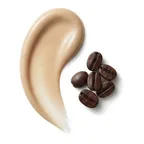 Caffeine
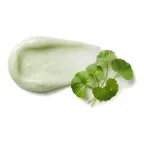 Centella Asiatica Extract
 Ceramide Np
 Butyrospermum Parkii Butter Shea Butter
Low
- AverageCombination Skin Fit
- AverageEffectiveness
- HighSafety
A weak match for acne-prone skin; the products alongside fit it better.
This fit is calculated for the concerns frequently associated with acne-prone skin: breakouts, blackheads, and post-acne marks. For scores and recommendations based on your full skin profile, including your 12D face scan results and any goals or preferences you have, please use the Lovi app.
Updated How the Fit score works
Lovi Assistant explains
- Offers moderate suitability for your combination skin as retinol and darutoside provide excellent skin smoothing and anti-aging effects, while glycerin and Centella Asiatica Extract offer supportive hydration and soothing benefits for your acne, blemishes, and breakouts.
- The formula lacks sufficient humectants to fully address the drier areas of your combination skin, and while it contains beneficial ingredients like caffeine and shea butter for general skincare, they are not specialized for acne treatment.
- The safety profile is excellent, with no risks of irritation for your combination skin due to the absence of prohibited or harsh ingredients.
People Say
★4.6Overall rating based on 1.1k+ reviewsBased on a very large amount of data, this product is highly praised for effectively hydrating dry skin and smoothing rough, bumpy textures. Users with mature skin frequently report positive outcomes, noting a visible reduction in crepey skin and an overall improvement in skin firmness and elasticity. Some users find the price point to be moderate to high, and a few mention that it may not be moisturizing enough or that visible results take time.
Highlights
Smooths skin texture Mostly Mentioned
- “smoother texture over rough patches”
- “smoother, less bumpy”
- “makes skin smoother, softer”
- “leaves a smooth soft velvet-like finish”
Deeply hydrating Often Mentioned
- “feels moisturized”
- “drenches the skin with hydration”
- “deeply hydrating emollient rich element”
- “so soft and hydrated”
Fast absorbing Often Mentioned
- “lightweight, fast absorbing and very comfortable on the skin”
- “absorbs relatively quickly without leaving a sticky residue”
- “doesn't feel greasy or sticky”
- “dries down pretty skin-like”
Improves crepey skin Often Mentioned
- “less crepey”
- “areas prone to crepiness seemed slightly more plump”
- “improves the look of crepey skin over time”
- “perfect for working on crepe skin”
Unscented and fragrance-free Often Mentioned
- “truly unscented”
- “no artificial fragrance no lingering smell”
- “No scent, lightweight”
- “fragrance-free lotion that absorbs quickly”
Expensive price point Sometimes Noted
- “feels a bit expensive”
- “sucks paying for it of course”
- “sits in the mid to premium range”
Slow visible results Sometimes Noted
- “unsure about long-term anti-aging results”
- “haven't noticed any difference in my skin”
- “visible improvements in firmness and tone take consistent use”
- “going to take time to work”
Needs more moisture Rarely Noted
- “wish it was more moisturizing”
- “may not feel like this is moisturizing enough”
- “could have been more moisturizing”
Sources: lovi.care, amazon.com, drmtlgy.com, youtube.com, today.com, reddit.com, and more
Questions and answers
Why is DRMTLGY Retinol Body Lotion a weak match for acne-prone skin?
This lotion is a weak match for acne-prone skin because it lacks specialized blemish-fighting ingredients and sufficient moisture for dry areas, even though it contains helpful smoothing and soothing extracts. Body care for acne-prone skin needs targeted acne treatments and deeply hydrating ingredients that balance oil and breakouts.
Clinical, Cosmetic and Investigational Dermatology, 2017Molecules, 2023
Which ingredients make this lotion a poor fit for acne-prone skin?
This lotion is a weak match for your acne-prone skin because it lacks specialized ingredients for treating acne and breakouts. A product of this type needs targeted acne-fighting ingredients, soothing agents, and lightweight hydrators that clear blemishes while keeping skin calm and balanced.
What does Retinol do for acne-prone skin?
Retinol helps clear acne-prone skin by regulating cell growth and shedding to keep pores from clogging. It also helps calm redness and manage breakouts, though it may cause some dryness or scaling when you first start using it.
Giornale Italiano Di Dermatologia E Venereologia, 2020Journal of Drugs in Dermatology, 2022
What does Caffeine do for acne-prone skin?
Caffeine is unlikely to clear acne on its own, but it helps calm redness and protects your skin from daily stress and UV damage. An acne-prone skin routine needs ingredients that gently clear pores, control oil, and soothe irritation.
Skin Pharmacology and Physiology, 2013International Journal of Molecular Sciences, 2024
Where does this lotion go in a skincare routine for acne-prone skin?
This body lotion is a weak match for acne-prone skin, so this skin type needs a body product with targeted acne-fighting ingredients like salicylic acid or benzoyl peroxide alongside lightweight hydrators. Because it is a body care product, it should be applied to clean, dry skin on the body rather than the face.
Can I use this lotion with AHA, and in what order?
You can use this lotion with alpha hydroxy acids by applying your AHA product first, letting it absorb, and then following with this lotion. This body care product of this type needs specialized acne-fighting ingredients and targeted hydrators for acne-prone skin.
How often should I use this lotion?
You can use this body lotion daily, as it features a gentle formula with soothing plant extracts and retinol that is unlikely to cause irritation. To properly care for acne-prone skin, this type of product needs specialized blemish-fighting ingredients and lightweight hydrators that balance oil without clogging pores.
Can this lotion clog pores, cause breakouts or purging for acne-prone skin?
This lotion is a weak match for your acne-prone skin because it lacks specialized ingredients for acne treatment and does not provide enough moisture for drier areas. Acne-prone skin needs lightweight hydration and targeted blemish-fighting ingredients to stay clear and smooth.
Is this lotion fragrance-free and alcohol-free?
Yes, it has no fragrance and no drying alcohol. Cetearyl alcohol is a fatty alcohol, which soften the skin.
What the research says
A single application of a moisturizing fluid containing hyaluronic acid 1%, glycerin 5%, and Centella asiatica stem cells extract significantly increased skin hydration by 29% and reduced transepidermal water loss at 24 hours compared to baseline and an untreated control site in twenty healthy women.
Clinical, Cosmetic and Investigational Dermatology, 2017Topical application of retinol and retinoic acid both increased epidermal thickness and upregulated collagen genes and proteins in human skin, with retinol producing similar histological and molecular changes to retinoic acid alongside a significant reduction in facial wrinkles after 12 weeks.
Journal of Cosmetic Dermatology, 2016Co-delivery of paeonol and madecassoside via nanoemulsions improved transdermal delivery, promoted barrier repair proteins, inhibited inflammatory cytokine secretion in cellular and 3D models, and reduced transepidermal water loss and acne in human facial skin compared to free components.
Molecules, 2023Topical sunscreen formulations containing caffeine combined with UV filters increased in vivo anti-UVB protection by approximately 25% and showed higher SPF values compared to caffeine-free sunscreen, while being well tolerated by the skin of healthy subjects.
Frontiers in Physiology, 2019Topical bakuchiol 0.5% applied twice daily compared with retinol 0.5% applied daily significantly decreased wrinkle surface area and hyperpigmentation with no statistical difference between the compounds in 44 patients over 12 weeks, while retinol users reported more facial skin scaling and stinging.
The British Journal of Dermatology, 2019Topical 0.3% and 1% retinol comparably improved biomarkers of cutaneous photoageing in photoaged volunteers, while 0.3% retinol demonstrated better tolerance with fewer and milder adverse events compared to 1% retinol in a daily escalation regimen.
International Journal of Cosmetic Science, 2022Daily application of 0.3% and 0.5% retinol serums in 37 volunteers over 12 weeks reduced skin hyperpigmentation, unevenness, and wrinkles on both sides of the face, with the 0.5% concentration causing more frequent and intense skin irritation.
Skin Pharmacology and Physiology, 2020Topical caffeine acts as an active cosmetic compound by preventing excessive fat accumulation through phosphodiesterase inhibition, protecting cells against UV radiation with antioxidant properties, increasing skin microcirculation, and stimulating hair growth via 5-alpha-reductase inhibition.
Skin Pharmacology and Physiology, 2013Serum-free organ culture of human skin ex vivo induces extremely accelerated ageing within 3 days, which is counteracted by caffeine and 2,5-dimethylpyrazine treatments.
Experimental Dermatology, 2024Topical caffeine applied after ultraviolet irradiation in SKH-1 hairless mice decreased skin roughness and more than doubled the number of apoptotic keratinocytes compared to vehicle treatment.
The British Journal of Dermatology, 2007Topical treatment with 5% vitamin C and 0.1% madecassoside significantly improved clinical scores for wrinkles, suppleness, firmness, roughness, and skin hydration, along with functional and structural remodeling of the elastic fiber network in 20 female volunteers with photoaged skin after 6 months compared to baseline.
Experimental Dermatology, 2008Treatment with an asiaticoside-containing cream applied twice daily for 12 weeks significantly improved periorbital wrinkles in 65% of 27 female volunteers compared to a vehicle control cream.
International Journal of Cosmetic Science, 2008A combination serum containing galactomyces ferment filtrate, dexpanthenol, and Centella asiatica effectively treated post-acne hyperpigmentation in subjects with colored skin by significantly increasing lightness scores in Fitzpatrick skin type V and reducing the melanin index in Fitzpatrick skin type IV compared to placebo.
Skinmed, 2021Ceramide and niacinamide-containing moisturizer combined with anti-acne treatment significantly improved non-inflammatory, inflammatory, and total acne lesions compared to hydrophilic cream in 40 patients with mild to moderate acne vulgaris after 8 weeks.
Journal of Cosmetic Dermatology, 2024Topical application of a pseudo-ceramide-containing spray improved stratum corneum water content, transepidermal water loss, cell area, and scaling score, and normalized the ceramide profile in patients with dry and sensitive skin compared to a control spray.
Journal of Cosmetic Dermatology, 2025A skin barrier restoring cream with shea butter, silkflo, and vitamin E increased type I procollagen synthesis, enhanced antioxidant enzyme activity, decreased reactive oxygen species generation, and promoted hyaluronic acid production in H2O2-stimulated human keratinocyte cells compared to untreated cells.
International Journal of Cosmetic Science, 2025
Why other products fit acne-prone skin better
Topical benzoyl peroxide 5% gel treatment improved acne severity, sebum, stratum corneum hydration, and transepidermal water loss, while significantly reducing microbial diversity and the prevalence of Cutibacterium in 33 patients with acne vulgaris.
Dermatologic Therapy, 2022Topical benzoyl peroxide may improve acne more effectively than placebo or no treatment, while showing little to no difference compared with adapalene or clindamycin, but with an increased risk of treatment discontinuation due to adverse effects compared to placebo.
The Cochrane Database of Systematic Reviews, 2020A facial serum containing snail secretion filtrate, Calendula officinalis, and Glycyrrhiza glabra root extract significantly reduced inflammatory acne lesions compared to placebo in 66 participants with mild-to-moderate maskne over 12 weeks.
Journal of Cosmetic Dermatology, 2022
Ingredients
Water, Cetearyl Ethylhexanoate, Glycerin, Cetearyl Olivate, Sorbitan Olivate, Glyceryl Stearate, Cetearyl Alcohol, Isododecane, Caffeine, Dimethicone, Retinol, Darutoside, Centella Asiatica Extract, Ceramide Np, Rosa Canina Oil Fruit, Trideceth-6 Phosphate, Tocopherol, Butyrospermum Parkii Butter Shea Butter, Helianthus Annuus Extract Sunflower Extract, Rosmarinus Officinalis Leaf Extract Rosemary Leaf Extract, Allantoin, Panthenol, Rice Bran Extract, Phenoxyethanol, Cetyl Palmitate, Dimethicone Crosspolymer, Butylene Glycol, Acrylates C10-30 Alkyl Acrylate Crosspolymer, Trisodium Ethylenediamine Disuccinate, Ethylhexylglycerin, Caprylic Capric Triglyceride, Sodium Hydroxide, Polysorbate-20, Laureth-23
Behind this fit score
Lovi calculates every fit score from the full ingredient list with brand-independent rules our dermatologists and cosmetic chemists build and review, and personalizes every pick with AI trained on the real results of millions of users. Lovi trains its fit score models on a proprietary dataset built from more than 10,000 expert-labeled products and more than 100,000 simulated examples, following an internally consistent methodology presented at Cosmoprof, AMWC, and Skin of Color Update.
-

Co-founder, Medical Director
Cosmetic chemist, cosmetologist, aesthetic products developer
-

Co-founder, CEO and CTO
PhD in computer science, 3x US patent holder, ex-Google, ex-Yandex
-

Dr. Sofía Perea Pérez, MD, MSc
Medical Board
Aesthetic medicine practitioner, MSc in Longevity and Anti-Aging Medicine
-

Medical Board
Specialist dermatologist, MBBS, MD, IFAAD
-

Medical Board
Cosmetic chemist, SCS, IFSCC member
-

Medical Board, Medical Advisor
Dermatology MD
-

Elina Nazarenko, MD
Medical Board
Dermatology and diagnostic consultant
-

Victoria Derkova, MS
Medical Board
Cosmetic chemist, cosmetic development technologist


How does it fit your skin?
Scan your face, then any product: Lovi shows how well it fits you and what fits even better.