
Dove White Beauty Bar for oily acne-prone skin

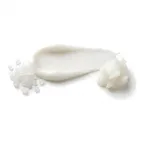 Sodium Lauroyl Isethionate
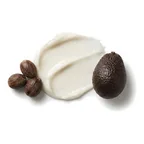 Stearic Acid
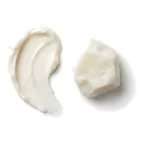 Sodium Tallowate
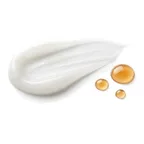 Cocamidopropyl Betaine
 Glycerin
Low
- AverageOily Skin Fit
- AverageEffectiveness
- HighSafety
A weak match for oily acne-prone skin; the cleansers alongside fit it better.
This fit is calculated for the concerns frequently associated with oily acne-prone skin: shine, breakouts, blemishes, and enlarged pores. For scores and recommendations based on your full skin profile, including your 12D face scan results and any goals or preferences you have, please use the Lovi app.
Updated How the Fit score works
Lovi Assistant explains
- Offers moderate cleansing for your oily skin with sodium lauroyl isethionate and cocamidopropyl betaine, which help remove impurities but lack specialized ingredients to effectively address your acne, blemishes, and breakouts.
- Lauric acid provides a mild cleansing effect suitable for oily skin, though the formula does not contain sufficient ingredients for effective seboregulation.
- The product is safe for your oily skin, with no risks of irritation due to the absence of prohibited or harsh ingredients.
How to apply
- Use this cleanser as part of your AM and PM routine. Start using it daily to help clear your breakouts.
- Apply this cleanser as the first step in the morning and right after your pre-cleanser in the evening. Follow it with your toner and moisturizer.
- Gently massage a small amount of the cleanser onto your face using circular motions. Rinse thoroughly with lukewarm water and pat dry.
- Apply the cleanser on slightly damp skin to help clean deeply and remove excess oil. This works best for oily skin types.
- Avoid the sensitive eye area during application. Do a patch test before your first use.
Questions and answers
Why is Dove White Beauty Bar a weak match for oily acne-prone skin?
This cleanser is a weak match because it lacks specialized ingredients to clear blemishes and regulate oil for your breakouts. To properly care for oily acne-prone skin, a cleanser needs soothing ingredients like niacinamide, ceramides, probiotics, or salicylic acid to balance oil production and clear the skin.
Which ingredients make this cleanser a poor fit for oily acne-prone skin?
This cleanser is a weak match for your oily acne-prone skin because it lacks specialized ingredients like niacinamide, salicylic acid, or ceramides that manage breakouts, balance oil production, and soothe the skin.
What does Sodium Lauroyl Isethionate do for oily acne-prone skin?
Sodium lauroyl isethionate gently cleanses oily, acne-prone skin without stripping away essential moisture or harming your skin barrier. Its large molecules are unable to slip deep into the skin, which helps prevent the dryness and irritation often caused by harsher cleansers.
What does Stearic Acid do for oily acne-prone skin?
Stearic acid helps restore the skin barrier, but because oily, acne-prone skin often lacks the right balance of lipids, this skin type needs lightweight, non-clogging ingredients and ceramides that calm redness and control excess oil without causing breakouts.
Where does this cleanser go in a skincare routine for oily acne-prone skin?
This cleanser goes in your morning and evening routine, after any makeup remover at night. Because this product is a weak match for your skin, an oily acne-prone routine needs a cleanser with specialized ingredients to tackle breakouts and blemishes.
Can I use this cleanser with retinol, and in what order?
You can use this cleanser with retinol, applying the cleanser first on damp skin, rinsing it off completely, and then following with your retinol treatment once your face is dry. The product is unlikely to cause irritation on oily skin, but to properly care for acne-prone skin, it needs a cleanser with ingredients that target breakouts and control oil.
How often should I use this cleanser?
You can use this cleanser daily in the morning and evening as part of your routine. This product is a weak match for your oily acne-prone skin because it lacks specialized ingredients to effectively address your acne, blemishes, and breakouts. Oily acne-prone skin needs cleansers with targeted acne-fighting and oil-balancing ingredients.
Can this cleanser clog pores, cause breakouts or purging for oily acne-prone skin?
This cleanser is unlikely to cause irritation on oily skin, but it does not have enough blemish-fighting ingredients to properly manage breakouts. A cleanser for this skin needs targeted ingredients that help control oil and reduce blemishes.
Can I use this cleanser around the eyes or on my body?
This cleanser is safe to use on the body and around the eyes, where the skin is particularly thin. It is unlikely to cause irritation because it lacks harsh ingredients, though a cleanser for this skin also needs targeted blemish-fighting ingredients to help manage breakouts.
Is this cleanser fragrance-free and alcohol-free?
It has no drying alcohol and contains fragrance (parfum).
What the research says
All three treatments—benzoyl peroxide, benzoyl peroxide plus erythromycin, and the combination of niacinamide, gallic acid, and lauric acid—were effective in reducing acne vulgaris severity in ninety patients over eight weeks.
Dermatologic Therapy, 2020Co-application of curcumin and lauric acid liposomal gel exhibited enhanced antibacterial effect and a two-fold reduction in comedones count and cytokines in a rat ear model compared to the placebo-treated group.
Drug Development and Industrial Pharmacy, 2019Glycerosomes loaded with lincomycin and lauric acid incorporated into a carbopol hydrogel achieved a two-fold increase in skin deposition of lincomycin and reduced inflammation, bacterial load, and improved histopathological changes in an acne mouse model compared to lincomycin hydrogel.
International Journal of Pharmaceutics, 2023Sodium cocoyl isethionate micelles are too large to penetrate stratum corneum aqueous pores, resulting in significant steric hindrance that prevents skin barrier perturbation and explains its skin mildness.
Journal of Cosmetic Science, 2007Babassu oil and lauric acid inhibited mice ear edema induced by various phlogistic agents, and its topical anti-inflammatory activity was markedly increased when formulated into a microemulsion.
Evidence-based Complementary and Alternative Medicine, 2017Sodium dodecyl sulfate treatment disrupts the ordered intercellular lipid lamellar structure in hairless mouse stratum corneum, and immersion in a ceramide 3, cholesterol, and stearic acid mixture successfully reorganizes this ordered lamellar structure.
Biophysical Chemistry, 2001Enzymatically interesterified fats based on mutton tallow and walnut oil produced emulsions that resulted in greater skin moisturization compared to non-interesterified fat and received positive sensory evaluations from 83 respondents.
International Journal of Cosmetic Science, 2015The cytotoxic effect of sodium lauryl sulphate on normal human keratinocytes was significantly decreased when combined with cocamidopropyl betaine, Tween 20, and Tween 80 at concentrations well below the critical micelle concentration.
Skin Pharmacology and Applied Skin Physiology, 2003A single application of a moisturizing fluid containing hyaluronic acid 1%, glycerin 5%, and Centella asiatica stem cells extract significantly increased skin hydration by 29% and reduced transepidermal water loss at 24 hours compared to baseline and an untreated control site in twenty healthy women.
Clinical, Cosmetic and Investigational Dermatology, 2017The emollient V0034CR significantly reduced TEWL compared to vehicle and vehicle plus glycerol, and significantly increased corneometry scores compared to vehicle and vehicle plus petrolatum in healthy volunteers with dry skin, demonstrating combined barrier function improvement from petrolatum and hydration improvement from glycerol.
Journal of Cosmetic Dermatology, 2020Ten days of treatment with a cream containing 20% glycerin significantly increased skin hydration measured by corneometer values in 17 healthy volunteers compared to a placebo cream, but showed no influence on transepidermal water loss or skin sensitivity to an irritating surfactant.
International Journal of Cosmetic Science, 2001
Why other cleansers fit oily acne-prone skin better
Topical application of Lactobacillus plantarum-GMNL6 enhanced collagen synthesis and SPTSSA gene expression while reducing melanin synthesis, Staphylococcus aureus biofilm, and Cutibacterium acnes proliferation, leading to clinical improvements in skin moisture, color, spots, wrinkles, UV spots, and porphyrins in human volunteers.
International Journal of Medical Sciences, 2021A novel emulsion containing niacinamide, lens esculenta seed extract, and white willow bark extract effectively improved acne, blackheads, and conspicuous facial pores in 30 subjects with oily skin.
Journal of Cosmetic Dermatology, 2024A panthenol-enriched mask improved skin hydration, regulated sebum, and reduced redness and TEWL across dry sensitive, oily sensitive, and oily acne skin subgroups with excellent tolerance and no adverse reactions.
Journal of Cosmetic Dermatology, 2024
Ingredients
Sodium Lauroyl Isethionate, Stearic Acid, Sodium Tallowate, Sodium Palmitate, Water, Lauric Acid, Sodium Isethionate, Sodium Stearate, Cocamidopropyl Betaine, Sodium Cocoate, Sodium Palm Kernelate, Parfum, Sodium Chloride, Tetrasodium Edta, Tetrasodium Etidronate, Titanium Dioxide Ci 77891
Behind this fit score
Lovi calculates every fit score from the full ingredient list with brand-independent rules our dermatologists and cosmetic chemists build and review, and personalizes every pick with AI trained on the real results of millions of users. Lovi trains its fit score models on a proprietary dataset built from more than 10,000 expert-labeled products and more than 100,000 simulated examples, following an internally consistent methodology presented at Cosmoprof, AMWC, and Skin of Color Update.
-

Co-founder, Medical Director
Cosmetic chemist, cosmetologist, aesthetic products developer
-

Co-founder, CEO and CTO
PhD in computer science, 3x US patent holder, ex-Google, ex-Yandex
-

Dr. Sofía Perea Pérez, MD, MSc
Medical Board
Aesthetic medicine practitioner, MSc in Longevity and Anti-Aging Medicine
-

Medical Board
Specialist dermatologist, MBBS, MD, IFAAD
-

Medical Board
Cosmetic chemist, SCS, IFSCC member
-

Medical Board, Medical Advisor
Dermatology MD
-

Elina Nazarenko, MD
Medical Board
Dermatology and diagnostic consultant
-

Victoria Derkova, MS
Medical Board
Cosmetic chemist, cosmetic development technologist


How does it fit your skin?
Scan your face, then any product: Lovi shows how well it fits you and what fits even better.