
Differin Daily Deep Cleanser for acne-prone skin

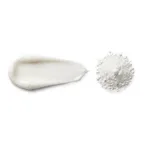 Benzoyl Peroxide
 Glycerin
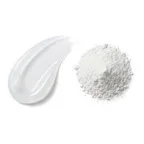 Carbomer
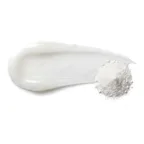 Lauryl Methacrylate Glycol Dimethacrylate Crosspolymer
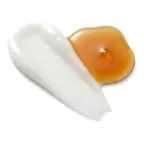 Sodium C14-16 Olefin Sulfonate
Average
- AverageCombination Skin Fit
- AverageEffectiveness
- HighSafety
Works for acne-prone skin; other cleansers fit it better.
This fit is calculated for the concerns frequently associated with acne-prone skin: breakouts, blackheads, and post-acne marks. For scores and recommendations based on your full skin profile, including your 12D face scan results and any goals or preferences you have, please use the Lovi app.
Updated How the Fit score works
Lovi Assistant explains
- Offers moderate cleansing for your acne-prone skin as sodium c14-16 olefin sulfonate effectively clears pores, while benzoyl peroxide provides antimicrobial action. Glycerin is present to offer some hydration, but may not fully address drier areas of your combination skin.
- The formula is safe for your acne-prone skin, lacking harsh ingredients that could cause irritation.
- While it provides general cleansing benefits, the product lacks specialized ingredients to target acne, blemishes, and breakouts more effectively.
How to apply
- Could be used as part of your AM and PM routine. Start using it 3 times a week and build up to daily use if your skin tolerates it.
- This cleanser is the first step in your morning routine and the second step after your pre-cleanser in the evening. Always follow up with a toner and moisturizer .
- Gently massage a small amount of the cleanser onto your face in circular motions. Avoid harsh rubbing to keep your skin calm.
- Apply the cleanser on slightly damp skin to help it work effectively against breakouts. Rinse thoroughly with lukewarm water .
- Avoid the immediate eye area and do a patch test before your first use to check for any sensitivity.
People Say
★4.5Overall rating based on 16.7k+ reviewsBased on a very large amount of data, users widely praise this cleanser as a "holy grail" for managing acne-prone and sensitive skin, noting that its 5% benzoyl peroxide formula effectively clears hormonal and cystic breakouts without the extreme irritation often associated with stronger treatments. While most find it surprisingly gentle and non-stripping, a minority of users experience dryness or peeling, and many warn that the product will permanently bleach towels and clothing.
Highlights
Gentle on sensitive skin Mostly Mentioned
- “Non-irritating formula”
- “Suitable for daily use”
- “Less harsh than 10% BP”
- “Doesn't burn”
- “Great for reactive skin”
Bleaches fabrics Mostly Mentioned
- “Ruins colored towels”
- “Stains pillowcases”
- “Bleaches shirts”
- “Spots on bathmats”
- “Discolors pajamas”
Effective acne treatment Often Mentioned
- “Clears cystic acne”
- “Reduces hormonal breakouts”
- “Prevents maskne”
- “Shrinks pimples quickly”
- “Maintains clear skin”
Non-stripping/drying Often Mentioned
- “Leaves skin soft”
- “Doesn't feel tight”
- “Retains moisture”
- “Less drying than PanOxyl”
- “Comfortable after washing”
Improves skin texture Sometimes Noted
- “Smooths roughness”
- “Reduces redness”
- “Makes skin glow”
- “Helps with bumps”
- “Evens skin tone”
Drying for some Sometimes Noted
- “Causes peeling”
- “Dry patches”
- “Skin feels tight”
- “Requires heavy moisturizer”
- “Irritated moisture barrier”
Runny consistency Sometimes Noted
- “Watery texture”
- “Spills easily”
- “Doesn't foam much”
- “Slips off hands”
- “Tube dispenses too fast”
Unpleasant scent Rarely Noted
- “Chemical smell”
- “Smells like bleach”
- “Medicinal odor”
- “Weird fragrance”
- “Strong scent”
Sources: lovi.care, amazon.com, walmart.com, iherb.com, ulta.com, influenster.com, and more
Questions and answers
How well does Differin Daily Deep Cleanser work for acne-prone skin?
Differin Daily Deep Cleanser works moderately well for acne-prone skin, using benzoyl peroxide to fight breakouts and glycerin to provide some moisture. However, because it lacks specialized ingredients to fully target blemishes and drier areas, this skin type needs a cleanser with soothing and hydrating agents like niacinamide, ceramides, or hyaluronic acid to balance oil and moisture without irritation.
The Cochrane Database of Systematic Reviews, 2020Clinical, Cosmetic and Investigational Dermatology, 2017
Which ingredients make this cleanser a good fit for acne-prone skin?
Benzoyl peroxide and sodium c14-16 olefin sulfonate make this cleanser a fit by targeting acne and clearing pores. Glycerin also helps by adding some hydration to the skin. To work best for acne-prone skin, this type of product needs gentle barrier-repairing ingredients like niacinamide and ceramides, along with soothing hydrators like hyaluronic acid to balance oil and dry areas.
The Cochrane Database of Systematic Reviews, 2020Journal of Shoulder and Elbow Surgery, 2018
What does Benzoyl Peroxide do for acne-prone skin?
Benzoyl peroxide helps clear up acne by reducing blemish-causing bacteria and calming inflammation in the skin. Because it can sometimes cause dryness and irritation, a product of this type needs gentle, hydrating ingredients like ceramides to keep the skin barrier feeling comfortable and soft.
The Cochrane Database of Systematic Reviews, 2020Journal of the American Academy of Dermatology, 2023
What does Glycerin do for acne-prone skin?
Glycerin helps keep acne-prone skin hydrated and calm without clogging pores or feeling heavy. It supports the skin barrier so it stays soft and smooth while handling everyday treatments.
The British Journal of Dermatology, 2008International Journal of Toxicology, 2019
Where does this cleanser go in a skincare routine for acne-prone skin?
This cleanser goes in your morning and evening routine as the main cleansing step. To best care for acne-prone skin, this type of cleanser needs extra hydration from ingredients like glycerin and targeted blemish-fighting ingredients.
Can I use this cleanser with retinol, and in what order?
Use this cleanser and retinol apart: in different sessions of the same day or on different days. Acne-prone skin of this type needs a gentle cleanser paired with a hydrating moisturizer and targeted treatments to manage blemishes without causing excessive dryness.
How often should I use this cleanser?
You can use this cleanser daily as part of your morning and evening routine, since it clears pores and fights bacteria safely. Because it may not fully address drier areas, an acne-prone skin routine needs a gentle cleanser combined with soothing hydration and targeted blemish-fighting ingredients.
The Cochrane Database of Systematic Reviews, 2020Journal of Shoulder and Elbow Surgery, 2018
Can this cleanser clog pores, cause breakouts or purging for acne-prone skin?
This cleanser is unlikely to clog pores and has a safe profile that avoids harsh ingredients, though it may be drying for some skin types. It helps clear pores and reduce acne-causing bacteria with benzoyl peroxide, but acne-prone skin often needs specialized blemish-targeting ingredients and extra hydration for dry areas.
The Cochrane Database of Systematic Reviews, 2020Journal of Shoulder and Elbow Surgery, 2018
Can I use this cleanser around the eyes or on my body?
This cleanser may be used on the body where skin is thicker, but it is best to avoid the thin skin around the eyes to prevent irritation. For acne-prone skin, cleansers used on delicate areas need gentle soothing ingredients and extra hydration.
What the research says
Topical benzoyl peroxide may improve acne more effectively than placebo or no treatment, while showing little to no difference compared with adapalene or clindamycin, but with an increased risk of treatment discontinuation due to adverse effects compared to placebo.
The Cochrane Database of Systematic Reviews, 2020Preoperative application of 5% benzoyl peroxide (BPO) reduces Cutibacterium acnes skin burden on the shoulder more effectively than 4% chlorhexidine gluconate (CHG) in patients undergoing shoulder surgery.
Journal of Shoulder and Elbow Surgery, 2018A single application of a moisturizing fluid containing hyaluronic acid 1%, glycerin 5%, and Centella asiatica stem cells extract significantly increased skin hydration by 29% and reduced transepidermal water loss at 24 hours compared to baseline and an untreated control site in twenty healthy women.
Clinical, Cosmetic and Investigational Dermatology, 2017Once-daily fixed-dose clindamycin phosphate 1.2%/benzoyl peroxide 3.1%/adapalene 0.15% gel achieved superior treatment success (52.5%) and greater reductions in inflammatory and noninflammatory lesions compared to vehicle (8.1%) and dyad component gels in participants with moderate-to-severe acne over 12 weeks.
American Journal of Clinical Dermatology, 2022Topical clindamycin phosphate 1.2%/adapalene 0.15%/benzoyl peroxide 3.1% gel achieved significantly greater treatment success and lesion reductions compared to vehicle in participants with moderate-to-severe acne.
Journal of the American Academy of Dermatology, 2023Daily application of adapalene 0.3%/benzoyl peroxide 2.5% gel reduced and prevented atrophic acne scar formation, achieving a total scar count change of -15.5% versus +14.4% for vehicle over 24 weeks in 67 subjects with moderate or severe facial acne.
American Journal of Clinical Dermatology, 2018The emollient V0034CR significantly reduced TEWL compared to vehicle and vehicle plus glycerol, and significantly increased corneometry scores compared to vehicle and vehicle plus petrolatum in healthy volunteers with dry skin, demonstrating combined barrier function improvement from petrolatum and hydration improvement from glycerol.
Journal of Cosmetic Dermatology, 2020Ten days of treatment with a cream containing 20% glycerin significantly increased skin hydration measured by corneometer values in 17 healthy volunteers compared to a placebo cream, but showed no influence on transepidermal water loss or skin sensitivity to an irritating surfactant.
International Journal of Cosmetic Science, 2001Niacinamide/glycerin body moisturizers provided better rapid and prolonged improvement of cosmetic xerosis through functional improvement of stratum corneum barrier function compared to no treatment and conventional moisturizers in female subjects.
Journal of Drugs in Dermatology, 2012Topical liquiritin carbomer gel treatment restored skin barrier function, increased barrier proteins and antioxidant enzymes, and decreased inflammatory cytokines and oxidative stress in a mouse model of glucocorticoid-induced skin inflammation.
Pharmaceutics, 2024Optimized fisetin-loaded glycerosomes formulated into a Carbopol gel achieved effective dermal delivery with a flux of 4.24 µg/cm2/h and zero-order release kinetics.
International Journal of Pharmaceutics, 2020Incorporating nanoemulsions into hydrogels with increasing Carbopol 934 proportions from 1% to 3% progressively decreased the percutaneous flux rates of terbinafine and citral, increased drug accumulation in the stratum corneum while decreasing it in the epidermis/dermis compared to nanoemulsions alone, and shifted delivery routes from skin appendages to intercellular paths.
International Journal of Nanomedicine, 2016
Why other cleansers fit acne-prone skin better
Cosmetic formulations containing 5% Centella asiatica extract showed the best efficacy in improving skin moisture and decreasing transepidermal water loss, while also exhibiting antiinflammatory properties in 25 volunteers compared to baseline measurements.
Indian Journal of Pharmaceutical Sciences, 2016Topical 5% tea tree oil gel significantly improved total acne lesions and acne severity index compared to placebo in 60 patients with mild to moderate acne vulgaris, showing 3.55 times and 5.75 times greater efficacy respectively.
Indian Journal of Dermatology, Venereology and Leprology, 2007Co-delivery of paeonol and madecassoside via nanoemulsions improved transdermal delivery, promoted barrier repair proteins, inhibited inflammatory cytokine secretion in cellular and 3D models, and reduced transepidermal water loss and acne in human facial skin compared to free components.
Molecules, 2023
Ingredients
Water, Benzoyl Peroxide, Carbomer, Glycerin, Lauryl Methacrylate Glycol Dimethacrylate Crosspolymer, Sodium C14-16 Olefin Sulfonate, Sodium Hydroxide
Behind this fit score
Lovi calculates every fit score from the full ingredient list with brand-independent rules our dermatologists and cosmetic chemists build and review, and personalizes every pick with AI trained on the real results of millions of users. Lovi trains its fit score models on a proprietary dataset built from more than 10,000 expert-labeled products and more than 100,000 simulated examples, following an internally consistent methodology presented at Cosmoprof, AMWC, and Skin of Color Update.
-

Co-founder, Medical Director
Cosmetic chemist, cosmetologist, aesthetic products developer
-

Co-founder, CEO and CTO
PhD in computer science, 3x US patent holder, ex-Google, ex-Yandex
-

Dr. Sofía Perea Pérez, MD, MSc
Medical Board
Aesthetic medicine practitioner, MSc in Longevity and Anti-Aging Medicine
-

Medical Board
Specialist dermatologist, MBBS, MD, IFAAD
-

Medical Board
Cosmetic chemist, SCS, IFSCC member
-

Medical Board, Medical Advisor
Dermatology MD
-

Elina Nazarenko, MD
Medical Board
Dermatology and diagnostic consultant
-

Victoria Derkova, MS
Medical Board
Cosmetic chemist, cosmetic development technologist


How does it fit your skin?
Scan your face, then any product: Lovi shows how well it fits you and what fits even better.