
DHC Face Wash Powder for acne-prone skin

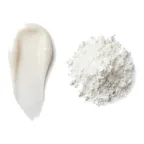 Zea Mays Starch
 Sodium Hyaluronate
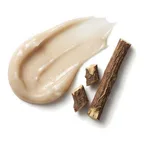 Dipotassium Glycyrrhizate
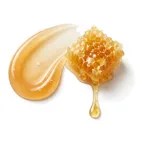 Honey
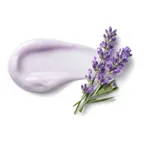 Lavandula Angustifolia Flower Extract Lavender Flower Extract
High
- HighCombination Skin Fit
- HighEffectiveness
- ExcellentSafety
A great choice for acne-prone skin; a few products fit it even better.
This fit is calculated for the concerns frequently associated with acne-prone skin: breakouts, blackheads, and post-acne marks. For scores and recommendations based on your full skin profile, including your 12D face scan results and any goals or preferences you have, please use the Lovi app.
Updated How the Fit score works
Lovi Assistant explains
- Offers excellent cleansing for your acne-prone skin, as protease and sodium cocoyl isethionate work to exfoliate and decongest pores.
- The inclusion of sodium hyaluronate and honey provides humectant and soothing benefits, which are beneficial for combination skin.
- The formula is safe for your skin, with no risks of irritation due to the absence of harsh ingredients and the presence of soothing components.
Buy online


Prices checked 20 Nov 2026
The Lovi Fit is the same in every country; only the stores and prices differ, and the ones here are for India.
How to apply
- Use your enzyme powder cleanser as part of your PM weekly routine. Start by using it once a week and build up slowly if your skin is happy.
- Place this step after your regular cleanser and before applying your hydrating toner. Follow the weekly routine order for the best results.
- Mix the powder with a little water in your hands to create a soft foam. Gently massage onto your face and avoid rubbing too hard.
- Apply the enzyme powder cleanser on slightly damp skin to help activate the formula evenly. Make sure your face is clean before applying.
- Avoid the sensitive eye area during application. Do a patch test first and do not combine this with strong acids on the same night.
People Say
★4.7Overall rating based on 800+ reviewsUsers consistently praise this enzyme-powder cleanser for its ability to gently exfoliate and smooth skin texture without causing irritation, making it a favorite for those with sensitive, oily, or combination skin. The water-activated formula is frequently noted for leaving the face feeling "squeaky clean" yet soft and hydrated, though a minority of users with very dry skin found it slightly stripping.
Highlights
Excellent for travel Mostly Mentioned
- “perfect for camping”
- “no liquid limits”
- “lightweight and easy to pack”
- “great for gym bag”
Gentle exfoliation Often Mentioned
- “smooths bumps”
- “gentle on sensitive skin”
- “cleared my blackheads”
- “mild enzyme action”
Soft, clean finish Often Mentioned
- “squeaky clean but soft”
- “skin feels baby soft”
- “doesn't dry me out”
- “leaves face refreshed”
Long-lasting value Sometimes Noted
- “lasts forever”
- “a little goes a long way”
- “bottle lasted months”
- “only need a pinch”
Drying for some Sometimes Noted
- “left my skin tight”
- “caused burning dryness”
- “too harsh for daily use”
- “stripped my moisture barrier”
Messy packaging Sometimes Noted
- “pours out too fast”
- “cap broke off”
- “powder gets everywhere”
- “hard to control amount”
Eye irritation Rarely Noted
- “stung my eyes bad”
- “extreme eye irritation”
- “burned my eyes”
- “be careful around eyes”
Price per size Rarely Noted
- “expensive for the size”
- “tiny bottle”
- “pricey compared to others”
- “not enough product”
Sources: lovi.care, amazon.com, dermstore.com, ulta.com, target.com, lookfantastic.com, and more
Questions and answers
What makes DHC Face Wash Powder a great fit for acne-prone skin?
This cleanser is a great fit because protease and sodium cocoyl isethionate help exfoliate and clear out congested pores. It also includes sodium hyaluronate and honey to keep your skin hydrated and calm, while avoiding harsh ingredients that could cause irritation.
Which ingredients make this cleanser a good fit for acne-prone skin?
Protease and sodium cocoyl isethionate help exfoliate and clear clogged pores, making this cleanser a great fit for acne-prone skin. At the same time, sodium hyaluronate, honey, and dipotassium glycyrrhizate provide soothing moisture without irritation.
What does Corn Starch do for acne-prone skin?
Corn starch is generally safe for acne-prone skin because it helps minimize friction and protects the skin barrier without clogging pores or fueling irritation. It is unlikely to cause breakouts, though acne-prone skin also benefits from ingredients that gently clear pores and balance oil.
What does Hyaluronic Acid do for acne-prone skin?
Hyaluronic acid helps acne-prone skin by improving hydration and calming inflammation. Formulas with this ingredient also support targeted delivery of acne treatments to pores.
Where does this cleanser go in a skincare routine for acne-prone skin?
This cleanser goes in your morning and evening routines, and you can also use it once a week as part of your weekly routine steps. It is a great fit for your acne-prone skin because it gently exfoliates and decongests pores while keeping your skin calm and comfortable.
Can I use this cleanser with retinol, and in what order?
You can use this cleanser in the same routine as retinol, but it is best to use them on different days or use the cleanser first and follow with a gentle, hydrating routine to keep your skin calm. The formula is safe and unlikely to cause irritation when paired thoughtfully.
Journal of Cosmetic Dermatology, 2024Journal of Cosmetic Science, 2007
How often should I use this cleanser?
This enzyme powder cleanser is great for your acne-prone skin and fits into your weekly routine once a week to gently clear out pores. If your skin tolerates it well and shows good results, you may carefully use it more often.
Can this cleanser clog pores, cause breakouts or purging for acne-prone skin?
This cleanser is a great fit for acne-prone skin because protease and sodium cocoyl isethionate help exfoliate and clear out pores without irritation. It is unlikely to cause breakouts or clogging, and its soothing ingredients help keep skin calm.
Is this cleanser fragrance-free and alcohol-free?
It has no fragrance and contains drying alcohol (alcohol).
What the research says
Hyaluronic acid-based formulations exhibit remarkable anti-wrinkle, anti-aging, and skin rejuvenating effects via soft tissue augmentation, improved skin hydration, and face volume restoration.
International Journal of Biological Macromolecules, 2018Sodium cocoyl isethionate micelles are too large to penetrate stratum corneum aqueous pores, resulting in significant steric hindrance that prevents skin barrier perturbation and explains its skin mildness.
Journal of Cosmetic Science, 2007Hydrolyzed corn starch containing maltotetraose activated the NRF2 pathway, upregulated antioxidant-responsive genes, increased NRF2 protein expression and nuclear translocation, and reduced reactive oxygen species levels in human keratinocytes exposed to oxidative stress.
PloS One, 2026Topical application of 0.1% hyaluronic acid formulations of different molecular weights led to significant improvements in skin hydration and elasticity, with low-molecular-weight formulations also significantly reducing wrinkle depth in seventy-six female subjects compared to a vehicle control.
Journal of Drugs in Dermatology, 2011Topical hyaluronic acid serum used twice daily by 40 females with facial photoaging produced an immediate 134% increase in skin hydration, a sustained 55% increase at week 6, and significant improvements in smoothness, plumping, fine lines, wrinkles, and global appearance without causing irritation.
Dermatology and Therapy, 2021A topical antioxidant serum significantly reduced air pollution-induced skin pigmentation and proinflammatory gene expression ex vivo, and improved skin aging signs in 40 healthy adult females after 90 days of daily use.
Journal of Cosmetic Dermatology, 2022Combining 755 nm alexandrite laser with topical licorice gel significantly reduces terminal hair counts compared to alexandrite laser with placebo in women with idiopathic hirsutism.
Evidence-based Complementary and Alternative Medicine, 2015Licochalcone A activated Nrf2 signaling, elevated cytoprotective enzymes, increased the reduced-to-oxidized glutathione ratio, and decreased reactive oxygen species in human fibroblasts and neutrophils, while a LicA-rich licorice extract lowered UVA-induced oxidative processes in vivo.
Experimental Dermatology, 2015Mesoporous silica nanoparticles entrapping licorice polysaccharide and coated with polydopamine showed 76% entrapment efficiency, 89% in vitro release at pH 5, increased sebocytes' cellular uptake, and mediated inflammatory response by inhibiting pro-inflammatory cytokines and regulating anti-inflammatory cytokines.
Carbohydrate Polymers, 2024Topical application of a honey, olive oil, and beeswax mixture three times daily for up to 4 weeks resulted in clinical responses in 86% of patients with pityriasis versicolor, 78% with tinea cruris, and 75% with tinea corporis.
Complementary Therapies in Medicine, 2004Romanian honey varieties rich in phenolics exhibited anti- and pro-inflammatory effects, dose-dependent pro-proliferative effects, stimulated collagen synthesis, and enhanced cell migration in macrophage-like, fibroblast, and keratinocyte cell lines.
Life, 2024Topical application of Melipona marginata honey extract (1.0 mg/ear) reduced 12-O-tetradecanoylphorbol-13-acetate-induced ear edema by 54%, myeloperoxidase activity by 75%, and reactive oxygen species production by 55% in mice compared to the induced model.
Journal of Medicinal Food, 2014Lavandula angustifolia leaf callus extract enhanced skin cell viability, reduced oxidative stress and melanin content, improved wound healing, and enhanced skin barrier function in human skin cells and clinical tests.
Free Radical Biology & Medicine, 2025Tea tree oil effectively treated acne while lavender and rosemary oils demonstrated anti-inflammatory and anti-aging properties in derma cosmetic applications based on an evaluation of various essential oils.
Frontiers in Medicine, 2025Essential oils isolated from micropropagated lavender stimulate HSF cells to produce procollagen at concentrations of 0.01, 0.001, and 0.0001%, and provide a preservative effect at 0.1% in a cosmetic emulsion over 3 months.
Natural Product Research, 2018
Ingredients
Zea Mays Starch, Maltitol, Potassium Myristate, Sodium Cocoyl Glycinate, Sodium Cocoyl Isethionate, Sorbitol, Protease, Dipotassium Glycyrrhizate, Glycyl Glycine, Silica, Water, Alcohol, Honey Mel Miel, Sodium Hyaluronate, Lavandula Angustifolia Flower Extract Lavender Flower Extract
Behind this fit score
Lovi calculates every fit score from the full ingredient list with brand-independent rules our dermatologists and cosmetic chemists build and review, and personalizes every pick with AI trained on the real results of millions of users. Lovi trains its fit score models on a proprietary dataset built from more than 10,000 expert-labeled products and more than 100,000 simulated examples, following an internally consistent methodology presented at Cosmoprof, AMWC, and Skin of Color Update.
-

Co-founder, Medical Director
Cosmetic chemist, cosmetologist, aesthetic products developer
-

Co-founder, CEO and CTO
PhD in computer science, 3x US patent holder, ex-Google, ex-Yandex
-

Dr. Sofía Perea Pérez, MD, MSc
Medical Board
Aesthetic medicine practitioner, MSc in Longevity and Anti-Aging Medicine
-

Medical Board
Specialist dermatologist, MBBS, MD, IFAAD
-

Medical Board
Cosmetic chemist, SCS, IFSCC member
-

Medical Board, Medical Advisor
Dermatology MD
-

Elina Nazarenko, MD
Medical Board
Dermatology and diagnostic consultant
-

Victoria Derkova, MS
Medical Board
Cosmetic chemist, cosmetic development technologist


How does it fit your skin?
Scan your face, then any product: Lovi shows how well it fits you and what fits even better.