
De La Cruz Vitamin E Cream for acne-prone skin

 Glycerin
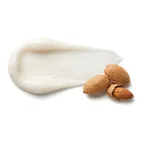 Prunus Amygdalus Dulcis Oil
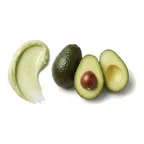 Avocado Oil
 Aloe Barbadensis
Low
- AverageCombination Skin Fit
- HighEffectiveness
- ConcerningSafety
A weak match for acne-prone skin; the moisturizers alongside fit it better.
This fit is calculated for the concerns frequently associated with acne-prone skin: breakouts, blackheads, and post-acne marks. For scores and recommendations based on your full skin profile, including your 12D face scan results and any goals or preferences you have, please use the Lovi app.
Updated How the Fit score works
Lovi Assistant explains
- Suboptimal compatibility with your combination skin as Tocopheryl Acetate and Prunus Amygdalus Dulcis Oil offer antioxidant and emollient benefits, but lack targeted ingredients for your acne, blemishes, and breakouts.
- The formula provides moderate hydration and barrier support with Glycerin and Aloe Barbadensis, which are beneficial but not primary solutions for your main concerns.
How to apply
- Use your moisturizer twice a day in your AM and PM routines. Apply it daily to help keep breakouts under control.
- Apply after your cleanser and toner, and make sure to use your SPF right after in the morning.
- Gently spread a small amount of moisturizer over your face using soft motions. Let it absorb into the skin for a minute before getting dressed or applying makeup.
- Apply on slightly damp skin to help lock in extra moisture. This keeps your combination skin balanced without feeling heavy.
- Avoid the eye area and do a patch test before your first use. Stop using if you feel any irritation.
People Say
★4.6Overall rating based on 7.0k+ reviewsBased on a very large amount of data, this cream is highly regarded for its deep, lasting hydration and skin-softening properties, making it a favorite for dry, sensitive, or mature skin types. Its affordability is frequently mentioned. However, the thick consistency and slow absorption are noted as drawbacks, particularly for those with oily or acne-prone skin, and some users find the scent to be strong.
Highlights
Deeply moisturizing Mostly Mentioned
- “Keeps skin supple”
- “deeply hydrated”
- “softens dry areas”
Affordable price Often Mentioned
- “Great value”
- “inexpensive”
- “budget-friendly”
Softens texture Often Mentioned
- “Noticeably smoother”
- “skin feels softer”
- “improves appearance”
Good for sensitive Sometimes Noted
- “High skin tolerance”
- “didn't break me out”
- “soothing”
Slow absorption Sometimes Noted
- “Doesn't absorb immediately”
- “takes time absorbing”
- “feels greasy”
Too thick Sometimes Noted
- “Feels heavy”
- “clogging for oily skin”
- “thick texture”
Unpleasant scent Sometimes Noted
- “Way too strong”
- “overwhelming”
- “unpleasant smell”
Jar packaging Rarely Noted
- “Unsanitary to dip fingers”
- “no spatula included”
- “thin plastic”
Sources: lovi.care, amazon.com, iherb.com, walmart.com, walgreens.com, dermapproved.com, and more
Questions and answers
Why is De La Cruz Vitamin E Cream a weak match for acne-prone skin?
De La Cruz Vitamin E Cream is a weak match for acne-prone skin because while it contains glycerin and sweet almond oil to help hydrate and soften your skin, it lacks targeted ingredients to address acne and breakouts. Moisturizers that fit acne-prone skin well need ingredients that specifically target blemishes and breakouts while providing hydration without irritation.
Which ingredients make this cream a poor fit for acne-prone skin?
This cream is a weak match for acne-prone skin because it contains Tocopheryl Acetate and Prunus Amygdalus Dulcis Oil, which offer antioxidant and softening benefits rather than targeting blemishes and breakouts. While Glycerin and Aloe Barbadensis provide moderate moisture, this skin type needs products with specialized ingredients for acne and blemishes that keep skin clear without causing irritation.
What does Glycerin do for acne-prone skin?
Glycerin helps keep acne-prone skin hydrated and calm without clogging pores or feeling heavy. It supports the skin barrier so it stays soft and smooth while handling everyday treatments.
The British Journal of Dermatology, 2008International Journal of Toxicology, 2019
What does Sweet Almond Oil do for acne-prone skin?
Sweet almond oil helps strengthen the outer skin barrier and improves skin recovery, making it useful for managing various skin conditions. However, for acne-prone skin, a product of this type needs non-clogging, lightweight ingredients and antibacterial agents to help calm breakouts and keep pores clear.
Where does this cream go in a skincare routine for acne-prone skin?
This cream goes in your morning and evening routines after cleansing and toning, but because it lacks targeted ingredients for breakouts, acne-prone skin needs a moisturizer with ingredients like niacinamide to help clear blemishes while providing hydration.
International Journal of Cosmetic Science, 2020Clinical, Cosmetic and Investigational Dermatology, 2017
Can I use this cream with retinol, and in what order?
You can use this cream alongside retinol by applying the retinol first, letting it absorb, and then following with the cream to keep your skin soft. This moisturizer helps support your skin barrier and reduces dryness, but acne-prone skin needs a product with targeted blemish-fighting ingredients and lighter hydration.
How often should I use this cream?
This cream may be applied twice a day as part of your morning and evening routine, though it is a weak match for acne-prone skin because it lacks targeted ingredients for breakouts. Acne-prone skin needs a moisturizer with specialized blemish-fighting ingredients and lightweight hydrators that help keep pores clear while maintaining skin balance.
Journal of Cosmetic Dermatology, 2020Journal of Drugs in Dermatology, 2006
Can this cream clog pores, cause breakouts or purging for acne-prone skin?
This cream is a weak match for acne-prone skin because it lacks targeted ingredients to clear blemishes and breakouts, while heavy oils may make it too thick for this skin type. To properly care for acne-prone skin, a moisturizer needs blemish-fighting ingredients and lightweight hydration that will not clog pores.
Can I use this cream around the eyes or on my body?
You can use this moisturizing cream on your body and around the eyes, as its rich oils and glycerin help soften and hydrate dry areas. Because the skin around the eyes and on parts of the body can be quite thin, a hydrating formula like this helps lock in moisture and keep skin smooth.
Is this cream fragrance-free and alcohol-free?
Yes, it has no fragrance and no drying alcohol. Cetyl alcohol is a fatty alcohol, which soften the skin.
What the research says
A single application of a moisturizing fluid containing hyaluronic acid 1%, glycerin 5%, and Centella asiatica stem cells extract significantly increased skin hydration by 29% and reduced transepidermal water loss at 24 hours compared to baseline and an untreated control site in twenty healthy women.
Clinical, Cosmetic and Investigational Dermatology, 2017The emollient V0034CR significantly reduced TEWL compared to vehicle and vehicle plus glycerol, and significantly increased corneometry scores compared to vehicle and vehicle plus petrolatum in healthy volunteers with dry skin, demonstrating combined barrier function improvement from petrolatum and hydration improvement from glycerol.
Journal of Cosmetic Dermatology, 2020Ten days of treatment with a cream containing 20% glycerin significantly increased skin hydration measured by corneometer values in 17 healthy volunteers compared to a placebo cream, but showed no influence on transepidermal water loss or skin sensitivity to an irritating surfactant.
International Journal of Cosmetic Science, 2001Niacinamide/glycerin body moisturizers provided better rapid and prolonged improvement of cosmetic xerosis through functional improvement of stratum corneum barrier function compared to no treatment and conventional moisturizers in female subjects.
Journal of Drugs in Dermatology, 2012Topical almond oil prevented structural damage and decelerated the photoaging process induced by ultraviolet B irradiation in mice compared to ultraviolet B exposure alone.
Journal of Cosmetic Dermatology, 2007Topical cream containing saffron extract and avocado oil improved wrinkle grading, reduced nasolabial fold area and volume, and increased skin elasticity in twenty healthy volunteers over 12 weeks without allergic reactions.
Journal of Cosmetic Dermatology, 2020Incorporation of apigenin into nanoemulsions formulated with d-alpha-tocopheryl polyethylene glycol 1000 succinate, hydrogenated soy lecithin, black soldier fly larvae oil, and avocado oil achieved nearly 99 percent encapsulation efficiency, improved chemical stability, elevated antioxidant ability, and optimal skin deposition.
Polymers, 2021A cream combining propolis, tea tree oil, and Aloe vera reduced erythema scars, acne severity index, and total lesion count better than erythromycin cream in sixty patients with mild to moderate acne vulgaris compared to placebo.
Clinical Pharmacology, 2018Formulations containing 0.10%, 0.25%, and 0.50% freeze-dried Aloe vera extract increased stratum corneum water content compared with the vehicle in 20 female subjects, while transepidermal water loss was not modified.
Skin Research and Technology, 2006Kombucha-mediated fermentation of aloe vera gel for 10 and 20 days enhanced its phenolic and flavonoid content, antioxidant capacity, cytoprotective effects, enzyme inhibition against collagenase, elastase, and hyaluronidase, and moisturizing properties compared to unfermented gel.
Molecules, 2025
Why other moisturizers fit acne-prone skin better
Co-delivery of paeonol and madecassoside via nanoemulsions improved transdermal delivery, promoted barrier repair proteins, inhibited inflammatory cytokine secretion in cellular and 3D models, and reduced transepidermal water loss and acne in human facial skin compared to free components.
Molecules, 2023A facial serum containing snail secretion filtrate, Calendula officinalis, and Glycyrrhiza glabra root extract significantly reduced inflammatory acne lesions compared to placebo in 66 participants with mild-to-moderate maskne over 12 weeks.
Journal of Cosmetic Dermatology, 2022
Ingredients
Water, Tocopheryl Acetate Vitamin E, Glyceryl Stearate Se, Hydrogenated Polyisobutene, Stearic Acid, Propylene Glycol, Glycerin, Cetyl Alcohol, Peg-8 Dimethicone, Prunus Amygdalus Dulcis Oil, Persea Gratissima Oil Avocado Oil, Aloe Barbadensis, Triethanolamine, Imidazolidinyl Urea, Tetrasodium Edta, Methylparaben, Propylparaben
Behind this fit score
Lovi calculates every fit score from the full ingredient list with brand-independent rules our dermatologists and cosmetic chemists build and review, and personalizes every pick with AI trained on the real results of millions of users. Lovi trains its fit score models on a proprietary dataset built from more than 10,000 expert-labeled products and more than 100,000 simulated examples, following an internally consistent methodology presented at Cosmoprof, AMWC, and Skin of Color Update.
-

Co-founder, Medical Director
Cosmetic chemist, cosmetologist, aesthetic products developer
-

Co-founder, CEO and CTO
PhD in computer science, 3x US patent holder, ex-Google, ex-Yandex
-

Dr. Sofía Perea Pérez, MD, MSc
Medical Board
Aesthetic medicine practitioner, MSc in Longevity and Anti-Aging Medicine
-

Medical Board
Specialist dermatologist, MBBS, MD, IFAAD
-

Medical Board
Cosmetic chemist, SCS, IFSCC member
-

Medical Board, Medical Advisor
Dermatology MD
-

Elina Nazarenko, MD
Medical Board
Dermatology and diagnostic consultant
-

Victoria Derkova, MS
Medical Board
Cosmetic chemist, cosmetic development technologist


How does it fit your skin?
Scan your face, then any product: Lovi shows how well it fits you and what fits even better.