
cocokind Retinol Body Cream for oily acne-prone skin

 Retinol
 Ceramide Np
 Squalane
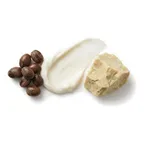 Shea Butter
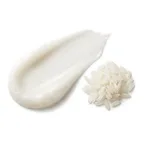 Rice Ferment Filtrate
Low
- AverageOily Skin Fit
- AverageEffectiveness
- HighSafety
A weak match for oily acne-prone skin; the products alongside fit it better.
This fit is calculated for the concerns frequently associated with oily acne-prone skin: shine, breakouts, blemishes, and enlarged pores. For scores and recommendations based on your full skin profile, including your 12D face scan results and any goals or preferences you have, please use the Lovi app.
Updated How the Fit score works
Lovi Assistant explains
- Offers moderate exfoliation for your oily skin due to retinol and lactic acid, which help minimize fine lines and support cell turnover for acne and breakouts.
- Rice ferment filtrate provides barrier support, though the formula lacks sufficient seboregulating ingredients to fully address excess oiliness.
- The product is safe for your oily skin, with no risks of irritation from harsh or prohibited ingredients.
People Say
★4.6Overall rating based on 200+ reviewsThis body cream is highly rated for its gentle and non-irritating formula, which is frequently reported to improve skin texture and firmness. A low number of users with very dry skin mention it may not be hydrating enough on its own.
Highlights
Gentle formula Mostly Mentioned
- “No irritation”
- “great for starting out”
- “gentle and hydrating”
Absorbs fast Often Mentioned
- “Sinks right in”
- “absorbs quickly”
- “no greasy residue”
Improves texture Often Mentioned
- “Skin feels smoother”
- “improved texture”
- “noticeable difference”
Fragrance-free Sometimes Noted
- “Appreciate no scent”
- “fragrance free”
- “inoffensive scent”
Packaging issues Sometimes Noted
- “Spill lotion everywhere”
- “cap is awkward”
- “lotion gets on lid”
No safety seal Rarely Noted
- “Doesn't have a seal”
- “no inner cover”
Not hydrating enough Rarely Noted
- “Moisturizing didn't last”
- “itchy by next day”
- “less hydrating than others”
Sources: lovi.care, cocokind.com, ulta.com, organicbeautylover.com, reddit.com, whatsinmyjar.com, and more
Questions and answers
Why is cocokind Retinol Body Cream a weak match for oily acne-prone skin?
Cocokind Retinol Body Cream is a weak match for oily acne-prone skin because it lacks sufficient oil-controlling ingredients to fully address excess oiliness. Oily acne-prone skin needs a body lotion that targets excess oil and breakouts without heavy oils while safely managing blemishes and providing lightweight hydration.
Which ingredients make this cream a poor fit for oily acne-prone skin?
This cream is a weak match for your oily acne-prone skin because it lacks sufficient oil-balancing ingredients to fully manage excess oil. A product of this type needs powerful oil-controlling, hydrating, and repairing ingredients that clear acne and blemishes without clogging pores.
What does Retinol do for oily acne-prone skin?
Retinol helps clear breakouts and manage acne by targeting the root causes beneath the skin. It is unlikely to directly reduce oil production, so a product for oily skin also needs ingredients that absorb or balance excess shine.
American Journal of Clinical Dermatology, 2019Journal of Drugs in Dermatology, 2018
What do Ceramides do for oily acne-prone skin?
Ceramides help balance and strengthen oily acne-prone skin by improving moisture content and repairing skin barrier function, which may reduce irritation and redness. Because acne-prone skin often has a weakened water barrier and lower natural lipid levels, this skin type especially needs products with ceramides and soothing ingredients to calm breakouts and keep the skin smooth.
Journal of Cosmetic Dermatology, 2026Journal of Cosmetic Dermatology, 2023
Where does this cream go in a skincare routine for oily acne-prone skin?
This cream belongs in the evening routine as a treatment step because it contains retinol, and a body lotion of this type needs lightweight hydrators and oil-controlling ingredients for this skin type.
Can I use this cream with AHA, and in what order?
You can use this cream with alpha-hydroxy acids, but because it already contains retinol and lactic acid, combining them may increase your likelihood of dryness or irritation. Apply your AHA product first on clean skin, let it absorb, and then follow with this lotion. Oily acne-prone skin needs a body lotion of this type that also balances excess oil with ingredients like niacinamide or zinc to fully manage breakouts.
Journal of Drugs in Dermatology, 2023The Journal of Dermatological Treatment, 2016
How often should I use this cream?
This cream is a treatment with retinol and lactic acid, so Lovi routines put it in the evening and start it once a week to see how your skin reacts. It is a weak match for your oily acne-prone skin, as it lacks sufficient oil-controlling ingredients to fully address excess oiliness. Oily acne-prone skin needs lightweight, oil-balancing ingredients and sebum-regulating actives to keep pores clear and manage shine.
Can this cream clog pores, cause breakouts or purging for oily acne-prone skin?
This cream is unlikely to cause harsh irritation on your oily skin, but it may lead to breakouts or purging because it lacks enough ingredients to control excess oil. A product of this type needs lightweight hydrators and oil-balancing ingredients like niacinamide or salicylic acid to properly care for acne-prone skin.
Is this cream fragrance-free and alcohol-free?
Yes, it has no fragrance and no drying alcohol. Cetearyl alcohol is a fatty alcohol, which soften the skin.
What the research says
Topical application of retinol and retinoic acid both increased epidermal thickness and upregulated collagen genes and proteins in human skin, with retinol producing similar histological and molecular changes to retinoic acid alongside a significant reduction in facial wrinkles after 12 weeks.
Journal of Cosmetic Dermatology, 2016Topical bakuchiol 0.5% applied twice daily compared with retinol 0.5% applied daily significantly decreased wrinkle surface area and hyperpigmentation with no statistical difference between the compounds in 44 patients over 12 weeks, while retinol users reported more facial skin scaling and stinging.
The British Journal of Dermatology, 2019Topical 0.3% and 1% retinol comparably improved biomarkers of cutaneous photoageing in photoaged volunteers, while 0.3% retinol demonstrated better tolerance with fewer and milder adverse events compared to 1% retinol in a daily escalation regimen.
International Journal of Cosmetic Science, 2022Daily application of 0.3% and 0.5% retinol serums in 37 volunteers over 12 weeks reduced skin hyperpigmentation, unevenness, and wrinkles on both sides of the face, with the 0.5% concentration causing more frequent and intense skin irritation.
Skin Pharmacology and Physiology, 2020Topical application of 0.1% retinol induced CRABP2 and HBEGF gene expression, increased keratinocyte proliferation and epidermal thickness ex vivo, and improved major skin aging signs without significant adverse reactions in 48 volunteers compared to placebo.
Skin Pharmacology and Physiology, 2009Ceramide and niacinamide-containing moisturizer combined with anti-acne treatment significantly improved non-inflammatory, inflammatory, and total acne lesions compared to hydrophilic cream in 40 patients with mild to moderate acne vulgaris after 8 weeks.
Journal of Cosmetic Dermatology, 2024Topical application of a pseudo-ceramide-containing spray improved stratum corneum water content, transepidermal water loss, cell area, and scaling score, and normalized the ceramide profile in patients with dry and sensitive skin compared to a control spray.
Journal of Cosmetic Dermatology, 2025Application of fullerene-C60 dissolved in squalane cream twice daily for 8 weeks significantly enhanced skin moisture and reduced wrinkle formation compared to placebo in 23 Japanese women without severe side effects.
Journal of Nanoscience and Nanotechnology, 2010Squalane at 0.005-0.015% counteracts UVA-induced oxidative stress, inflammation, and collagen metabolism inhibition while stimulating fibroblast migration in human dermal fibroblasts.
Molecules, 2025Plant-derived squalane protected human dermal fibroblasts against UVA-induced damage by counteracting ROS formation, suppressing apoptosis-related proteins p53, caspase-3, caspase-9, and PARP, and restoring the pro-survival p-Akt/mTOR pathway.
Antioxidants, 2025A skin barrier restoring cream with shea butter, silkflo, and vitamin E increased type I procollagen synthesis, enhanced antioxidant enzyme activity, decreased reactive oxygen species generation, and promoted hyaluronic acid production in H2O2-stimulated human keratinocyte cells compared to untreated cells.
International Journal of Cosmetic Science, 2025Topical gel and cream formulations containing niosomes entrapped with rice bran bioactive compounds improved skin hydration, lightening, thickness, roughness, and elasticity in 30 human volunteers over 28 days compared to baseline.
Pharmaceutical Biology, 2012Daily application of a cream containing niosomes loaded with purple glutinous rice extract in 20 human volunteers for 28 days resulted in a significant decrease in melanin index and skin roughness by -14.05% and -9.95%, and increases in skin hydration and elastic recovery by +48.73% and +35.98% compared to initial values.
International Journal of Cosmetic Science, 2020Encapsulation of ferulic acid in phosphorylated rice starch enhanced its stability against heat and light and improved skin lightening, elasticity, smoothness, roughness, scaliness, and wrinkles compared to free ferulic acid in 16 volunteers over 1 month.
Molecules, 2022
Why other products fit oily acne-prone skin better
Topical benzoyl peroxide 5% gel treatment improved acne severity, sebum, stratum corneum hydration, and transepidermal water loss, while significantly reducing microbial diversity and the prevalence of Cutibacterium in 33 patients with acne vulgaris.
Dermatologic Therapy, 2022A panthenol-enriched mask improved skin hydration, regulated sebum, and reduced redness and TEWL across dry sensitive, oily sensitive, and oily acne skin subgroups with excellent tolerance and no adverse reactions.
Journal of Cosmetic Dermatology, 2024
Ingredients
Water, Coco-Caprylate Caprate, Propanediol, Cetearyl Alcohol, Squalane, Dicaprylyl Ether, Glycine Soja Oil Soybean Oil, Cetearyl Glucoside, Butyrospermum Parkii Butter Shea Butter, Retinol, Rice Ferment Filtrate Sake Ferment Filtrate, Ceramide Np, Hydroxyethyl Acrylate Sodium Acryloyldimethyl Taurate Copolymer, Sodium Stearoyl Glutamate, Ethylhexylglycerin, Tocopheryl Acetate, Tetrasodium Glutamate Diacetate, Leuconostoc Radish Root Ferment Filtrate, Phenoxyethanol, Tocopherol, Lactic Acid, Sodium Hydroxide
Behind this fit score
Lovi calculates every fit score from the full ingredient list with brand-independent rules our dermatologists and cosmetic chemists build and review, and personalizes every pick with AI trained on the real results of millions of users. Lovi trains its fit score models on a proprietary dataset built from more than 10,000 expert-labeled products and more than 100,000 simulated examples, following an internally consistent methodology presented at Cosmoprof, AMWC, and Skin of Color Update.
-

Co-founder, Medical Director
Cosmetic chemist, cosmetologist, aesthetic products developer
-

Co-founder, CEO and CTO
PhD in computer science, 3x US patent holder, ex-Google, ex-Yandex
-

Dr. Sofía Perea Pérez, MD, MSc
Medical Board
Aesthetic medicine practitioner, MSc in Longevity and Anti-Aging Medicine
-

Medical Board
Specialist dermatologist, MBBS, MD, IFAAD
-

Medical Board
Cosmetic chemist, SCS, IFSCC member
-

Medical Board, Medical Advisor
Dermatology MD
-

Elina Nazarenko, MD
Medical Board
Dermatology and diagnostic consultant
-

Victoria Derkova, MS
Medical Board
Cosmetic chemist, cosmetic development technologist


How does it fit your skin?
Scan your face, then any product: Lovi shows how well it fits you and what fits even better.