
Clinique Even Better Clinical Dark Spot Corrector for oily acne-prone skin

 Ascorbyl Glucoside
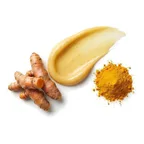 Curcuma Longa Root Extract
 Salicylic Acid
 Squalene
 Glycyrrhetinic Acid
Average
- HighOily Skin Fit
- AverageEffectiveness
- HighSafety
Works for oily acne-prone skin; other serums fit it better.
This fit is calculated for the concerns frequently associated with oily acne-prone skin: shine, breakouts, blemishes, and enlarged pores. For scores and recommendations based on your full skin profile, including your 12D face scan results and any goals or preferences you have, please use the Lovi app.
Updated How the Fit score works
Lovi Assistant explains
- Offers moderate brightening and evening of skin tone for your oily skin, as ascorbyl glucoside and dimethoxytolyl propylresorcinol target dark spots, while salicylic acid helps manage oiliness and pore congestion.
- Sodium hyaluronate and yeast extract provide supportive hydration and soothing benefits beneficial for acne-prone skin.
- The product is safe for your skin, with no risks of irritation due to the absence of harsh ingredients and the inclusion of soothing agents like glycyrrhetinic acid.
Buy online

Prices checked 20 Nov 2026
The Lovi Fit is the same in every country; only the stores and prices differ, and the ones here are for India.
How to apply
- Could be used as part of your PM routine. Start 3 times a week and build up to daily use if your skin tolerates it well.
- Apply your serum after cleansing and toning, but before putting on your moisturizer.
- Gently press 2 to 3 drops of the serum into your skin and let it absorb for a minute.
- Apply the serum on clean, dry skin to help manage your blemishes safely.
- Do a patch test before your first use and avoid the delicate eye area.
Questions and answers
How well does Clinique Even Better Clinical Dark Spot Corrector work for oily acne-prone skin?
This product works moderately well for your oily acne-prone skin, helping to brighten dark spots and manage oiliness without causing irritation. To achieve a better fit for this skin type, a product needs ingredients like niacinamide and propolis to control excess oil and soothe blemishes.
Journal of Cosmetic Dermatology, 2024International Journal of Molecular Sciences, 2024
Which ingredients make this serum a good fit for oily acne-prone skin?
Ascorbyl glucoside and dimethoxytolyl propylresorcinol target dark spots while salicylic acid helps manage oiliness and pore congestion on oily acne-prone skin. Additionally, sodium hyaluronate and yeast extract provide supportive hydration and soothing benefits. To achieve an even better fit, this skin type needs ingredients like niacinamide and propolis that control excess oil and soothe without irritation.
Journal of Cosmetic Dermatology, 2024International Journal of Molecular Sciences, 2024
What does Ascorbyl Glucoside do for oily acne-prone skin?
Ascorbyl glucoside helps brighten dark spots and protect the skin from sun damage while supporting a clearer complexion. A product of this type for oily acne-prone skin needs ingredients that control oil and soothe redness to keep the skin calm and smooth.
International Journal of Molecular Sciences, 2024Journal of Drugs in Dermatology, 2016
What does Turmeric Root Extract do for oily acne-prone skin?
Turmeric root extract helps calm redness and reduces skin disease severity for oily, acne-prone skin. It supports a clearer complexion by easing inflammation.
Where does this serum go in a skincare routine for oily acne-prone skin?
This serum goes in the evening routine after cleansing and toning, and before moisturizing. Oily acne-prone skin often works better with lighter treatments containing oil-balancing acids, soothing plant extracts, and gentle hydrators to keep pores clear without causing irritation.
Can I use it with retinol, and in what order?
You can use this treatment alongside retinol by applying the retinol first, letting it absorb, and then following with this product. This approach helps minimize potential irritation while still managing dark spots and pore congestion.
How often should I use it?
You can use this treatment in the evening as part of your routine. For oily acne-prone skin, this product needs ingredients like salicylic acid to manage oiliness and pore congestion while helping brighten dark spots.
Can it clog pores, cause breakouts or purging for oily acne-prone skin?
This treatment is unlikely to clog pores or cause breakouts on oily acne-prone skin, as it avoids harsh ingredients and includes soothing agents to keep skin calm. To work best for this skin type, a product of this type needs oil-managing ingredients like salicylic acid and gentle hydrators that do not feel heavy.
Journal of Cosmetic Dermatology, 2024Journal of Clinical Medicine, 2023
Is it fragrance-free and alcohol-free?
Yes, it has no fragrance and no drying alcohol.
What the research says
Twice daily application of a multitargeted dermocosmetic cream provided comparable efficacy to benzoyl peroxide 5% gel in reducing inflammatory, non-inflammatory, and total lesions in 150 Caucasian subjects with mild-to-moderate acne over 56 days, while demonstrating superior skin tolerability.
Journal of Cosmetic Dermatology, 2024Nano-microneedle-assisted phenylethyl resorcinol significantly reduced the melanin index in infraorbital dark circles compared to baseline and topical-only treatment in 20 female participants without serious adverse effects.
Journal of Cosmetic Dermatology, 2021Treatment with ascorbyl glucoside-arginine complex lotion significantly decreased pigmentation scores and melanin index while increasing lightness in solar lentigos of Japanese females compared to placebo over 24 weeks.
International Journal of Molecular Sciences, 2024Topical moisturizers improved skin barrier function and surface moisture, while a postbiotic moisturizer with yeast extract uniquely supported microbiome balance and modulated biomarkers of skin barrier, structure, and inflammation in participants and ex vivo explants exposed to environmental aggressors.
Journal of Clinical Medicine, 2023Topical application of 5% vitamin C cream significantly improved global clinical scores, increased skin microrelief density, and induced elastic tissue repair in photoaged skin compared to excipient control in healthy female volunteers.
Experimental Dermatology, 2003Topical application of VC-IP cream twice daily for 8 weeks reduces periorbital wrinkles in female subjects compared to a placebo cream.
Journal of Cosmetic Dermatology, 2022Topical treatment with 5% vitamin C and 0.1% madecassoside significantly improved clinical scores for wrinkles, suppleness, firmness, roughness, and skin hydration, along with functional and structural remodeling of the elastic fiber network in 20 female volunteers with photoaged skin after 6 months compared to baseline.
Experimental Dermatology, 2008Topical application of curcumin or turmeric treats various skin conditions by leveraging antioxidant, anti-inflammatory, and antimicrobial properties.
Skin Pharmacology and Physiology, 2023A curcumin-loaded spanlastic anti-aging gel utilizing formula F5 incorporated into 2% HPMC E50 demonstrated sustained release action, compatibility, and the ability to penetrate skin layers to a depth of about 112.5 um without signs of irritation.
Saudi Pharmaceutical Journal, 2024A moisturizer containing licochalcone A, 1,2-decanediol, L-carnitine, and salicylic acid significantly reduced noninflammatory, inflammatory, and total acne lesion counts compared to a vehicle control in Thai patients during a 12-week maintenance phase.
BioMed Research International, 2020Treatment with 2% supramolecular salicylic acid hydrogel resulted in a regression and markedly improvement rate of 51.01% compared to 43.10% for Adapaline gel in patients with mild to moderate facial acne vulgaris, showing no significant difference in efficacy.
Journal of Cosmetic Dermatology, 2024Topical 5% benzoyl peroxide plus salicylic acid achieved the greatest lesion reduction at early 2 to 4 week time points compared to benzoyl peroxide, clindamycin, and combination benzoyl peroxide/clindamycin, while 5% benzoyl peroxide plus salicylic acid and combination benzoyl peroxide/clindamycin showed similar efficacy at 10 to 12 weeks in acne patients.
Journal of the American Academy of Dermatology, 2010Topical treatment with a mixed RetinSphere - vitamin E formulation significantly decreased lipid peroxidation levels and oxidized squalene percentage, reduced interleukin-1α concentration in lesional areas, and led to clinical improvement in 18 patients with mild comedonal acne.
Journal of the European Academy of Dermatology and Venereology, 2014The investigated actives incorporated into alkyl polyglucoside emulsifier-stabilized creams showed no skin irritation and provided increased skin hydration and reduced transepidermal water loss in 76 healthy volunteers.
Vojnosanitetski Pregled, 2016Application of squalene/phosphotungstate calcium nanowires (Sql/PWC) oleogel on UVB-irradiated skin decreased epidermal thickness, increased dermal thickness, and promoted the expression of elastin, collagen, and skin barrier markers through antioxidant and anti-inflammatory activities.
Journal of Nanobiotechnology, 2025Topical application of B-Resorcinol and Glycyrrhetinic acid effectively lightens hand solar lentigines after 4 weeks of treatment both with and without prior fractional laser photothermolysis, showing no statistical difference between the two approaches.
Journal of Cosmetic Dermatology, 2016Hyaluronic acid-coated ethosomes improved the topical delivery, skin retention, keratinocyte uptake, anti-inflammatory activity, and barrier-restoring effects of glycyrrhetinic acid compared to free drug and unmodified ethosomes in cellular and 3D skin models.
Pharmaceutics, 2026
Ingredients
Water, Dimethicone, Isododecane, Cyclopentasiloxane, Polysilicone-11, Butylene Glycol, Ascorbyl Glucoside, Peg-10 Dimethicone, Curcuma Longa Root Extract, Rice Bran Extract, Grapefruit Peel Extract, Hordeum Vulgare Extract, Wheat Extract Germ Extract, Betula Alba Bark Extract, Cucumis Sativus Fruit Extract, Dimethoxytolyl Propylresorcinol, Scutellaria Baicalensis Root Extract, Morus Bombycis Root Extract Morus Alba Root Extract, Trametes Versicolor Extract, Saccharomyces Lysate Extract, Yeast Extract, Peg-6, Tromethamine, Salicylic Acid, Polysorbate 20, Cholesterol, Isohexadecane, Propylene Glycol Dicaprate, Helianthus Annuus Seedcake Sunflower Seedcake, Caffeine, Tocopheryl Acetate, Acetyl Glucosamine, Simethicone, Glycyrrhetinic Acid, Polysorbate 80, Sodium Hyaluronate, Di-C12-18 Alkyl Dimonium Chloride, Sodium Rna, Squalane, Sodium Sulfite, Sodium Metabisulfite, Caprylyl Glycol, Hexylene Glycol, Ammonium Acryloyldimethyltaurate Vp Copolymer, Acrylamide Sodium Acryloyldimethyltaurate Copolymer, Disodium Edta, Phenoxyethanol, Ci 15985, Yellow 5 Ci 19140
Behind this fit score
Lovi calculates every fit score from the full ingredient list with brand-independent rules our dermatologists and cosmetic chemists build and review, and personalizes every pick with AI trained on the real results of millions of users. Lovi trains its fit score models on a proprietary dataset built from more than 10,000 expert-labeled products and more than 100,000 simulated examples, following an internally consistent methodology presented at Cosmoprof, AMWC, and Skin of Color Update.
-

Co-founder, Medical Director
Cosmetic chemist, cosmetologist, aesthetic products developer
-

Co-founder, CEO and CTO
PhD in computer science, 3x US patent holder, ex-Google, ex-Yandex
-

Dr. Sofía Perea Pérez, MD, MSc
Medical Board
Aesthetic medicine practitioner, MSc in Longevity and Anti-Aging Medicine
-

Medical Board
Specialist dermatologist, MBBS, MD, IFAAD
-

Medical Board
Cosmetic chemist, SCS, IFSCC member
-

Medical Board, Medical Advisor
Dermatology MD
-

Elina Nazarenko, MD
Medical Board
Dermatology and diagnostic consultant
-

Victoria Derkova, MS
Medical Board
Cosmetic chemist, cosmetic development technologist


How does it fit your skin?
Scan your face, then any product: Lovi shows how well it fits you and what fits even better.