
Clé de Peau Beauté Intensive Brightening Mask for oily acne-prone skin

 3-O-Ethyl Ascorbic Acid
 Sodium Acetylated Hyaluronate
 Transexamic Acid
 Tocopheryl Acetate
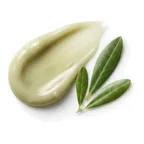 Olea Europaea Leaf Extract Olive Leaf Extract
Average
- AverageOily Skin Fit
- AverageEffectiveness
- HighSafety
Works for oily acne-prone skin; other nourishing masks fit it better.
This fit is calculated for the concerns frequently associated with oily acne-prone skin: shine, breakouts, blemishes, and enlarged pores. For scores and recommendations based on your full skin profile, including your 12D face scan results and any goals or preferences you have, please use the Lovi app.
Updated How the Fit score works
Lovi Assistant explains
- Offers moderate suitability for your oily skin, as Tranexamic Acid and Potassium Methoxysalicylate help regulate melanogenesis for brighter skin, though it lacks potent seboregulation for oiliness.
- The inclusion of 3-O-Ethyl Ascorbic Acid provides excellent brightening by evening skin tone, while glycerin and betaine offer supportive hydration and soothing for your oily skin and acne concerns.
- The product is safe for your oily skin, with no risks of irritation due to the absence of harsh ingredients and the presence of soothing agents like Dipotassium Glycyrrhizate and Hydrolyzed Silk.
How to apply
- Could be used as part of your AM or PM routine. Start using the creamy mask 3 times a week and slowly move to daily use.
- Apply the creamy mask after your cleanser and toner, but right before your moisturizer or SPF.
- Gently smooth a thin layer of the creamy mask over your face. Avoid any harsh rubbing motions.
- Apply the creamy mask evenly on clean and dry skin for the best results against blemishes. Let it sit comfortably without rushing the process.
- Always avoid the delicate eye area. Do a quick patch test before your very first application to check for safety.
People Say
★4.6Overall rating based on 100+ reviewsBased on limited data, users find this mask to be a luxurious treat that provides intense hydration and a spa-like glow. The unique two-piece design is frequently praised for its excellent fit and coverage. Some users note that the immediate brightening effects are subtle given the high price point, and a few mention the application can be messy due to the rich serum.
Highlights
Superior two-piece fit Mostly Mentioned
- “Fits face contour perfectly”
- “best fitting mask”
- “covers eye flaps”
- “snug fit”
Intense hydration Often Mentioned
- “Skin feeling supple”
- “richly hydrated”
- “moisture richness”
- “plumped surface”
High price point Often Mentioned
- “Definitely a splurge”
- “deep pockets needed”
- “pricey”
- “worth it but expensive”
Luxurious experience Sometimes Noted
- “Beauty salon quality”
- “terribly comforting”
- “feels luxurious”
- “thick quality sheet”
Visible radiance Sometimes Noted
- “Face is glowing”
- “look of translucence”
- “noticeable brightness”
- “radiance from within”
Messy application Rarely Noted
- “Very rich and wet”
- “careful not to drip”
- “slippery essence”
- “excess serum”
Noticeable fragrance Rarely Noted
- “Smell reminds of salon”
- “fragrance is present”
- “strong scent”
- “perfumed”
Subtle immediate brightness Rarely Noted
- “Falls short a tad”
- “subtle brightening”
- “expected more radiance”
- “needs continuous usage”
Sources: lovi.care, influenster.com, sephora.sg, walmart.com, awrensays.com, luminnej.com, and more
Questions and answers
How well does Clé de Peau Beauté Intensive Brightening Mask work for oily acne-prone skin?
This mask works reasonably well for your oily skin, offering moderate brightness and helpful hydration without causing irritation, though it lacks strong oil control. A nourishing mask for oily acne-prone skin needs ingredients like niacinamide and centella asiatica to target breakouts while balancing oil.
Which ingredients make this mask a good fit for oily acne-prone skin?
This mask works moderately well for your skin because 3-O-Ethyl Ascorbic Acid, Tranexamic Acid, and Potassium Methoxysalicylate help brighten your complexion, while glycerin, betaine, and Dipotassium Glycyrrhizate provide supportive hydration and soothing. However, a product of this type needs ingredients like Niacinamide and Centella Asiatica to manage oiliness and target acne and blemishes.
What does 3-O-Ethyl Ascorbic Acid do for oily acne-prone skin?
3-O-ethyl ascorbic acid helps oily, acne-prone skin by reducing inflammation, fighting oxidative damage from UV rays, and keeping the skin clear and calm.
Free Radical Biology & Medicine, 2025Scientific Reports, 2024
What does Sodium Acetylated Hyaluronate do for oily acne-prone skin?
Sodium Acetylated Hyaluronate is a good fit for oily, acne-prone skin because it adds lightweight moisture without making the skin greasy or heavy. This ingredient helps keep the skin feeling soft and balanced while maintaining hydration. A product for this skin type also needs soothing ingredients and oil-control agents to keep pores clear and calm breakouts.
Where does this mask go in a skincare routine for oily acne-prone skin?
This nourishing mask works as a weekly treatment for your oily acne-prone skin, fitting into a routine that helps balance oil and brighten your tone. To better suit this skin type, a product of this type needs powerful oil-controlling ingredients.
Can I use this mask with retinol, and in what order?
You can use this mask in your weekly routine, applying it after cleansing and before your treatment step. It is unlikely to irritate oily skin due to its soothing ingredients, though an oily skin type needs a product with strong oil control ingredients.
How often should I use this mask?
This nourishing mask works for your oily acne-prone skin when used as part of a weekly routine, though products of this type for this skin need ingredients that help control oiliness.
Can this mask clog pores, cause breakouts or purging for oily acne-prone skin?
This mask is unlikely to clog pores or cause breakouts for oily acne-prone skin, as it contains no harsh ingredients and includes soothing agents like dipotassium glycyrrhizate. However, because it works for this skin only on an average level, an oily acne-prone routine ultimately needs targeted oil-balancing and pore-clearing ingredients to keep skin completely clear.
Is this mask fragrance-free and alcohol-free?
It contains fragrance (parfum and zingiber aromaticus extract) and drying alcohol (alcohol).
What the research says
Potassium 4-methoxysalicylate (4MSK) suppresses melanin content, promotes keratinocyte differentiation, increases skin lightness in pigmented and non-pigmented cheek areas, and reduces the desquamation area ratio.
Journal of Cosmetic Dermatology, 2025L-ascorbic acid and betaine-based therapeutic deep eutectic system significantly enhanced transdermal delivery through porcine skin compared to ascorbic acid alone or physical mixture, and reduced aging markers while inducing an even skin tone in humans.
Pharmaceutics, 2024Topical application of 5% vitamin C cream significantly improved global clinical scores, increased skin microrelief density, and induced elastic tissue repair in photoaged skin compared to excipient control in healthy female volunteers.
Experimental Dermatology, 2003Topical application of VC-IP cream twice daily for 8 weeks reduces periorbital wrinkles in female subjects compared to a placebo cream.
Journal of Cosmetic Dermatology, 2022Topical treatment with 5% vitamin C and 0.1% madecassoside significantly improved clinical scores for wrinkles, suppleness, firmness, roughness, and skin hydration, along with functional and structural remodeling of the elastic fiber network in 20 female volunteers with photoaged skin after 6 months compared to baseline.
Experimental Dermatology, 2008Topical application of 0.1% hyaluronic acid formulations of different molecular weights led to significant improvements in skin hydration and elasticity, with low-molecular-weight formulations also significantly reducing wrinkle depth in seventy-six female subjects compared to a vehicle control.
Journal of Drugs in Dermatology, 2011Topical hyaluronic acid serum used twice daily by 40 females with facial photoaging produced an immediate 134% increase in skin hydration, a sustained 55% increase at week 6, and significant improvements in smoothness, plumping, fine lines, wrinkles, and global appearance without causing irritation.
Dermatology and Therapy, 2021A topical antioxidant serum significantly reduced air pollution-induced skin pigmentation and proinflammatory gene expression ex vivo, and improved skin aging signs in 40 healthy adult females after 90 days of daily use.
Journal of Cosmetic Dermatology, 2022Topical administration of 20% azelaic acid cream and 5% tranexamic acid solution comparably improved acne-related postinflammatory hyperpigmentation in patients with acne vulgaris, while tranexamic acid demonstrated a significantly better safety profile at week 4.
Journal of Research in Medical Sciences, 2023Topical 10% tranexamic acid serum reduced inflammatory acne counts, particularly papules and pustules, and decreased skin redness compared to placebo in 18 patients with mild-to-moderate acne over 8 weeks.
Journal of Cosmetic Dermatology, 2022Topical application of an antioxidant serum containing 15% ascorbic acid, 0.5% ferulic acid, and 1% tocopherol prevented particulate matter-induced degradation of extracellular matrix components, inflammation, and oxidative stress in the skin of 15 female volunteers compared to untreated controls.
Journal of Cosmetic Dermatology, 2025Dermatological products containing d-alpha tocopheryl acetate showed non-comedogenic potential with less than a 50% increase in microcomedones in 12 healthy male subjects compared to octyl palmitate.
Contemporary Clinical Trials Communications, 2021Topical application of an antioxidant mix containing 15% ascorbic acid, 0.5% ferulic acid, and 1% tocopherol prevented PM and UV-induced skin barrier perturbation, lipid peroxidation, inflammatory markers, MMP9 activation, and Type I collagen loss in 15 healthy females compared to untreated exposed skin.
Journal of Cosmetic Dermatology, 2024Topical oleuropein formulations reduced erythema, transepidermal water loss, and blood flow by approximately 22%, 35%, and 30% in healthy volunteers with UVB-induced erythema.
International Journal of Cosmetic Science, 2008An oil-in-serum formulation containing olive extract standardized in hydroxytyrosol improved skin barrier function and significantly reduced hyperpigmentation in participants with post-inflammatory hyperpigmentation after 45 days of application.
AAPS PharmSciTech, 2026Treatment with hydroxytyrosol extracted from olive fruits protects human keratinocytes and fibroblasts from LED-BL-induced damage compared to untreated controls.
Journal of Cellular Physiology, 2019
Why other nourishing masks fit oily acne-prone skin better
A panthenol-enriched mask improved skin hydration, regulated sebum, and reduced redness and TEWL across dry sensitive, oily sensitive, and oily acne skin subgroups with excellent tolerance and no adverse reactions.
Journal of Cosmetic Dermatology, 2024Co-delivery of paeonol and madecassoside via nanoemulsions improved transdermal delivery, promoted barrier repair proteins, inhibited inflammatory cytokine secretion in cellular and 3D models, and reduced transepidermal water loss and acne in human facial skin compared to free components.
Molecules, 2023
Ingredients
Water, Dipropylene Glycol, Glycerin, Betaine, Butylene Glycol, Tranexamic Acid, Peg Ppg-14 7 Dimethyl Ether, Potassium Methoxysalicylate, Isostearic Acid, Cetyl Ethylhexanoate, Phenoxyethanol, Lauryl Betaine, Carbomer, Potassium Hydroxide, Acrylates C10-30 Alkyl Acrylate Crosspolymer, Xanthan Gum, Disodium Edta, Parfum, Glucosamine Hcl, Sodium Metabisulfite, Alcohol, Olea Europaea Leaf Extract Olive Leaf Extract, Dipotassium Glycyrrhizate, Tocopheryl Acetate, Sodium Acetylated Hyaluronate, 3-O-Ethyl Ascorbic Acid, Lilium Candidum Bulb Extract, Sodium Benzoate, Bupleurum Falcatum Root Extract, Rubus Idaeus Fruit Extract Raspberry Fruit Extract, Chaenomeles Sinensis Fruit Extract, Rubus Suavissimus Leaf Extract Raspberry Leaf Extract, Rosa Roxburghii Fruit Extract, Camellia Sinensis Leaf Extract, Rosa Centifolia Flower Extract, Uncaria Gambir Extract, Zingiber Aromaticus Extract, Hydrolyzed Conchiolin Protein, Hydrolyzed Silk
Behind this fit score
Lovi calculates every fit score from the full ingredient list with brand-independent rules our dermatologists and cosmetic chemists build and review, and personalizes every pick with AI trained on the real results of millions of users. Lovi trains its fit score models on a proprietary dataset built from more than 10,000 expert-labeled products and more than 100,000 simulated examples, following an internally consistent methodology presented at Cosmoprof, AMWC, and Skin of Color Update.
-

Co-founder, Medical Director
Cosmetic chemist, cosmetologist, aesthetic products developer
-

Co-founder, CEO and CTO
PhD in computer science, 3x US patent holder, ex-Google, ex-Yandex
-

Dr. Sofía Perea Pérez, MD, MSc
Medical Board
Aesthetic medicine practitioner, MSc in Longevity and Anti-Aging Medicine
-

Medical Board
Specialist dermatologist, MBBS, MD, IFAAD
-

Medical Board
Cosmetic chemist, SCS, IFSCC member
-

Medical Board, Medical Advisor
Dermatology MD
-

Elina Nazarenko, MD
Medical Board
Dermatology and diagnostic consultant
-

Victoria Derkova, MS
Medical Board
Cosmetic chemist, cosmetic development technologist


How does it fit your skin?
Scan your face, then any product: Lovi shows how well it fits you and what fits even better.