
CHANEL Sublimage La Crème for oily acne-prone skin

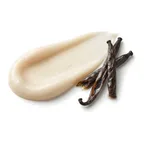 Vanilla Planifolia
 Shea Butter
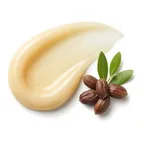 Jojoba Oil
 Sodium Hyaluronate
 Vitamin E
Average
- AverageOily Skin Fit
- AverageEffectiveness
- ExcellentSafety
Works for oily acne-prone skin; other moisturizers fit it better.
- Clinical, Cosmetic and Investigational Dermatology, 2017
- Clinical, Cosmetic and Investigational Dermatology, 2019
This fit is calculated for the concerns frequently associated with oily acne-prone skin: shine, breakouts, blemishes, and enlarged pores. For scores and recommendations based on your full skin profile, including your 12D face scan results and any goals or preferences you have, please use the Lovi app.
Updated How the Fit score works
Lovi Assistant explains
- Offers moderate suitability for your oily skin, as glycerin and sodium hyaluronate provide excellent hydration, but it lacks sufficient ingredients for strong seboregulation to address your acne and breakouts.
- The presence of Vanilla Planifolia Fruit Extract and Camellia Sinensis Leaf Extract offers general skincare benefits and soothing properties, which are beneficial for your skin.
- The product is safe for your oily skin, with no risks of irritation due to the absence of harsh ingredients and the inclusion of soothing components.
How to apply
- Use this AM and PM routine every day to help clear your skin. Always remember to finish with SPF in the morning.
- Apply the moisturizer after your cleanser and toner, right before your SPF during the day.
- Gently press a small amount into your skin and avoid rubbing to keep pores clear.
- Apply on clean, slightly damp skin to help the product absorb better and control oil.
- Avoid the sensitive eye area and do a simple patch test before your first use.
People Say
★4.7Overall rating based on 300+ reviewsThis product is highly praised for its ability to provide deep, long-lasting hydration and a luminous, radiant finish, making it particularly effective for those with dry or mature skin. Users frequently report improved skin texture and a rejuvenated appearance. Some users note that the rich formula can be too heavy for oily or combination skin, occasionally leading to blemishes if used in excess.
Highlights
Deeply hydrating Mostly Mentioned
- “Instantly calmed”
- “nourished and hydrated”
- “ample moisturization”
Very expensive Mostly Mentioned
- “Price is steep”
- “wickedly high”
- “not worth price”
Luxurious texture Often Mentioned
- “Silky, smooth”
- “velvety finish”
- “rich and bouncy”
Radiant finish Often Mentioned
- “Glowing skin”
- “luminous finish”
- “radiant shift”
Pleasant scent Sometimes Noted
- “Beautiful sense”
- “subtly intoxicating”
- “luxurious scent”
Causes blemishes Sometimes Noted
- “Developed cystic acne”
- “clusters of blemishes”
- “too heavy”
Heavy for some Sometimes Noted
- “Too greasy”
- “heavy during summer”
- “not for oily”
Highly fragranced Sometimes Noted
- “Sensitive to fragrances”
- “scent quite strong”
- “highly fragranced”
Sources: lovi.care, chanel.com, dermapproved.com, hwahae.com, influenster.com, mywomenstuff.com, and more
Questions and answers
How well does CHANEL Sublimage La Crème work for oily acne-prone skin?
CHANEL Sublimage La Crème offers moderate suitability for your oily skin, as its glycerin and sodium hyaluronate provide good hydration without irritation, though it lacks enough ingredients to properly control oil and breakouts. A product of this type for oily acne-prone skin needs ingredients that target excess oil and clear blemishes while keeping the skin light and hydrated.
Clinical, Cosmetic and Investigational Dermatology, 2017Clinical, Cosmetic and Investigational Dermatology, 2019
Which ingredients make this cream a good fit for oily acne-prone skin?
Glycerin and sodium hyaluronate provide effective hydration, while vanilla planifolia and camellia sinensis extracts offer soothing properties that help calm oily skin. To truly suit oily acne-prone skin, this type of product needs targeted oil-balancing and blemish-clearing ingredients to properly manage breakouts.
Clinical, Cosmetic and Investigational Dermatology, 2017Clinical, Cosmetic and Investigational Dermatology, 2019
What does Vanilla Extract do for oily acne-prone skin?
Vanilla Extract helps calm irritation and protect oily, acne-prone skin from cell damage. However, because this product is an average fit for your skin, an ideal product of this type needs soothing and balancing ingredients that control excess oil without clogging pores.
Journal of Advanced Pharmaceutical Technology & Research, 2023
What does Shea Butter do for oily acne-prone skin?
Shea butter is generally too heavy for oily, acne-prone skin and may clog pores, leading to breakouts. Skin of this type needs lightweight, non-greasy hydrators like green tea extract to keep it smooth and calm without extra oil.
Where does this cream go in a skincare routine for oily acne-prone skin?
This moisturizing treatment goes after your cleanser, toner, and any targeted serums in the evening, and after your hydrating toner in the morning. Oily acne-prone skin typically does well with this routine step to lock in hydration while keeping the skin calm, but this skin type also needs active ingredients that help control excess oil and breakouts.
Can I use this cream with retinol, and in what order?
You can use this cream alongside retinol, applying the retinol first and following with the cream to keep your skin calm and hydrated. Oily acne-prone skin needs a moisturizer of this type to include ingredients that balance oil production and target breakouts effectively.
How often should I use this cream?
You can use this moisturizing treatment twice daily as part of your morning and evening routine. Daily application helps keep skin hydrated and is unlikely to cause irritation on oily skin, though this skin type also needs targeted ingredients that help control oil and breakouts.
Journal of Cosmetic Dermatology, 2020Health Science Reports, 2021
Can this cream clog pores, cause breakouts or purging for oily acne-prone skin?
This cream may cause blemishes and feel heavy for oily acne-prone skin, as some reviewers complain and it lacks sufficient ingredients for strong oil control. It is safe from irritation due to soothing components, but this type of skin needs lightweight textures and ingredients that actively balance oil and prevent breakouts.
Can I use this cream around the eyes or on my body?
You can use this cream on your body and around your eyes, as it is very safe and well-tolerated for the skin. However, because skin thickness varies across the body, richer moisturizing treatments like this work best when matched to areas that need deep hydration.
Is this cream fragrance-free and alcohol-free?
It has no drying alcohol and contains fragrance (parfum). Cetearyl alcohol is a fatty alcohol, which soften the skin.
What the research says
A single application of a moisturizing fluid containing hyaluronic acid 1%, glycerin 5%, and Centella asiatica stem cells extract significantly increased skin hydration by 29% and reduced transepidermal water loss at 24 hours compared to baseline and an untreated control site in twenty healthy women.
Clinical, Cosmetic and Investigational Dermatology, 2017An anti-acne hydrogel containing Aloe barbadensis, Garcinia mangostana, and Camellia sinensis extracts showed superior antiacne and antiblotch activities compared to 1% clindamycin gel in sixty subjects with mild-moderate acne.
Clinical, Cosmetic and Investigational Dermatology, 2019Topical application of a 6% green tea extract formulation increased skin moisture, enhanced skin elasticity, and improved skin microrelief by reducing roughness in 24 volunteers compared to vehicle and control over 30 days.
Dermatologic Therapy, 2013Clay jojoba oil facial masks reduced total skin lesions by a mean of 54% after 6 weeks in 133 participants with acne-prone, lesioned skin and mild acne compared to baseline.
Forschende Komplementarmedizin, 2012Topical application of tocopherol succinate ethosomal gel decreased erythema, melanin, and sebum levels while improving moisture content and skin elasticity in 34 human women.
Journal of Cosmetic Dermatology, 2024Whole cells of Ochrobactrum anthropi strain T5_1 successfully synthesized vanillic acid from vanillin with a 95% yield, which exhibited in vitro anti-tyrosinase and cytotoxic properties on B16F1 skin cell line with IC50 values of 15.84 mM and 9.24 mM, respectively.
Bioorganic & Medicinal Chemistry, 2022Vanillin exhibited cytocompatibility, protected human keratinocytes and fibroblast cells against ROS-induced cell death with >80% survival, and increased cell migration in vitro.
Journal of Advanced Pharmaceutical Technology & Research, 2023A skin barrier restoring cream with shea butter, silkflo, and vitamin E increased type I procollagen synthesis, enhanced antioxidant enzyme activity, decreased reactive oxygen species generation, and promoted hyaluronic acid production in H2O2-stimulated human keratinocyte cells compared to untreated cells.
International Journal of Cosmetic Science, 2025Topical formulations containing 3.75% glycerol and 1.25% hydrolyzed jojoba esters produced significantly lower evaporative TEWL values compared to glycerol alone at 8 and 24 hours posttreatment in human subjects.
Journal of Cosmetic Dermatology, 2008Topical application of 1.0% Lactobacillus ferment from jojoba cake significantly increased skin collagen fluorescence compared to baseline and placebo cream over 56 days in 46 individuals.
International Journal of Cosmetic Science, 2026Topical application of jojoba, almond, paraffin, and petrolatum oils on human skin increases free water and transforms water toward a weakly hydrogen-bonded state in the uppermost stratum corneum.
International Journal of Cosmetic Science, 2020Topical application of 0.1% hyaluronic acid formulations of different molecular weights led to significant improvements in skin hydration and elasticity, with low-molecular-weight formulations also significantly reducing wrinkle depth in seventy-six female subjects compared to a vehicle control.
Journal of Drugs in Dermatology, 2011Topical hyaluronic acid serum used twice daily by 40 females with facial photoaging produced an immediate 134% increase in skin hydration, a sustained 55% increase at week 6, and significant improvements in smoothness, plumping, fine lines, wrinkles, and global appearance without causing irritation.
Dermatology and Therapy, 2021A topical antioxidant serum significantly reduced air pollution-induced skin pigmentation and proinflammatory gene expression ex vivo, and improved skin aging signs in 40 healthy adult females after 90 days of daily use.
Journal of Cosmetic Dermatology, 2022Topical application of an antioxidant serum containing 15% ascorbic acid, 0.5% ferulic acid, and 1% tocopherol prevented particulate matter-induced degradation of extracellular matrix components, inflammation, and oxidative stress in the skin of 15 female volunteers compared to untreated controls.
Journal of Cosmetic Dermatology, 2025Dermatological products containing d-alpha tocopheryl acetate showed non-comedogenic potential with less than a 50% increase in microcomedones in 12 healthy male subjects compared to octyl palmitate.
Contemporary Clinical Trials Communications, 2021Topical application of an antioxidant mix containing 15% ascorbic acid, 0.5% ferulic acid, and 1% tocopherol prevented PM and UV-induced skin barrier perturbation, lipid peroxidation, inflammatory markers, MMP9 activation, and Type I collagen loss in 15 healthy females compared to untreated exposed skin.
Journal of Cosmetic Dermatology, 2024
Why other moisturizers fit oily acne-prone skin better
Co-delivery of paeonol and madecassoside via nanoemulsions improved transdermal delivery, promoted barrier repair proteins, inhibited inflammatory cytokine secretion in cellular and 3D models, and reduced transepidermal water loss and acne in human facial skin compared to free components.
Molecules, 2023A facial serum containing snail secretion filtrate, Calendula officinalis, and Glycyrrhiza glabra root extract significantly reduced inflammatory acne lesions compared to placebo in 66 participants with mild-to-moderate maskne over 12 weeks.
Journal of Cosmetic Dermatology, 2022
Ingredients
Water, Glycerin, Butylene Glycol, Dimethicone, Cetearyl Alcohol, Hydrogenated Polyisobutene, Squalane, C12-15 Alkyl Benzoate, Caprylic Capric Triglyceride, Glyceryl Stearate, Peg-100 Stearate, Phenoxyethanol, Parfum, Carbomer, Sodium Hydroxide, Tocopheryl Acetate, Sodium Hyaluronate, Ascorbyl Glucoside, Panthenol, Adenosine, Biosaccharide Gum-1, Helianthus Annuus Seed Oil Sunflower Seed Oil, Camellia Sinensis Leaf Extract, Vanilla Planifolia Fruit Extract, Polyquaternium-51, Ethylhexylglycerin, Disodium Edta, Bht
Behind this fit score
Lovi calculates every fit score from the full ingredient list with brand-independent rules our dermatologists and cosmetic chemists build and review, and personalizes every pick with AI trained on the real results of millions of users. Lovi trains its fit score models on a proprietary dataset built from more than 10,000 expert-labeled products and more than 100,000 simulated examples, following an internally consistent methodology presented at Cosmoprof, AMWC, and Skin of Color Update.
-

Co-founder, Medical Director
Cosmetic chemist, cosmetologist, aesthetic products developer
-

Co-founder, CEO and CTO
PhD in computer science, 3x US patent holder, ex-Google, ex-Yandex
-

Dr. Sofía Perea Pérez, MD, MSc
Medical Board
Aesthetic medicine practitioner, MSc in Longevity and Anti-Aging Medicine
-

Medical Board
Specialist dermatologist, MBBS, MD, IFAAD
-

Medical Board
Cosmetic chemist, SCS, IFSCC member
-

Medical Board, Medical Advisor
Dermatology MD
-

Elina Nazarenko, MD
Medical Board
Dermatology and diagnostic consultant
-

Victoria Derkova, MS
Medical Board
Cosmetic chemist, cosmetic development technologist


How does it fit your skin?
Scan your face, then any product: Lovi shows how well it fits you and what fits even better.