
Cetaphil Redness Relieving Daily Facial Moisturizer SPF 40 for dry sensitive skin

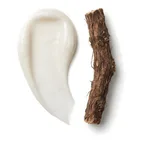 Allantoin
 Vitamin E
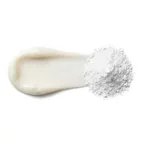 Titanium Dioxide
 Zinc Oxide
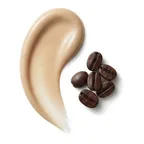 Caffeine
High
- HighDry Skin Fit
- HighEffectiveness
- HighSafety
A great choice for dry sensitive skin; a few sunscreens fit it even better.
This fit is calculated for the concerns frequently associated with dry sensitive skin: flakiness, tightness, redness, fine lines, and wrinkles. For scores and recommendations based on your full skin profile, including your 12D face scan results and any goals or preferences you have, please use the Lovi app.
Updated How the Fit score works
Lovi Assistant explains
- Offers excellent sun protection for your dry and sensitive skin, as titanium dioxide and zinc oxide provide robust UV defense, while glycerin and allantoin offer hydration and soothing benefits to combat dryness and flakiness.
- The inclusion of caffeine and dipotassium glycyrrhizate further supports skin comfort and barrier function, making it a beneficial choice for your specific skin needs.
- The formulation is safe for your dry and sensitive skin, with no harsh ingredients that could cause irritation.
How to apply
- Use this moisturizing sunscreen daily in your morning routine. Reapply every two hours if you are staying outdoors.
- Apply this product at the very end of your morning routine right after your regular moisturizer.
- Gently pat a nickel-sized amount of the moisturizing sunscreen evenly across your face and neck.
- Apply this product onto clean, dry skin before you go outside into the sun.
- Avoid the immediate eye area and do a patch test before your first use to check for sensitivity.
People Say
★4.1Overall rating based on 800+ reviewsThe tint is frequently reported to be too dark or orange for very fair complexions, and some users find the finish greasy or shiny.
Highlights
Light coverage Often Mentioned
- “replaces my foundation”
- “natural light coverage”
- “evens out skin tone”
- “good for no-makeup days”
Redness reduction Often Mentioned
- “tones down my redness”
- “neutralizes the appearance of redness”
- “calms my flushed skin”
Tint too dark Often Mentioned
- “turned my face orange”
- “too dark for fair skin”
- “looked like a bad spray tan”
- “oxidized to a dark color”
Mineral sun protection Sometimes Noted
- “love the mineral SPF”
- “great daily sun protection”
- “SPF 40 is a bonus”
- “protects without chemical filters”
Non-irritating formula Sometimes Noted
- “doesn't burn my eyes”
- “great for sensitive skin”
- “no stinging or irritation”
- “gentle on my face”
Difficult to blend Sometimes Noted
- “hard to spread”
- “streaky application”
- “sits on top of skin”
- “requires elbow grease to blend”
Greasy or shiny Sometimes Noted
- “leaves a greasy film”
- “too shiny for oily skin”
- “feels heavy and sticky”
- “makes me look oily”
Caused breakouts Rarely Noted
- “clogged my pores”
- “caused cystic acne”
- “broke me out immediately”
- “not for acne-prone skin”
Sources: lovi.care, walmart.com, cetaphil.com, iherb.com, skinsort.com, and more
Questions and answers
What makes Cetaphil Redness Relieving Daily Facial Moisturizer SPF 40 a great fit for dry sensitive skin?
This moisturizer is a great fit because its mineral sun blockers protect your dry skin from UV rays while glycerin and allantoin add deep hydration to stop flakiness. Ingredients like caffeine and vitamin E also help calm redness and keep your skin comfortable without any harsh irritation.
Which ingredients make this moisturizer a good fit for dry sensitive skin?
Glycerin, allantoin, titanium dioxide, zinc oxide, caffeine, and dipotassium glycyrrhizate make this a great fit by providing sun defense, soothing dry and flaky areas, and supporting skin comfort.
What does Allantoin do for dry sensitive skin?
Allantoin helps soothe dry sensitive skin by calming irritation and reducing redness while supporting the skin barrier. It is unlikely to cause adverse effects and may help keep the skin feeling soft and smooth.
What does Vitamin E do for dry sensitive skin?
Vitamin E helps soothe dry and sensitive skin by improving moisture levels and protecting the skin barrier. It may also reduce irritation and calm redness while keeping the skin soft and smooth.
Journal of Cosmetic Dermatology, 2024Journal of Cosmetic Dermatology, 2022
Where does this moisturizer go in a skincare routine for dry sensitive skin?
Apply this moisturizing spf in the morning as the last step before sun exposure, following your cleanser and soothing toner. A daily routine with gentle hydrating products helps significantly improve dry skin and supports your natural moisture barrier.
The Journal of Dermatological Treatment, 2022Clinical, Cosmetic and Investigational Dermatology, 2017
Can I use this moisturizer with retinol, and in what order?
Use this moisturizing SPF and this apart: in different sessions of the same day or on different days. Using a gentle moisturizer helps keep your dry and sensitive skin calm and hydrated while lowering the likelihood of irritation from strong treatments.
How often should I use this moisturizer?
Apply this moisturizing spf every morning as the final step of your daytime routine to protect against UV rays and keep dry areas comfortable. Daily use helps maintain hydration and supports the skin barrier while defending sensitive skin from irritation.
Can this moisturizer clog pores, cause breakouts or purging for dry sensitive skin?
This moisturizer is unlikely to cause breakouts or clog pores for dry and sensitive skin, as its formulation avoids harsh ingredients that typically trigger irritation. Reviewers only rarely complain about breakouts from this product.
Is this moisturizer fragrance-free and alcohol-free?
It has no drying alcohol and contains fragrance (benzyl alcohol).
What the research says
A single application of a moisturizing fluid containing hyaluronic acid 1%, glycerin 5%, and Centella asiatica stem cells extract significantly increased skin hydration by 29% and reduced transepidermal water loss at 24 hours compared to baseline and an untreated control site in twenty healthy women.
Clinical, Cosmetic and Investigational Dermatology, 2017A topical formulation containing panthenol, niacinamide, and dipotassium glycyrrhizate increased skin hydration by 74.1% and reduced transepidermal water loss by 13.5% at 28 days compared to baseline and untreated control in 35 individuals with xerosis.
Journal of Cosmetic Dermatology, 2026The ThriveCo Bumps Eraser Kit increased skin hydration by 131.75%, reduced redness by 69.30%, decreased pigmentation by 35.77%, dropped itchiness by 92.63%, improved smoothness by 55.00%, reduced roughness by 148.54%, and decreased scaliness by 87.09% without adverse effects.
Cureus, 2025The combination of allantoin, bisabolol, D-panthenol and dipotassium glycyrrhizinate reduces UVB-induced PGE2, inflammatory cytokines, and mitochondrial superoxide in human epidermal keratinocytes.
International Journal of Cosmetic Science, 2024Topical application of an antioxidant serum containing 15% ascorbic acid, 0.5% ferulic acid, and 1% tocopherol prevented particulate matter-induced degradation of extracellular matrix components, inflammation, and oxidative stress in the skin of 15 female volunteers compared to untreated controls.
Journal of Cosmetic Dermatology, 2025Dermatological products containing d-alpha tocopheryl acetate showed non-comedogenic potential with less than a 50% increase in microcomedones in 12 healthy male subjects compared to octyl palmitate.
Contemporary Clinical Trials Communications, 2021Topical application of an antioxidant mix containing 15% ascorbic acid, 0.5% ferulic acid, and 1% tocopherol prevented PM and UV-induced skin barrier perturbation, lipid peroxidation, inflammatory markers, MMP9 activation, and Type I collagen loss in 15 healthy females compared to untreated exposed skin.
Journal of Cosmetic Dermatology, 2024Microfine titanium dioxide does not penetrate human skin when formulated in an oil-in-water emulsion with the pigment dispersed in the aqueous phase, compared to oily dispersions and liposomal encapsulation which allow deeper skin penetration.
International Journal of Cosmetic Science, 2000Replacing microsized titanium dioxide and zinc oxide with nanoparticles in sunscreens eliminates opaqueness and alters UV protection balance while inducing (photo)cyto- and genotoxicity and penetrating viable skin layers during long-term exposures.
Nanotechnology, Science and Applications, 2011Hyaluronic acid-grafted titanium dioxide nanoparticles increased SPF from 13.3 to 19.1 while demonstrating low photocatalytic activity, exceptional thermal stability with >95% SPF retention, enhanced moisturization with >80% hydration retention, and minimal cytotoxicity with 88.5% cell viability in HaCaT keratinocytes compared to unmodified nanoparticles.
International Journal of Biological Macromolecules, 2025Topical 0.5% hyaluronic-ZnO nanogel applied twice daily reduced inflammatory-lesion counts by 58% at week four in human subjects compared to baseline without causing erythema.
Biomedicines, 2025Daily use of a deep cleansing gel containing salicylic acid 2%, zinc gluconate 0.2% and lipohydroxy acid 0.05% significantly reduced total lesion count by 56.3% after 84 days in 35 subjects with mild to moderate truncal acne.
Clinical, Cosmetic and Investigational Dermatology, 2023Topical zinc oxide nanogels formulated using Dendrobium anosmum showed greater effectiveness against Gram-positive acne-causing bacteria compared to chemogenic nanoparticles.
Molecules, 2023Topical sunscreen formulations containing caffeine combined with UV filters increased in vivo anti-UVB protection by approximately 25% and showed higher SPF values compared to caffeine-free sunscreen, while being well tolerated by the skin of healthy subjects.
Frontiers in Physiology, 2019Topical caffeine acts as an active cosmetic compound by preventing excessive fat accumulation through phosphodiesterase inhibition, protecting cells against UV radiation with antioxidant properties, increasing skin microcirculation, and stimulating hair growth via 5-alpha-reductase inhibition.
Skin Pharmacology and Physiology, 2013Serum-free organ culture of human skin ex vivo induces extremely accelerated ageing within 3 days, which is counteracted by caffeine and 2,5-dimethylpyrazine treatments.
Experimental Dermatology, 2024
Ingredients
Titanium Dioxide, Zinc Oxide, Allantoin, Benzyl Alcohol, C12-15 Alkyl Benzoate, Caffeine, Caprylyl Methicone, Cetyl Diglyceryl Tris Trimethylsiloxy Silylethyl Dimethicone, Ci 77288, Dicaprylyl Carbonate, Dimethicone, Dipotassium Glycyrrhizate, Ethylhexylglycerin, Glycerin, Hydrogenated Lecithin, Iron Oxides, Isohexadecane, Magnesium Sulfate, Methylpropanediol, Silica, Tocopherol, Triethoxycaprylylsilane, Trisiloxane, Water
Behind this fit score
Lovi calculates every fit score from the full ingredient list with brand-independent rules our dermatologists and cosmetic chemists build and review, and personalizes every pick with AI trained on the real results of millions of users. Lovi trains its fit score models on a proprietary dataset built from more than 10,000 expert-labeled products and more than 100,000 simulated examples, following an internally consistent methodology presented at Cosmoprof, AMWC, and Skin of Color Update.
-

Co-founder, Medical Director
Cosmetic chemist, cosmetologist, aesthetic products developer
-

Co-founder, CEO and CTO
PhD in computer science, 3x US patent holder, ex-Google, ex-Yandex
-

Dr. Sofía Perea Pérez, MD, MSc
Medical Board
Aesthetic medicine practitioner, MSc in Longevity and Anti-Aging Medicine
-

Medical Board
Specialist dermatologist, MBBS, MD, IFAAD
-

Medical Board
Cosmetic chemist, SCS, IFSCC member
-

Medical Board, Medical Advisor
Dermatology MD
-

Elina Nazarenko, MD
Medical Board
Dermatology and diagnostic consultant
-

Victoria Derkova, MS
Medical Board
Cosmetic chemist, cosmetic development technologist


How does it fit your skin?
Scan your face, then any product: Lovi shows how well it fits you and what fits even better.