
Cetaphil Daily Facial Moisturiser for acne-prone skin

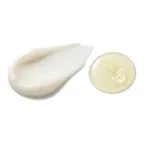 Octocrylene
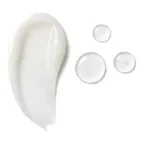 Diisopropyl Adipate
Low
- AverageCombination Skin Fit
- AverageEffectiveness
- ConcerningSafety
A weak match for acne-prone skin; the sunscreens alongside fit it better.
This fit is calculated for the concerns frequently associated with acne-prone skin: breakouts, blackheads, and post-acne marks. For scores and recommendations based on your full skin profile, including your 12D face scan results and any goals or preferences you have, please use the Lovi app.
Updated How the Fit score works
Lovi Assistant explains
- Offers moderate moisturizing and sun protection for your combination skin, with glycerin providing hydration and UV filters protecting against sun damage, but it lacks key ingredients to effectively target your acne and breakouts.
- While generally safe, the presence of phenoxyethanol and benzyl alcohol may pose a slight irritation risk for some individuals.
How to apply
- Apply this moisturizing sunscreen AM every morning as the final step of your daily routine.
- Layer the moisturizing sunscreen after your moisturizer has fully absorbed, right before heading out into the sun .
- Smooth a nickel-sized amount of the moisturizing sunscreen evenly over your face, avoiding harsh rubbing.
- Apply the moisturizing sunscreen onto clean, dry skin to ensure even coverage and protection.
- Perform a patch test before first use and avoid direct contact with the eyes.
People Say
★4.4Overall rating based on 2.6k+ reviewsBased on a very large amount of data, users with sensitive, combination, and acne-prone skin frequently praise this moisturizer for its ability to hydrate without clogging pores or causing breakouts. Many report a lightweight, non-irritating finish that works well under makeup. A notable subset of users experiences a burning sensation upon application, particularly around the eyes.
Highlights
Lightweight & Non-Greasy Often Mentioned
- “absorbs into skin quickly”
- “gliding on smoothly”
- “never leaves my skin oily”
- “sinks in without sticky layer”
Sensitive skin safe Often Mentioned
- “skin has cleared up”
- “never had a negative experience”
- “gentle for sensitive skin”
Fragrance-free Sometimes Noted
- “no added fragrance”
- “does not have a noticeable scent”
- “great for fragrance sensitivity”
- “smell is neutral”
Good makeup base Sometimes Noted
- “works great under makeup”
- “easy to apply foundation over it”
- “doesn't pill under cosmetics”
- “smooth canvas for application”
Stinging sensation Sometimes Noted
- “burns my eyes”
- “face felt like it was burning”
- “stings upon application”
- “eyes water constantly”
Greasy residue Rarely Noted
- “leaves a shiny film”
- “feels oily after an hour”
- “too greasy for summer”
- “slick finish”
Packaging issues Rarely Noted
- “pump stops working”
- “hard to get last bit out”
- “pump mechanism failed”
- “defective dispenser”
White cast Rarely Noted
- “slight white film”
- “turns white on brown skin”
- “takes time to rub in”
- “ghostly cast initially”
Sources: lovi.care, walmart.com, influenster.com, cetaphil.com, and more
Questions and answers
Why is Cetaphil Daily Facial Moisturizer a weak match for acne-prone skin?
Cetaphil Daily Facial Moisturizer is a weak match because it lacks key ingredients to target breakouts and contains ingredients like phenoxyethanol and benzyl alcohol that may pose a slight irritation risk. Acne-prone skin needs a product that is exceptionally safe with no risk of irritation, effectively addresses blemishes with high-quality ingredients like Niacinamide and Ceramide-3, and hydrates without adding excess oil.
Which ingredients make this cream a poor fit for acne-prone skin?
This cream is a weak match because it lacks acne-fighting ingredients like Niacinamide and Ceramide-3 to help clear breakouts. Additionally, it contains phenoxyethanol and benzyl alcohol, which may pose irritation risks for sensitive skin. An ideal product for this skin type needs safe, non-irritating ingredients that hydrate and protect without adding excess oil or clogging pores.
What does Water do for acne-prone skin?
Using water-based hydration or pure water treatments helps maintain skin moisture and may help manage oil levels in acne-prone skin. However, oily and acne-prone skin types also need lightweight ingredients that balance oil and strengthen the skin barrier without causing irritation.
What does Octocrylene do for acne-prone skin?
Octocrylene is a sunscreen ingredient that protects acne-prone skin from UV rays without disturbing the balance of bacteria living on the face. It is unlikely to trigger breakouts, but a sunscreen for this skin type still needs a lightweight, non-greasy texture and ingredients that do not clog pores.
Where does this cream go in a skincare routine for acne-prone skin?
This cream goes in the morning routine after your hydrating toner and before your sunscreen, while an acne-prone skin type needs a moisturizer that includes blemish-fighting ingredients to effectively target breakouts.
Can I use this cream with retinol, and in what order?
You can use this moisturizing spf in the morning before your sunscreen, but acne-prone skin needs a product with ingredients that actively target breakouts and soothe irritation.
How often should I use this cream?
This cream is a weak match for your acne-prone skin because it lacks key ingredients to target breakouts. For effective care, acne-prone skin needs lightweight hydration combined with targeted blemish-fighting ingredients.
Can this cream clog pores, cause breakouts or purging for acne-prone skin?
This cream is a weak match for acne-prone skin because it lacks the ingredients needed to target breakouts, while preservatives like phenoxyethanol and benzyl alcohol may cause irritation. An acne-prone skin needs a product that is oil-free, non-comedogenic, and includes ingredients like salicylic acid or niacinamide to help clear pores and calm redness.
Is this cream fragrance-free and alcohol-free?
It has no drying alcohol and contains fragrance (benzyl alcohol).
What the research says
A single application of a moisturizing fluid containing hyaluronic acid 1%, glycerin 5%, and Centella asiatica stem cells extract significantly increased skin hydration by 29% and reduced transepidermal water loss at 24 hours compared to baseline and an untreated control site in twenty healthy women.
Clinical, Cosmetic and Investigational Dermatology, 2017Phenoxyethanol induced skin burning and itching sensations via activating TRPV1 in sensitive female subjects, and these uncomfortable sensations were significantly inhibited by the TRPV1 antagonist trans-tert-butyl cyclohexanol (ID1609).
International Journal of Cosmetic Science, 2017Dermal sunscreen exposure in 20 healthy volunteers led to plasma concentrations of avobenzone, octocrylene, and its metabolite CDAA reaching up to 11 μg/L, 25 μg/L, and 1352 μg/L, respectively.
Environment International, 2019The application of a sunscreen formulation containing ethylhexyl methoxycinnamate, ethylhexyl salicylate, methyl anthranilate, and octocrylene does not significantly affect critical acne-related species such as Cutibacterium acnes and Staphylococcus epidermidis, refuting the induction of facial dysbiosis in men.
Archives of Dermatological Research, 2024Chemical sunscreens containing avobenzone, octocrylene, homosalate, and octisalate showed no to minimal risks of dermal irritation, sensitization, photo-allergy, and photo-irritation in human subjects.
Journal of Drugs in Dermatology, 2025
Why other sunscreens fit acne-prone skin better
Co-delivery of paeonol and madecassoside via nanoemulsions improved transdermal delivery, promoted barrier repair proteins, inhibited inflammatory cytokine secretion in cellular and 3D models, and reduced transepidermal water loss and acne in human facial skin compared to free components.
Molecules, 2023
Ingredients
Water, Octocrylene, Diisopropyl Adipate, Cyclopentasiloxane, Glycerin, Butyl Methoxydibenzoylmethane, Glyceryl Stearate, Peg-100 Stearate, Polymethyl Methacrylate, Phenoxyethanol, Benzyl Alcohol, Triethanolamine, Acrylates C10-30 Alkyl Acrylate Crosspolymer, Tocopheryl Acetate, Carbomer, Disodium Edta
Behind this fit score
Lovi calculates every fit score from the full ingredient list with brand-independent rules our dermatologists and cosmetic chemists build and review, and personalizes every pick with AI trained on the real results of millions of users. Lovi trains its fit score models on a proprietary dataset built from more than 10,000 expert-labeled products and more than 100,000 simulated examples, following an internally consistent methodology presented at Cosmoprof, AMWC, and Skin of Color Update.
-

Co-founder, Medical Director
Cosmetic chemist, cosmetologist, aesthetic products developer
-

Co-founder, CEO and CTO
PhD in computer science, 3x US patent holder, ex-Google, ex-Yandex
-

Dr. Sofía Perea Pérez, MD, MSc
Medical Board
Aesthetic medicine practitioner, MSc in Longevity and Anti-Aging Medicine
-

Medical Board
Specialist dermatologist, MBBS, MD, IFAAD
-

Medical Board
Cosmetic chemist, SCS, IFSCC member
-

Medical Board, Medical Advisor
Dermatology MD
-

Elina Nazarenko, MD
Medical Board
Dermatology and diagnostic consultant
-

Victoria Derkova, MS
Medical Board
Cosmetic chemist, cosmetic development technologist


How does it fit your skin?
Scan your face, then any product: Lovi shows how well it fits you and what fits even better.