
CeraVe Intensive Moisturizing Lotion for combination skin

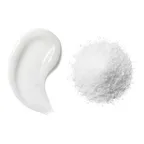 Hydro-Urea
 3 Essential Ceramides
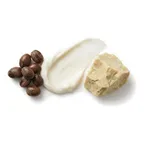 Shea Butter
 Hyaluronic Acid
Caution
- AverageCombination Skin Fit
- HighEffectiveness
- RiskySafety
A poor match for combination skin; the moisturizers alongside fit it better.
This fit is calculated for the concerns frequently associated with combination skin: an oily T-zone, enlarged pores, and dry cheeks. For scores and recommendations based on your full skin profile, including your 12D face scan results and any goals or preferences you have, please use the Lovi app.
Updated How the Fit score works
Lovi Assistant explains
- Offers low suitability for your oily shine and combination skin as glycerin and hyaluronic acid provide hydration but lack sufficient ingredients for significant oil control on oily areas.
- Dimethicone offers general skincare benefits that are mostly supportive, but do not directly address your main goal of reducing oily shine.
Buy online

Prices checked 20 Nov 2026
The Lovi Fit is the same in every country; only the stores and prices differ, and the ones here are for India.
How to apply
- Use this moisturizer in your AM and PM routine every day to control shine. Always pair with SPF in the morning.
- Apply this moisturizer after your cleanser and toner, right before your morning SPF.
- Gently press a small amount of the moisturizer into your skin and avoid harsh rubbing. Let it ⏳absorb for a minute.
- Apply the moisturizer on slightly damp skin to help it lock in moisture better. This keeps your combination skin balanced.
- Avoid the eye area when applying the moisturizer. Do a patch test before your first use.
People Say
★4.7Overall rating based on 400+ reviewsThis lotion is highly praised by users with dry, itchy, or flaky skin for its ability to provide deep, long-lasting hydration without the heavy grease associated with traditional intensive creams. The inclusion of 5% Hydro-Urea is frequently highlighted as a key differentiator that helps smooth rough texture and relieve itchiness, though it can cause temporary stinging on broken or sensitive skin.
Highlights
Fast Absorption Mostly Mentioned
- “Sinks in quickly”
- “Non-greasy finish”
- “Dries down faster than expected”
Deep Hydration Often Mentioned
- “Keeps skin moisturized all day”
- “Effective for winter dryness”
- “Restores moisture barrier”
Lightweight Feel Often Mentioned
- “Richer than daily lotion but feels light”
- “Breathable”
- “Not sticky”
Itch Relief Sometimes Noted
- “Soothes itchy skin”
- “Comfortable on tight skin”
Texture Improvement Sometimes Noted
- “Smooths rough patches”
- “Reduces flakiness”
- “Softens "alligator skin"”
Stinging sensation Sometimes Noted
- “Burns on open sores”
- “Stings broken skin”
- “Temporary tingling”
Price/Value Rarely Noted
- “Expensive for size”
- “Small bottle”
- “Higher cost than standard lotion”
Residue Rarely Noted
- “Can feel tacky initially”
- “Slightly shiny finish”
- “Greasy if over-applied”
Scent Rarely Noted
- “Faint "chemical" smell”
- “Medicinal odor”
Sources: lovi.care, hometesterclub.com, reddit.com, ulta.com, target.com, staples.com, and more
Questions and answers
Why does Lovi advise caution with CeraVe Intensive Moisturizing Lotion for combination skin?
Lovi advises caution because this moisturizer offers low suitability for your combination skin by providing hydration while lacking sufficient ingredients for oil control on oily areas. A product of this type needs brightening and moisturizing ingredients, soothing agents, antioxidants, multiple peptides, and natural moisturizing factors to reduce oily shine and maintain skin health without irritation.
Clinical, Cosmetic and Investigational Dermatology, 2017Clinical and Experimental Dermatology, 2007
Which ingredients make this moisturizer a poor fit for combination skin?
This moisturizer is a poor fit for your combination skin because glycerin and hyaluronic acid provide hydration but lack sufficient ingredients for significant oil control on oily areas, while dimethicone offers supportive benefits without directly addressing oily shine. Combination skin needs products with effective brightening and moisturizing ingredients that reduce oily shine without irritation, and formulas containing peptides or natural moisturizing factors for balanced hydration.
Clinical, Cosmetic and Investigational Dermatology, 2017Clinical and Experimental Dermatology, 2007
What does Hydroxyethyl Urea do for combination skin?
Hydroxyethyl Urea helps keep combination skin soft and smooth by drawing in moisture without feeling heavy or greasy. It supports hydration and is unlikely to cause irritation when used regularly in your routine.
What do Ceramides do for combination skin?
Ceramides help keep combination skin balanced by locking in moisture where it is dry without making oily zones feel greasy. They also strengthen the outer layer so it can better handle daily irritants and weather changes.
American Journal of Clinical Dermatology, 2003International Journal of Cosmetic Science, 2024
Where does this moisturizer go in a skincare routine for combination skin?
In a routine for combination skin, this moisturizer goes after your hydrating toner in the morning and after your treatment in the evening. Because this product offers low suitability for oily shine, combination skin needs a lightweight moisturizer with oil-controlling ingredients to properly balance dry and oily areas.
Can I use this moisturizer with retinol, and in what order?
You can use this moisturizer with retinol to help keep your skin comfortable, applying the retinol first and following with the moisturizer. Using a barrier-supporting moisturizer alongside retinol helps reduce dryness and irritation while you treat your skin.
How often should I use this moisturizer?
This moisturizer is a poor match for combination skin because it provides hydration but lacks oil control for shiny areas, so a moisturizer for this skin needs oil-absorbing ingredients and lightweight balancing hydration instead.
Can this moisturizer clog pores, cause breakouts or purging for combination skin?
This moisturizer offers low suitability for combination skin because its hydrating ingredients lack oil control for oily areas, which may lead to clogged pores or breakouts. A product for this skin type needs balancing ingredients that provide moisture without heaviness to help keep pores clear.
Can I use this moisturizer around the eyes or on my body?
This moisturizer is suitable for use on the body and around the eyes, where the skin is much thinner. It provides good moisture, but combination skin needs a product that also helps control excess shine in oily areas.
Surgical and Radiologic Anatomy, 2002Clinical, Cosmetic and Investigational Dermatology, 2017
Is this moisturizer fragrance-free and alcohol-free?
Yes, it has no fragrance and no drying alcohol. Cetearyl alcohol is a fatty alcohol, which soften the skin.
What the research says
A single application of a moisturizing fluid containing hyaluronic acid 1%, glycerin 5%, and Centella asiatica stem cells extract significantly increased skin hydration by 29% and reduced transepidermal water loss at 24 hours compared to baseline and an untreated control site in twenty healthy women.
Clinical, Cosmetic and Investigational Dermatology, 2017Treatment with a moisturizer containing dimethicone and glycerine increased epidermal thickness by 0.019 mm, improved barrier function by decreasing transepidermal water loss by 13%, decreased melanin intensity, and induced keratins 6 and 16 in fifteen women with moderately photoaged forearms.
Clinical and Experimental Dermatology, 2007Topical 0.025% tretinoin cream showed a significantly greater improvement in neck hyperpigmentation compared to 10% urea cream in patients with acanthosis nigricans.
The Journal of Dermatological Treatment, 2021Topical 40% urea cream achieved improvement in less time and showed superiority over 12% ammonium lactate lotion in skin roughness, fissure reduction, thickness, and dryness at day 14 in patients treated for moderate to severe xerosis.
American Journal of Clinical Dermatology, 2002Topical urea improves permeability barrier function and antimicrobial peptide expression in human volunteers and normal epidermis by acting as a small-molecule regulator after transporter uptake.
The Journal of Investigative Dermatology, 2012Ceramide and niacinamide-containing moisturizer combined with anti-acne treatment significantly improved non-inflammatory, inflammatory, and total acne lesions compared to hydrophilic cream in 40 patients with mild to moderate acne vulgaris after 8 weeks.
Journal of Cosmetic Dermatology, 2024Topical application of a pseudo-ceramide-containing spray improved stratum corneum water content, transepidermal water loss, cell area, and scaling score, and normalized the ceramide profile in patients with dry and sensitive skin compared to a control spray.
Journal of Cosmetic Dermatology, 2025A skin barrier restoring cream with shea butter, silkflo, and vitamin E increased type I procollagen synthesis, enhanced antioxidant enzyme activity, decreased reactive oxygen species generation, and promoted hyaluronic acid production in H2O2-stimulated human keratinocyte cells compared to untreated cells.
International Journal of Cosmetic Science, 2025Topical application of 0.1% hyaluronic acid formulations of different molecular weights led to significant improvements in skin hydration and elasticity, with low-molecular-weight formulations also significantly reducing wrinkle depth in seventy-six female subjects compared to a vehicle control.
Journal of Drugs in Dermatology, 2011Topical hyaluronic acid serum used twice daily by 40 females with facial photoaging produced an immediate 134% increase in skin hydration, a sustained 55% increase at week 6, and significant improvements in smoothness, plumping, fine lines, wrinkles, and global appearance without causing irritation.
Dermatology and Therapy, 2021A topical antioxidant serum significantly reduced air pollution-induced skin pigmentation and proinflammatory gene expression ex vivo, and improved skin aging signs in 40 healthy adult females after 90 days of daily use.
Journal of Cosmetic Dermatology, 2022
Ingredients
Water, Glycerin, Caprylic Capric Triglyceride, Cetearyl Alcohol, Ceteareth-20, Ceramide Np, Ceramide Ap, Ceramide Eop, Phytosphingosine, Cholesterol, Dimethicone, Hyaluronic Acid, Sodium Lauroyl Lactylate, Petrolatum, Behentrimonium Methosulfate, Potassium Phosphate, Disodium Edta, Dipropylene Glycol, Sodium Hydroxide, Phenoxyethanol, Ethylhexylglycerin
Behind this fit score
Lovi calculates every fit score from the full ingredient list with brand-independent rules our dermatologists and cosmetic chemists build and review, and personalizes every pick with AI trained on the real results of millions of users. Lovi trains its fit score models on a proprietary dataset built from more than 10,000 expert-labeled products and more than 100,000 simulated examples, following an internally consistent methodology presented at Cosmoprof, AMWC, and Skin of Color Update.
-

Co-founder, Medical Director
Cosmetic chemist, cosmetologist, aesthetic products developer
-

Co-founder, CEO and CTO
PhD in computer science, 3x US patent holder, ex-Google, ex-Yandex
-

Dr. Sofía Perea Pérez, MD, MSc
Medical Board
Aesthetic medicine practitioner, MSc in Longevity and Anti-Aging Medicine
-

Medical Board
Specialist dermatologist, MBBS, MD, IFAAD
-

Medical Board
Cosmetic chemist, SCS, IFSCC member
-

Medical Board, Medical Advisor
Dermatology MD
-

Elina Nazarenko, MD
Medical Board
Dermatology and diagnostic consultant
-

Victoria Derkova, MS
Medical Board
Cosmetic chemist, cosmetic development technologist


How does it fit your skin?
Scan your face, then any product: Lovi shows how well it fits you and what fits even better.