
Carpe Exfoliating Underarm Scrub for dry skin

 Salicylic Acid
 Lactic Acid
 Aloe Barbadensis
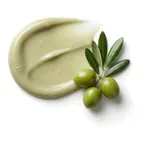 Oil Tree
 Vitamin E
Caution
- CautionDry Skin Fit
- HighEffectiveness
- RiskySafety
A poor match for dry skin; the products alongside fit it better.
This fit is calculated for the concerns frequently associated with dry skin: flakiness, tightness, dehydration, fine lines, and wrinkles. For scores and recommendations based on your full skin profile, including your 12D face scan results and any goals or preferences you have, please use the Lovi app.
Updated How the Fit score works
Lovi Assistant explains
- Offers moderate exfoliation for your dry or flaky skin due to the presence of lactic acid and pumice, which provide mild exfoliation to smooth texture.
- However, the inclusion of Sodium Laureth Sulfate may strip natural oils, and a lack of emollient ingredients means it is unsuitable for your dry skin type.
Questions and answers
Why does Lovi advise caution with Carpe Exfoliating Underarm Scrub for dry skin?
Lovi advises caution because this scrub contains cleansing agents that may strip natural oils and lacks softening ingredients, which can leave dry skin feeling even drier. A body scrub for dry skin needs essential ceramides, hyaluronic acid, niacinamide, and rich hydrating ingredients to maintain moisture and protect the skin barrier.
Which ingredients make this scrub a poor fit for dry skin?
This scrub contains Sodium Laureth Sulfate, which may strip natural oils from dry skin, along with a lack of softening ingredients. A body scrub for dry skin needs essential ceramides, sodium hyaluronate, niacinamide, and rich hydrating ingredients to maintain moisture and protect the skin barrier.
What does Salicylic Acid do for dry skin?
Salicylic acid is generally not recommended for dry skin because it removes dead skin and clears oil from pores, which can leave dry skin feeling even more parched and irritated. Dry skin needs gentle, hydrating ingredients that restore moisture and smooth the skin barrier without stripping away its natural oils.
What does Lactic Acid do for dry skin?
Lactic acid helps dry skin by boosting hydration, smoothing texture, and strengthening the skin barrier. It also helps increase moisture-holding molecules and supports skin renewal so your skin feels softer and more comfortable.
International Journal of Dermatology, 2025Skin Research and Technology, 2013
Where does it go in a skincare routine for dry skin?
This scrub is a poor match for dry skin because its strong cleansing ingredients may strip natural oils, and it lacks soothing, softening ingredients. A product of this type for dry skin needs gentle exfoliating acids paired with rich, nourishing moisturizers and oils to protect the skin barrier.
Can I use this scrub with retinol, and in what order?
You should generally avoid using this scrub with retinol on dry skin, as it lacks softening ingredients and contains harsh detergents that may strip natural oils and worsen dryness. A body scrub of this type needs rich, nourishing oils and gentle smoothing agents to keep dry skin soft and protected.
How often should I use it?
This scrub is a poor match for dry skin because it contains a strong cleanser that may strip natural oils and lacks ingredients that keep skin soft and smooth. When people with this skin type use a product of this type, they need soothing and softening ingredients like nourishing plant oils and rich moisturizers to protect their skin.
Can this scrub clog pores, cause breakouts or purging for dry skin?
This scrub is unlikely to clog pores or cause breakouts on dry skin, but it may strip your skin's natural oils and worsen dryness. A product for this skin type needs gentle, moisturizing ingredients and rich softening agents to keep dry skin comfortable and smooth.
International Journal of Pharmaceutics, 2026Journal of the American Academy of Dermatology, 1980
Is it fragrance-free and alcohol-free?
Yes, it has no fragrance and no drying alcohol.
What the research says
The pumice stone removes hyperkeratotic tissue and occupational hand stains effectively when used with wet skin, soap, or keratolytic agents.
Journal of the American Academy of Dermatology, 1980Treatment with sodium lauryl ether sulfate emulsion increased transepidermal water loss and skin surface pH while reducing stratum corneum hydration and natural moisturizing factor content compared to diacyl phospholipid emulsions and controls, irrespective of UVA irradiation, in eight healthy volunteers.
International Journal of Pharmaceutics, 2026Squamometry successfully detected subclinical skin surface alterations and discriminated between the irritating effects of sodium lauryl sulfate and sodium laureth sulfate on human skin using an open assay model.
Food and Chemical Toxicology, 2001A moisturizer containing licochalcone A, 1,2-decanediol, L-carnitine, and salicylic acid significantly reduced noninflammatory, inflammatory, and total acne lesion counts compared to a vehicle control in Thai patients during a 12-week maintenance phase.
BioMed Research International, 2020Treatment with 2% supramolecular salicylic acid hydrogel resulted in a regression and markedly improvement rate of 51.01% compared to 43.10% for Adapaline gel in patients with mild to moderate facial acne vulgaris, showing no significant difference in efficacy.
Journal of Cosmetic Dermatology, 2024Topical 5% benzoyl peroxide plus salicylic acid achieved the greatest lesion reduction at early 2 to 4 week time points compared to benzoyl peroxide, clindamycin, and combination benzoyl peroxide/clindamycin, while 5% benzoyl peroxide plus salicylic acid and combination benzoyl peroxide/clindamycin showed similar efficacy at 10 to 12 weeks in acne patients.
Journal of the American Academy of Dermatology, 2010Application of a cream containing lactic acid 12% and pramoxine HCl 1% significantly improved skin dryness, hydration, and itch compared with a nontreated control in 24 women with a history of dry itchy skin.
Cutis, 2004A lactic acid/ceramide lotion significantly improved skin moisturization and desquamation compared to no treatment in women with dry, rough skin on the anterior shins.
The Journal of Clinical and Aesthetic Dermatology, 2020Treatment with 12% lactic acid increased epidermal and dermal firmness and thickness and improved skin smoothness and wrinkles compared to baseline, whereas 5% lactic acid induced clinical and epidermal changes without dermal changes.
Journal of the American Academy of Dermatology, 1996A cream combining propolis, tea tree oil, and Aloe vera reduced erythema scars, acne severity index, and total lesion count better than erythromycin cream in sixty patients with mild to moderate acne vulgaris compared to placebo.
Clinical Pharmacology, 2018Formulations containing 0.10%, 0.25%, and 0.50% freeze-dried Aloe vera extract increased stratum corneum water content compared with the vehicle in 20 female subjects, while transepidermal water loss was not modified.
Skin Research and Technology, 2006Kombucha-mediated fermentation of aloe vera gel for 10 and 20 days enhanced its phenolic and flavonoid content, antioxidant capacity, cytoprotective effects, enzyme inhibition against collagenase, elastase, and hyaluronidase, and moisturizing properties compared to unfermented gel.
Molecules, 2025The incorporation of olive oil-loaded hydrogel particles into a cream formulation provides strong moisturizing properties and photoprotective potential when applied to healthy subjects.
Pharmaceutical Development and Technology, 2018Wild Olive Oil, Extra Virgin Olive Oil, and Virgin Olive Oil compared against liquid paraffin and rosehip oil showed that wild olive oil yielded the lowest perception of oiliness and the highest increase in skin elasticity among eight healthy volunteers.
Pharmaceutics, 2022Topical application of an antioxidant serum containing 15% ascorbic acid, 0.5% ferulic acid, and 1% tocopherol prevented particulate matter-induced degradation of extracellular matrix components, inflammation, and oxidative stress in the skin of 15 female volunteers compared to untreated controls.
Journal of Cosmetic Dermatology, 2025Dermatological products containing d-alpha tocopheryl acetate showed non-comedogenic potential with less than a 50% increase in microcomedones in 12 healthy male subjects compared to octyl palmitate.
Contemporary Clinical Trials Communications, 2021Topical application of an antioxidant mix containing 15% ascorbic acid, 0.5% ferulic acid, and 1% tocopherol prevented PM and UV-induced skin barrier perturbation, lipid peroxidation, inflammatory markers, MMP9 activation, and Type I collagen loss in 15 healthy females compared to untreated exposed skin.
Journal of Cosmetic Dermatology, 2024
Ingredients
Water, Sodium Laureth Sulfate, Cocamidopropyl Betaine, Acrylates Copolymer, Disodium Edta, Lactic Acid, Witch Hazel, Aloe Barbadensis, Oil Tree, Pumice
Behind this fit score
Lovi calculates every fit score from the full ingredient list with brand-independent rules our dermatologists and cosmetic chemists build and review, and personalizes every pick with AI trained on the real results of millions of users. Lovi trains its fit score models on a proprietary dataset built from more than 10,000 expert-labeled products and more than 100,000 simulated examples, following an internally consistent methodology presented at Cosmoprof, AMWC, and Skin of Color Update.
-

Co-founder, Medical Director
Cosmetic chemist, cosmetologist, aesthetic products developer
-

Co-founder, CEO and CTO
PhD in computer science, 3x US patent holder, ex-Google, ex-Yandex
-

Dr. Sofía Perea Pérez, MD, MSc
Medical Board
Aesthetic medicine practitioner, MSc in Longevity and Anti-Aging Medicine
-

Medical Board
Specialist dermatologist, MBBS, MD, IFAAD
-

Medical Board
Cosmetic chemist, SCS, IFSCC member
-

Medical Board, Medical Advisor
Dermatology MD
-

Elina Nazarenko, MD
Medical Board
Dermatology and diagnostic consultant
-

Victoria Derkova, MS
Medical Board
Cosmetic chemist, cosmetic development technologist


How does it fit your skin?
Scan your face, then any product: Lovi shows how well it fits you and what fits even better.