
BYOMA Smoothing Body Serum for oily acne-prone skin

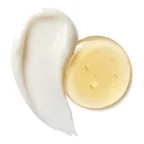 Barrier Lipids
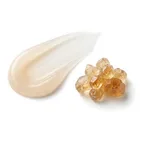 Succinic Acid
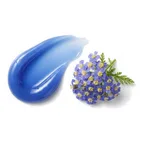 Blue Tansy
 Squalane
 Ceramide Np
Low
- AverageOily Skin Fit
- HighEffectiveness
- ConcerningSafety
A weak match for oily acne-prone skin; the products alongside fit it better.
This fit is calculated for the concerns frequently associated with oily acne-prone skin: shine, breakouts, blemishes, and enlarged pores. For scores and recommendations based on your full skin profile, including your 12D face scan results and any goals or preferences you have, please use the Lovi app.
Updated How the Fit score works
Lovi Assistant explains
- Offers moderate exfoliation for your oily skin and acne concerns due to succinic acid and willow bark extract, which help smooth texture and provide mild seboregulation. However, it lacks more potent ingredients to fully address oiliness or prevent breakouts effectively.
- Zinc gluconate and sphingolipids offer some balancing and barrier support, but the overall formulation is not optimized for your specific needs.
People Say
★4.5Overall rating based on 2.2k+ reviewsBased on a very large amount of data, users with rough, textured skin and conditions like Keratosis Pilaris (KP) or body acne frequently report that this serum effectively smooths bumps and softens the skin without irritation. Most praise its lightweight hydration and ability to clarify breakouts, though results can vary, with some users seeing significant textural improvements and others noticing little change.
Highlights
Smoother skin Mostly Mentioned
- “leaves my skin feeling instantly soft”
- “texture looks smoother”
- “tiny bumps are almost gone”
- “skin has that soft, even finish”
Helps with KP Often Mentioned
- “great for rough skin”
- “helped with my acne”
- “bumps on my arms are gone”
- “perfect for body acne”
Lightweight formula Often Mentioned
- “absorbs quickly”
- “lightweight consistency”
- “goes on like a light gel”
- “layers well under lotion”
Gentle exfoliation Sometimes Noted
- “soothes sensitivity”
- “gentle enough for daily use”
- “didn't get any stinging reaction”
- “calmer and clearer”
Sticky residue Sometimes Noted
- “a touch sticky”
- “left a film on my skin”
- “sticky feeling after you rub it in”
- “felt like it was a bit sticky”
No visible results Rarely Noted
- “hasn't made a noticeable difference”
- “unsure of results”
- “don't see any effect”
- “performs no better than water”
Packaging issues Rarely Noted
- “finicky pumps”
- “cannot open the container”
- “plastic-heavy packaging”
- “dispense mechanism is poor”
Unpleasant scent Rarely Noted
- “glue-like end note”
- “smell is mature”
- “fragrance irritation”
- “scent lingers”
Sources: lovi.care, ulta.com, boots.com, target.com, cultbeauty.co.uk, spacenk.com, and more
Questions and answers
Why is BYOMA Smoothing Body Serum a weak match for oily acne-prone skin?
BYOMA Smoothing Body Serum is a weak match for oily acne-prone skin because it only offers moderate exfoliation and lacks more potent ingredients to fully control oil and breakouts. A product of this type needs stronger blemish-fighting ingredients like niacinamide, propolis, or benzoyl peroxide, alongside soothing extracts to properly manage oily skin without irritation.
Journal of Cosmetic Dermatology, 2024Journal of Cosmetic Dermatology, 2019
Which ingredients make this serum a poor fit for oily acne-prone skin?
This serum is a weak match for your oily acne-prone skin because it relies on milder ingredients like succinic acid and willow bark extract that may not fully control breakouts or excess oil. A product of this type needs stronger ingredients like niacinamide, propolis, or benzoyl peroxide to properly manage oiliness and clear acne.
Journal of Cosmetic Dermatology, 2024Journal of Cosmetic Dermatology, 2019
What do Barrier Lipids do for oily acne-prone skin?
Barrier lipids help balance oily acne-prone skin by strengthening the skin barrier and keeping moisture locked in while managing surface oils and irritation. Using products with ceramides and niacinamide supports clear skin and prevents dryness when managing breakouts.
What does Succinic Acid do for oily acne-prone skin?
Succinic acid helps oily, acne-prone skin by balancing skin microbes and reducing breakouts, excess oil, and redness. It is also shown to help calm irritation and decrease acne severity.
Journal of Cosmetic Dermatology, 2024Skin Research and Technology, 2024
Where does this serum go in a skincare routine for oily acne-prone skin?
This serum goes in the evening routine, as treatments with active ingredients are used then for simplicity and extra safety around sun exposure. However, it is a weak match for your oily acne-prone skin because it lacks more potent ingredients to fully address oiliness or prevent breakouts effectively. Oily acne-prone skin needs stronger balancing ingredients, oil-controlling agents, and pore-clearing acids to truly manage breakouts and shine.
Can I use this serum with retinol, and in what order?
You can use this serum with retinol by applying the serum first to let its gentle ingredients absorb before your retinol. However, this body serum is only a weak match for oily acne-prone skin, and this skin type needs stronger oil-balancing and breakout-preventing ingredients.
How often should I use this serum?
This serum is a weak match for your oily acne-prone skin, so you should use it with caution as an evening treatment starting just once a week. While it offers moderate exfoliation and balancing support from ingredients like succinic acid and zinc gluconate, it lacks stronger actives to fully address oiliness or prevent breakouts. Oily acne-prone skin needs body care products with more potent blemish-fighting ingredients and oil-controlling agents to effectively manage breakouts and clear texture.
Journal of Cosmetic Dermatology, 2024Journal of Cosmetic Dermatology, 2019
Can this serum clog pores, cause breakouts or purging for oily acne-prone skin?
This serum may not fully prevent breakouts on oily acne-prone skin because it lacks stronger ingredients needed to properly clear pores and control oil. To truly manage this skin type, a product needs stronger clarifying ingredients like salicylic acid and powerful oil-balancing agents.
Journal of Cosmetic Dermatology, 2024Journal of Cosmetic Dermatology, 2024
What the research says
Treatment with a facial cream gel containing a biotechnological phytocomplex, niacinamide, and succinic acid increased skin microbial diversity and reduced C. acnes abundance, lesion counts, sebum, and acne severity in 44 subjects with mild-moderate acne over 56 days.
Journal of Cosmetic Dermatology, 2024A botanical face cleanser with hops and willow bark extract continuously reduced skin sebum levels without reactive seborrhea after treatment in 21 healthy volunteers compared to a sodium laureth sulfate cleanser, with neither cleanser causing skin irritation.
Journal of Cosmetic Dermatology, 2019A novel emulsion containing niacinamide, lens esculenta seed extract, and white willow bark extract effectively improved acne, blackheads, and conspicuous facial pores in 30 subjects with oily skin.
Journal of Cosmetic Dermatology, 2024Daily use of a deep cleansing gel containing salicylic acid 2%, zinc gluconate 0.2% and lipohydroxy acid 0.05% significantly reduced total lesion count by 56.3% after 84 days in 35 subjects with mild to moderate truncal acne.
Clinical, Cosmetic and Investigational Dermatology, 2023A dermocosmetic cream containing Punica granatum Pericarp extract, Salicylic acid, Niacinamide, Zinc gluconate, and Aqua Posae Filiformis significantly decreased inflammatory, non-inflammatory, and total lesion counts in subjects with mild to moderate acne compared to untreated hemi-faces after 15 days.
Journal of Cosmetic Dermatology, 2026Treatment with a lotion containing a phytocomplex, niacinamide, and succinic acid increased skin microbial alpha diversity, reduced Cutibacterium acnes relative abundance, and improved acne severity and clinical symptoms in 43 subjects with truncal mild-moderate acne.
Skin Research and Technology, 2024Treatment with plant-derived exosomes combined with non-cross-linked hyaluronic acid and succinic acid improved facial hyperpigmentation in two patients.
Cureus, 2026Hyaluronic acid and succinic acid combination induced mitophagy in senescent fibroblasts, promoted adipogenesis, increased IGF1 and decreased TNFA in aged adipocytes, and upregulated COL3A1 and EGF expression.
International Journal of Molecular Sciences, 2025Application of fullerene-C60 dissolved in squalane cream twice daily for 8 weeks significantly enhanced skin moisture and reduced wrinkle formation compared to placebo in 23 Japanese women without severe side effects.
Journal of Nanoscience and Nanotechnology, 2010Squalane at 0.005-0.015% counteracts UVA-induced oxidative stress, inflammation, and collagen metabolism inhibition while stimulating fibroblast migration in human dermal fibroblasts.
Molecules, 2025Plant-derived squalane protected human dermal fibroblasts against UVA-induced damage by counteracting ROS formation, suppressing apoptosis-related proteins p53, caspase-3, caspase-9, and PARP, and restoring the pro-survival p-Akt/mTOR pathway.
Antioxidants, 2025Ceramide and niacinamide-containing moisturizer combined with anti-acne treatment significantly improved non-inflammatory, inflammatory, and total acne lesions compared to hydrophilic cream in 40 patients with mild to moderate acne vulgaris after 8 weeks.
Journal of Cosmetic Dermatology, 2024Topical application of a pseudo-ceramide-containing spray improved stratum corneum water content, transepidermal water loss, cell area, and scaling score, and normalized the ceramide profile in patients with dry and sensitive skin compared to a control spray.
Journal of Cosmetic Dermatology, 2025
Why other products fit oily acne-prone skin better
Topical benzoyl peroxide 5% gel treatment improved acne severity, sebum, stratum corneum hydration, and transepidermal water loss, while significantly reducing microbial diversity and the prevalence of Cutibacterium in 33 patients with acne vulgaris.
Dermatologic Therapy, 2022A cream combining propolis, tea tree oil, and Aloe vera reduced erythema scars, acne severity index, and total lesion count better than erythromycin cream in sixty patients with mild to moderate acne vulgaris compared to placebo.
Clinical Pharmacology, 2018
Ingredients
Water, Isopropyl Myristate, Butylene Glycol, Ammonium Polyacryloyldimethyl Taurate, Glycerin, Zinc Gluconate, Diglycerin, Squalane, Succinic Acid, Phenoxyethanol, Polysorbate 60, Willow Bark Extract, Sphingolipids, Benzyl Alcohol, Tanacetum Annuum Oil Flower, Ceramide Np, Parfum, Hydroxyethyl Acrylate Sodium Acryloyldimethyl Taurate Copolymer, Sodium Hydroxide, Geraniol, Limonene, Sorbitan Isostearate, Linalool, Alpha-Isomethyl Ionone, Coumarin
Behind this fit score
Lovi calculates every fit score from the full ingredient list with brand-independent rules our dermatologists and cosmetic chemists build and review, and personalizes every pick with AI trained on the real results of millions of users. Lovi trains its fit score models on a proprietary dataset built from more than 10,000 expert-labeled products and more than 100,000 simulated examples, following an internally consistent methodology presented at Cosmoprof, AMWC, and Skin of Color Update.
-

Co-founder, Medical Director
Cosmetic chemist, cosmetologist, aesthetic products developer
-

Co-founder, CEO and CTO
PhD in computer science, 3x US patent holder, ex-Google, ex-Yandex
-

Dr. Sofía Perea Pérez, MD, MSc
Medical Board
Aesthetic medicine practitioner, MSc in Longevity and Anti-Aging Medicine
-

Medical Board
Specialist dermatologist, MBBS, MD, IFAAD
-

Medical Board
Cosmetic chemist, SCS, IFSCC member
-

Medical Board, Medical Advisor
Dermatology MD
-

Elina Nazarenko, MD
Medical Board
Dermatology and diagnostic consultant
-

Victoria Derkova, MS
Medical Board
Cosmetic chemist, cosmetic development technologist


How does it fit your skin?
Scan your face, then any product: Lovi shows how well it fits you and what fits even better.