
BYOMA Hydrating Recovery Oil for skin with dark spots

 Squalane
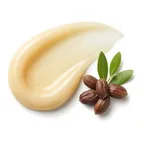 Jojoba Oil
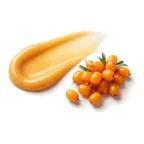 Hippophae Rhamnoides Oil
 Ceramide Np
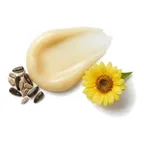 Sunflower Seed Oil
Average
- AverageNormal Skin Fit
- AverageEffectiveness
- ExcellentSafety
Works for skin with dark spots; other moisturizers fit it better.
This fit is calculated for the concerns frequently associated with dark spots: hyperpigmentation, sun spots, and uneven skin tone. For scores and recommendations based on your full skin profile, including your 12D face scan results and any goals or preferences you have, please use the Lovi app.
Updated How the Fit score works
Lovi Assistant explains
- Offers moderate suitability for normal skin as sunflower seed oil and squalane provide emollient action and enhance barrier resilience, though it lacks sufficient humectants for optimal hydration.
- The presence of emollients like Helianthus Annuus Seed Oil and Macadamia Ternifolia Seed Oil offers general skincare benefits such as hydration and soothing, which are supportive but not targeted for your main goal of pigmentation.
- The formula is safe for your normal skin due to the absence of harsh ingredients and the inclusion of soothing agents like Dipotassium Glycyrrhizate and Tanacetum Annuum Oil Flower.
How to apply
- Could be used as part of your AM and PM routine. Start using it 3 times a week and move to daily use if your skin likes it.
- Apply this moisturizer after your cleanser and toner, right before your morning SPF.
- Gently press a small amount of the moisturizer into your skin. Avoid rubbing it too hard so it absorbs nicely.
- For the best moisture, you can apply it when your skin is slightly damp. This helps your skin stay soft and happy.
- Remember to avoid the eye area when applying. Always do a patch test before your first use.
People Say
★4.6Overall rating based on 700+ reviewsUsers with dry, sensitive, and compromised skin barriers frequently praise this oil for its ability to soothe irritation and lock in moisture without feeling heavy. Many reviewers report a noticeable improvement in skin texture and a radiant "glow" shortly after use, with even oily-skinned users noting it balances their complexion without clogging pores.
Highlights
Lightweight feel Mostly Mentioned
- “absorbs beautifully”
- “doesn't feel heavy”
- “lightweight texture”
- “non-greasy finish”
Hydrating and glowing Often Mentioned
- “instant glow”
- “skin feels plump”
- “got rid of dry patches”
- “leaves skin radiant”
Repairs skin barrier Often Mentioned
- “saved my skin barrier”
- “calmed my redness”
- “soothed irritation”
- “helped with flaking”
Good value Sometimes Noted
- “great price point”
- “affordable dupe”
- “worth the money”
- “budget friendly”
Packaging issues Sometimes Noted
- “bottle leaked everywhere”
- “dropper doesn't work”
- “messy packaging”
- “leaks in travel bag”
Caused breakouts Rarely Noted
- “caused cystic acne”
- “broke me out”
- “clogged my pores”
- “tiny bumps appeared”
Caused irritation Rarely Noted
- “burned my face”
- “caused redness”
- “irritated my skin”
- “sting upon application”
Sources: lovi.care, cultbeauty.com, boots.com, target.com, spacenk.com, ulta.com, and more
Questions and answers
How well does BYOMA Hydrating Recovery Oil work for skin with dark spots?
This oil works moderately well for skin with dark spots because its soothing oils and squalane help keep skin soft and calm, though it lacks targeted brightening ingredients. To better address dark spots, this skin needs a moisturizing treatment that combines proven brightening agents with effective hydrators to even out skin tone while maintaining barrier health.
Which ingredients make this oil a good fit for skin with dark spots?
This oil is a moderate fit for skin with dark spots because it includes soothing agents like dipotassium glycyrrhizate and tanacetum annuum oil flower, but it lacks targeted brightening ingredients. A product of this type needs effective brightening ingredients alongside moisturizing and soothing components to properly address pigmentation while keeping normal skin calm.
What does Squalane do for skin with dark spots?
Squalane helps protect skin from sun damage that can lead to dark spots. While squalene can sometimes form peroxides under UV light that cause dark spots, stable squalane acts as an antioxidant to help keep skin calm and even-toned.
Antioxidants, 2025Biological & Pharmaceutical Bulletin, 2009
What does Jojoba Oil do for skin with dark spots?
Jojoba oil is unlikely to directly fade dark spots, but it helps keep dry or irritated skin calm and balanced. This plant oil supports overall skin barrier repair and keeps the surface smooth.
International Journal of Cosmetic Science, 2022International Journal of Molecular Sciences, 2017
Where does it go in a skincare routine for skin with dark spots?
This oil goes as a treatment step in your evening routine after cleansing and before moisturizing. Because it lacks targeted ingredients for pigmentation, skin with dark spots also needs brightening ingredients like vitamin C or niacinamide to help fade spots.
Can I use this oil with retinol, and in what order?
You can use this oil with retinol by applying it before your retinol to help keep your skin soft and calm. This product may help reduce dryness and irritation while you use retinol, though skin with dark spots also needs targeted brightening ingredients like vitamin C or niacinamide.
How often should I use it?
You can use this moisturizing treatment daily to keep your skin soft and comfortable. This type of product needs targeted brightening ingredients and humectants to effectively help with dark spots.
Journal of Cosmetic Dermatology, 2020Health Science Reports, 2021
Can this oil clog pores, cause breakouts or purging for skin with dark spots?
This oil is unlikely to clog pores or cause breakouts for skin with dark spots, as complaints about breakouts are low and it is free of harsh ingredients. However, it lacks targeted ingredients for dark spots, so this skin type needs brighteners like vitamin C or niacinamide alongside moisturizers.
Can I use it around the eyes or on my body?
You can use this moisturizing treatment on the body and the thin skin around the eyes because its safe formula contains soothing agents like dipotassium glycyrrhizate and tansy flower oil, though the eyelid is among the thinnest areas of the body. Products for this skin need targeted ingredients like hyaluronic acid or vitamin C to specifically address dark spots and periorbital concerns.
Surgical and Radiologic Anatomy, 2002Journal of Cosmetic Dermatology, 2026
Is this oil fragrance-free and alcohol-free?
Yes, it has no fragrance and no drying alcohol.
What the research says
Application of squalene/phosphotungstate calcium nanowires (Sql/PWC) oleogel on UVB-irradiated skin decreased epidermal thickness, increased dermal thickness, and promoted the expression of elastin, collagen, and skin barrier markers through antioxidant and anti-inflammatory activities.
Journal of Nanobiotechnology, 2025A topical formulation containing panthenol, niacinamide, and dipotassium glycyrrhizate increased skin hydration by 74.1% and reduced transepidermal water loss by 13.5% at 28 days compared to baseline and untreated control in 35 individuals with xerosis.
Journal of Cosmetic Dermatology, 2026Application of fullerene-C60 dissolved in squalane cream twice daily for 8 weeks significantly enhanced skin moisture and reduced wrinkle formation compared to placebo in 23 Japanese women without severe side effects.
Journal of Nanoscience and Nanotechnology, 2010Squalane at 0.005-0.015% counteracts UVA-induced oxidative stress, inflammation, and collagen metabolism inhibition while stimulating fibroblast migration in human dermal fibroblasts.
Molecules, 2025Plant-derived squalane protected human dermal fibroblasts against UVA-induced damage by counteracting ROS formation, suppressing apoptosis-related proteins p53, caspase-3, caspase-9, and PARP, and restoring the pro-survival p-Akt/mTOR pathway.
Antioxidants, 2025Topical formulations containing 3.75% glycerol and 1.25% hydrolyzed jojoba esters produced significantly lower evaporative TEWL values compared to glycerol alone at 8 and 24 hours posttreatment in human subjects.
Journal of Cosmetic Dermatology, 2008Topical application of 1.0% Lactobacillus ferment from jojoba cake significantly increased skin collagen fluorescence compared to baseline and placebo cream over 56 days in 46 individuals.
International Journal of Cosmetic Science, 2026Clay jojoba oil facial masks reduced total skin lesions by a mean of 54% after 6 weeks in 133 participants with acne-prone, lesioned skin and mild acne compared to baseline.
Forschende Komplementarmedizin, 2012Treatment with 10 μg/mL Hippophae rhamnoides seed oil increased AQP3 mRNA and AQP3 and HAS2 protein levels in normal human epidermis keratinocytes and a reconstructed epidermis skin model compared to a negative control.
Journal of Cosmetic Dermatology, 2021Ceramide and niacinamide-containing moisturizer combined with anti-acne treatment significantly improved non-inflammatory, inflammatory, and total acne lesions compared to hydrophilic cream in 40 patients with mild to moderate acne vulgaris after 8 weeks.
Journal of Cosmetic Dermatology, 2024Topical application of a pseudo-ceramide-containing spray improved stratum corneum water content, transepidermal water loss, cell area, and scaling score, and normalized the ceramide profile in patients with dry and sensitive skin compared to a control spray.
Journal of Cosmetic Dermatology, 2025
Why other moisturizers fit skin with dark spots better
Niacinamide significantly decreased hyperpigmentation and increased skin lightness compared with vehicle alone after 4 weeks of use in women by inhibiting melanosome transfer.
The British Journal of Dermatology, 2002
Ingredients
Helianthus Annuus Seed Oil Sunflower Seed Oil, Macadamia Ternifolia Seed Oil, Jojoba Seed Oil, Hippophae Rhamnoides Oil, Dipropylene Glycol, Squalane, Sphingolipids, Hydroxyacetophenone, Olea Europaea Oil Fruit Olive Oil Fruit, Rosa Canina Oil Fruit, Prunus Amygdalus Dulcis Oil, Caprylyl Glycol, Ceramide Np, Ethylhexylglycerin, Tocopherol, Dipotassium Glycyrrhizate, Tanacetum Annuum Oil Flower
Behind this fit score
Lovi calculates every fit score from the full ingredient list with brand-independent rules our dermatologists and cosmetic chemists build and review, and personalizes every pick with AI trained on the real results of millions of users. Lovi trains its fit score models on a proprietary dataset built from more than 10,000 expert-labeled products and more than 100,000 simulated examples, following an internally consistent methodology presented at Cosmoprof, AMWC, and Skin of Color Update.
-

Co-founder, Medical Director
Cosmetic chemist, cosmetologist, aesthetic products developer
-

Co-founder, CEO and CTO
PhD in computer science, 3x US patent holder, ex-Google, ex-Yandex
-

Dr. Sofía Perea Pérez, MD, MSc
Medical Board
Aesthetic medicine practitioner, MSc in Longevity and Anti-Aging Medicine
-

Medical Board
Specialist dermatologist, MBBS, MD, IFAAD
-

Medical Board
Cosmetic chemist, SCS, IFSCC member
-

Medical Board, Medical Advisor
Dermatology MD
-

Elina Nazarenko, MD
Medical Board
Dermatology and diagnostic consultant
-

Victoria Derkova, MS
Medical Board
Cosmetic chemist, cosmetic development technologist


How does it fit your skin?
Scan your face, then any product: Lovi shows how well it fits you and what fits even better.