
BYOMA Barrier Repair Treatment for acne-prone skin

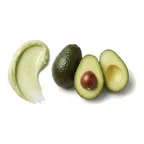 Avocado Oil
 Squalane
 Ectoin
 Ceramide Np
 Shea Butter
Average
- AverageCombination Skin Fit
- AverageEffectiveness
- ExcellentSafety
Works for acne-prone skin; other moisturizers fit it better.
This fit is calculated for the concerns frequently associated with acne-prone skin: breakouts, blackheads, and post-acne marks. For scores and recommendations based on your full skin profile, including your 12D face scan results and any goals or preferences you have, please use the Lovi app.
Updated How the Fit score works
Lovi Assistant explains
- Offers moderate suitability for combination skin, as glycerin and squalane provide essential hydration and emollient benefits, though it lacks sufficient ingredients for optimal oil control on your oily areas.
- The formula provides excellent moisturizing treatment due to glycerin and ectoin, enhancing barrier resilience and hydration, which you would notice.
- The product is safe for your acne-prone skin, with no risks of irritation due to the absence of harsh ingredients and the presence of soothing agents like ectoin and dipotassium glycyrrhizate.
How to apply
- Use your moisturizer twice a day in your AM and PM routines. Apply it daily to help keep breakouts under control.
- Apply after your cleanser and toner, and make sure to use your SPF right after in the morning.
- Gently spread a small amount of moisturizer over your face using soft motions. Let it absorb into the skin for a minute before getting dressed or applying makeup.
- Apply on slightly damp skin to help lock in extra moisture. This keeps your combination skin balanced without feeling heavy.
- Avoid the eye area and do a patch test before your first use. Stop using if you feel any irritation.
People Say
★4.5Overall rating based on 400+ reviewsMany users appreciate its rich texture that absorbs well. Some users with oily or acne-prone skin find it too heavy or greasy for daytime use.
Highlights
Deeply hydrating Mostly Mentioned
- “skin felt plumper and softer immediately”
- “intensely hydrated, without any stinging”
- “brilliant job of moisturising dehydrated skin”
- “delivers deep, targeted hydration”
Calms redness Often Mentioned
- “My skin looked calmer within days”
- “reduces redness instantly”
- “bringing instant relief to irritated skin”
- “calms redness caused by dry skin”
Repairs barrier Often Mentioned
- “repairs skin barrier in just a few days”
- “strengthened my skin's moisture barrier”
- “focuses on restoring the skin barrier”
- “truly impressive barrier support”
Absorbs quickly Sometimes Noted
- “rich buttery texture that absorbs quickly”
- “sinks in quickly”
- “absorbs so well”
- “sinks fast”
Feels greasy Sometimes Noted
- “leaves me looking greasier than I'd like”
- “feels little heavy to my oily skin”
- “does feel a little greasy on my skin”
Causes breakouts Rarely Noted
- “my oily-combination skin wasn't a fan (hello, forehead breakouts)”
- “Allergic Reaction”
- “didn't match my face... those were even worse unfortunately”
Not moisturizing Rarely Noted
- “never really seemed to give me the moisture my face needed”
- “isn't as rich as I'd like for a night cream”
- “need a lot of product”
Sources: lovi.care, byoma.com, target.com, spacenk.com, sephora.co.uk, gopicky.com, and more
Questions and answers
How well does BYOMA Barrier Repair Treatment work for acne-prone skin?
This moisturizer works reasonably well for acne-prone skin, though other products fit it better because it lacks enough ingredients for oil control. A product of this type needs effective ingredients for blemishes, soothing agents, and hydrating agents that balance oily areas without causing irritation.
Which ingredients make this cream a good fit for acne-prone skin?
Glycerin, squalane, ectoin, and dipotassium glycyrrhizate make this treatment a good fit for your acne-prone skin by providing soothing hydration without irritation. However, a product of this type needs additional oil-controlling ingredients for optimal oil management.
What does Avocado Oil do for acne-prone skin?
Avocado oil is generally too heavy for acne-prone skin and may clog pores or cause breakouts. This skin type needs lightweight, non-greasy ingredients that help control oil and soothe redness without blocking pores.
What does Squalane do for acne-prone skin?
Squalane helps keep acne-prone skin soft and calm without feeling heavy or greasy, as it is very similar to the skin's natural oils and is unlikely to clog pores. However, pure squalene that is exposed to air can sometimes oxidize and trigger irritation, so acne-prone skin needs fresh, stable formulas combined with soothing antioxidants to stay clear and balanced.
The Journal of Investigative Dermatology, 2006Journal of Nanobiotechnology, 2025
Where does it go in a skincare routine for acne-prone skin?
This moisturizing treatment goes in the evening routine after cleansing and before your moisturizer. Treatments with actives are placed in the evening for simplicity and extra safety around sun exposure.
Can I use this cream with retinol, and in what order?
How often should I use it?
You can use this moisturizing treatment daily in your evening routine. Daily application helps keep your skin hydrated and supports barrier strength.
Can this cream clog pores, cause breakouts or purging for acne-prone skin?
This cream is unlikely to cause breakouts on your acne-prone skin because it contains no harsh ingredients and includes soothing agents like ectoin and dipotassium glycyrrhizate. Reviewers rarely report breakouts from this formula.
Can I use it around the eyes or on my body?
You can safely use this moisturizing treatment on the body and around the eyes to keep the skin soft and hydrated. A product of this type needs lightweight hydrators and soothing agents like glycerin and ectoin to care for thin or delicate areas without irritation.
Is this cream fragrance-free and alcohol-free?
Yes, it has no fragrance and no drying alcohol. Behenyl alcohol, cetearyl alcohol, and arachidyl alcohol are fatty alcohols, which soften the skin.
What the research says
A single application of a moisturizing fluid containing hyaluronic acid 1%, glycerin 5%, and Centella asiatica stem cells extract significantly increased skin hydration by 29% and reduced transepidermal water loss at 24 hours compared to baseline and an untreated control site in twenty healthy women.
Clinical, Cosmetic and Investigational Dermatology, 2017Topical cream containing saffron extract and avocado oil improved wrinkle grading, reduced nasolabial fold area and volume, and increased skin elasticity in twenty healthy volunteers over 12 weeks without allergic reactions.
Journal of Cosmetic Dermatology, 2020Incorporation of apigenin into nanoemulsions formulated with d-alpha-tocopheryl polyethylene glycol 1000 succinate, hydrogenated soy lecithin, black soldier fly larvae oil, and avocado oil achieved nearly 99 percent encapsulation efficiency, improved chemical stability, elevated antioxidant ability, and optimal skin deposition.
Polymers, 2021Application of fullerene-C60 dissolved in squalane cream twice daily for 8 weeks significantly enhanced skin moisture and reduced wrinkle formation compared to placebo in 23 Japanese women without severe side effects.
Journal of Nanoscience and Nanotechnology, 2010Squalane at 0.005-0.015% counteracts UVA-induced oxidative stress, inflammation, and collagen metabolism inhibition while stimulating fibroblast migration in human dermal fibroblasts.
Molecules, 2025Plant-derived squalane protected human dermal fibroblasts against UVA-induced damage by counteracting ROS formation, suppressing apoptosis-related proteins p53, caspase-3, caspase-9, and PARP, and restoring the pro-survival p-Akt/mTOR pathway.
Antioxidants, 2025Topical application of an ectoine-containing emulsion protects cellular membranes from surfactant-induced damage and strengthens the skin barrier by reducing transepidermal water loss.
Clinics in Dermatology, 2008Combining ectoine and mannitol with UV filters significantly improved protection of squalene oxidation, catalase activity, and trans-UCA compared to UV filters alone in 10 subjects on irradiated areas.
Journal of Cosmetic Dermatology, 2024Regular application of a novel anti-ageing cream containing hyaluronic acid, ectoin, and botanical actives significantly reduced wrinkle depth and length in the periorbital area while demonstrating very good skin tolerance.
Polymers, 2023Ceramide and niacinamide-containing moisturizer combined with anti-acne treatment significantly improved non-inflammatory, inflammatory, and total acne lesions compared to hydrophilic cream in 40 patients with mild to moderate acne vulgaris after 8 weeks.
Journal of Cosmetic Dermatology, 2024Topical application of a pseudo-ceramide-containing spray improved stratum corneum water content, transepidermal water loss, cell area, and scaling score, and normalized the ceramide profile in patients with dry and sensitive skin compared to a control spray.
Journal of Cosmetic Dermatology, 2025A skin barrier restoring cream with shea butter, silkflo, and vitamin E increased type I procollagen synthesis, enhanced antioxidant enzyme activity, decreased reactive oxygen species generation, and promoted hyaluronic acid production in H2O2-stimulated human keratinocyte cells compared to untreated cells.
International Journal of Cosmetic Science, 2025
Why other moisturizers fit acne-prone skin better
A panthenol-enriched mask improved skin hydration, regulated sebum, and reduced redness and TEWL across dry sensitive, oily sensitive, and oily acne skin subgroups with excellent tolerance and no adverse reactions.
Journal of Cosmetic Dermatology, 2024Co-delivery of paeonol and madecassoside via nanoemulsions improved transdermal delivery, promoted barrier repair proteins, inhibited inflammatory cytokine secretion in cellular and 3D models, and reduced transepidermal water loss and acne in human facial skin compared to free components.
Molecules, 2023
Ingredients
Water, Glycerin, Butylene Glycol, Pentaerythrityl Tetraisostearate, Butylene Glycol Dicaprylate Dicaprate, Diisostearyl Malate, Cetyl Ethylhexanoate, Methyl Trimethicone, Butyrospermum Parkii Butter Shea Butter, Phenyl Trimethicone, Behenyl Alcohol, Cetearyl Olivate, Cetearyl Alcohol, Squalane, Persea Gratissima Oil Avocado Oil, Sorbitan Olivate, C14-22 Alcohols, Ectoin, Dipropylene Glycol, Simethicone, Ethylhexylglycerin, Sphingolipids, Arachidyl Glucoside, 1,2-Hexanediol, Glucose, Ceramide Np, Polyacrylate-13, Hydroxyacetophenone, Palmitic Acid, Arachidyl Alcohol, C11-13 Isoalkane, Stearic Acid, C12-20 Alkyl Glucoside, Hydrogenated Polyisobutene, Isohexadecane, Caprylyl Glycol, Dimethiconol, Allantoin, Carbomer, Ammonium Acryloyldimethyltaurate Vp Copolymer, Tromethamine, Sodium Hyaluronate, Polyglyceryl-10 Laurate, Ethylhexyl Palmitate, Sorbitan Isostearate, Sodium Phytate, Cyanocobalamin, Dipotassium Glycyrrhizate, Tocopherol
Behind this fit score
Lovi calculates every fit score from the full ingredient list with brand-independent rules our dermatologists and cosmetic chemists build and review, and personalizes every pick with AI trained on the real results of millions of users. Lovi trains its fit score models on a proprietary dataset built from more than 10,000 expert-labeled products and more than 100,000 simulated examples, following an internally consistent methodology presented at Cosmoprof, AMWC, and Skin of Color Update.
-

Co-founder, Medical Director
Cosmetic chemist, cosmetologist, aesthetic products developer
-

Co-founder, CEO and CTO
PhD in computer science, 3x US patent holder, ex-Google, ex-Yandex
-

Dr. Sofía Perea Pérez, MD, MSc
Medical Board
Aesthetic medicine practitioner, MSc in Longevity and Anti-Aging Medicine
-

Medical Board
Specialist dermatologist, MBBS, MD, IFAAD
-

Medical Board
Cosmetic chemist, SCS, IFSCC member
-

Medical Board, Medical Advisor
Dermatology MD
-

Elina Nazarenko, MD
Medical Board
Dermatology and diagnostic consultant
-

Victoria Derkova, MS
Medical Board
Cosmetic chemist, cosmetic development technologist


How does it fit your skin?
Scan your face, then any product: Lovi shows how well it fits you and what fits even better.