
BIOHEAL BOH Probioderm Lifting Cream for sensitive skin

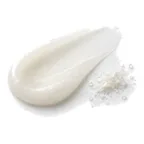 Peptides
 Sodium Hyaluronate
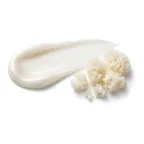 Collagen
 Retinol
 Vitamin E
Average
- HighNormal Skin Fit
- AverageEffectiveness
- HighSafety
Works for sensitive skin; other moisturizers fit it better.
This fit is calculated for the concerns frequently associated with sensitive skin: redness, stinging, and reactions to new products. For scores and recommendations based on your full skin profile, including your 12D face scan results and any goals or preferences you have, please use the Lovi app.
Updated How the Fit score works
Lovi Assistant explains
- Offers moderate benefits for your redness and irritation, as Lactobacillus Ferment and Dipotassium Glycyrrhizate provide supportive effects for your sensitive skin. Niacinamide and peptides also offer barrier repair and collagen stimulation, making it highly suitable for your normal skin type.
- The product provides excellent moisturizing due to glycerin and peptides, which hydrate and improve skin elasticity.
- The safety profile is excellent, with no risks of irritation for your sensitive skin due to the absence of prohibited or harsh ingredients.
Buy online

Prices checked 20 Nov 2026
The Lovi Fit is the same in every country; only the stores and prices differ, and the ones here are for India.
How to apply
- Use this soothing AM and PM routine every day to keep your normal skin calm. Always remember to apply SPF in the morning after your moisturizer.
- Apply your moisturizer after your toner in the morning, and after your serum in the evening. This step locks in hydration and protects your skin.
- Gently press a small amount of the moisturizer evenly across your face. Avoid rubbing to keep your sensitive skin happy and calm.
- You can apply this gentle formula on dry or slightly damp skin for the best comfort. It works wonderfully on clean skin to soothe redness and irritation.
- Do a patch test before your very first use to check your skin's reaction. Avoid getting the product directly into your eyes .
People Say
★4.8Overall rating based on 300+ reviewsThis rich cream is highly praised for its intense hydration and luxurious texture, making it ideal for dry and mature skin types. Many users report a plumping effect and improved skin elasticity, with some experiencing a noticeable lifting of sagging contours. However, the heavy formula can be too occlusive for oily skin, and the strong fragrance is a concern for some.
Highlights
Intense hydration Mostly Mentioned
- “healed flakiness on nose”
- “skin stays plump until morning”
- “perfect for winter skincare”
- “deeply nourishing feel”
Luxurious texture Often Mentioned
- “velvet veil finish”
- “absorbs beautifully”
- “rich but not sticky”
- “melts into skin”
Firming effect Sometimes Noted
- “jawline looks slightly more lifted”
- “skin feels tighter”
- “pores look smaller”
- “bouncier texture”
Good ingredients Sometimes Noted
- “love the peptide complex”
- “strengthens skin barrier”
- “great for barrier repair”
- “contains ceramides”
Strong fragrance Sometimes Noted
- “fragrance was slightly strong”
- “sensitive skin itched”
- “wish it was fragrance-free”
- “smell is overpowering”
Too heavy Sometimes Noted
- “too heavy for morning”
- “left an oily feel”
- “caused breakouts on forehead”
- “shiny finish”
Bulky packaging Rarely Noted
- “packaging seems oversized”
- “jar is huge for 50ml”
- “takes up too much space”
High price Rarely Noted
- “pricey without discount”
- “wait for Olive Young sale”
- “expensive for the amount”
Sources: lovi.care, global.oliveyoung.com, gopicky.com, reddit.com, yesstyle.com, and more
Questions and answers
How well does BIOHEAL BOH Probioderm Lifting Cream work for sensitive skin?
This cream works moderately well for sensitive skin, offering supportive benefits for redness and irritation while keeping a very safe profile. A product of this type needs highly effective soothing ingredients like fermented Centella Asiatica, cica ceramide, and nourishing oils to better calm sensitive skin and protect its barrier.
Which ingredients make this cream a good fit for sensitive skin?
Lactobacillus Ferment and Dipotassium Glycyrrhizate make this cream a good fit for sensitive skin by offering moderate benefits for redness and irritation. A product of this type needs soothing ingredients like fermented Centella Asiatica, Cica Ceramide, and nourishing oils to enhance skin barrier function and provide hydration without overwhelming the skin.
What do Peptides do for sensitive skin?
Peptides help calm sensitive skin by supporting repair and protecting against irritation, keeping the surface soft and smooth. Because they are generally gentle and have a strong safety profile, they are unlikely to cause redness or discomfort when added to a daily routine.
What does Hyaluronic Acid do for sensitive skin?
Hyaluronic acid helps calm and hydrate sensitive skin while making it feel soft and smooth. It improves dryness and surface texture, and is unlikely to cause irritation.
Journal of Cosmetic Dermatology, 2018Journal of Drugs in Dermatology, 2025
Where does this cream go in a skincare routine for sensitive skin?
This cream goes in the evening routine as a treatment step after your toner and before your moisturizer. It is unlikely to irritate sensitive skin since it has no harsh ingredients, though this skin type needs soothing and barrier-repairing ingredients like ceramides, centella, and gentle plant extracts to reach an ideal fit.
Can I use this cream with vitamin C, and in what order?
You can use this cream with vitamin C by applying your vitamin C first on dry skin, letting it absorb, and then following with this treatment. Because this cream contains retinol, using them together may occasionally cause mild dryness or tingling, but the soothing ingredients help keep your skin comfortable and calm.
How often should I use this cream?
You can use this moisturizing treatment in your evening routine, applying it after your cleansing and toning steps. This cream is unlikely to cause irritation on sensitive skin due to its safe ingredients, but sensitive skin needs a product with soothing ingredients and barrier repair agents to truly thrive.
Journal of Cosmetic Dermatology, 2020Health Science Reports, 2021
Can this cream clog pores, cause breakouts or purging for sensitive skin?
This cream is unlikely to clog pores or cause purging for sensitive skin, as it has a very safe formula with no harsh ingredients that typically trigger breakouts. However, some shoppers do find that it feels a bit too heavy on the skin.
Can I use this cream around the eyes or on my body?
You can use this moisturizing treatment on your body and around the eyes, though thinner areas like eyelids may absorb active ingredients differently. The cream is unlikely to cause irritation due to its very safe makeup, and ingredients like glycerin help keep dry areas soft and hydrated.
Surgical and Radiologic Anatomy, 2002Journal of Cosmetic Dermatology, 2026
Is this cream fragrance-free and alcohol-free?
Yes, it has no fragrance and no drying alcohol.
What the research says
A topical formulation containing panthenol, niacinamide, and dipotassium glycyrrhizate increased skin hydration by 74.1% and reduced transepidermal water loss by 13.5% at 28 days compared to baseline and untreated control in 35 individuals with xerosis.
Journal of Cosmetic Dermatology, 2026Collagen peptides and their active serum metabolites promote photoaging skin cell repair by activating the TGF-β/Smad pathway to stimulate procollagen synthesis and suppressing matrix metalloproteinases to prevent collagen degradation in skin fibroblasts.
Food & Function, 2019A single application of a moisturizing fluid containing hyaluronic acid 1%, glycerin 5%, and Centella asiatica stem cells extract significantly increased skin hydration by 29% and reduced transepidermal water loss at 24 hours compared to baseline and an untreated control site in twenty healthy women.
Clinical, Cosmetic and Investigational Dermatology, 2017Topical application of an autophagy-activating peptide reduced closed comedones, skin surface lipids, and trans-epidermal water loss, while altering lipid composition in acne-prone skin compared to vehicle.
Journal of Cosmetic Dermatology, 2021Topical exosomes and peptides improve skin rejuvenation by increasing collagen deposition, enhancing skin texture, and accelerating wound healing.
Aesthetic Surgery Journal. Open Forum, 2024Topical omiganan gels exhibited rapid, dose-dependent bactericidal and fungicidal activity against a broad spectrum of bacteria and yeasts in ex vivo pig skin and in vivo guinea pig skin models.
International Journal of Antimicrobial Agents, 2009Topical application of 0.1% hyaluronic acid formulations of different molecular weights led to significant improvements in skin hydration and elasticity, with low-molecular-weight formulations also significantly reducing wrinkle depth in seventy-six female subjects compared to a vehicle control.
Journal of Drugs in Dermatology, 2011Topical hyaluronic acid serum used twice daily by 40 females with facial photoaging produced an immediate 134% increase in skin hydration, a sustained 55% increase at week 6, and significant improvements in smoothness, plumping, fine lines, wrinkles, and global appearance without causing irritation.
Dermatology and Therapy, 2021A topical antioxidant serum significantly reduced air pollution-induced skin pigmentation and proinflammatory gene expression ex vivo, and improved skin aging signs in 40 healthy adult females after 90 days of daily use.
Journal of Cosmetic Dermatology, 2022Topical application of TAC/Collagen postbiotics gel improved skin moisture score and inflammation index, and reduced porphyrins and brown spots in 20 volunteers with acne vulgaris.
Journal of Cosmetic Dermatology, 2022Topical collagen tripeptide application improved skin wrinkles, elasticity, and density while reducing advanced glycated end products in 22 Asian women over 4 weeks.
International Journal of Molecular Sciences, 2022Marine collagen extracted from Greenland halibut skin showed a non-cytotoxic effect on fibroblast cells and provided a slight skin hydration effect when incorporated into cosmetic hydrogel formulations at dosages of 0.1, 0.25, and 0.5% in 23 healthy volunteers.
Marine Drugs, 2023Topical bakuchiol 0.5% applied twice daily compared with retinol 0.5% applied daily significantly decreased wrinkle surface area and hyperpigmentation with no statistical difference between the compounds in 44 patients over 12 weeks, while retinol users reported more facial skin scaling and stinging.
The British Journal of Dermatology, 2019Topical 0.3% and 1% retinol comparably improved biomarkers of cutaneous photoageing in photoaged volunteers, while 0.3% retinol demonstrated better tolerance with fewer and milder adverse events compared to 1% retinol in a daily escalation regimen.
International Journal of Cosmetic Science, 2022Daily application of 0.3% and 0.5% retinol serums in 37 volunteers over 12 weeks reduced skin hyperpigmentation, unevenness, and wrinkles on both sides of the face, with the 0.5% concentration causing more frequent and intense skin irritation.
Skin Pharmacology and Physiology, 2020Topical application of an antioxidant serum containing 15% ascorbic acid, 0.5% ferulic acid, and 1% tocopherol prevented particulate matter-induced degradation of extracellular matrix components, inflammation, and oxidative stress in the skin of 15 female volunteers compared to untreated controls.
Journal of Cosmetic Dermatology, 2025Dermatological products containing d-alpha tocopheryl acetate showed non-comedogenic potential with less than a 50% increase in microcomedones in 12 healthy male subjects compared to octyl palmitate.
Contemporary Clinical Trials Communications, 2021Topical application of an antioxidant mix containing 15% ascorbic acid, 0.5% ferulic acid, and 1% tocopherol prevented PM and UV-induced skin barrier perturbation, lipid peroxidation, inflammatory markers, MMP9 activation, and Type I collagen loss in 15 healthy females compared to untreated exposed skin.
Journal of Cosmetic Dermatology, 2024
Ingredients
Water, Lactobacillus Ferment, Dipropylene Glycol, Glycerin, Caprylic Capric Triglyceride, Hydrogenated Poly C6-14 Olefin, Hydrogenated Polydecene, Glyceryl Stearate Se, 12-Hexanediol, Hydrogenated Oil, Niacinamide, Tocopheryl Acetate, Tocopherol, Rutin, Copper Tripeptide-1, Lecithin, Oleic Acid, Olea Europaea Oil Olive Oil, Jojoba Esters, Sucrose, Curcuma Longa Root Extract, Dipotassium Glycyrrhizate, Ceramide Np, Peptides
Behind this fit score
Lovi calculates every fit score from the full ingredient list with brand-independent rules our dermatologists and cosmetic chemists build and review, and personalizes every pick with AI trained on the real results of millions of users. Lovi trains its fit score models on a proprietary dataset built from more than 10,000 expert-labeled products and more than 100,000 simulated examples, following an internally consistent methodology presented at Cosmoprof, AMWC, and Skin of Color Update.
-

Co-founder, Medical Director
Cosmetic chemist, cosmetologist, aesthetic products developer
-

Co-founder, CEO and CTO
PhD in computer science, 3x US patent holder, ex-Google, ex-Yandex
-

Dr. Sofía Perea Pérez, MD, MSc
Medical Board
Aesthetic medicine practitioner, MSc in Longevity and Anti-Aging Medicine
-

Medical Board
Specialist dermatologist, MBBS, MD, IFAAD
-

Medical Board
Cosmetic chemist, SCS, IFSCC member
-

Medical Board, Medical Advisor
Dermatology MD
-

Elina Nazarenko, MD
Medical Board
Dermatology and diagnostic consultant
-

Victoria Derkova, MS
Medical Board
Cosmetic chemist, cosmetic development technologist


How does it fit your skin?
Scan your face, then any product: Lovi shows how well it fits you and what fits even better.