
Bioderma Sébium Mat Control

 Fluidactiv Patent
 Salicylic Acid
 Zinc Gluconate
 Glycerin
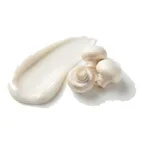 Mannitol
Salicylic acid and zinc gluconate unclog pores and control shine, so it suits combination skin, acne-prone skin, and oily acne-prone skin best. For skin that needs soothing, moisturizers with aloe vera get higher fit scores. Consider buying on Amazon.com or Amazon.co.uk.
Each fit is calculated for the concerns frequently associated with that skin type. For scores and recommendations based on your full skin profile, including your 12D face scan results and goals, use the Lovi app.
Updated How the Fit score works
Where it fits best and least
Best fit High
Combination Skin, Acne-Prone Skin, Oily Acne-Prone Skin
A great choice for combination skin; a few moisturizers fit it even better.
- Offers high suitability for your combination skin, as salicylic acid provides keratolytic action and zinc gluconate aids in seboregulation, effectively addressing your oily shine.
Lowest fit Caution
A poor match for dry skin.
- Offers moderate exfoliation for your dry or flaky skin due to salicylic acid, but ingredients like methyl methacrylate crosspolymer and cyclopentasiloxane can be drying, making it moderately unsuitable for your dry skin type.
Other skin types
Buy online

Prices checked 22 Nov 2026
The Lovi Fit is the same in every country; these offers are from Amazon.com and Amazon.co.uk.
How to apply
- Could be used as part of your AM and PM routine. Start using it 3 times a week and move to daily use if your skin likes it.
- Apply this moisturizer after your cleanser and toner, right before your morning SPF.
- Gently press a small amount of the moisturizer into your skin. Avoid rubbing it too hard so it absorbs nicely.
- For the best moisture, you can apply it when your skin is slightly damp. This helps your skin stay soft and happy.
- Remember to avoid the eye area when applying. Always do a patch test before your first use.
People Say
★4.4Overall rating based on 200+ reviewsUsers with oily and combination skin widely praise this product for its dual ability to hydrate while effectively controlling shine, often describing it as an excellent primer that leaves a velvety finish. Those with drier skin zones or dehydration issues occasionally find it lacking in moisture, and some users report that the matte effect may not last a full day in very humid conditions.
Highlights
Lightweight texture Mostly Mentioned
- “absorbs instantly”
- “non-greasy feel”
- “silky and smooth”
Effective oil control Often Mentioned
- “no more shiny forehead”
- “keeps face shine-free”
- “matte look for hours”
Excellent makeup base Often Mentioned
- “makeup goes on smoothly”
- “acts like a primer”
- “foundation sits better”
Pleasant scent Sometimes Noted
- “fresh cucumber smell”
- “light and not overpowering”
- “clean fragrance”
Refines pores Sometimes Noted
- “tightens pores”
- “skin texture looks smoother”
- “blurs irregularities”
Insufficient hydration Sometimes Noted
- “cheeks felt dry”
- “not moisturizing enough for winter”
- “skin felt tight”
Price vs. quantity Sometimes Noted
- “tube is too small”
- “expensive for 30ml”
- “finished too quickly”
Potential breakouts Rarely Noted
- “caused small bumps”
- “gave me whiteheads”
- “didn't suit sensitive skin”
Short duration Rarely Noted
- “oily again by midday”
- “shine returned after few hours”
- “didn't last in heat”
Texture issues Rarely Noted
- “pills under makeup”
- “product separated in tube”
- “turned watery over time”
Sources: lovi.care, bioderma.com, beautycrew.com.au, ozhairandbeauty.com, londondrugs.com, boots.com, and more
Questions and answers
What makes Bioderma Sébium Mat Control a great fit for combination skin?
Bioderma Sébium Mat Control is a great fit because salicylic acid clears away dead skin cells and zinc gluconate helps balance oil to keep oily shine under control. The formula also leaves skin feeling smooth and matte while glycerin keeps it comfortable without causing irritation.
Journal of Cosmetic Dermatology, 2026Clinical, Cosmetic and Investigational Dermatology, 2023
What makes Bioderma Mat Control a great fit for oily acne-prone skin?
Bioderma Sébium Mat Control is a great fit for your oily skin because zinc gluconate and mushroom extract help control excess oil and make pores look smaller while keeping your skin calm. It feels safe and is unlikely to cause irritation since it leaves out harsh ingredients. However, because it contains a lower amount of salicylic acid, it may not be enough to fully clear up breakouts on its own.
Clinical, Cosmetic and Investigational Dermatology, 2023Journal of Cosmetic Dermatology, 2026
How well does Bioderma Sébium Mat Control work for oily skin?
This moisturizing treatment works moderately well for your oily skin, helping to control shine and refine pores. To fit this skin type best, a product of this type needs peptides and lightweight hydrating agents that manage moisture without heavy oils, along with barrier-supporting ingredients that prevent excess oiliness and breakouts.
Journal of Cosmetic Dermatology, 2026Clinical, Cosmetic and Investigational Dermatology, 2017
Why does Lovi advise caution with Bioderma Sébium Mat Control for dry skin?
This product may dry out your skin because it contains ingredients like methyl methacrylate crosspolymer and cyclopentasiloxane. While salicylic acid offers some exfoliation, a product for dry skin needs rich nourishing ingredients and moisture-retaining agents like hyaluronic acid and glycerin for optimal hydration and skin barrier support.
Can I use this cream with retinol, and in what order?
You can use this cream with retinol by applying the retinol first and following it with this moisturizer. This helps keep your skin comfortable and is unlikely to cause irritation.
Is this cream fragrance-free and alcohol-free?
It has no drying alcohol and contains fragrance (parfum).
What makes Bioderma Sébium Mat Control a great fit for acne-prone skin?
Bioderma Sébium Mat Control is a great fit for acne-prone skin because zinc gluconate and glycerin control shine and hydrate, while salicylic acid helps clear pores and reduce breakouts. The formula is unlikely to cause irritation and supports a smooth, calm complexion.
Journal of Cosmetic Dermatology, 2026Clinical, Cosmetic and Investigational Dermatology, 2023
How well does Bioderma Sébium Mat Control work for sensitive skin?
Bioderma Sébium Mat Control works as an average fit for sensitive skin because its salicylic acid and zinc gluconate help refine pores and control oil, but it lacks specialized soothing ingredients to address your redness and irritation. A product of this type needs calming ingredients like fermented Centella Asiatica, ceramides, and nourishing oils to soothe redness while keeping sensitive skin comfortable.
Why does Lovi advise caution with Bioderma Sébium Mat Control for dry sensitive skin?
This product is a poor fit because ingredients like salicylic acid and zinc gluconate may dry out your dry skin and cause unwanted tightness. Moisturizing treatments that work better for this skin type need soothing ingredients and hydrating agents that lock in moisture and support the skin barrier without any risk of irritation.
How well does Bioderma Sébium Mat Control work for skin with dark spots?
This product works for skin with dark spots, though other products fit it better because it lacks specialized brightening ingredients like Vitamin C or Niacinamide to effectively target pigmentation. Skin with dark spots needs effective brightening ingredients that align with your pigmentation goals alongside moisturizing components to properly address this concern.
How well does Bioderma Sébium Mat Control work for mature skin?
Bioderma Sébium Mat Control works moderately well for mature skin by helping to control oil and refine pores, but it lacks the specialized ingredients needed to directly target wrinkles and fine lines. To better support mature skin, a product of this type needs potent anti-aging ingredients like retinol or peptides alongside rich nourishing and hydrating components.
Molecules, 2023International Journal of Cosmetic Science, 2019
What the research says
Daily use of a deep cleansing gel containing salicylic acid 2%, zinc gluconate 0.2% and lipohydroxy acid 0.05% significantly reduced total lesion count by 56.3% after 84 days in 35 subjects with mild to moderate truncal acne.
Clinical, Cosmetic and Investigational Dermatology, 2023A single application of a moisturizing fluid containing hyaluronic acid 1%, glycerin 5%, and Centella asiatica stem cells extract significantly increased skin hydration by 29% and reduced transepidermal water loss at 24 hours compared to baseline and an untreated control site in twenty healthy women.
Clinical, Cosmetic and Investigational Dermatology, 2017A moisturizer containing licochalcone A, 1,2-decanediol, L-carnitine, and salicylic acid significantly reduced noninflammatory, inflammatory, and total acne lesion counts compared to a vehicle control in Thai patients during a 12-week maintenance phase.
BioMed Research International, 2020Treatment with 2% supramolecular salicylic acid hydrogel resulted in a regression and markedly improvement rate of 51.01% compared to 43.10% for Adapaline gel in patients with mild to moderate facial acne vulgaris, showing no significant difference in efficacy.
Journal of Cosmetic Dermatology, 2024Topical 5% benzoyl peroxide plus salicylic acid achieved the greatest lesion reduction at early 2 to 4 week time points compared to benzoyl peroxide, clindamycin, and combination benzoyl peroxide/clindamycin, while 5% benzoyl peroxide plus salicylic acid and combination benzoyl peroxide/clindamycin showed similar efficacy at 10 to 12 weeks in acne patients.
Journal of the American Academy of Dermatology, 2010Topical 0.5% hyaluronic-ZnO nanogel applied twice daily reduced inflammatory-lesion counts by 58% at week four in human subjects compared to baseline without causing erythema.
Biomedicines, 2025Topical zinc oxide nanogels formulated using Dendrobium anosmum showed greater effectiveness against Gram-positive acne-causing bacteria compared to chemogenic nanoparticles.
Molecules, 2023The emollient V0034CR significantly reduced TEWL compared to vehicle and vehicle plus glycerol, and significantly increased corneometry scores compared to vehicle and vehicle plus petrolatum in healthy volunteers with dry skin, demonstrating combined barrier function improvement from petrolatum and hydration improvement from glycerol.
Journal of Cosmetic Dermatology, 2020Ten days of treatment with a cream containing 20% glycerin significantly increased skin hydration measured by corneometer values in 17 healthy volunteers compared to a placebo cream, but showed no influence on transepidermal water loss or skin sensitivity to an irritating surfactant.
International Journal of Cosmetic Science, 2001A dermocosmetic containing bakuchiol, Ginkgo biloba extract, and mannitol improves inflammatory lesions, Investigator Global Assessment, and seborrhea intensity when added to adapalene 0.1% gel in patients with acne vulgaris.
Clinical, Cosmetic and Investigational Dermatology, 2015Combining ectoine and mannitol with UV filters significantly improved protection of squalene oxidation, catalase activity, and trans-UCA compared to UV filters alone in 10 subjects on irradiated areas.
Journal of Cosmetic Dermatology, 2024Visible and UVA/visible lights induced DNA damage and micronuclei in a dose-dependent manner in human keratinocytes and CHO cells, and this damage was reduced by preincubation with ectoin, L-ergothioneine, mannitol, and various sunscreens.
Journal of Photochemistry and Photobiology. B, Biology, 2008A dermocosmetic cream containing Punica granatum Pericarp extract, Salicylic acid, Niacinamide, Zinc gluconate, and Aqua Posae Filiformis significantly decreased inflammatory, non-inflammatory, and total lesion counts in subjects with mild to moderate acne compared to untreated hemi-faces after 15 days.
Journal of Cosmetic Dermatology, 2026Niacinamide/glycerin body moisturizers provided better rapid and prolonged improvement of cosmetic xerosis through functional improvement of stratum corneum barrier function compared to no treatment and conventional moisturizers in female subjects.
Journal of Drugs in Dermatology, 2012Post-peel application of either topical tretinoin (0.25%) or retinol (0.25%) after a 30% salicylic acid peel effectively improves signs of photodamage compared to baseline in female subjects, with tretinoin performing slightly better than retinol in texture, roughness, and overall appearance at week 4.
Journal of Drugs in Dermatology, 2016Twice daily application of a multitargeted dermocosmetic cream provided comparable efficacy to benzoyl peroxide 5% gel in reducing inflammatory, non-inflammatory, and total lesions in 150 Caucasian subjects with mild-to-moderate acne over 56 days, while demonstrating superior skin tolerability.
Journal of Cosmetic Dermatology, 2024The use of a salicylic acid-based dermocosmetic significantly reduces the needed quantity of benzoyl peroxide without impacting efficacy in mild to moderate acne, and as maintenance post-benzoyl peroxide allows a significant reduction of acne relapse compared to vehicle.
Journal of Drugs in Dermatology, 2023Hesperidin, hesperetin, rutinose, and rhamnose reduced MMP-1 and MMP-2 levels, while rutinose and rhamnose also inhibited elastase, hyaluronidase, and collagenase and increased collagen I production in young and physiologically aged normal human dermal fibroblasts.
Molecules, 2023Rhamnose exerts beneficial anti-ageing effects on the papillary dermis and dermal-epidermal junction, including increased collagen IV and procollagen I production in vivo.
International Journal of Cosmetic Science, 2019A formulation containing glycerol (5%) and xylitol (5%) applied twice daily for 14 days increased skin hydration, filaggrin protein quantity, interdigitation index, and biomechanical properties, and decreased transepidermal water loss compared to untreated and vehicle-treated skin in twelve volunteers with dry skin.
Acta Dermato-venereologica, 2017
Ingredients
Water, Glycerin, Cyclopentasiloxane, Methyl Methacrylate Crosspolymer, Cyclohexasiloxane, Dipropylene Glycol, Polymethylsilsesquioxane, Peg-10 Dimethicone, Hdi Trimethylol Hexyllactone Crosspolymer, Butylene Glycol, Sodium Chloride, Vinyl Dimethicone Methicone Silsesquioxane Crosspolymer, C30-45 Alkyl Cetearyl Dimethicone Crosspolymer, Zinc Gluconate, Disodium Edta, Salicylic Acid, Mannitol, Xylitol, Rhamnose, Xanthan Gum, Sodium Hydroxide, Dodecyl Gallate, Pyridoxine Hcl, Fomes Officinalis Extract Mushroom Extract, Peg-40 Hydrogenated Castor Oil, Phenoxyethanol, Parfum
Behind these fit scores
Lovi calculates every fit score from the full ingredient list with brand-independent rules our dermatologists and cosmetic chemists build and review, and personalizes every pick with AI trained on the real results of millions of users. Lovi trains its fit score models on a proprietary dataset built from more than 10,000 expert-labeled products and more than 100,000 simulated examples, following an internally consistent methodology presented at Cosmoprof, AMWC, and Skin of Color Update.
-

Co-founder, Medical Director
Cosmetic chemist, cosmetologist, aesthetic products developer
-

Co-founder, CEO and CTO
PhD in computer science, 3x US patent holder, ex-Google, ex-Yandex
-

Dr. Sofía Perea Pérez, MD, MSc
Medical Board
Aesthetic medicine practitioner, MSc in Longevity and Anti-Aging Medicine
-

Medical Board
Specialist dermatologist, MBBS, MD, IFAAD
-

Medical Board
Cosmetic chemist, SCS, IFSCC member
-

Medical Board, Medical Advisor
Dermatology MD
-

Elina Nazarenko, MD
Medical Board
Dermatology and diagnostic consultant
-

Victoria Derkova, MS
Medical Board
Cosmetic chemist, cosmetic development technologist


How does it fit your skin?
Scan your face, then any product: Lovi shows how well it fits you and what fits even better.