
Benton Deep Green Tea Cleansing Foam for acne-prone skin

 Camellia Sinensis Extract
 Glycerin
 Centella Asiatica Extract
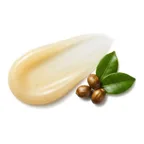 Camellia Japonica Seed Oil
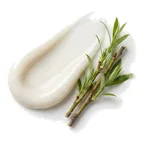 Willow Bark Extract
High
- HighCombination Skin Fit
- HighEffectiveness
- ExcellentSafety
A great choice for acne-prone skin; a few cleansers fit it even better.
This fit is calculated for the concerns frequently associated with acne-prone skin: breakouts, blackheads, and post-acne marks. For scores and recommendations based on your full skin profile, including your 12D face scan results and any goals or preferences you have, please use the Lovi app.
Updated How the Fit score works
Lovi Assistant explains
- Highly suitable for your combination skin, this cleanser effectively addresses acne and blemishes with willow bark extract and centella asiatica extract providing mild exfoliation and soothing effects.
- The formula's cleansing power is excellent due to myristic acid and lauric acid, which deeply cleanse pores without causing irritation.
- Safety is ensured by the absence of harsh ingredients and the inclusion of soothing agents like Camellia Sinensis Leaf Water and Centella Asiatica Extract, making it gentle for your skin.
Buy online

Prices checked 20 Nov 2026
The Lovi Fit is the same in every country; only the stores and prices differ, and the ones here are for India.
How to apply
- Could be used as part of your AM and PM routine. Start using it 3 times a week and build up to daily use if your skin tolerates it.
- This cleanser is the first step in your morning routine and the second step after your pre-cleanser in the evening. Always follow up with a toner and moisturizer .
- Gently massage a small amount of the cleanser onto your face in circular motions. Avoid harsh rubbing to keep your skin calm.
- Apply the cleanser on slightly damp skin to help it work effectively against breakouts. Rinse thoroughly with lukewarm water .
- Avoid the immediate eye area and do a patch test before your first use to check for any sensitivity.
People Say
★4.5Overall rating based on 400+ reviewsThis cleanser is highly regarded for its deep cleansing abilities, producing a rich lather that effectively removes impurities and excess oil, leaving skin feeling thoroughly clean. It is particularly favored by those with oily and combination skin for its potential to soothe redness and manage breakouts. A significant number of users, especially those with dry skin, report it can be drying or stripping. The natural scent is a polarizing aspect, with some finding it unpleasant, and a few users have experienced eye irritation.
Highlights
Deep cleansing power Mostly Mentioned
- “Removes excess oil without stripping”
- “Leaves my face feeling fresh and free of impurities”
- “Washes off gunk and oil”
Rich, dense lather Often Mentioned
- “A little goes a long way”
- “Works into a nice frothy layer”
- “Foam feels luxurious and gentle”
Clean ingredient list Sometimes Noted
- “No scents at all”
- “Made with good ingredients”
- “Gentle, hypoallergenic formula”
Soothing for oily/acne skin Sometimes Noted
- “Helps with redness too”
- “Got rid of breakouts”
- “Calms, soothes and hydrates irritated skin”
Drying or stripping Sometimes Noted
- “Skin felt a bit tight after use”
- “Too stripping for my dry skin”
- “Leaves my face clean and tight”
Eye irritation Rarely Noted
- “Stings the eyes a little”
- “Bit stingy”
- “Blurry eyes if not careful”
Unpleasant scent Rarely Noted
- “Smells rotten”
- “Scent is so abhorrent”
- “Smells a bit like tea tree oil... or something gone bad”
Sources: lovi.care, iherb.com, walmart.com, stylekorean.com, sociolla.com, reddit.com, and more
Questions and answers
What makes Benton Deep Green Tea Cleansing Foam a great fit for acne-prone skin?
Benton Deep Green Tea Cleansing Foam is a great fit for acne-prone skin because it uses willow bark extract and centella asiatica extract to gently clear away blemishes and calm angry skin. It also thoroughly cleans out pores without causing irritation, keeping your face feeling fresh and balanced.
Indian Journal of Pharmaceutical Sciences, 2016Journal of Cosmetic Dermatology, 2019
Which ingredients make this cleanser a good fit for acne-prone skin?
This cleanser is a great fit for acne-prone skin because it contains willow bark extract and centella asiatica extract, which provide mild exfoliation and calming effects. These ingredients help clear pores without causing irritation, while green tea water and soothing agents keep skin comfortable.
Indian Journal of Pharmaceutical Sciences, 2016Journal of Cosmetic Dermatology, 2019
What does Green Tea Extract do for acne-prone skin?
Green tea extract helps acne-prone skin by reducing both inflamed and clogged bumps, while also calming redness and balancing excess oil. Using it regularly may significantly lower the number of breakouts because its plant compounds target swelling and sebum production.
Phytotherapy Research, 2021Archives of Dermatological Research, 2020
What does Glycerin do for acne-prone skin?
Glycerin helps keep acne-prone skin hydrated and calm without clogging pores or feeling heavy. It supports the skin barrier so it stays soft and smooth while handling everyday treatments.
The British Journal of Dermatology, 2008International Journal of Toxicology, 2019
Where does this cleanser go in a skincare routine for acne-prone skin?
This cleanser goes as the first step in the morning and as the second step in the evening after your makeup remover. It gently cleans pores and helps calm acne-prone skin using soothing ingredients like centella asiatica and willow bark extract.
Journal of Cosmetic Dermatology, 2019Journal of Cosmetic Dermatology, 2024
Can I use this cleanser with retinol, and in what order?
You can use this cleanser with retinol by using the cleanser first both morning and evening, followed by your retinol treatment in your evening routine. This helps wash away impurities gently while keeping your skin calm, making it less likely to feel irritated by your retinol.
How often should I use this cleanser?
You can use this cleanser twice a day in your morning and evening routine to help manage breakouts. A daily cleansing routine using a gentle formula is unlikely to cause irritation while keeping your pores clean.
The Journal of Dermatological Treatment, 2022Journal of Cosmetic Dermatology, 2019
Can this cleanser clog pores, cause breakouts or purging for acne-prone skin?
This cleanser is a great fit because it uses willow bark extract and centella asiatica extract to help soothe skin and gently clear blemishes without clogging pores. Its formula is unlikely to cause breakouts, though some shoppers do mention it can feel a bit drying.
Indian Journal of Pharmaceutical Sciences, 2016Journal of Cosmetic Dermatology, 2019
Can I use this cleanser around the eyes or on my body?
This cleanser is gentle enough for the body, but the thin skin around the eyes requires extra care and is best avoided. Willow bark extract and centella asiatica extract help calm the skin without causing irritation.
Surgical and Radiologic Anatomy, 2002Journal of Cosmetic Dermatology, 2019
Is this cleanser fragrance-free and alcohol-free?
Yes, it has no fragrance and no drying alcohol.
What the research says
Cosmetic formulations containing 5% Centella asiatica extract showed the best efficacy in improving skin moisture and decreasing transepidermal water loss, while also exhibiting antiinflammatory properties in 25 volunteers compared to baseline measurements.
Indian Journal of Pharmaceutical Sciences, 2016A botanical face cleanser with hops and willow bark extract continuously reduced skin sebum levels without reactive seborrhea after treatment in 21 healthy volunteers compared to a sodium laureth sulfate cleanser, with neither cleanser causing skin irritation.
Journal of Cosmetic Dermatology, 2019A novel emulsion containing niacinamide, lens esculenta seed extract, and white willow bark extract effectively improved acne, blackheads, and conspicuous facial pores in 30 subjects with oily skin.
Journal of Cosmetic Dermatology, 2024All three treatments—benzoyl peroxide, benzoyl peroxide plus erythromycin, and the combination of niacinamide, gallic acid, and lauric acid—were effective in reducing acne vulgaris severity in ninety patients over eight weeks.
Dermatologic Therapy, 2020Co-delivery of paeonol and madecassoside via nanoemulsions improved transdermal delivery, promoted barrier repair proteins, inhibited inflammatory cytokine secretion in cellular and 3D models, and reduced transepidermal water loss and acne in human facial skin compared to free components.
Molecules, 2023Topically formulated tea polyphenols show some benefit in reducing sebum secretion and treating acne vulgaris compared to baseline or control.
Antioxidants, 2016Topical application of tannase-converted green tea extract (TGE) significantly improved skin wrinkle indices and self-assessed wrinkle reduction compared to normal green tea extract (NGE) in human subjects over 8 weeks.
Journal of Cosmetic Dermatology, 2013An anti-acne hydrogel containing Aloe barbadensis, Garcinia mangostana, and Camellia sinensis extracts showed superior antiacne and antiblotch activities compared to 1% clindamycin gel in sixty subjects with mild-moderate acne.
Clinical, Cosmetic and Investigational Dermatology, 2019A single application of a moisturizing fluid containing hyaluronic acid 1%, glycerin 5%, and Centella asiatica stem cells extract significantly increased skin hydration by 29% and reduced transepidermal water loss at 24 hours compared to baseline and an untreated control site in twenty healthy women.
Clinical, Cosmetic and Investigational Dermatology, 2017The emollient V0034CR significantly reduced TEWL compared to vehicle and vehicle plus glycerol, and significantly increased corneometry scores compared to vehicle and vehicle plus petrolatum in healthy volunteers with dry skin, demonstrating combined barrier function improvement from petrolatum and hydration improvement from glycerol.
Journal of Cosmetic Dermatology, 2020Ten days of treatment with a cream containing 20% glycerin significantly increased skin hydration measured by corneometer values in 17 healthy volunteers compared to a placebo cream, but showed no influence on transepidermal water loss or skin sensitivity to an irritating surfactant.
International Journal of Cosmetic Science, 2001Topical treatment with 5% vitamin C and 0.1% madecassoside significantly improved clinical scores for wrinkles, suppleness, firmness, roughness, and skin hydration, along with functional and structural remodeling of the elastic fiber network in 20 female volunteers with photoaged skin after 6 months compared to baseline.
Experimental Dermatology, 2008Treatment with an asiaticoside-containing cream applied twice daily for 12 weeks significantly improved periorbital wrinkles in 65% of 27 female volunteers compared to a vehicle control cream.
International Journal of Cosmetic Science, 2008A combination serum containing galactomyces ferment filtrate, dexpanthenol, and Centella asiatica effectively treated post-acne hyperpigmentation in subjects with colored skin by significantly increasing lightness scores in Fitzpatrick skin type V and reducing the melanin index in Fitzpatrick skin type IV compared to placebo.
Skinmed, 2021Bioactive lipid nanocarriers co-loaded with willow bark or ivy leaf extracts and UV-filters provided pronounced UVA photoprotection up to an SPF-equivalent value of 13 and a maximum in vivo skin hydration effect of 97% when prepared with pomegranate oil.
Nanomaterials, 2022A topical serum containing 0.5% salicin applied twice daily reduced visible signs of skin aging, including wrinkles and tactile roughness, in 30 female subjects over 12 weeks compared to baseline.
Journal of Cosmetic Dermatology, 2010Topical treatment with 2% Salix alba bark extract cream improved dark circles, skin microcirculation, and elasticity in 29 subjects over 8 weeks.
International Journal of Cosmetic Science, 2023
Ingredients
Water, Myristic Acid, Glycerin, Camellia Sinensis Leaf Water, Lauric Acid, Palmitic Acid, Stearic Acid, Potassium Hydroxide, Butylene Glycol, Pentylene Glycol, Sorbitan Olivate, 1,2-Hexanediol, Polyquaternium-10, Camellia Japonica Seed Oil, Sodium Lauroyl Glutamate, Centella Asiatica Extract, Willow Bark Extract, Salix Nigra Bark Extract Willow Bark Extract, Panthenol, Caprylic Capric Triglyceride, Houttuynia Cordata Extract, Punica Granatum Fruit Extract, Camellia Sinensis Leaf Extract, Camellia Sinensis Seed Extract, Camellia Sinensis Root Extract, Caprylyl Glycol, Helianthus Annuus Seed Oil Sunflower Seed Oil, Capric Acid, Rosmarinus Officinalis Oil Leaf Rosemary Oil Leaf, Allantoin
Behind this fit score
Lovi calculates every fit score from the full ingredient list with brand-independent rules our dermatologists and cosmetic chemists build and review, and personalizes every pick with AI trained on the real results of millions of users. Lovi trains its fit score models on a proprietary dataset built from more than 10,000 expert-labeled products and more than 100,000 simulated examples, following an internally consistent methodology presented at Cosmoprof, AMWC, and Skin of Color Update.
-

Co-founder, Medical Director
Cosmetic chemist, cosmetologist, aesthetic products developer
-

Co-founder, CEO and CTO
PhD in computer science, 3x US patent holder, ex-Google, ex-Yandex
-

Dr. Sofía Perea Pérez, MD, MSc
Medical Board
Aesthetic medicine practitioner, MSc in Longevity and Anti-Aging Medicine
-

Medical Board
Specialist dermatologist, MBBS, MD, IFAAD
-

Medical Board
Cosmetic chemist, SCS, IFSCC member
-

Medical Board, Medical Advisor
Dermatology MD
-

Elina Nazarenko, MD
Medical Board
Dermatology and diagnostic consultant
-

Victoria Derkova, MS
Medical Board
Cosmetic chemist, cosmetic development technologist


How does it fit your skin?
Scan your face, then any product: Lovi shows how well it fits you and what fits even better.