
Badger Sport Sunscreen SPF 40 for acne-prone skin

 Uncoated Clear Zinc Oxide
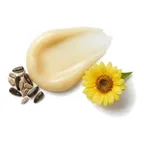 Sunflower Oil
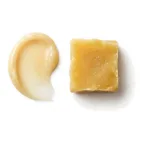 Beeswax
 Vitamin E
High
- HighCombination Skin Fit
- HighEffectiveness
- HighSafety
One of the best sunscreens for acne-prone skin.
This fit is calculated for the concerns frequently associated with acne-prone skin: breakouts, blackheads, and post-acne marks. For scores and recommendations based on your full skin profile, including your 12D face scan results and any goals or preferences you have, please use the Lovi app.
Updated How the Fit score works
Lovi Assistant explains
- Offers excellent UV protection for your combination skin, with uncoated clear zinc oxide providing a strong sunscreen effect while sunflower oil and vitamin E balance hydration and offer antioxidant benefits without exacerbating oiliness.
- The formula is generally supportive for acne-prone skin by providing hydration and antioxidant care.
- The product is safe for your skin, as it lacks harsh ingredients and poses no irritation risk for acne-prone skin.
How to apply
- Apply this sunscreen every morning as the final step of your skincare routine. Reapply every two hours if you are outdoors for best protection against breakouts.
- Apply the sunscreen after your moisturizer and before applying any makeup. Let it absorb completely ⏱ before going outside.
- Take a nickel-sized amount and gently pat it evenly across your face and neck. Avoid rubbing aggressively to keep your combination skin calm.
- Apply the sunscreen on clean, dry skin to ensure an even protective layer. This helps manage excess shine without clogging your pores.
- Avoid the immediate eye area and do a quick patch test before first use. Stop using it if you notice any irritation and consult a specialist.
People Say
★4.6Overall rating based on 2.2k+ reviewsBased on a very large amount of data, users consistently praise this sunscreen for its incredibly simple, organic ingredient list and reliable protection during water sports, making it a top choice for eco-conscious consumers and those with sensitive skin. The trade-off is a very thick, heavy texture that requires significant effort to rub in and often leaves a noticeable white cast, particularly on darker skin tones.
Highlights
Clean ingredients Mostly Mentioned
- “only 4 ingredients”
- “peace of mind”
- “no harmful chemicals”
- “great for sensitive skin”
Eco-friendly & reef safe Often Mentioned
- “safe for coral”
- “truly reef friendly”
- “love the tin”
- “environmentally responsible”
Effective protection Often Mentioned
- “didn't get burned”
- “lasts in water”
- “great for surfing”
- “heavy duty protection”
Thick & greasy Often Mentioned
- “like spreading butter”
- “very greasy”
- “thick paste”
- “sticky feeling”
Visible white cast Often Mentioned
- “purple/white cast”
- “looks like clown makeup”
- “very whitening”
- “visible on skin”
Moisturizing & gentle Sometimes Noted
- “doesn't sting eyes”
- “moisturizing base”
- “hypoallergenic”
Difficult application Sometimes Noted
- “hard to rub in”
- “takes effort”
- “tugs at skin”
- “stiff from tube”
Small quantity Rarely Noted
- “tiny tube”
- “expensive per ounce”
- “runs out fast”
- “small amount”
Sources: lovi.care, iherb.com, expertvoice.com, kitchenstewardship.com, youtube.com, walmart.com, and more
Questions and answers
What makes Badger Sport Sunscreen SPF 40 a great fit for acne-prone skin?
Badger Sport Sunscreen SPF 40 is a great fit because uncoated clear zinc oxide provides strong sun protection while sunflower oil and vitamin E balance hydration without making your skin oily. The formula is safe, lacks harsh ingredients, and poses no irritation risk for acne-prone skin.
Which ingredients make this sunscreen a good fit for acne-prone skin?
Uncoated clear zinc oxide, sunflower oil, beeswax, and vitamin E make this sunscreen a great fit for acne-prone skin by providing strong sun protection and antioxidant care while balancing hydration without making your skin oily. This formula is unlikely to cause irritation or make breakouts worse.
What does Sunflower Oil do for acne-prone skin?
Sunflower seed oil preserves skin integrity, does not cause redness, and improves hydration for dry or compromised skin. It may help maintain a healthy skin barrier without damaging the outer layer.
Where does it go in a skincare routine for acne-prone skin?
Apply this sunscreen in the morning as the final step of your skincare routine, right after your moisturizer. It protects your skin from the sun while balancing hydration and providing antioxidant care without making your skin oily.
Can I use this sunscreen with retinol, and in what order?
You can use this sunscreen in the morning as the final step of your routine after applying your moisturizer and before makeup. This sunscreen is a great fit for your acne-prone skin because it provides strong UV protection with zinc oxide while sunflower oil and vitamin E balance hydration without making your skin oily, and it is unlikely to cause irritation.
Journal of Cosmetic Dermatology, 2024Journal of Cosmetic Dermatology, 2022
How often should I use it?
Use this sunscreen every morning as the final step in your daytime routine. The formula is unlikely to irritate acne-prone skin and helps balance moisture without making your face feel oily.
Can it clog pores, cause breakouts or purging for acne-prone skin?
This sunscreen is unlikely to clog pores or cause breakouts for acne-prone skin because it lacks harsh ingredients and uses sunflower oil and vitamin E to balance hydration without adding extra oiliness. It also poses no irritation risk and helps protect your skin safely.
What the research says
Topical application of tocopherol succinate ethosomal gel decreased erythema, melanin, and sebum levels while improving moisture content and skin elasticity in 34 human women.
Journal of Cosmetic Dermatology, 2024Biomimetic hyaluronic acid-stabilized zinc oxide nanoparticles selectively inhibited C. acnes, outperformed erythromycin in preclinical acne models, and safely reduced acne lesions and redness in a clinical trial.
Journal of Controlled Release, 2025A topical antioxidant serum significantly reduced air pollution-induced skin pigmentation and proinflammatory gene expression ex vivo, and improved skin aging signs in 40 healthy adult females after 90 days of daily use.
Journal of Cosmetic Dermatology, 2022Topical 0.5% hyaluronic-ZnO nanogel applied twice daily reduced inflammatory-lesion counts by 58% at week four in human subjects compared to baseline without causing erythema.
Biomedicines, 2025Daily use of a deep cleansing gel containing salicylic acid 2%, zinc gluconate 0.2% and lipohydroxy acid 0.05% significantly reduced total lesion count by 56.3% after 84 days in 35 subjects with mild to moderate truncal acne.
Clinical, Cosmetic and Investigational Dermatology, 2023Topical zinc oxide nanogels formulated using Dendrobium anosmum showed greater effectiveness against Gram-positive acne-causing bacteria compared to chemogenic nanoparticles.
Molecules, 2023A prototype body cream containing bee venom, propolis, honey, beeswax, and royal jelly demonstrated stability for 90 days, high antioxidant capacity of 85.45%, lack of cytotoxicity with over 70% cell viability, and no irritation or allergic reaction in dermatological analysis, while improving skin parameters in a panel test.
Journal of Cosmetic Dermatology, 2022MUD1 protected human dermal fibroblasts against AAPH-induced oxidative stress by increasing cell viability, reducing oxidative damage, improving mitochondrial functionality, and enhancing wound healing capacities.
International Journal of Molecular Sciences, 2018An antiaggregation transdermal delivery tool composed of beeswax and hyaluronic acid successfully delivered cell membrane-coated nanoparticles to a depth of over 500 ̵m into skin tissue without aggregation or systemic toxicity.
ACS Nano, 2025Topical application of an antioxidant serum containing 15% ascorbic acid, 0.5% ferulic acid, and 1% tocopherol prevented particulate matter-induced degradation of extracellular matrix components, inflammation, and oxidative stress in the skin of 15 female volunteers compared to untreated controls.
Journal of Cosmetic Dermatology, 2025Dermatological products containing d-alpha tocopheryl acetate showed non-comedogenic potential with less than a 50% increase in microcomedones in 12 healthy male subjects compared to octyl palmitate.
Contemporary Clinical Trials Communications, 2021Topical application of an antioxidant mix containing 15% ascorbic acid, 0.5% ferulic acid, and 1% tocopherol prevented PM and UV-induced skin barrier perturbation, lipid peroxidation, inflammatory markers, MMP9 activation, and Type I collagen loss in 15 healthy females compared to untreated exposed skin.
Journal of Cosmetic Dermatology, 2024
Ingredients
Uncoated Clear Zinc Oxide, Sunflower Oil, Beeswax, Vitamin E
Behind this fit score
Lovi calculates every fit score from the full ingredient list with brand-independent rules our dermatologists and cosmetic chemists build and review, and personalizes every pick with AI trained on the real results of millions of users. Lovi trains its fit score models on a proprietary dataset built from more than 10,000 expert-labeled products and more than 100,000 simulated examples, following an internally consistent methodology presented at Cosmoprof, AMWC, and Skin of Color Update.
-

Co-founder, Medical Director
Cosmetic chemist, cosmetologist, aesthetic products developer
-

Co-founder, CEO and CTO
PhD in computer science, 3x US patent holder, ex-Google, ex-Yandex
-

Dr. Sofía Perea Pérez, MD, MSc
Medical Board
Aesthetic medicine practitioner, MSc in Longevity and Anti-Aging Medicine
-

Medical Board
Specialist dermatologist, MBBS, MD, IFAAD
-

Medical Board
Cosmetic chemist, SCS, IFSCC member
-

Medical Board, Medical Advisor
Dermatology MD
-

Elina Nazarenko, MD
Medical Board
Dermatology and diagnostic consultant
-

Victoria Derkova, MS
Medical Board
Cosmetic chemist, cosmetic development technologist


How does it fit your skin?
Scan your face, then any product: Lovi shows how well it fits you and what fits even better.