
Allies of Skin Tranexamic & Arbutin Advanced Brightening Serum for acne-prone skin

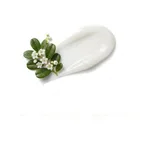 Alpha Arbutin
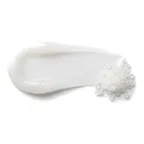 Tranexamic Acid
 Niacinamide
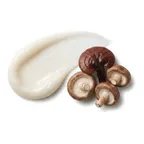 Mushroom Complex
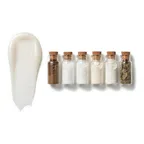 6 Brighteners
 Peptides
High
- HighCombination Skin Fit
- HighEffectiveness
- HighSafety
A great choice for acne-prone skin; a few serums fit it even better.
This fit is calculated for the concerns frequently associated with acne-prone skin: breakouts, blackheads, and post-acne marks. For scores and recommendations based on your full skin profile, including your 12D face scan results and any goals or preferences you have, please use the Lovi app.
Updated How the Fit score works
Lovi Assistant explains
- Highly suitable for your combination skin, this serum utilizes niacinamide and tranexamic acid to effectively regulate melanogenesis and reduce inflammation, addressing your concerns with acne, blemishes, and breakouts.
- The inclusion of alpha-arbutin further enhances its brightening and skin tone evening capabilities, offering moderate benefits for hyperpigmentation and inflammation.
- The product is safe for your skin, with no risks of irritation due to the absence of prohibited or harsh ingredients.
How to apply
- Use your serum as part of your PM routine and start 3x/week before working up to daily use.
- Apply this treatment after cleansing and toner, and before your moisturizer.
- Gently press 2-3 drops of the serum into your skin and let it absorb for a minute.
- Apply the product on clean, dry skin to help manage your breakouts safely.
- Avoid the eye area and do a patch test before your first use.
People Say
★4.6Overall rating based on 200+ reviewsUsers frequently report this serum effectively brightens skin and reduces hyperpigmentation like acne scars and melasma, with many appreciating its gentle, soothing, and lightweight formula suitable for sensitive skin. Some users find the price high and the results take longer than anticipated.
Highlights
Boosts radiance Often Mentioned
- “gives skin an instant dewy glow”
- “enhancing my glow”
- “ignites your complexion”
Fades dark spots Often Mentioned
- “scars visibly lightened after I started using this”
- “pigmentation faded to nothing within just a couple of days”
- “dark spots seem to be slightly lighter after 3 weeks”
Gentle and soothing Often Mentioned
- “feels super soothing, doesn't trigger redness”
- “great for sensitive skin”
Lightweight texture Often Mentioned
- “sinks easily into damp skin”
- “lightweight but luxurious texture”
- “layers well under makeup”
High price point Often Mentioned
- “price definitely hurts”
- “pretty pricey”
- “expensive, not sure if it worth it”
Slow results Sometimes Noted
- “still not impressed with the results”
- “need to use longer to see if there's results”
- “not sure if it helps”
Skin reactions Rarely Noted
- “rashes popped up on my neck”
- “breakouts”
Unpleasant scent Rarely Noted
- “gives a weird fermented stench”
- “serum stinks a little”
- “smell is brownish/fermented”
Sources: lovi.care, dermstore.com, sephora.sg, revolve.com, lovelyskin.com, spacenk.com, and more
Questions and answers
What makes Allies of Skin Tranexamic & Arbutin Advanced Brightening Serum a great fit for acne-prone skin?
This serum is a great fit because it uses niacinamide and tranexamic acid to calm inflammation and help clear up breakouts on acne-prone skin. Alpha-arbutin adds extra help to even out dark spots, while the gentle formula is very unlikely to cause irritation.
Which ingredients make this serum a good fit for acne-prone skin?
This serum is a great fit for acne-prone skin because it uses niacinamide and tranexamic acid to calm inflammation and help clear blemishes. It is safe and unlikely to cause irritation, making it gentle enough for skin that breaks out easily.
What does Alpha Arbutin do for acne-prone skin?
Alpha arbutin is primarily used to fade dark spots and uneven tone rather than treat acne, so it is a weak fit for acne-prone skin. Skin of this type needs products that clear pores, calm redness, and balance oil using ingredients like salicylic acid or niacinamide.
What does Tranexamic Acid do for acne-prone skin?
Tranexamic acid helps reduce active breakouts and lingering red marks in acne-prone skin. Using a topical serum twice daily may decrease pimples, pustules, and overall skin redness.
Where does this serum go in a skincare routine for acne-prone skin?
This serum goes in the evening routine, after cleansing and before moisturizing. Putting treatments in the evening helps with simplicity and extra safety around sun exposure.
Can I use this serum with retinol, and in what order?
You can use this serum with retinol by applying the serum first and following it with your retinol product, or by alternating the nights you use each to keep your skin calm. Using this combination may help address breakouts and dark spots, though introducing them slowly helps prevent irritation.
How often should I use this serum?
This treatment serum fits well into your evening routine. Using it once a day helps calm blemishes and even out your skin tone while keeping irritation unlikely.
Can this serum clog pores, cause breakouts or purging for acne-prone skin?
This serum is unlikely to clog pores or cause breakouts on acne-prone skin because it avoids harsh ingredients and uses soothing components like niacinamide to help calm inflammation. It does not contain ingredients that speed up skin cell shedding, so purging is not expected.
Is this serum fragrance-free and alcohol-free?
Yes, it has no fragrance and no drying alcohol.
What the research says
Niacinamide significantly decreased hyperpigmentation and increased skin lightness compared with vehicle alone after 4 weeks of use in women by inhibiting melanosome transfer.
The British Journal of Dermatology, 2002Encapsulation of alpha arbutin in an optimized ethosomal gel significantly improved skin melanin reduction, moisture content, and elasticity in human volunteers compared to conventional formulations.
Heliyon, 2023A non-hydroquinone topical formulation (SKNB19) improved hyperpigmentation by 28.5% in patient self-assessment and 27% in independent reviewer assessment compared with 4% hydroquinone in 18 adult subjects, while showing significantly less irritation and better tolerability.
Journal of Cosmetic Science, 2020Aziderm cream, Neostrata Pigment Lightening Gel, and an arbutin 5% formulation significantly reduced skin pigmentation in healthy female volunteers compared to untreated controls.
The Journal of Clinical and Aesthetic Dermatology, 2022Arbutin abrogates alpha-MSH-induced hyperpigmentation, inhibits melanin production in B16 cells, and decreases tyrosinase activity.
Archives of Pharmacal Research, 2009Topical administration of 20% azelaic acid cream and 5% tranexamic acid solution comparably improved acne-related postinflammatory hyperpigmentation in patients with acne vulgaris, while tranexamic acid demonstrated a significantly better safety profile at week 4.
Journal of Research in Medical Sciences, 2023Topical 10% tranexamic acid serum reduced inflammatory acne counts, particularly papules and pustules, and decreased skin redness compared to placebo in 18 patients with mild-to-moderate acne over 8 weeks.
Journal of Cosmetic Dermatology, 2022Topical nicotinamide prevented solar-simulated UV-induced immunosuppression in healthy volunteers, and men experienced immunosuppression at solar-simulated UV doses three times lower than those required for women.
The Journal of Investigative Dermatology, 2008Topical 5% niacinamide applied twice daily for 12 weeks reduced fine lines and wrinkles, hyperpigmented spots, red blotchiness, and skin sallowness, and improved skin elasticity compared to vehicle control in 50 female white subjects with facial photoaging.
Dermatologic Surgery, 2005Topical 2% niacinamide significantly decreased sebum excretion rate in Japanese individuals and casual sebum levels in Caucasian individuals compared to placebo or baseline.
Journal of Cosmetic and Laser Therapy, 2006Cereal- and microorganism-derived beta-glucans exhibit beneficial skin health promotion effects including antioxidant, anti-wrinkle, anti-ultraviolet, wound healing, and moisturizing activities.
Phytotherapy Research, 2014Colloidal oatmeal acts as a cleanser, moisturizer, buffer, and soothing anti-inflammatory agent due to its starches, beta-glucan, phenols, and saponins, relieving itch and irritation in xerotic dermatoses.
Journal of Drugs in Dermatology, 2007Lentinan reduced benzo(a)pyrene-induced oxidative stress, malondialdehyde levels, and inflammatory cytokine production while increasing antioxidant enzyme activities in human keratinocytes.
Journal of Cosmetic Dermatology, 2020Topical application of an autophagy-activating peptide reduced closed comedones, skin surface lipids, and trans-epidermal water loss, while altering lipid composition in acne-prone skin compared to vehicle.
Journal of Cosmetic Dermatology, 2021Topical exosomes and peptides improve skin rejuvenation by increasing collagen deposition, enhancing skin texture, and accelerating wound healing.
Aesthetic Surgery Journal. Open Forum, 2024Topical omiganan gels exhibited rapid, dose-dependent bactericidal and fungicidal activity against a broad spectrum of bacteria and yeasts in ex vivo pig skin and in vivo guinea pig skin models.
International Journal of Antimicrobial Agents, 2009
Ingredients
Water, Niacinamide, Ganoderma Lucidum Extract Ferment Filtrate Lentinus Edodes Extract Ferment Filtrate, C13-15 Alkane, Tranexamic Acid, Glycerin, Alpha-Arbutin, Pentylene Glycol, Butylene Glycol, Tocopheryl Acetate, Palmaria Palmata Extract, Asparagopsis Armata Extract, Helianthus Annuus Seed Oil, Ascophyllum Nodosum Extract, Glycyrrhiza Glabra Root Extract, Pancratium Maritimum Extract, Lactobacillus Ferment, Hydrolyzed Pea, Hydrolyzed Pea Protein, Bisabolol, Panthenol, Tocopherol, Arginine Lysine Polypeptide, Glucose, Pentapeptide-34 Trifluoroacetate, 2-Hexanediol, Caprylyl Glycol, C14-22 Alcohols, Xanthan Gum, Hydrogenated Hydrolysate Starch, C12-20 Alkyl Glucoside, Propanediol, Sorbitan Caprylate, Carbomer, Sodium Phytate, Sodium Succinate, Sodium Chloride, Sorbic Acid, Sodium Benzoate, Potassium Sorbate, Phenoxyethanol
Behind this fit score
Lovi calculates every fit score from the full ingredient list with brand-independent rules our dermatologists and cosmetic chemists build and review, and personalizes every pick with AI trained on the real results of millions of users. Lovi trains its fit score models on a proprietary dataset built from more than 10,000 expert-labeled products and more than 100,000 simulated examples, following an internally consistent methodology presented at Cosmoprof, AMWC, and Skin of Color Update.
-

Co-founder, Medical Director
Cosmetic chemist, cosmetologist, aesthetic products developer
-

Co-founder, CEO and CTO
PhD in computer science, 3x US patent holder, ex-Google, ex-Yandex
-

Dr. Sofía Perea Pérez, MD, MSc
Medical Board
Aesthetic medicine practitioner, MSc in Longevity and Anti-Aging Medicine
-

Medical Board
Specialist dermatologist, MBBS, MD, IFAAD
-

Medical Board
Cosmetic chemist, SCS, IFSCC member
-

Medical Board, Medical Advisor
Dermatology MD
-

Elina Nazarenko, MD
Medical Board
Dermatology and diagnostic consultant
-

Victoria Derkova, MS
Medical Board
Cosmetic chemist, cosmetic development technologist


How does it fit your skin?
Scan your face, then any product: Lovi shows how well it fits you and what fits even better.