
Aēsop B Triple C Facial Balancing Gel for sensitive skin

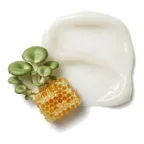 Panthenol
 Magnesium Ascorbyl Phosphate
 Sodium Lactate
 Aloe Barbadensis Leaf Juice
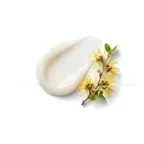 Witch Hazel Water
Average
- HighNormal Skin Fit
- AverageEffectiveness
- HighSafety
Works for sensitive skin; other moisturizers fit it better.
This fit is calculated for the concerns frequently associated with sensitive skin: redness, stinging, and reactions to new products. For scores and recommendations based on your full skin profile, including your 12D face scan results and any goals or preferences you have, please use the Lovi app.
Updated How the Fit score works
Lovi Assistant explains
- Offers moderate benefits for your redness and irritation, as Aloe Barbadensis Leaf Juice and Chamomilla Recutita Oil Flower Matricaria Oil Flower provide mild soothing effects suitable for your sensitive skin.
- The presence of Panthenol and Magnesium Ascorbyl Phosphate offers excellent moisturizing and brightening, aligning well with your normal skin type.
- The product is safe for your sensitive skin due to the absence of prohibited or harsh ingredients.
How to apply
- Use this soothing AM and PM routine every day to keep your normal skin calm. Always remember to apply SPF in the morning after your moisturizer.
- Apply your moisturizer after your toner in the morning, and after your serum in the evening. This step locks in hydration and protects your skin.
- Gently press a small amount of the moisturizer evenly across your face. Avoid rubbing to keep your sensitive skin happy and calm.
- You can apply this gentle formula on dry or slightly damp skin for the best comfort. It works wonderfully on clean skin to soothe redness and irritation.
- Do a patch test before your very first use to check your skin's reaction. Avoid getting the product directly into your eyes .
People Say
★4.4Overall rating based on 100+ reviewsThis product is frequently praised for its hydrating, balancing, and brightening effects on combination to oily skin, often resulting in a smooth, matte finish. Many users find it effective for soothing inflammation and improving skin texture. However, its unique, viscous texture requires a specific warming technique for proper absorption to avoid a sticky feel.
Highlights
Difficult, sticky texture Mostly Mentioned
- “Thick, almost honey-like, and needs a moment to melt in.”
- “Texture is quite challenging to work with.”
- “If you don't rub it in, it'll be sticky.”
Balances oily skin Often Mentioned
- “Intensely hydrating yet mattifying effect.”
- “Skin feels balanced yet never overloaded.”
- “Great for normal-oily skin.”
Deeply hydrates skin Often Mentioned
- “Savior of my winter-fueled dry skin.”
- “Sensation of deep hydration.”
- “Replenish moisture despite sweltering conditions.”
High price point Often Mentioned
- “The price is quite steep.”
- “So expensive that my hands tremble every time I use this.”
- “Price makes it hard to repurchase.”
Brightens skin tone Sometimes Noted
- “Skin appears to be brighter, more radiant.”
- “Helps even the skin tone.”
- “Supports radiance.”
Soothes inflammation Sometimes Noted
- “Reduces inflammation overnight.”
- “Soothes irritations.”
- “Previous areas of redness have gone down significantly.”
Tricky application/pilling Sometimes Noted
- “When applied directly to the face, it feels slippery and pills up.”
- “Doesn't absorb well, making it challenging to apply.”
- “Can feel a bit like there's a film on my skin.”
Sources: lovi.care, bluemercury.com, dermstore.com, walmart.com, whatsinmyjar.com, becoming-carmen.com, and more
Questions and answers
How well does Aēsop B Triple C work for sensitive skin?
This moisturizing treatment works moderately well for sensitive skin because aloe and chamomile provide mild soothing effects for redness and irritation. It also contains panthenol and vitamin C to help moisturize and brighten, though other products fit this skin type better. To work best for sensitive skin, a product of this type needs highly effective soothing ingredients like fermented centella asiatica, cica ceramide, and nourishing oils that strengthen the skin barrier without overwhelming it.
American Journal of Clinical Dermatology, 2002The Journal of Dermatological Treatment, 2017
Which ingredients make this treatment a good fit for sensitive skin?
Aloe leaf juice and chamomile oil help soothe redness and irritation on sensitive skin. To be a better fit, a moisturizing treatment for this skin type needs highly effective soothing ingredients like fermented Centella Asiatica, cica ceramide, and nourishing oils that strengthen the skin barrier without causing overload.
What does Panthenol do for sensitive skin?
Panthenol helps calm sensitive skin by reducing redness and irritation while improving hydration and repairing the skin barrier. It is unlikely to cause negative reactions and supports healing for dry or reactive skin.
Journal of Cosmetic Dermatology, 2025American Journal of Clinical Dermatology, 2002
What does Magnesium Ascorbyl Phosphate do for sensitive skin?
Magnesium Ascorbyl Phosphate is safe for sensitive skin due to its very low irritation profile, while helping to protect against sun damage and keep skin moisturized. This ingredient may also help brighten dark spots and support collagen production without causing discomfort.
Photochemistry and Photobiology, 2012International Journal of Toxicology, 2005
Where does this treatment go in a skincare routine for sensitive skin?
This treatment goes in the evening routine after your cleanser and soothing toner, and before your moisturizer. Sensitive skin of this type needs products packed with calming botanical extracts and gentle hydrators to help soothe redness without causing irritation.
Can I use this treatment with retinol, and in what order?
You can use this treatment with retinol by applying the treatment first and following it with your retinol. This approach helps keep your sensitive skin calm and hydrated while minimizing irritation, though sensitive skin generally benefits most from gentle barrier-restoring ingredients like ceramides and soothing botanical extracts.
American Journal of Clinical Dermatology, 2002The Journal of Dermatological Treatment, 2017
How often should I use this treatment?
You can use this treatment in your evening routine, as Lovi routines suggest placing treatments then for simplicity and safety around sun exposure. Applying it daily helps improve skin moisture and keeps sensitive skin calm and soft.
Journal of Cosmetic Dermatology, 2020Health Science Reports, 2021
Can this treatment clog pores, cause breakouts or purging for sensitive skin?
This treatment is unlikely to clog pores or cause breakouts for sensitive skin due to the absence of harsh or heavy ingredients. Sensitive skin dealing with redness and irritation needs a soothing product with ingredients like aloe and chamomile to calm the skin comfortably.
Can I use this treatment around the eyes or on my body?
This treatment is safe to use on delicate areas like the skin around the eyes and body because it lacks harsh ingredients, though a moisturizing treatment for sensitive skin here needs soothing ingredients like aloe and chamomile to calm irritation and keep skin soft.
Is this treatment fragrance-free and alcohol-free?
It has no drying alcohol and contains fragrance (linalool, geraniol, and d-limonene).
What the research says
A cream combining propolis, tea tree oil, and Aloe vera reduced erythema scars, acne severity index, and total lesion count better than erythromycin cream in sixty patients with mild to moderate acne vulgaris compared to placebo.
Clinical Pharmacology, 2018Topical dexpanthenol acts as a moisturizer, improves stratum corneum hydration, accelerates wound healing and epidermal regeneration, reduces erythema, and improves symptoms of skin irritation compared to vehicle or no pretreatment.
American Journal of Clinical Dermatology, 2002A new topical panthenol-containing emollient significantly improved transepidermal water loss reduction, stratum corneum hydration, and intercellular lipid lamellae length compared with control in healthy subjects without negatively impacting bacterial viability.
The Journal of Dermatological Treatment, 2017Topical dexpanthenol formulated in lipophilic vehicles improved stratum corneum hydration and reduced transepidermal water loss compared to vehicle control in humans.
Arzneimittel-Forschung, 2000A combination serum containing galactomyces ferment filtrate, dexpanthenol, and Centella asiatica effectively treated post-acne hyperpigmentation in subjects with colored skin by significantly increasing lightness scores in Fitzpatrick skin type V and reducing the melanin index in Fitzpatrick skin type IV compared to placebo.
Skinmed, 2021A cream containing panthenol, prebiotics, and probiotic lysate improved facial sensitive skin symptoms and skin barrier function in 110 participants over 28 days.
Skin Research and Technology, 2024Topical application of 5% vitamin C cream significantly improved global clinical scores, increased skin microrelief density, and induced elastic tissue repair in photoaged skin compared to excipient control in healthy female volunteers.
Experimental Dermatology, 2003Topical application of VC-IP cream twice daily for 8 weeks reduces periorbital wrinkles in female subjects compared to a placebo cream.
Journal of Cosmetic Dermatology, 2022Topical treatment with 5% vitamin C and 0.1% madecassoside significantly improved clinical scores for wrinkles, suppleness, firmness, roughness, and skin hydration, along with functional and structural remodeling of the elastic fiber network in 20 female volunteers with photoaged skin after 6 months compared to baseline.
Experimental Dermatology, 2008Application of a cream containing lactic acid 12% and pramoxine HCl 1% significantly improved skin dryness, hydration, and itch compared with a nontreated control in 24 women with a history of dry itchy skin.
Cutis, 2004A lactic acid/ceramide lotion significantly improved skin moisturization and desquamation compared to no treatment in women with dry, rough skin on the anterior shins.
The Journal of Clinical and Aesthetic Dermatology, 2020Treatment with 12% lactic acid increased epidermal and dermal firmness and thickness and improved skin smoothness and wrinkles compared to baseline, whereas 5% lactic acid induced clinical and epidermal changes without dermal changes.
Journal of the American Academy of Dermatology, 1996Formulations containing 0.10%, 0.25%, and 0.50% freeze-dried Aloe vera extract increased stratum corneum water content compared with the vehicle in 20 female subjects, while transepidermal water loss was not modified.
Skin Research and Technology, 2006Kombucha-mediated fermentation of aloe vera gel for 10 and 20 days enhanced its phenolic and flavonoid content, antioxidant capacity, cytoprotective effects, enzyme inhibition against collagenase, elastase, and hyaluronidase, and moisturizing properties compared to unfermented gel.
Molecules, 2025Aloe vera gel phenolic and polysaccharide extracts demonstrated distinct wound-healing properties in vitro, with the phenolic extract exhibiting anti-inflammatory, antioxidant, and fibroblast-stimulating effects, and the polysaccharide extract showing enhanced collagen synthesis and antibacterial activity against Staphylococcus aureus.
Journal of Functional Biomaterials, 2024A Hamamelis virginiana leaf extract increased LOXL1 expression twofold, decreased elafin synthesis, restored functional elastic fibers, reduced nonfunctional elastin aggregates, decreased wrinkles, and improved skin firmness.
Journal of Cosmetic Science, 2018Hamamelis bark proanthocyanidins strongly increased the proliferation of cultured human keratinocytes and reduced transepidermal water loss and erythema formation in SLS-irritated skin, whereas the polysaccharide fraction had no effect.
Phytochemistry, 2001Hamamelis virginiana bark extract inhibited Cutibacterium acnes-induced IL-6 release and TNF-α-induced IL-8 release in human keratinocytes without showing antibacterial or antibiofilm activities.
Antioxidants, 2022
Ingredients
Aloe Barbadensis Leaf Juice, Water, Peg-40 Hydrogenated Castor Oil, Peg-150 Distearate, Magnesium Ascorbyl Phosphate, Witch Hazel Water, Polysorbate 20, Sodium Lactate, Phenoxyethanol, Hydroxyacetophenone, Lavandula Angustifolia Oil Lavender Oil, Ethylhexylglycerin, Sorbitol, Panthenol, Disodium Edta, Lactic Acid, Ormenis Multicaulis Oil, Camellia Sinensis Leaf Extract, Chamomilla Recutita Oil Flower Matricaria Oil Flower, Parsley Seed Oil, Benzoic Acid, Linalool, Geraniol, D-Limonene
Behind this fit score
Lovi calculates every fit score from the full ingredient list with brand-independent rules our dermatologists and cosmetic chemists build and review, and personalizes every pick with AI trained on the real results of millions of users. Lovi trains its fit score models on a proprietary dataset built from more than 10,000 expert-labeled products and more than 100,000 simulated examples, following an internally consistent methodology presented at Cosmoprof, AMWC, and Skin of Color Update.
-

Co-founder, Medical Director
Cosmetic chemist, cosmetologist, aesthetic products developer
-

Co-founder, CEO and CTO
PhD in computer science, 3x US patent holder, ex-Google, ex-Yandex
-

Dr. Sofía Perea Pérez, MD, MSc
Medical Board
Aesthetic medicine practitioner, MSc in Longevity and Anti-Aging Medicine
-

Medical Board
Specialist dermatologist, MBBS, MD, IFAAD
-

Medical Board
Cosmetic chemist, SCS, IFSCC member
-

Medical Board, Medical Advisor
Dermatology MD
-

Elina Nazarenko, MD
Medical Board
Dermatology and diagnostic consultant
-

Victoria Derkova, MS
Medical Board
Cosmetic chemist, cosmetic development technologist


How does it fit your skin?
Scan your face, then any product: Lovi shows how well it fits you and what fits even better.