
Acure Radically Rejuvenating Dual Phase Bakuchiol Serum for acne-prone skin

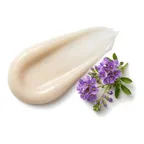 Bakuchiol
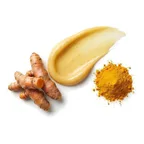 Curcuma Longa
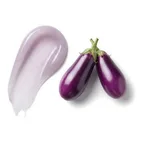 Solanum Melongena
 Aloe Barbadensis
 Ascorbyl Glucoside
Average
- HighCombination Skin Fit
- AverageEffectiveness
- HighSafety
Works for acne-prone skin; other serums fit it better.
This fit is calculated for the concerns frequently associated with acne-prone skin: breakouts, blackheads, and post-acne marks. For scores and recommendations based on your full skin profile, including your 12D face scan results and any goals or preferences you have, please use the Lovi app.
Updated How the Fit score works
Lovi Assistant explains
- Offers moderate rejuvenation for your combination skin, as bakuchiol and ascorbyl glucoside work to smooth texture and brighten tone while tocopherol provides antioxidant support.
- Glycerin and jojoba seed oil offer supportive hydration beneficial for your acne, blemishes, and breakouts.
- The formula is safe for your combination skin, with no risks of irritation due to the absence of prohibited or harsh ingredients.
How to apply
- Use your serum as part of your PM routine and start 3x/week before working up to daily use.
- Apply this treatment after cleansing and toner, and before your moisturizer.
- Gently press 2-3 drops of the serum into your skin and let it absorb for a minute.
- Apply the product on clean, dry skin to help manage your breakouts safely.
- Avoid the eye area and do a patch test before your first use.
People Say
★4.4Overall rating based on 5.4k+ reviewsBased on a very large amount of data, this serum is widely praised as a gentle, plant-based alternative to retinol that effectively hydrates and smooths texture without causing irritation, making it ideal for sensitive or dry skin types. While many users report a "dewy" glow and improved skin clarity, some find the dual-phase oil formula too greasy and dislike the natural, earthy scent.
Highlights
Gentle retinol alternative Mostly Mentioned
- “great for sensitive skin”
- “no irritation or redness”
- “gentler than retinol”
Hydrating and moisturizing Often Mentioned
- “leaves skin hydrated”
- “great for dry patches”
- “moisturizing without clogging”
Improves skin texture Often Mentioned
- “skin feels smoother”
- “softens fine lines”
- “improves overall texture”
Absorbs well Sometimes Noted
- “absorbs quickly”
- “sinks in well”
- “not too greasy”
Glow and radiance Sometimes Noted
- “gives a nice glow”
- “leaves skin dewy”
- “skin looks radiant”
Unpleasant scent Sometimes Noted
- “smells like grass”
- “rusty metal smell”
- “weird earthy scent”
No visible results Rarely Noted
- “did nothing”
- “no difference seen”
- “not effective”
Oily texture Rarely Noted
- “too oily for me”
- “feels heavy/greasy”
- “leaves oily residue”
Packaging issues Rarely Noted
- “dropper leaks”
- “bottle spills easily”
- “messy to use”
Sources: lovi.care, iherb.com, grove.co, vitacost.com, influenster.com, acure.com, and more
Questions and answers
How well does Acure Dual Phase Bakuchiol Serum work for acne-prone skin?
This serum works reasonably well for acne-prone skin, providing moderate smoothing and helpful hydration without causing irritation. Acne-prone skin needs products with ingredients like niacinamide, zinc PCA, and propolis that target breakouts and control oiliness while keeping the skin balanced.
The British Journal of Dermatology, 2019Forschende Komplementarmedizin, 2012
Which ingredients make this serum a good fit for acne-prone skin?
Glycerin and jojoba seed oil make this serum a fit for acne-prone skin by offering supportive hydration for breakouts. To achieve a better fit for this skin, a treatment needs effective ingredients like niacinamide, zinc PCA, and propolis to target blemishes while controlling oiliness.
What does Bakuchiol do for acne-prone skin?
Bakuchiol helps clear acne-prone skin by reducing pimples and dark spots without the stinging and scaling often caused by stronger treatments. It works well to calm redness and is unlikely to irritate sensitive skin.
Clinical, Cosmetic and Investigational Dermatology, 2015Journal of Drugs in Dermatology, 2021
What does Turmeric do for acne-prone skin?
Turmeric helps calm redness and swelling in acne-prone skin through its natural anti-inflammatory properties. It may improve breakout symptoms and overall skin health when used as part of your daily routine.
Where does this serum go in a skincare routine for acne-prone skin?
This treatment goes in the evening routine after cleansing and before moisturizing, though some treatments may also be used in the morning or twice a day. Putting treatments in the evening helps with simplicity and extra safety around sun exposure.
Can I use this serum with retinol, and in what order?
You can use this serum with retinol by applying this treatment first and following with your retinol, but because this product is an average fit, acne-prone skin often does better with dedicated blemish-fighting ingredients and soothing plant extracts.
How often should I use this serum?
You can use this treatment in the evening as part of your routine. For acne-prone skin, this type of product needs soothing plant extracts and gentle hydrators to help keep skin clear and calm without clogging pores.
Can this serum clog pores, cause breakouts or purging for acne-prone skin?
This serum is unlikely to clog pores or cause purging for your acne-prone skin, as it avoids harsh ingredients and features gentle hydrators. Acne-prone skin often needs lightweight, soothing ingredients like aloe and plant extracts to keep breakouts calm without feeling heavy or oily.
Is this serum fragrance-free and alcohol-free?
Yes, it has no fragrance and no drying alcohol.
What the research says
Topical bakuchiol 0.5% applied twice daily compared with retinol 0.5% applied daily significantly decreased wrinkle surface area and hyperpigmentation with no statistical difference between the compounds in 44 patients over 12 weeks, while retinol users reported more facial skin scaling and stinging.
The British Journal of Dermatology, 2019Treatment with ascorbyl glucoside-arginine complex lotion significantly decreased pigmentation scores and melanin index while increasing lightness in solar lentigos of Japanese females compared to placebo over 24 weeks.
International Journal of Molecular Sciences, 2024A topical serum containing vitamin C, vitamin E, and raspberry leaf cell culture extract improved skin color, elasticity, radiance, smoothness, scaliness, and wrinkles compared to the untreated contralateral side in fifty female volunteers.
Journal of Cosmetic Dermatology, 2020Clay jojoba oil facial masks reduced total skin lesions by a mean of 54% after 6 weeks in 133 participants with acne-prone, lesioned skin and mild acne compared to baseline.
Forschende Komplementarmedizin, 2012A single application of a moisturizing fluid containing hyaluronic acid 1%, glycerin 5%, and Centella asiatica stem cells extract significantly increased skin hydration by 29% and reduced transepidermal water loss at 24 hours compared to baseline and an untreated control site in twenty healthy women.
Clinical, Cosmetic and Investigational Dermatology, 2017A dermocosmetic containing bakuchiol, Ginkgo biloba extract, and mannitol improves inflammatory lesions, Investigator Global Assessment, and seborrhea intensity when added to adapalene 0.1% gel in patients with acne vulgaris.
Clinical, Cosmetic and Investigational Dermatology, 2015Topical application of a serum containing supramolecular Bakuchiol and Terminalia chebula extract significantly improved barrier function, reduced redness and sensitivity, and improved wrinkles and elasticity in 34 Chinese subjects with sensitive skin after 28 days.
Health Science Reports, 2025Bakuchiol functions as an anti-aging compound through retinol-like regulation of gene expression, producing significant improvements in lines, wrinkles, pigmentation, elasticity, firmness, and photo-damage after 12 weeks of twice-a-day facial application without usual retinol therapy-associated undesirable effects.
International Journal of Cosmetic Science, 2014Topical application of curcumin or turmeric treats various skin conditions by leveraging antioxidant, anti-inflammatory, and antimicrobial properties.
Skin Pharmacology and Physiology, 2023A curcumin-loaded spanlastic anti-aging gel utilizing formula F5 incorporated into 2% HPMC E50 demonstrated sustained release action, compatibility, and the ability to penetrate skin layers to a depth of about 112.5 um without signs of irritation.
Saudi Pharmaceutical Journal, 2024Lupeol isolated from Solanum melongena L. strongly suppressed lipogenesis and reduced inflammation by modulating the IGF-1R/PI3K/Akt/SREBP-1 and NF-kappaB pathways in vitro and attenuated acne pathogenic features in human patients.
The Journal of Investigative Dermatology, 2015A cream combining propolis, tea tree oil, and Aloe vera reduced erythema scars, acne severity index, and total lesion count better than erythromycin cream in sixty patients with mild to moderate acne vulgaris compared to placebo.
Clinical Pharmacology, 2018Formulations containing 0.10%, 0.25%, and 0.50% freeze-dried Aloe vera extract increased stratum corneum water content compared with the vehicle in 20 female subjects, while transepidermal water loss was not modified.
Skin Research and Technology, 2006Kombucha-mediated fermentation of aloe vera gel for 10 and 20 days enhanced its phenolic and flavonoid content, antioxidant capacity, cytoprotective effects, enzyme inhibition against collagenase, elastase, and hyaluronidase, and moisturizing properties compared to unfermented gel.
Molecules, 2025Topical application of 5% vitamin C cream significantly improved global clinical scores, increased skin microrelief density, and induced elastic tissue repair in photoaged skin compared to excipient control in healthy female volunteers.
Experimental Dermatology, 2003Topical application of VC-IP cream twice daily for 8 weeks reduces periorbital wrinkles in female subjects compared to a placebo cream.
Journal of Cosmetic Dermatology, 2022Topical treatment with 5% vitamin C and 0.1% madecassoside significantly improved clinical scores for wrinkles, suppleness, firmness, roughness, and skin hydration, along with functional and structural remodeling of the elastic fiber network in 20 female volunteers with photoaged skin after 6 months compared to baseline.
Experimental Dermatology, 2008
Ingredients
Water, Caprylic Capric Triglyceride, Propanediol, Glycerin, Tocopherol, Ascorbyl Glucoside, Bakuchiol, Solanum Melongena Fruit Extract, Ocimum Basilicum Leaf Extract Flower, Curcuma Longa Root Extract, Coccinia Indica Fruit Extract, Melia Azadirachta Flower Extract, Aloe Barbadensis Flower Extract, Melia Azadirachta Leaf Extract, Ocimum Sanctum Leaf Extract, Marrubium Vulgare Extract, Corallina Officinalis Extract, Jojoba Seed Oil, Xanthan Gum, Caprylhydroxamic Acid, Phenethyl Alcohol
Behind this fit score
Lovi calculates every fit score from the full ingredient list with brand-independent rules our dermatologists and cosmetic chemists build and review, and personalizes every pick with AI trained on the real results of millions of users. Lovi trains its fit score models on a proprietary dataset built from more than 10,000 expert-labeled products and more than 100,000 simulated examples, following an internally consistent methodology presented at Cosmoprof, AMWC, and Skin of Color Update.
-

Co-founder, Medical Director
Cosmetic chemist, cosmetologist, aesthetic products developer
-

Co-founder, CEO and CTO
PhD in computer science, 3x US patent holder, ex-Google, ex-Yandex
-

Dr. Sofía Perea Pérez, MD, MSc
Medical Board
Aesthetic medicine practitioner, MSc in Longevity and Anti-Aging Medicine
-

Medical Board
Specialist dermatologist, MBBS, MD, IFAAD
-

Medical Board
Cosmetic chemist, SCS, IFSCC member
-

Medical Board, Medical Advisor
Dermatology MD
-

Elina Nazarenko, MD
Medical Board
Dermatology and diagnostic consultant
-

Victoria Derkova, MS
Medical Board
Cosmetic chemist, cosmetic development technologist


How does it fit your skin?
Scan your face, then any product: Lovi shows how well it fits you and what fits even better.