ZO Skin Health Brightalive Skin Brightener for combination skin

 Niacinamide
 Ascorbic Acid
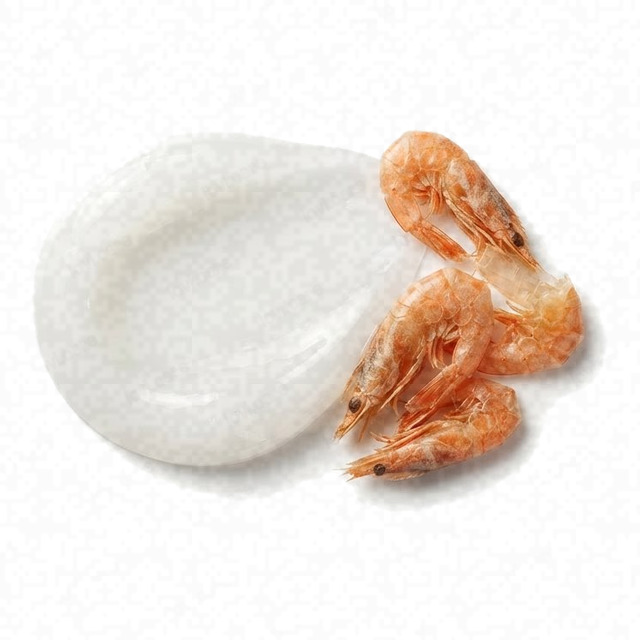 Acetyl Glucosamine
 Hexylresorcinol
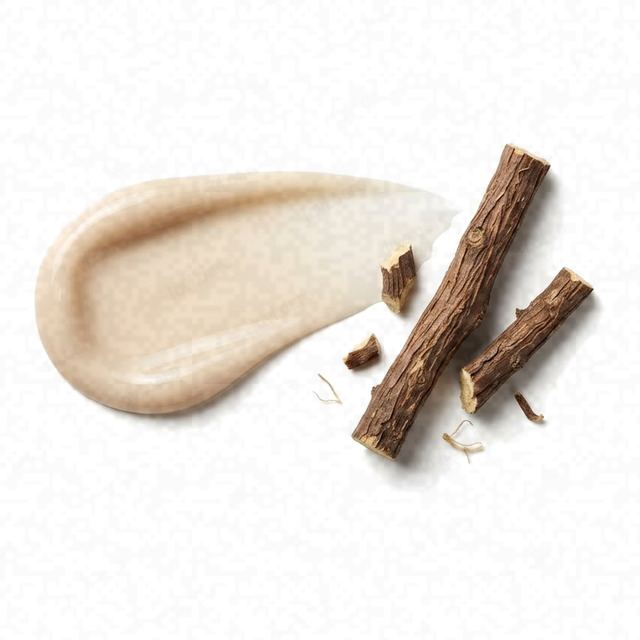 Glycyrrhiza Glabra Root Extract Licorice Root Extract
High
- AverageCombination Skin Fit
- AverageEffectiveness
- HighSafety
A great choice for combination skin; a few serums fit it even better.
This fit is calculated for the concerns frequently associated with combination skin: an oily T-zone, enlarged pores, and dry cheeks. For scores and recommendations based on your full skin profile, including your 12D face scan results and any goals or preferences you have, please use the Lovi app.
Page built Nov 8, 2026How the Fit score works
Lovi Assistant explains
- Offers moderate suitability for your combination skin, as Ascorbic Acid and Hexylresorcinol provide antioxidant benefits and help regulate skin tone, while glycerin and licorice root extract offer general hydration and soothing support for oily shine.
- The formulation is safe for your combination skin due to the absence of harsh ingredients and the inclusion of soothing agents like Licorice Root Extract and Rosemary Leaf Extract.
- This product provides general skincare benefits that support your skin's needs without directly targeting oiliness.
How to apply
- Use your serum as part of your PM routine. Start using it 3 times a week and move to daily use if your skin likes it.
- Apply the serum after cleansing and toner, and right before your moisturizer.
- Gently press 2-3 drops of the serum into your skin and wait a minute ⏳for it to soak in.
- Apply the serum on clean and dry skin since your skin is not sensitive.
- Always do a patch test before using the serum for the first time, and avoid the eye area .
People Say
★4.4Overall rating based on 500+ reviewsUsers frequently praise the product for effectively brightening dull complexions and reducing hyperpigmentation, particularly for those with sensitive skin who cannot tolerate retinol. While most report a smoother, more radiant appearance, some users with acne-prone skin have reported adverse reactions, including breakouts and increased sensitivity.
Highlights
Evens skin tone Mostly Mentioned
- “Skin looks more even-toned”
- “Noticeably brighter”
- “Improved skin clarity”
Gentle formula Often Mentioned
- “No peeling, no redness”
- “Great for sensitive skin”
- “Mild, gentle formula”
Fades dark spots Sometimes Noted
- “Helped fade dark spots”
- “Combats discoloration”
- “Reduced appearance of spots”
Lightweight texture Sometimes Noted
- “Feels lightweight”
- “Non-greasy”
- “Soaks in fast”
Causes breakouts Sometimes Noted
- “Broke out horribly”
- “Caused horrible acne”
- “New spots appearing”
Ineffective results Rarely Noted
- “Does not work for hyperpigmentation”
- “Didn't notice a difference”
Messy pump Rarely Noted
- “Pump gets messy over time”
- “Packaging issues”
Skin irritation Rarely Noted
- “Skin is bumpy and red”
- “Severe sensitivity”
Sources: lovi.care, zoskinhealth.com, influenster.com, trustpilot.com, dermstreet.com, skinclique.com, and more
Questions and answers
What makes Brightalive Skin Brightener a great fit for combination skin?
This product is a great fit for your combination skin because ascorbic acid and hexylresorcinol provide antioxidant benefits and help even out your skin tone, while glycerin and licorice root extract offer hydration and calm oily shine. It is also safe to use because it contains soothing agents and lacks harsh ingredients.
International Journal of Cosmetic Science, 2022Archives of Dermatological Research, 2023
Which ingredients make this cream a good fit for combination skin?
Ascorbic acid and hexylresorcinol make this cream a great fit for your combination skin by providing antioxidant benefits and helping regulate your skin tone. Additionally, glycerin and licorice root extract offer general hydration and soothing support for oily shine.
International Journal of Cosmetic Science, 2022Archives of Dermatological Research, 2023
What does Niacinamide do for combination skin?
Niacinamide helps balance oily areas by reducing excess shine and pore size while keeping dry patches hydrated and smooth. It also works to calm redness and even out skin tone, making it very suitable for combination skin.
What does Vitamin C do for combination skin?
Vitamin C helps brighten dull areas and smooth out uneven texture on combination skin while protecting against daily environmental stress. It may also help keep pores clear and skin firm by supporting collagen production, though drier spots may need an added moisturizer to stay comfortable.
Journal of Cosmetic Dermatology, 2020Journal of Cosmetic Dermatology, 2023
Where does this cream go in a skincare routine for combination skin?
This treatment goes in the evening routine, applied after cleansing and before moisturizing. Putting treatments in the evening helps with simplicity and extra safety around sun exposure.
Can I use this cream with retinol, and in what order?
You can use this treatment alongside retinol, applying the treatment first in your evening routine and following with your retinol and moisturizer. This combination is generally well tolerated, though starting slowly helps ensure your skin adjusts comfortably.
International Journal of Cosmetic Science, 2022Archives of Dermatological Research, 2023
How often should I use this cream?
Use this treatment in the evening as part of your routine. Antioxidants and brightening ingredients like ascorbic acid and hexylresorcinol help improve skin tone and texture when applied consistently.
International Journal of Cosmetic Science, 2022Archives of Dermatological Research, 2023
Can this cream clog pores, cause breakouts or purging for combination skin?
This cream is unlikely to clog pores, but reviewers do occasionally mention breakouts. Its gentle formula helps keep your combination skin calm while brightening your skin tone.
International Journal of Cosmetic Science, 2022Journal of Cosmetic Dermatology, 2020
Is this cream fragrance-free and alcohol-free?
It contains fragrance (parfum) and drying alcohol (alcohol).
What the research says
A formulation combining 4-hexylresorcinol and niacinamide significantly improved hyperpigmentation, skin tone, fine lines, wrinkles, and firmness compared to niacinamide alone in Chinese subjects without adverse events.
International Journal of Cosmetic Science, 2022Topical 1% hexylresorcinol is equivalent to 2% hydroquinone in significantly reducing the appearance of facial and hand pigmentation in healthy female participants over 12 weeks, with both treatments showing no adverse effects.
Archives of Dermatological Research, 2023A topical serum containing vitamin C, vitamin E, and raspberry leaf cell culture extract improved skin color, elasticity, radiance, smoothness, scaliness, and wrinkles compared to the untreated contralateral side in fifty female volunteers.
Journal of Cosmetic Dermatology, 2020A single application of a moisturizing fluid containing hyaluronic acid 1%, glycerin 5%, and Centella asiatica stem cells extract significantly increased skin hydration by 29% and reduced transepidermal water loss at 24 hours compared to baseline and an untreated control site in twenty healthy women.
Clinical, Cosmetic and Investigational Dermatology, 2017Topical post-laser application of human adipocyte-derived mesenchymal stem cell media combined with niacinamide significantly improved wrinkle index, melanin index, patient satisfaction, and investigator esthetic improvement scores compared to vehicle cream in patients with aging skin.
Journal of Cosmetic Dermatology, 2021Topical nicotinamide prevented solar-simulated UV-induced immunosuppression in healthy volunteers, and men experienced immunosuppression at solar-simulated UV doses three times lower than those required for women.
The Journal of Investigative Dermatology, 2008Topical 5% niacinamide applied twice daily for 12 weeks reduced fine lines and wrinkles, hyperpigmented spots, red blotchiness, and skin sallowness, and improved skin elasticity compared to vehicle control in 50 female white subjects with facial photoaging.
Dermatologic Surgery, 2005Topical application of 5% vitamin C cream significantly improved global clinical scores, increased skin microrelief density, and induced elastic tissue repair in photoaged skin compared to excipient control in healthy female volunteers.
Experimental Dermatology, 2003Ascorbic acid 2-glucoside gel significantly reduced gingival melanin pigmentation after 4 weeks compared to placebo in 73 subjects with symmetric pigmentation.
Journal of Periodontology, 2009Topical application of VC-IP cream twice daily for 8 weeks reduces periorbital wrinkles in female subjects compared to a placebo cream.
Journal of Cosmetic Dermatology, 2022Topical 2% N-acetyl glucosamine reduced facial hyperpigmentation in an 8-week split-face clinical test, with an even greater effect observed when combined with 4% niacinamide.
Journal of Cosmetic Dermatology, 2007N-acetyl-glucosamine-loaded nanostructured lipid carriers successfully delivered the hydrophilic agent through the skin and reduced melanin distribution in healthy volunteers.
Advanced Pharmaceutical Bulletin, 2016Topical cosmetic products containing hyaluronic acid, N-acetyl glucosamine, and gamma-amino butyric acid improved skin hydration by 24.28% to 33.60%, elasticity by 11.98%, and skin lightening by 5.26% over 2 months in 20 female participants.
Journal of Cosmetic and Laser Therapy, 2019A novel triple-active cosmetic formulation containing 4-hexylresorcinol, retinyl propionate, and niacinamide improved the visual appearance of photoageing similarly to 0.02% tretinoin and reversed a consensus gene signature associated with ageing in female adults while causing less skin irritation.
International Journal of Cosmetic Science, 2024A topical cream containing retinol 0.5% in combination with niacinamide, resveratrol, and hexylresorcinol improved all efficacy endpoints including fine lines, radiance, smoothness, hyperpigmentation, and wrinkles in 25 subjects with photodamaged and aging skin over 10 weeks.
Journal of Drugs in Dermatology, 2016A topical formulation containing hexylresorcinol, silymarin, 20% vitamin C, and 5% vitamin E prevented UVB-induced photodamage in skin explants and produced clinical improvements in brightening, evenness, lines, and global appearance in 42 female subjects over 12 weeks.
Journal of Cosmetic Dermatology, 2020Combining 755 nm alexandrite laser with topical licorice gel significantly reduces terminal hair counts compared to alexandrite laser with placebo in women with idiopathic hirsutism.
Evidence-based Complementary and Alternative Medicine, 2015Licochalcone A activated Nrf2 signaling, elevated cytoprotective enzymes, increased the reduced-to-oxidized glutathione ratio, and decreased reactive oxygen species in human fibroblasts and neutrophils, while a LicA-rich licorice extract lowered UVA-induced oxidative processes in vivo.
Experimental Dermatology, 2015Bioactive glycyrrhizic acid and oxymatrine ionic liquid self-assembled nanomicelles significantly promoted the transdermal permeation, subcutaneous retention, and anti-photoaging efficacy of palmitoyl pentapeptide-4 in cellular and animal models compared to unformulated peptide.
Advanced Science, 2025
Ingredients
1,2-Hexanediol, Acetyl Glucosamine, Acetyl Tyrosine, Acrylamide Ammonium Acrylate Copolymer, Adenosine Triphosphate, Alcohol, Algin, Water, Ascorbic Acid, Ascorbyl Palmitate, Beta-Glucan, Butylene Glycol, C12-15 Alkyl Benzoate, Caprylyl Glycol, Caprylyl Methicone, Carbomer, Cetyl Alcohol, Chlorphenesin, Citric Acid, Cyclopentasiloxane, Dextran, Diglucosyl Gallic Acid, Dimethylmethoxy Chromanyl Palmitate, Disodium Edta, Glycerin, Glyceryl Stearate, Glycyrrhiza Glabra Root Extract Licorice Root Extract, Helianthus Annuus Seed Oil Sunflower Seed Oil, Hexylresorcinol, Hydrogenated Lecithin, Hydrolyzed Protein, Lecithin, Maltodextrin, Nonapeptide-1, Oligopeptide-68, Papain, Peg-100 Stearate, Peg-12 Dimethicone Ppg-20 Crosspolymer, Parfum, Phenoxyethanol, Polyisobutene, Polymethyl Methacrylate Pmma, Polysorbate 20, Polysorbate 80, Proline, Prunus Amygdalus Dulcis Oil, Retinyl Palmitate, Rosmarinus Officinalis Leaf Extract Rosemary Leaf Extract, Sodium Oleate, Sorbitan Isostearate, Soy Isoflavones, Stachys Officialis Leaf Extract, Tocopherol, Tocopheryl Acetate, Ubiquinone
Behind this fit score
Lovi calculates every fit score from the full ingredient list with brand-independent rules our dermatologists and cosmetic chemists build and review, and personalizes every pick with AI trained on the real results of millions of users. Lovi trains its fit score models on a proprietary dataset built from more than 10,000 expert-labeled products and more than 100,000 simulated examples, following an internally consistent methodology presented at Cosmoprof, AMWC, and Skin of Color Update.
-

Co-founder, Medical Director
Cosmetic chemist, cosmetologist, aesthetic products developer
-

Co-founder, CEO and CTO
PhD in computer science, 3x US patent holder, ex-Google, ex-Yandex
-

Dr. Sofía Perea Pérez, MD, MSc
Medical Board
Aesthetic medicine practitioner, MSc in Longevity and Anti-Aging Medicine
-

Medical Board
Specialist dermatologist, MBBS, MD, IFAAD
-

Medical Board
Cosmetic chemist, SCS, IFSCC member
-

Medical Board, Medical Advisor
Dermatology MD
-

Elina Nazarenko, MD
Medical Board
Dermatology and diagnostic consultant
-

Victoria Derkova, MS
Medical Board
Cosmetic chemist, cosmetic development technologist


How does it fit your skin?
Scan your face, then any product: Lovi shows how well it fits you and what fits even better.