PCA SKIN Hyaluronic Acid Boosting Serum for oily acne-prone skin

 Sodium Hyaluronate
 Niacinamide
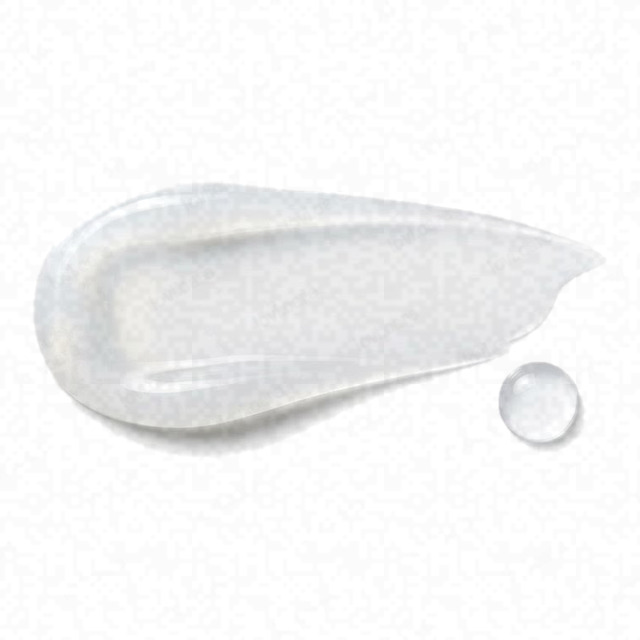 Dimethicone
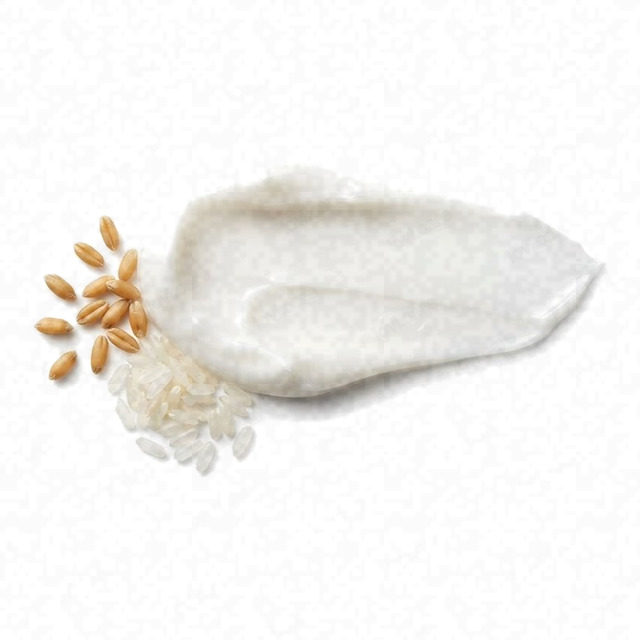 Ceramides
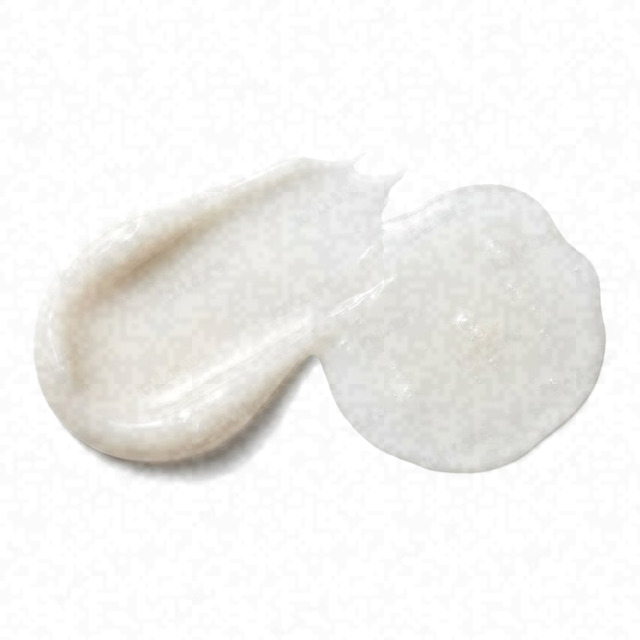 Hydrolyzed Yeast Extract
High
- HighOily Skin Fit
- HighEffectiveness
- ExcellentSafety
A great choice for oily acne-prone skin; a few moisturizers fit it even better.
This fit is calculated for the concerns frequently associated with oily acne-prone skin: shine, breakouts, blemishes, and enlarged pores. For scores and recommendations based on your full skin profile, including your 12D face scan results and any goals or preferences you have, please use the Lovi app.
Page built Nov 8, 2026How the Fit score works
Lovi Assistant explains
- Highly suitable for your oily skin, this serum contains niacinamide to help regulate sebum and sodium hyaluronate for hydration, though its primary focus is not on treating acne or blemishes.
- The inclusion of dimethicone and jojoba esters provides a smooth feel and helps to lock in moisture, which is beneficial for overall skin health.
- The product is safe for your skin, with no reported irritation risks due to its gentle formulation and absence of harsh ingredients.
How to apply
- Use this AM and PM routine every day to help clear your skin. Always remember to finish with SPF in the morning.
- Apply the moisturizer after your cleanser and toner, right before your SPF during the day.
- Gently press a small amount into your skin and avoid rubbing to keep pores clear.
- Apply on clean, slightly damp skin to help the product absorb better and control oil.
- Avoid the sensitive eye area and do a simple patch test before your first use.
People Say
★4.7Overall rating based on 1.3k+ reviewsBased on a very large amount of data, users consistently praise this serum for its deep hydration and ability to plump the skin, often noting visible improvements in fine lines and overall texture. The majority of customers with aging or dry skin report a glowing and dewy complexion, though a small subset of users experienced breakouts or found the product drying.
Highlights
Deep hydration and plumping Often Mentioned
- “Leaves my skin incredibly soft”
- “Skin feels plumper and more hydrated”
- “Locks in the moisture”
- “Brings dehydrated skin back to life”
Texture and absorption Often Mentioned
- “Absorbs quickly without feeling sticky”
- “Glides on well and is absorbed instantly”
- “Nice slip to it”
- “Makeup goes on so much smoother”
Anti-aging results Sometimes Noted
- “Minimizes the appearance of fine lines”
- “Perfect for anti-aging”
- “Skin looks firmer”
Glow and radiance Sometimes Noted
- “I always get compliments that I'm glowing”
- “Reveal fresher, healthier-looking skin”
- “Leaves skin feeling supple, dewy, and radiant”
High price point Sometimes Noted
- “Hesitant to spend money on something I never heard of”
- “Expensive but worth it”
Breakouts and reactions Rarely Noted
- “Clogged my pores”
- “Caused fungal acne with big red patches”
- “Big pimples in my hairline”
Dryness and irritation Rarely Noted
- “Seemed to dry my skin out”
- “Experience a little sensitivity (redness/tingling)”
Scent Rarely Noted
- “Initial scent of rosemary”
- “Scent disappears quite quickly”
Sources: lovi.care, lovelyskin.com, dermstore.com, pcaskin.com, skinsort.com, bluemercury.com, and more
Questions and answers
What makes PCA SKIN Hyaluronic Acid Boosting Serum a great fit for oily acne-prone skin?
This serum is a great fit because it uses niacinamide to help balance oil and sodium hyaluronate to provide lightweight hydration without clogging pores. Its dimethicone and jojoba esters make the skin feel smooth while locking in moisture safely. It is unlikely to cause irritation on your skin.
Which ingredients make this serum a good fit for oily acne-prone skin?
This serum is a great fit for your oily acne-prone skin because it contains niacinamide to help balance oil and sodium hyaluronate to provide lightweight hydration. It also includes dimethicone and jojoba esters, which give a smooth feel and help lock in moisture without feeling heavy.
What does Hyaluronic Acid do for oily acne-prone skin?
Hyaluronic acid helps calm oily acne-prone skin by reducing sebum production and lipid synthesis in sebaceous glands. It also supports skin barrier function and improves hydration while helping deliver treatments without causing irritation.
The Journal of Investigative Dermatology, 2017Journal of Cosmetic Dermatology, 2022
What does Niacinamide do for oily acne-prone skin?
Niacinamide helps balance oil production, calms redness, and is unlikely to irritate oily, acne-prone skin while improving blemishes. Clinical tests show it reduces excess oil and helps clear up both inflammatory and non-inflammatory acne breakouts.
Journal of Cosmetic and Laser Therapy, 2006Journal of Cosmetic Dermatology, 2024
Where does this serum go in a skincare routine for oily acne-prone skin?
This serum goes in the evening routine, applied before your moisturizer for simplicity and extra safety around sun exposure.
Can I use this serum with retinol, and in what order?
You can use this serum with retinol by applying the serum first to give your skin a boost of hydration and help keep it calm. This gentle formulation is unlikely to cause irritation when layered with retinol, making it a comfortable addition to your routine.
How often should I use this serum?
You can use this treatment serum in the evening as part of your routine. Daily application helps improve skin moisture and keeps your skin feeling smooth and balanced.
Can this serum clog pores, cause breakouts or purging for oily acne-prone skin?
This serum is a great fit for oily acne-prone skin and is unlikely to clog pores or cause breakouts. Reviewer complaints about breakouts are low, and the gentle formula includes niacinamide to help balance oil without harsh ingredients.
Can I use this serum around the eyes or on my body?
Yes, you can use this serum around the eyes or on your body, as its gentle formulation is safe for delicate skin. Its hydrating ingredients help keep thin skin smooth while locking in moisture.
Is this serum fragrance-free and alcohol-free?
Yes, it has no fragrance and no drying alcohol. Cetyl alcohol is a fatty alcohol, which soften the skin.
What the research says
Topical hyaluronic acid filler serum combined with Botulinum toxin type A lengthened the duration of the toxin's effect in reducing wrinkles compared to Botulinum toxin type A alone.
Dermatologic Therapy, 2022Topical formulations containing 3.75% glycerol and 1.25% hydrolyzed jojoba esters produced significantly lower evaporative TEWL values compared to glycerol alone at 8 and 24 hours posttreatment in human subjects.
Journal of Cosmetic Dermatology, 2008Topical application of 0.1% hyaluronic acid formulations of different molecular weights led to significant improvements in skin hydration and elasticity, with low-molecular-weight formulations also significantly reducing wrinkle depth in seventy-six female subjects compared to a vehicle control.
Journal of Drugs in Dermatology, 2011Topical application of hyaluronic acid in conjunction with free gingival graft significantly reduced donor site postoperative pain until day 7 compared to normal saline, with no significant differences in graft dimensions or patient satisfaction.
Clinical Oral Investigations, 2022Treatment with a hyaluronic acid-containing mouth rinse or topical gel led to significant lesion reduction, pain relief, and normalization of lesion color in adult patients with minor recurrent aphthous stomatitis, with the gel formulation showing an earlier healing onset at 3 days.
BMC Oral Health, 2019Topical post-laser application of human adipocyte-derived mesenchymal stem cell media combined with niacinamide significantly improved wrinkle index, melanin index, patient satisfaction, and investigator esthetic improvement scores compared to vehicle cream in patients with aging skin.
Journal of Cosmetic Dermatology, 2021Topical nicotinamide prevented solar-simulated UV-induced immunosuppression in healthy volunteers, and men experienced immunosuppression at solar-simulated UV doses three times lower than those required for women.
The Journal of Investigative Dermatology, 2008Topical 5% niacinamide applied twice daily for 12 weeks reduced fine lines and wrinkles, hyperpigmented spots, red blotchiness, and skin sallowness, and improved skin elasticity compared to vehicle control in 50 female white subjects with facial photoaging.
Dermatologic Surgery, 2005Wearing an N95 mask alone compared to using dimethicone cream or hydrocolloid dressing caused more adverse skin reactions among 73 military health care workers, with no significant differences in fit test failure rates between groups.
Military Medicine, 2024Treatment with a moisturizer containing dimethicone and glycerine increased epidermal thickness by 0.019 mm, improved barrier function by decreasing transepidermal water loss by 13%, decreased melanin intensity, and induced keratins 6 and 16 in fifteen women with moderately photoaged forearms.
Clinical and Experimental Dermatology, 2007Externally applied substances such as ceramides, hyaluronic acid, licorice extracts, dimethicone, petrolatum, and paraffin wax treat skin disease resulting from damage to the skin barrier.
Clinics in Dermatology, 2012Topical moisturizers improved skin barrier function and surface moisture, while a postbiotic moisturizer with yeast extract uniquely supported microbiome balance and modulated biomarkers of skin barrier, structure, and inflammation in participants and ex vivo explants exposed to environmental aggressors.
Journal of Clinical Medicine, 2023A maintenance therapy with a cosmeceutical formulation containing hydroxyphenoxy propionic acid, ellagic acid, yeast extract, and salicylic acid over 20 weeks significantly improved even skin tone, spot intensity, spot size, and overall hyperpigmentation in 33 healthy subjects with moderate facial dyspigmentation.
Journal of Drugs in Dermatology, 2015A methanol yeast extract increases proliferation and migration while decreasing entrance into senescence and apoptosis phases in 3T3 fibroblast cells.
Journal of Cosmetic Science, 2014
Ingredients
Water, Propanediol, Glycerin, Niacinamide, Dimethicone, Hydrolyzed Yeast Extract, Polyglyceryl-3 Beeswax, Coconut Alkanes, Phenoxyethanol, Isododecane, Jojoba Esters, Dimethicone Crosspolymer, Polysilicone-11, Sodium Hyaluronate, Sodium Benzoate, Carbomer, Xanthan Gum, Hydrolyzed Hyaluronic Acid, Cetyl Alcohol, Polyglyceryl-6 Distearate, Sodium Lauroyl Lactylate, Disodium Acetyl Glucosamine Phosphate, Hydrolyzed Glycosaminoglycans, Ethylhexylglycerin, Sodium Hydroxide, Hexylene Glycol, Polygonum Bistorta Root Extract, Cetyl Hydroxyethylcellulose, Rosmarinus Officinalis Oil Leaf Rosemary Oil Leaf, Flavor, Polyglucuronic Acid, Ceramide Np, Sodium Carrageenan, Ceramide Ap, Phytosphingosine, Caprylyl Glycol, Cholesterol, Lecithin, Sea Salt, Ceramide Eop
Behind this fit score
Lovi calculates every fit score from the full ingredient list with brand-independent rules our dermatologists and cosmetic chemists build and review, and personalizes every pick with AI trained on the real results of millions of users. Lovi trains its fit score models on a proprietary dataset built from more than 10,000 expert-labeled products and more than 100,000 simulated examples, following an internally consistent methodology presented at Cosmoprof, AMWC, and Skin of Color Update.
-

Co-founder, Medical Director
Cosmetic chemist, cosmetologist, aesthetic products developer
-

Co-founder, CEO and CTO
PhD in computer science, 3x US patent holder, ex-Google, ex-Yandex
-

Dr. Sofía Perea Pérez, MD, MSc
Medical Board
Aesthetic medicine practitioner, MSc in Longevity and Anti-Aging Medicine
-

Medical Board
Specialist dermatologist, MBBS, MD, IFAAD
-

Medical Board
Cosmetic chemist, SCS, IFSCC member
-

Medical Board, Medical Advisor
Dermatology MD
-

Elina Nazarenko, MD
Medical Board
Dermatology and diagnostic consultant
-

Victoria Derkova, MS
Medical Board
Cosmetic chemist, cosmetic development technologist


How does it fit your skin?
Scan your face, then any product: Lovi shows how well it fits you and what fits even better.