La Roche-Posay Anthelios UVMune 400 Oil Control Fluid SPF 50+ for oily acne-prone skin

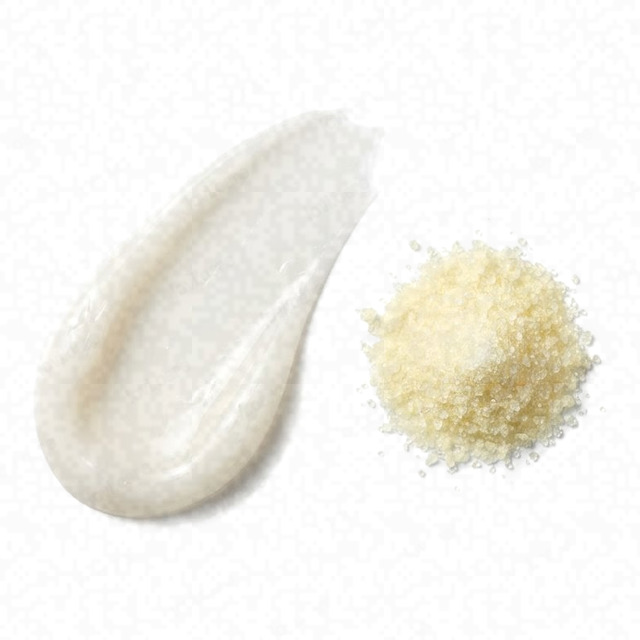 Bis-Ethylhexyloxyphenol Methoxyphenyl Triazine
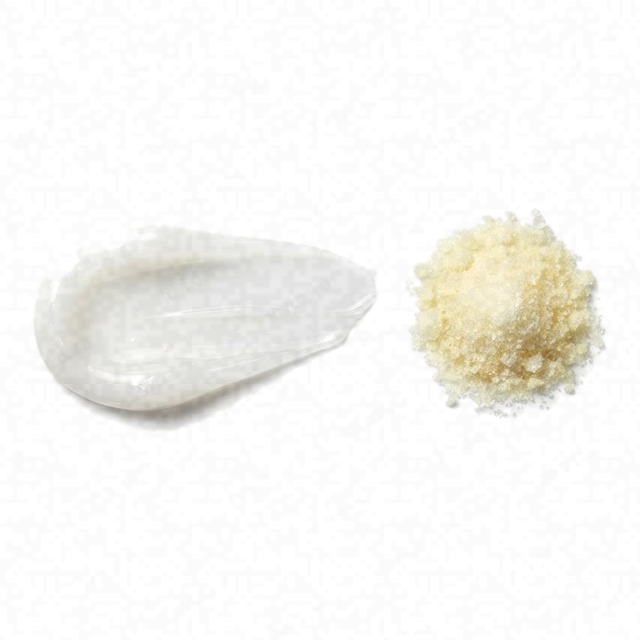 Butyl Methoxydibenzoylmethane
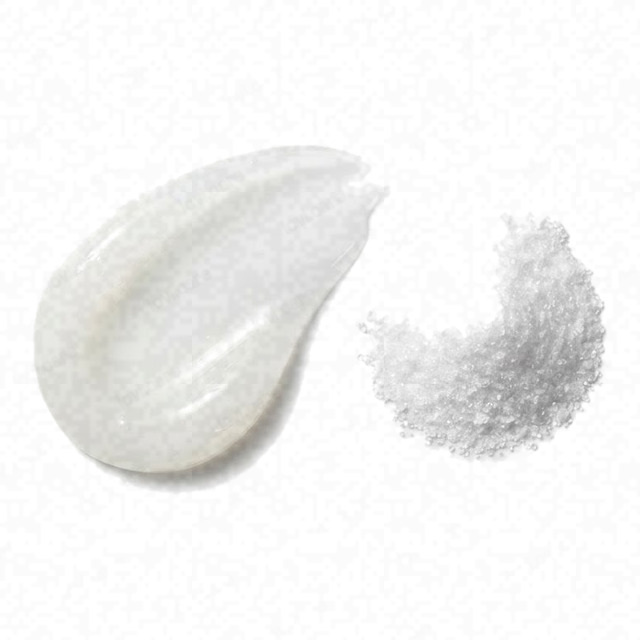 Zinc Pca
 Glycerin
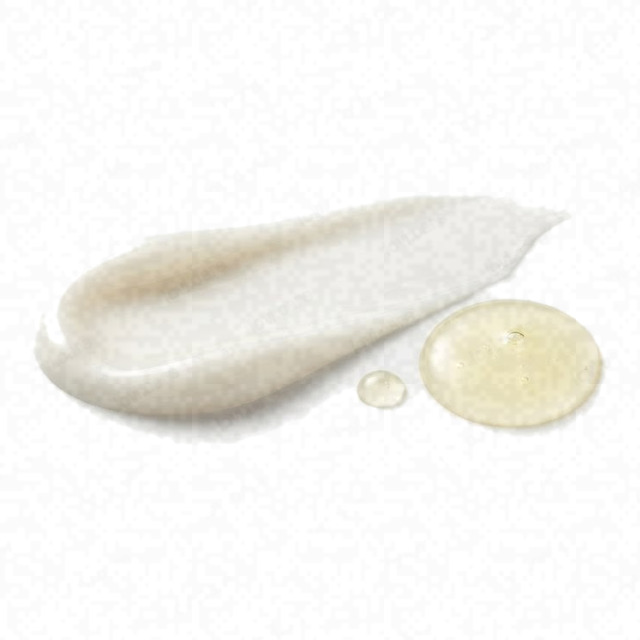 Drometrizole Trisiloxane
High
- HighOily Skin Fit
- HighEffectiveness
- HighSafety
A great choice for oily acne-prone skin; a few sunscreens fit it even better.
This fit is calculated for the concerns frequently associated with oily acne-prone skin: shine, breakouts, blemishes, and enlarged pores. For scores and recommendations based on your full skin profile, including your 12D face scan results and any goals or preferences you have, please use the Lovi app.
Page built Nov 8, 2026How the Fit score works
Lovi Assistant explains
- Highly suitable for your oily skin, this product features Zinc PCA and Bixa Orellana Seed Extract to effectively regulate sebum production and combat oiliness. The inclusion of broad-spectrum UV filters like bis-ethylhexyloxyphenol methoxyphenyl triazine and ethylhexyl triazone provides excellent protection against sun damage, which can exacerbate acne.
- The formula offers moderate benefits for your acne, blemishes, and breakouts by helping to control oil and providing antioxidant support.
- This product has a high safety profile with no risks of irritation for your oily skin.
How to apply
- Apply this sunscreen AM as the final step of your morning skincare routine. Reapply every two hours when exposed to the sun for continuous protection.
- Apply after your moisturizer as the last step before makeup. Do not apply anything on top of your sunscreen.
- Gently spread a coin-sized amount evenly across your face and neck. Avoid harsh rubbing to prevent disturbing the protective layer.
- Apply on completely dry skin after your moisturizer has fully absorbed. This ensures the sunscreen forms an even, protective barrier.
- Avoid direct contact with your eyes during application. Do a patch test before first use to ensure no irritation occurs.
People Say
★4.6Overall rating based on 700+ reviewsThis sunscreen is highly regarded for its ultra-lightweight, fluid texture, making it a favorite for oily, combination, and acne-prone skin types. It absorbs quickly without leaving a white cast and is effective at controlling sebum for many users. While generally well-tolerated and providing good protection, some users find the finish to be more natural than matte, and a few report issues with makeup application or notice a strong scent.
Highlights
Lightweight and invisible Mostly Mentioned
- “Invisible, weightless fluid texture”
- “melts into skin”
- “no white cast on dark skin”
- “feels like nothing on”
Effective oil control Often Mentioned
- “Skin remains oil-free all day”
- “absorbs sebum”
- “less oily than the original”
- “keeps forehead matte”
Non-irritating, acne-safe Often Mentioned
- “Did not break me out”
- “no irritation on sensitive skin”
- “suitable for acne-prone skin”
- “doesn't clog pores”
High protection Sometimes Noted
- “Prevents pigmentation”
- “excellent protection”
- “trust the UVMune filter”
- “great for high UV”
Not truly matte Sometimes Noted
- “Not as matte as envisioned”
- “leaves a slight sheen”
- “more natural than matte”
- “still a bit shiny”
Makeup issues Rarely Noted
- “Makes makeup separate”
- “looks patchy under foundation”
- “pills with certain products”
- “makeup slides off”
Strong scent Rarely Noted
- “Smells like alcohol”
- “fragrance is strong”
- “smells weird”
- “stings eyes slightly”
Yellow staining Rarely Noted
- “Fluid is yellow”
- “stains collars”
- “leaves yellow marks on white clothes”
Sources: lovi.care, boots.com, escentual.com, reddit.com, hometesterclub.com, youtube.com, and more
Questions and answers
What makes La Roche-Posay Anthelios UVMune 400 Oil Control Fluid SPF 50+ a great fit for oily acne-prone skin?
This product is a great fit for your oily skin because it contains zinc pca and bixa orellana seed extract to help control oil and reduce shine. It also provides strong sun protection that helps prevent sun damage from making breakouts worse without causing irritation.
Which ingredients make this fluid a good fit for oily acne-prone skin?
Zinc PCA and bixin from Bixa Orellana seed extract make this fluid a great fit because they help control oil and provide antioxidant support. It also features broad-spectrum UV filters that protect against sun damage which can make acne worse.
What does Bis-Ethylhexyloxyphenol Methoxyphenyl Triazine do for oily acne-prone skin?
Bis-Ethylhexyloxyphenol Methoxyphenyl Triazine provides broad-spectrum sun protection that helps shield oily, acne-prone skin from UV damage without feeling overly heavy. This UV filter supports a safe daily routine when you want to prevent sun-induced inflammation, though oily skin types generally need a lightweight, non-greasy formula that controls shine and won't clog pores.
European Journal of Pharmaceutical Sciences, 2019Journal of Photochemistry and Photobiology. B, Biology, 2025
What does Avobenzone do for oily acne-prone skin?
Avobenzone helps protect oily acne-prone skin from harmful UVA rays that can worsen sun-exposed skin. Using it in your daily routine may prevent UV-induced skin stress without clogging pores, as long as it is paired with lightweight, oil-free ingredients that suit acne-prone skin.
European Journal of Pharmaceutical Sciences, 2023Journal of the American Academy of Dermatology, 1987
Where does this fluid go in a skincare routine for oily acne-prone skin?
This fluid goes as the last step of your morning routine, right after your moisturizer. It is very suitable for your oily skin and is unlikely to cause irritation.
Can I use this fluid with retinol, and in what order?
You can use this fluid in the morning as the final step after your retinol has absorbed and your moisturizer is applied. It is unlikely to irritate your oily skin and helps protect against sun damage that can make breakouts worse.
How often should I use this fluid?
This fluid is a great fit for your oily acne-prone skin, helping to control oil and protect against sun damage every morning. It has a high safety profile and is unlikely to cause irritation when used daily as the last step of your morning routine.
The Journal of Clinical and Aesthetic Dermatology, 2020Frontiers in Pharmacology, 2018
Can this fluid clog pores, cause breakouts or purging for oily acne-prone skin?
This fluid is a great fit for your oily acne-prone skin and is unlikely to clog pores or cause irritation. It helps control oil and provides moderate support for blemishes, though some reviewers note it is not completely matte.
Is this fluid fragrance-free and alcohol-free?
It contains fragrance (parfum) and drying alcohol (alcohol denat).
What the research says
Topical nicotinamide plus an antibacterial adhesive agent and zinc-pyrrolidone carboxylic acid combined with adapalene significantly reduced noninflammatory acne lesions by the second week of therapy compared to placebo with adapalene in patients with moderate acne vulgaris.
The Journal of Clinical and Aesthetic Dermatology, 2020Topical bixin application suppresses acute UV-induced photodamage and PUVA-induced hair graying in Nrf2+/+ mice compared to Nrf2-/- mice via NRF2 activation.
Frontiers in Pharmacology, 2018Pure bixin and ethyl lactate coat extracts of annatto seeds achieved strong antioxidant activity with 46.00% and 44.60% reduction in MDA levels and enhanced wound-healing with 54.09% and 53.60% wound closure within 24 h using NIH-3T3 fibroblast cells in-vitro, compared to other solvent extracts.
Journal of Food and Drug Analysis, 2024Maximal topical applications of 6% bemotrizinol in a model sunscreen formulation did not result in meaningful systemic exposure in humans.
Regulatory Toxicology and Pharmacology, 2023Encapsulation of ethylhexyl methoxycinnamate and butyl methoxydibenzoylmethane in lipid microparticles significantly reduced their in vivo human skin penetration compared to nonencapsulated filters.
Skin Pharmacology and Physiology, 2011Microencapsulation of the BMDBM/HP-beta-CD complex in lipid microparticles significantly decreased the percutaneous penetration of the UV filter into the stratum corneum of human volunteers compared to the non-encapsulated sunscreen agent.
Journal of Pharmaceutical and Biomedical Analysis, 2011Following human skin application of an O/W emulsion containing 2% BMDBM loaded in lipospheres, 15% of the sunscreen accumulated in the uppermost layers of the stratum corneum without remarkably modifying skin permeation compared to unencapsulated sunscreen.
Skin Pharmacology and Physiology, 2008Zinc PCA inhibits UVA-induced matrix metalloproteinase-1 production through suppressed AP-1 activation and enhances type I collagen synthesis by increasing SVCT2 mRNA expression in cultured normal human dermal fibroblasts.
International Journal of Cosmetic Science, 2012A single application of a moisturizing fluid containing hyaluronic acid 1%, glycerin 5%, and Centella asiatica stem cells extract significantly increased skin hydration by 29% and reduced transepidermal water loss at 24 hours compared to baseline and an untreated control site in twenty healthy women.
Clinical, Cosmetic and Investigational Dermatology, 2017The emollient V0034CR significantly reduced TEWL compared to vehicle and vehicle plus glycerol, and significantly increased corneometry scores compared to vehicle and vehicle plus petrolatum in healthy volunteers with dry skin, demonstrating combined barrier function improvement from petrolatum and hydration improvement from glycerol.
Journal of Cosmetic Dermatology, 2020Ten days of treatment with a cream containing 20% glycerin significantly increased skin hydration measured by corneometer values in 17 healthy volunteers compared to a placebo cream, but showed no influence on transepidermal water loss or skin sensitivity to an irritating surfactant.
International Journal of Cosmetic Science, 2001
Ingredients
Water, Alcohol Denat, Triethyl Citrate, Diisopropyl Sebacate, Silica, Bis-Ethylhexyloxyphenol Methoxyphenyl Triazine, Ethylhexyl Salicylate, Ethylhexyl Triazone, Butyl Methoxydibenzoylmethane, Glycerin, Propanediol, C12-22 Alkyl Acrylate Hydroxyethylacrylate Copolymer, C12-15 Alkyl Benzoate, Sodium Citrate, Methoxypropylamino Cyclohexenylidene Ethoxyethylcyanoacetate, Perlite, Tocopherol, Caprylic Capric Triglyceride, Acrylates C10-30 Alkyl Acrylate Crosspolymer, Bixa Orellana Seed Extract, Caprylyl Glycol, Citric Acid, Diethylamino Hydroxybenzoyl Hexyl Benzoate, Drometrizole Trisiloxane, Hydroxyacetophenone, Hydroxyethylcellulose, Maltodextrin, Pentylene Glycol, Silica Silylate, Sodium Stearoyl Glutamate, Terephthalylidene Dicamphor Sulfonic Acid, Triethanolamine, Trisodium Ethylenediamine Disuccinate, Zinc Pca, Parfum
Behind this fit score
Lovi calculates every fit score from the full ingredient list with brand-independent rules our dermatologists and cosmetic chemists build and review, and personalizes every pick with AI trained on the real results of millions of users. Lovi trains its fit score models on a proprietary dataset built from more than 10,000 expert-labeled products and more than 100,000 simulated examples, following an internally consistent methodology presented at Cosmoprof, AMWC, and Skin of Color Update.
-

Co-founder, Medical Director
Cosmetic chemist, cosmetologist, aesthetic products developer
-

Co-founder, CEO and CTO
PhD in computer science, 3x US patent holder, ex-Google, ex-Yandex
-

Dr. Sofía Perea Pérez, MD, MSc
Medical Board
Aesthetic medicine practitioner, MSc in Longevity and Anti-Aging Medicine
-

Medical Board
Specialist dermatologist, MBBS, MD, IFAAD
-

Medical Board
Cosmetic chemist, SCS, IFSCC member
-

Medical Board, Medical Advisor
Dermatology MD
-

Elina Nazarenko, MD
Medical Board
Dermatology and diagnostic consultant
-

Victoria Derkova, MS
Medical Board
Cosmetic chemist, cosmetic development technologist


How does it fit your skin?
Scan your face, then any product: Lovi shows how well it fits you and what fits even better.