Hera Sun Mate Leports Pro Waterproof Sunscreen for dry sensitive skin

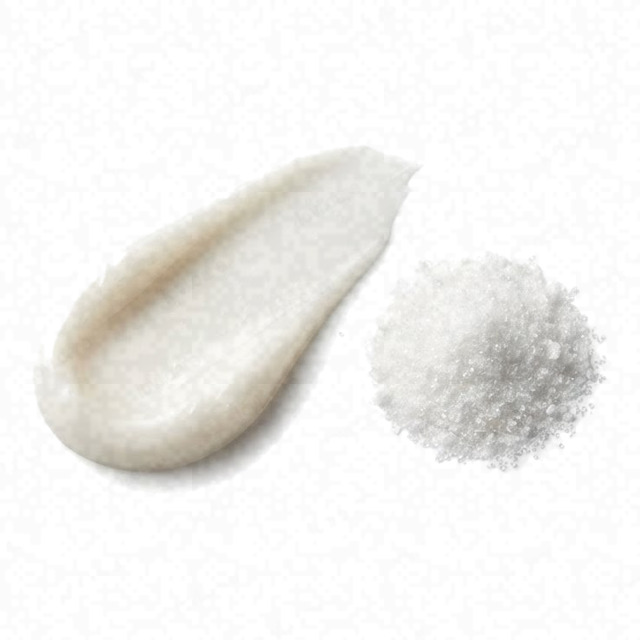 Diethylamino Hydroxybenzoyl Hexyl Benzoate
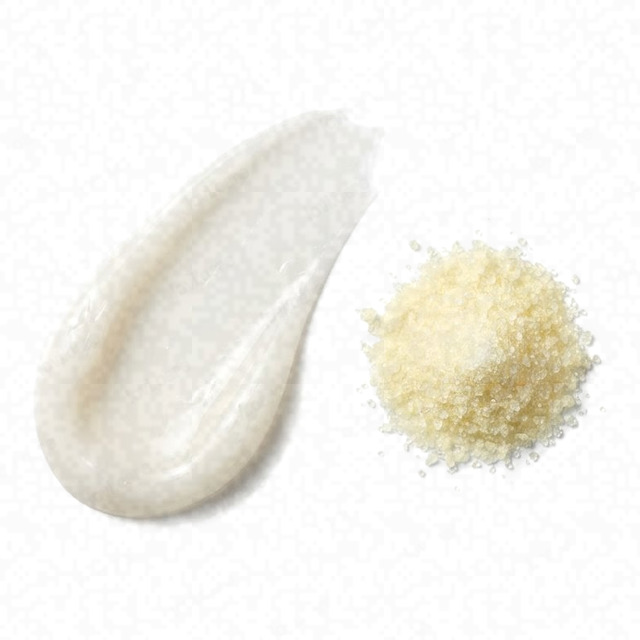 Bis-Ethylhexyloxyphenol Methoxyphenyl Triazine
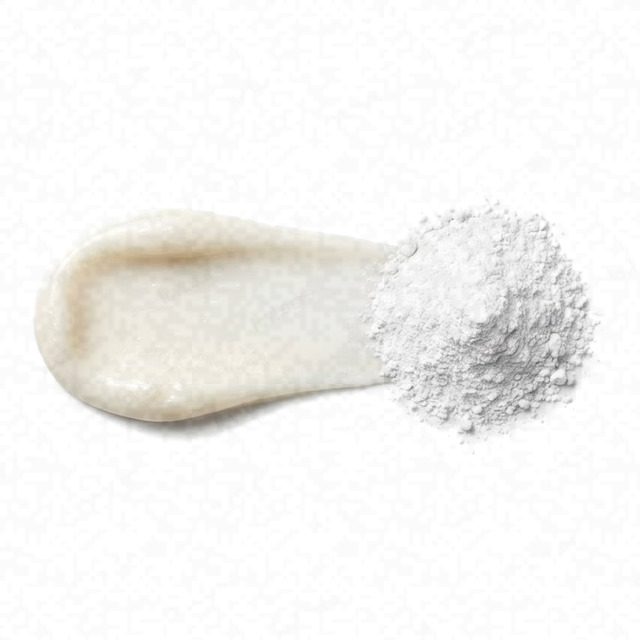 Titanium Dioxide
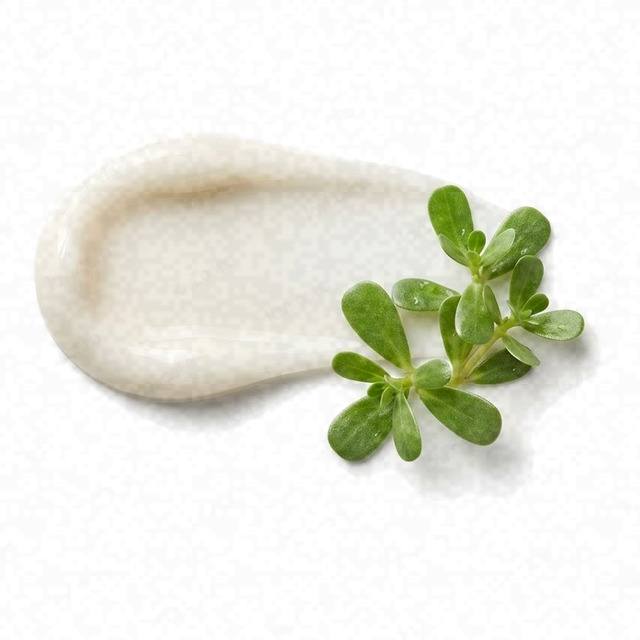 Portulaca Oleracea Extract
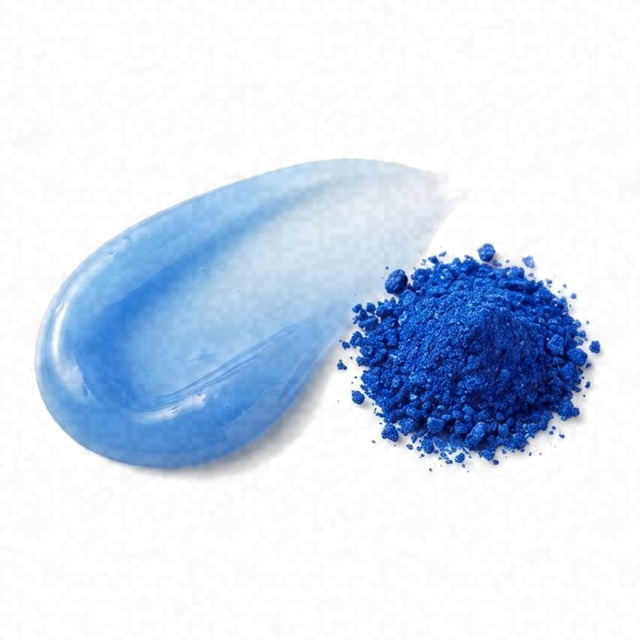 Copper Tripeptide-1
Low
- LowDry Skin Fit
- AverageEffectiveness
- HighSafety
A weak match for dry sensitive skin; the sunscreens alongside fit it better.
This fit is calculated for the concerns frequently associated with dry sensitive skin: flakiness, tightness, redness, fine lines, and wrinkles. For scores and recommendations based on your full skin profile, including your 12D face scan results and any goals or preferences you have, please use the Lovi app.
Page built Nov 8, 2026How the Fit score works
Lovi Assistant explains
- Offers excellent UV protection due to ethylhexyl methoxycinnamate and bis-ethylhexyloxyphenol methoxyphenyl triazine, which are beneficial for your skin's defense but do not address your dry or flaky skin concerns.
- The presence of alcohol and dimethicone may lead to dryness, and the formula lacks deeply hydrating ingredients like hyaluronic acid or ceramides, making it moderately unsuitable for your dry skin type.
- The product is safe for your dry and sensitive skin as it contains no harsh or prohibited ingredients that would cause irritation.
How to apply
- Use your sunscreen as part of your AM routine every morning. Reapply every two hours when exposed to the sun.
- Apply the sunscreen after your moisturizer as the final step of your morning skincare routine.
- Gently press a coin-sized amount of sunscreen evenly into your skin, and avoid rubbing it harshly. Let it set for a minute before going outdoors.
- Since your skin is sensitive , apply the sunscreen over your dry moisturizer to ensure better comfort and protection.
- Always do a patch test before your first use and avoid direct contact with the eyes.
People Say
★4.8Overall rating based on 100+ reviewsBased on limited data, this hybrid sunscreen is highly regarded for its exceptional waterproof and sweatproof performance, making it a top choice for outdoor activities. Users frequently praise its hydrating "WaterLux" texture that leaves skin feeling refreshed. While many appreciate its minimal white cast and suitability as a makeup base, some users with oily skin find the formula can feel greasy or heavy, and a moderate number of reviews mention a noticeable fragrance. A low number of users reported eye irritation or found the price point to be high.
Highlights
hydrating texture Often Mentioned
- “WaterLux texture bursts into moisture”
- “leaves skin feeling nice and refreshed”
- “hydrating enough to use without moisturizer”
- “absorbs quickly and leaves skin hydrated”
waterproof and sweatproof Often Mentioned
- “holds up against sweat and water”
- “perfect for long outdoor days”
- “swimming, running etc. all okay”
- “sweat-resistant and long-lasting”
good makeup base Sometimes Noted
- “pairs surprisingly well with semi-matte cushions”
- “cosmetic elegant texture”
- “smooths skin for makeup application”
- “finish is matte but not too dry”
minimal white cast Sometimes Noted
- “leaves almost no white cast”
- “blends easily and becomes invisible”
- “no white cast, definitely recommend”
- “absorbs well without leaving white cast”
greasy or heavy Sometimes Noted
- “slightly greasy after application”
- “feels a bit heavy on the face”
- “too oily for my skin”
- “rich texture can be suffocating”
noticeable scent Sometimes Noted
- “has a nice floral scent, but...”
- “might find it too much if sensitive”
- “fresh green floral scent”
- “fragrance is noticeable”
eye irritation Rarely Noted
- “organic filters can sting eyes”
- “sting my eyes when I sweat”
- “careful to avoid product going into eyes”
high price point Rarely Noted
- “price point is on the higher side”
- “expensive for the amount”
- “high-end brand pricing”
Sources: lovi.care, bestkoreanskincare.com, dodoskin.com, yesstyle.com, kbeautybee.com, themonodist.com, and more
Questions and answers
Why is Hera Sun Mate Leports Pro Waterproof Sunscreen a weak match for dry sensitive skin?
This sunscreen is a weak match for dry sensitive skin because it lacks deeply hydrating ingredients like hyaluronic acid or ceramides, and the inclusion of alcohol and dimethicone may lead to dryness. A product of this type needs soothing and moisturizing ingredients like hyaluronic acid and ceramides to keep dry skin soft and comfortable.
Which ingredients make this sunscreen a poor fit for dry sensitive skin?
This sunscreen is a weak match because alcohol and dimethicone may lead to dryness, and the formula lacks deeply hydrating ingredients like hyaluronic acid or ceramides. A sunscreen of this type needs soothing and moisturizing ingredients like hyaluronic acid or ceramides to keep dry sensitive skin comfortable.
What does Diethylamino Hydroxybenzoyl Hexyl Benzoate do for dry sensitive skin?
Diethylamino Hydroxybenzoyl Hexyl Benzoate is a sunscreen ingredient that helps protect dry sensitive skin from sun damage without causing irritation. Because it stays stable in the sun, it reliably shields your face throughout the day.
What does Bis-Ethylhexyloxyphenol Methoxyphenyl Triazine do for dry sensitive skin?
Bis-Ethylhexyloxyphenol Methoxyphenyl Triazine is a broad-spectrum UV filter that helps shield dry sensitive skin from sun damage without causing irritation. Because sensitive skin easily reacts to harsh ingredients, this type of product needs gentle, soothing components and reliable UV protection to keep skin calm and safe outdoors.
Where does this sunscreen go in a skincare routine for dry sensitive skin?
This sunscreen goes in the morning routine after your soothing toner and before heading outdoors. While it provides strong sun defense, this type of sunscreen is a weak fit for dry sensitive skin and needs deeply hydrating ingredients like hyaluronic acid or ceramides to keep dry or flaky skin feeling comfortable and smooth.
Can I use this sunscreen with retinol, and in what order?
This sunscreen is unlikely to irritate sensitive skin, but it does not address dry or flaky concerns and may lead to extra dryness. To use it with retinol, apply your retinol treatment at night and use this sunscreen in the morning after your moisturizer. A sunscreen for dry skin needs deeply hydrating ingredients like hyaluronic acid or ceramides to keep skin soft and smooth.
How often should I use this sunscreen?
This sunscreen is suitable for daily morning use to protect against UV rays, though it is a weak match for your dry and sensitive skin. Because this type of product lacks deeply hydrating ingredients like hyaluronic acid or ceramides and contains alcohol that may lead to dryness, your routine needs rich moisture-boosting ingredients to keep skin soft and smooth.
Can this sunscreen clog pores, cause breakouts or purging for dry sensitive skin?
This sunscreen is unlikely to clog pores or cause breakouts for dry sensitive skin, though it may leave your skin feeling dry. A sunscreen for this skin type needs deeply hydrating ingredients like hyaluronic acid or ceramides to keep skin soft and smooth.
Is this sunscreen fragrance-free and alcohol-free?
It has no fragrance and contains drying alcohol (alcohol).
What the research says
Liposomal encapsulation of octyl methoxycinnamate increases its safety, skin affinity, and in vivo solar photoprotection factor while slowing its release and enhancing retention in the stratum corneum compared to a conventional formulation.
International Journal of Nanomedicine, 2013Facial masks containing low-temperature extracted Portulaca oleracea protect sensitive skin from photothermal stimulation and improve skin barrier function during photorejuvenation.
Cutaneous and Ocular Toxicology, 2025Benzyl Alcohol, Benzoic Acid, and Sodium Benzoate can be used safely in cosmetic formulations at concentrations up to 5%, and Benzyl Alcohol is safe up to 10% in hair dyes, despite causing nonimmunologic contact reactions.
International Journal of Toxicology, 2001Oral and dermal administration of Uvinul A plus resulted in three major urinary metabolites accounting for 52% of the oral dose, with a very low estimated daily systemic exposure of 8.1-9.3 μg/d in volunteers not intentionally exposed.
International Journal of Hygiene and Environmental Health, 2020Maximal topical applications of 6% bemotrizinol in a model sunscreen formulation did not result in meaningful systemic exposure in humans.
Regulatory Toxicology and Pharmacology, 2023Microfine titanium dioxide does not penetrate human skin when formulated in an oil-in-water emulsion with the pigment dispersed in the aqueous phase, compared to oily dispersions and liposomal encapsulation which allow deeper skin penetration.
International Journal of Cosmetic Science, 2000Replacing microsized titanium dioxide and zinc oxide with nanoparticles in sunscreens eliminates opaqueness and alters UV protection balance while inducing (photo)cyto- and genotoxicity and penetrating viable skin layers during long-term exposures.
Nanotechnology, Science and Applications, 2011Microfine zinc oxide and titanium dioxide do not penetrate the stratum corneum of porcine skin in vitro, indicating that their use in sunscreens does not pose a health risk from internal exposure.
Toxicology in Vitro, 2006Topical purslane at 5% and 10% concentrations achieved alleviation of symptoms and lesion remission comparable to topical 0.1% triamcinolone acetonide in 34 subjects with oral lichen planus over 90 days.
BMC Oral Health, 2023Portulaca oleracea extract ameliorated skin barrier damage and inflammation induced by combined exposure to glycolic acid and UVB in HaCaT cells.
Cutaneous and Ocular Toxicology, 2022Topical application of a crude extract of Portulaca oleracea accelerates wound healing by decreasing wound surface area and increasing tensile strength in Mus musculus JVI-1, with the greatest contraction achieved at a single dose of 50mg compared to other dosages.
Journal of Ethnopharmacology, 2003Topical copper tripeptide complex on CO2 laser-resurfaced skin caused no significant reduction in erythema or objective improvement in wrinkles compared to controls, but significantly increased patient satisfaction regarding overall skin quality.
Archives of Facial Plastic Surgery, 2006A novel regimen combining a hydroxy acid-based scrub and copper tripeptide serum significantly reduced adherent scalp flaking by 61.24%, increased hair density by 12.48%, increased hair thickness by 25.36%, and improved scalp skin hydration by 76.24% in adults with mild to moderate dandruff over 15 days.
Cureus, 2024The combination of Thermus thermophilus and Bacillus subtilis mixed-culture ferment extract and copper tripeptide-1 GHK-Cu reduced inflammatory cytokines, protected skin explants from UV-induced damage, and improved wrinkles and skin barrier conditions compared to individual components or controls.
Skin Research and Technology, 2026
Why other sunscreens fit dry sensitive skin better
Topical formulation containing beeswax-based nanoparticles decreased transepidermal water loss and increased stratum corneum water content after 28 days of treatment.
AAPS PharmSciTech, 2017
Ingredients
Water, C12-15 Alkyl Benzoate, Ethylhexyl Methoxycinnamate, Butylene Glycol, Propanediol, Diethylamino Hydroxybenzoyl Hexyl Benzoate, Bis-Ethylhexyloxyphenol Methoxyphenyl Triazine, Titanium Dioxide, Dimethicone, Trisiloxane, Cyclopentasiloxane, Silica, Witch Hazel Leaf Water, Tocopherol, Portulaca Oleracea Extract, Lactobacillus Water Hyacinth Ferment, Prunus Persica Leaf Extract, Tocopheryl Acetate, Mannitol, Ascorbic Acid, Caffeic Acid, Ubiquinone, Lecithin, Helianthus Annuus Seed Oil Sunflower Seed Oil, Beta-Carotene, Hydrolyzed Millet, Zinc Dna, Dna, Hydrogenated Phosphatidylcholine, Hydrolyzed Hibiscus Esculentus Extract, Cholesterol, Dextrin, Dipalmitoyl Hydroxyproline, Cholesteryl Hexyl Dicarbamate Pullulan, Copper Tripeptide-1, Calcium Pantetheine Sulfonate, Acrylates Stearyl Methacrylate Copolymer, Cyclohexasiloxane, Polyacrylate-13, Aluminum Stearate, Polyisobutene, Polyhydroxystearic Acid, Dimethicone Vinyl Dimethicone Crosspolymer, Alumina, Stearic Acid, Carbomer, Ethylhexylglycerin, Polysorbate 20, Sorbitan Isostearate, Ammonium Acryloyldimethyltaurate Vp Copolymer, Peg-60 Hydrogenated Castor Oil, Xanthan Gum, Glycerin, Ethylhexyl Palmitate, Methoxy Peg-114 Polyepsilon Caprolactone, Pentylene Glycol, Acrylates Ammonium Methacrylate Copolymer, Caprylyl Glycol, Hydroxyethyl Acrylate Sodium Acryloyldimethyl Taurate Copolymer, Theobroma Cacao Extract, Polyacrylic Acid, Alcohol, Sodium Dehydroacetate, Potassium Sorbate, Citric Acid, Sodium Benzoate, 1,2-Hexanediol, Disodium Edta, Titanium Dioxide Ci 77891, Phenoxyethanol
Behind this fit score
Lovi calculates every fit score from the full ingredient list with brand-independent rules our dermatologists and cosmetic chemists build and review, and personalizes every pick with AI trained on the real results of millions of users. Lovi trains its fit score models on a proprietary dataset built from more than 10,000 expert-labeled products and more than 100,000 simulated examples, following an internally consistent methodology presented at Cosmoprof, AMWC, and Skin of Color Update.
-

Co-founder, Medical Director
Cosmetic chemist, cosmetologist, aesthetic products developer
-

Co-founder, CEO and CTO
PhD in computer science, 3x US patent holder, ex-Google, ex-Yandex
-

Dr. Sofía Perea Pérez, MD, MSc
Medical Board
Aesthetic medicine practitioner, MSc in Longevity and Anti-Aging Medicine
-

Medical Board
Specialist dermatologist, MBBS, MD, IFAAD
-

Medical Board
Cosmetic chemist, SCS, IFSCC member
-

Medical Board, Medical Advisor
Dermatology MD
-

Elina Nazarenko, MD
Medical Board
Dermatology and diagnostic consultant
-

Victoria Derkova, MS
Medical Board
Cosmetic chemist, cosmetic development technologist


How does it fit your skin?
Scan your face, then any product: Lovi shows how well it fits you and what fits even better.