EltaMD UV Clear Broad-Spectrum SPF 46 for combination skin

 Niacinamide
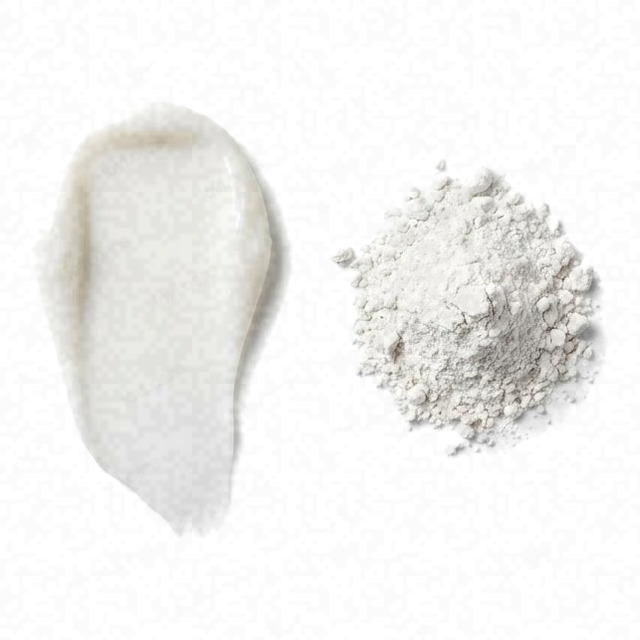 Transparent Zinc Oxide
 Sodium Hyaluronate
 Tocopheryl Acetate
 Lactic Acid
Superior
- SuperiorCombination Skin Fit
- SuperiorEffectiveness
- ExcellentSafety
One of the best sunscreens for combination skin.
This fit is calculated for the concerns frequently associated with combination skin: an oily T-zone, enlarged pores, and dry cheeks. For scores and recommendations based on your full skin profile, including your 12D face scan results and any goals or preferences you have, please use the Lovi app.
Page built Nov 8, 2026How the Fit score works
Lovi Assistant explains
- Excellent suitability for your combination skin, as niacinamide and zinc oxide work synergistically to control oiliness and minimize pore appearance, directly addressing your main goal of reducing oily shine.
- The inclusion of sodium hyaluronate provides essential hydration without clogging pores, balancing your combination skin type effectively.
- This formula is safe for your skin, featuring soothing ingredients and avoiding harsh components, ensuring a gentle yet effective experience.
How to apply
- Apply this sunscreen during your AM routine every single day. Make sure to reapply ⏱ every two hours if you stay outside.
- Apply this sunscreen as the very last step of your morning routine after your moisturizer. Allow your moisturizer to ⏳ sink in for a minute first.
- Smooth an even layer over your face and gently pat it into the skin without harsh rubbing. Be sure to cover all exposed areas thoroughly.
- For the best finish on your combination skin, apply the sunscreen on completely dry skin over your moisturizer. This helps control any oily shine throughout the day.
- Avoid getting the product directly into your eyes. Do a small patch test before your first full application.
People Say
★4.7Overall rating based on 66.3k+ reviewsA smaller number of users report occasional pilling or a white cast on deeper skin tones, and some with dry skin find it not moisturizing enough.
Highlights
Acne-safe, non-comedogenic Mostly Mentioned
- “Only SPF that doesn't break me out”
- “Safe for my acne-prone skin”
- “Cleared up my blemishes”
Lightweight and non-greasy Mostly Mentioned
- “Disappears into skin”
- “Not oily at all”
- “Feels like nothing on”
Excellent makeup primer Sometimes Noted
- “Sits beautifully under makeup”
- “No greasy residue”
- “Grippy base for foundation”
High price point Sometimes Noted
- “Too expensive for the size”
- “Pricey for daily use”
- “Wish the bottle was bigger”
Pilling and peeling Sometimes Noted
- “Pills under my foundation”
- “Flakes off if I touch my face”
- “Balls up over moisturizer”
Not moisturizing enough Rarely Noted
- “Clings to dry patches”
- “Too drying for winter”
- “Need a heavy moisturizer underneath”
White cast on dark skin Rarely Noted
- “Leaves a grey cast”
- “Not truly clear on dark skin”
- “Looks ashy on me”
Sources: lovi.care, amazon.com, dermstore.com, lovelyskin.com, walmart.com, eltamd.com, and more
Questions and answers
What makes EltaMD UV Clear one of the best fits for combination skin?
EltaMD UV Clear is an excellent fit for your combination skin because niacinamide and zinc oxide work together to control oily shine and minimize the look of pores. At the same time, sodium hyaluronate provides essential moisture without clogging your pores to keep your skin balanced.
Which ingredients make this cream a good fit for combination skin?
This cream is a great fit for your combination skin because niacinamide and zinc oxide work together to control oiliness and keep pores looking small. Added sodium hyaluronate also gives your skin essential moisture without clogging pores to keep everything balanced.
What does Niacinamide do for combination skin?
Niacinamide helps balance oily areas by reducing excess shine and pore size while keeping dry patches hydrated and smooth. It also works to calm redness and even out skin tone, making it very suitable for combination skin.
What does Zinc Oxide do for combination skin?
Zinc oxide helps calm irritation and protects combination skin while keeping excess oil under control. It is unlikely to clog pores and may support the skin barrier in balancing dry and oily areas.
Where does this cream go in a skincare routine for combination skin?
Apply this sunscreen as the final step of your morning skincare routine, right after your moisturizer. It protects your skin while providing gentle hydration that is unlikely to clog pores.
Can I use this cream with retinol, and in what order?
You can use this sunscreen in the morning as the last step before makeup, well after applying your evening retinol. This formula includes soothing ingredients and sodium hyaluronate to help keep your skin comfortable and hydrated throughout the day.
How often should I use this cream?
You can use this sunscreen every morning as the final step in your daytime routine. It controls oil and provides lightweight hydration that keeps your skin balanced all day long.
International Journal of Cosmetic Science, 2020Journal of Controlled Release, 2025
Can this cream clog pores, cause breakouts or purging for combination skin?
This cream is unlikely to clog pores or cause breakouts for your combination skin because it features soothing ingredients and hydrating components that balance oily shine without heavy oils. Tocopheryl acetate and zinc oxide show a strong safety profile for human skin without triggering blemishes.
Contemporary Clinical Trials Communications, 2021Journal of Controlled Release, 2025
Is this cream fragrance-free and alcohol-free?
Yes, it has no fragrance and no drying alcohol.
What the research says
Dermatological products containing d-alpha tocopheryl acetate showed non-comedogenic potential with less than a 50% increase in microcomedones in 12 healthy male subjects compared to octyl palmitate.
Contemporary Clinical Trials Communications, 2021Biomimetic hyaluronic acid-stabilized zinc oxide nanoparticles selectively inhibited C. acnes, outperformed erythromycin in preclinical acne models, and safely reduced acne lesions and redness in a clinical trial.
Journal of Controlled Release, 2025Topical 0.5% hyaluronic-ZnO nanogel applied twice daily reduced inflammatory-lesion counts by 58% at week four in human subjects compared to baseline without causing erythema.
Biomedicines, 2025Topical post-laser application of human adipocyte-derived mesenchymal stem cell media combined with niacinamide significantly improved wrinkle index, melanin index, patient satisfaction, and investigator esthetic improvement scores compared to vehicle cream in patients with aging skin.
Journal of Cosmetic Dermatology, 2021Topical nicotinamide prevented solar-simulated UV-induced immunosuppression in healthy volunteers, and men experienced immunosuppression at solar-simulated UV doses three times lower than those required for women.
The Journal of Investigative Dermatology, 2008Topical 5% niacinamide applied twice daily for 12 weeks reduced fine lines and wrinkles, hyperpigmented spots, red blotchiness, and skin sallowness, and improved skin elasticity compared to vehicle control in 50 female white subjects with facial photoaging.
Dermatologic Surgery, 2005Nels cream achieved a similar reduction in inflammatory and noninflammatory lesion counts compared to 5% benzoyl peroxide in acne vulgaris patients, but caused significantly fewer side-effects such as peeling and dryness.
Clinical and Experimental Dermatology, 2000Topically applied coated and uncoated zinc oxide nanoparticles under flexing and massage are retained in the stratum corneum with no significant penetration into the viable epidermis and no cellular toxicity in human skin.
Nanomedicine, 2016Topical application of 0.1% hyaluronic acid formulations of different molecular weights led to significant improvements in skin hydration and elasticity, with low-molecular-weight formulations also significantly reducing wrinkle depth in seventy-six female subjects compared to a vehicle control.
Journal of Drugs in Dermatology, 2011Topical application of hyaluronic acid in conjunction with free gingival graft significantly reduced donor site postoperative pain until day 7 compared to normal saline, with no significant differences in graft dimensions or patient satisfaction.
Clinical Oral Investigations, 2022Treatment with a hyaluronic acid-containing mouth rinse or topical gel led to significant lesion reduction, pain relief, and normalization of lesion color in adult patients with minor recurrent aphthous stomatitis, with the gel formulation showing an earlier healing onset at 3 days.
BMC Oral Health, 2019Topical application of an antioxidant serum containing 15% ascorbic acid, 0.5% ferulic acid, and 1% tocopherol prevented particulate matter-induced degradation of extracellular matrix components, inflammation, and oxidative stress in the skin of 15 female volunteers compared to untreated controls.
Journal of Cosmetic Dermatology, 2025Topical application of an antioxidant mix containing 15% ascorbic acid, 0.5% ferulic acid, and 1% tocopherol prevented PM and UV-induced skin barrier perturbation, lipid peroxidation, inflammatory markers, MMP9 activation, and Type I collagen loss in 15 healthy females compared to untreated exposed skin.
Journal of Cosmetic Dermatology, 2024A topical antioxidant serum significantly reduced air pollution-induced skin pigmentation and proinflammatory gene expression ex vivo, and improved skin aging signs in 40 healthy adult females after 90 days of daily use.
Journal of Cosmetic Dermatology, 2022Application of a cream containing lactic acid 12% and pramoxine HCl 1% significantly improved skin dryness, hydration, and itch compared with a nontreated control in 24 women with a history of dry itchy skin.
Cutis, 2004Topical 12% ammonium lactate produced a significant sparing of epidermal and dermal atrophy induced by clobetasol propionate in human volunteers, without influencing the corticosteroid's bioavailability or antiinflammatory properties.
Journal of the American Academy of Dermatology, 1992A lactic acid/ceramide lotion significantly improved skin moisturization and desquamation compared to no treatment in women with dry, rough skin on the anterior shins.
The Journal of Clinical and Aesthetic Dermatology, 2020
Ingredients
Zinc Oxide, Octinoxate, Water, Cyclopentasiloxane, Niacinamide, Octyldodecyl Neopentanoate, Butylene Glycol, Hydroxyethyl Acrylate Sodium Acryloyldimethyl Taurate Copolymer, Polyisobutene, Peg-7 Trimethylolpropane Coconut Ether, Sodium Hyaluronate, Tocopheryl Acetate, Lactic Acid, Oleth-3 Phosphate, Phenoxyethanol, Iodopropynyl Butylcarbamate, Isopropyl Palmitate, Octyl Stearate, Iron Oxides, Triethoxycaprylylsilane
Behind this fit score
Lovi calculates every fit score from the full ingredient list with brand-independent rules our dermatologists and cosmetic chemists build and review, and personalizes every pick with AI trained on the real results of millions of users. Lovi trains its fit score models on a proprietary dataset built from more than 10,000 expert-labeled products and more than 100,000 simulated examples, following an internally consistent methodology presented at Cosmoprof, AMWC, and Skin of Color Update.
-

Co-founder, Medical Director
Cosmetic chemist, cosmetologist, aesthetic products developer
-

Co-founder, CEO and CTO
PhD in computer science, 3x US patent holder, ex-Google, ex-Yandex
-

Dr. Sofía Perea Pérez, MD, MSc
Medical Board
Aesthetic medicine practitioner, MSc in Longevity and Anti-Aging Medicine
-

Medical Board
Specialist dermatologist, MBBS, MD, IFAAD
-

Medical Board
Cosmetic chemist, SCS, IFSCC member
-

Medical Board, Medical Advisor
Dermatology MD
-

Elina Nazarenko, MD
Medical Board
Dermatology and diagnostic consultant
-

Victoria Derkova, MS
Medical Board
Cosmetic chemist, cosmetic development technologist


How does it fit your skin?
Scan your face, then any product: Lovi shows how well it fits you and what fits even better.